Telekom Malaysia's 2023 Earnings Report Analysis
Written by Emily J. Thompson, Senior Investment Analyst
Updated: 1 hour ago
0mins
Should l Buy TM?
Source: Yahoo Finance
- Revenue Meets Expectations: Telekom Malaysia reported RM12 billion in revenue for 2023, aligning with market forecasts, demonstrating the company's ability to maintain stable income despite competitive pressures.
- Earnings Per Share Slightly Below: The statutory EPS came in at RM0.45, missing estimates by 2.4%, which may affect investor confidence in the company's profitability, although overall performance showed no significant changes.
- Analyst Expectations Stable: The consensus among 19 analysts for 2026 revenue is RM12.4 billion, reflecting a 4.3% annual growth rate, consistent with the past 12 months, indicating analysts' views on the company's future remain unchanged.
- Price Target Unchanged: The consensus price target remains at RM7.98, despite a wide range of estimates from RM4.50 to RM9.50, reflecting diverse market perceptions regarding the company's future performance.
Trade with 70% Backtested Accuracy
Stop guessing "Should I Buy TM?" and start using high-conviction signals backed by rigorous historical data.
Sign up today to access powerful investing tools and make smarter, data-driven decisions.
Analyst Views on TM
About TM
Toyota Motor Corp is a Japan-based company mainly engaged in the automotive business, as well as financial services and other businesses. It operates through three business segments. The Automotive segment designs, manufactures, and sells automobiles, including sedans, minivans, compact cars, sport utility vehicles (SUVs), and trucks, as well as related parts and accessories. The Financial Services segment provides financing and vehicle leasing services to complement the sales of automobiles and other products manufactured by itself and its affiliates. The Other segment engages in information and communications services. It also oversees manufacturing and sales companies, conducts public relations and research activities, oversees financial companies, and develops various mobility products, primarily software.
About the author

Emily J. Thompson
Emily J. Thompson, a Chartered Financial Analyst (CFA) with 12 years in investment research, graduated with honors from the Wharton School. Specializing in industrial and technology stocks, she provides in-depth analysis for Intellectia’s earnings and market brief reports.
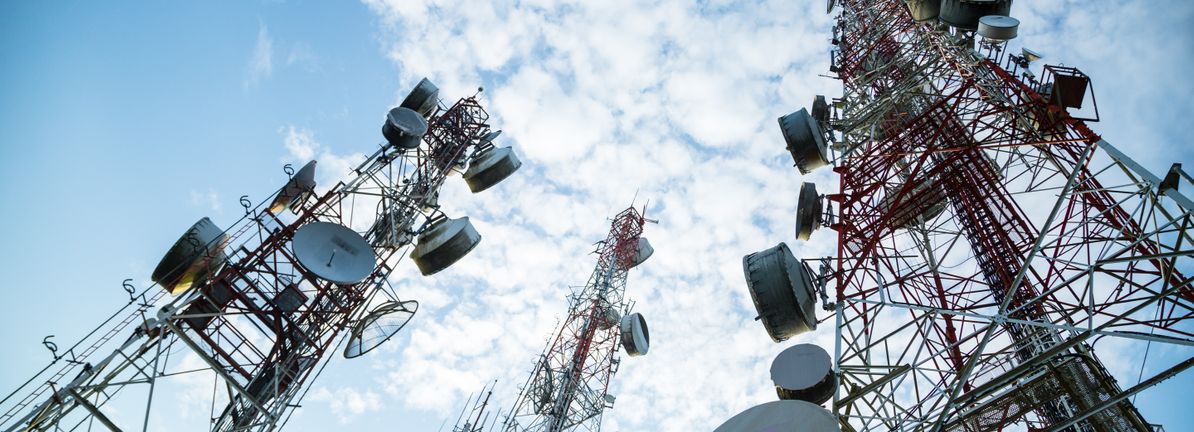
Telekom Malaysia's 2023 Earnings Report Analysis

- Revenue Meets Expectations: Telekom Malaysia reported RM12 billion in revenue for 2023, aligning with market forecasts, demonstrating the company's ability to maintain stable income despite competitive pressures.
- Earnings Per Share Slightly Below: The statutory EPS came in at RM0.45, missing estimates by 2.4%, which may affect investor confidence in the company's profitability, although overall performance showed no significant changes.
- Analyst Expectations Stable: The consensus among 19 analysts for 2026 revenue is RM12.4 billion, reflecting a 4.3% annual growth rate, consistent with the past 12 months, indicating analysts' views on the company's future remain unchanged.
- Price Target Unchanged: The consensus price target remains at RM7.98, despite a wide range of estimates from RM4.50 to RM9.50, reflecting diverse market perceptions regarding the company's future performance.
See More

Ford's EV Sales Plummet Amidst Competitive Pressure

- Intensifying Market Competition: Without the $7,500 federal EV tax incentive, Ford faces fierce competition in the EV market, with expectations that its EV division will not break even until 2029, highlighting the urgency of its strategic adjustments in the electric vehicle sector.
- Poor Sales Performance: According to Cox Automotive, Ford sold 6,860 EVs in Q1 2026, representing a 70% decline year-over-year, while Toyota's bZ series sold over 10,000 units during the same period, achieving a 79% year-over-year growth, indicating significant challenges for Ford in maintaining market share.
- Product Strategy Shift: Ford plans to delay high-end EV projects and focus on more affordable EVs and hybrids, with its $30,000 mid-size electric pickup expected to launch next year, a strategy aimed at regaining market share, although it may continue to lag in sales rankings in the short term.
- Uncertain Industry Outlook: While Ford's EV sales rankings may drop further, the overall market is rapidly evolving, with Tesla capturing 54% of the market share, necessitating Ford to accelerate its transformation to meet changing consumer demands and competitive pressures.
See More
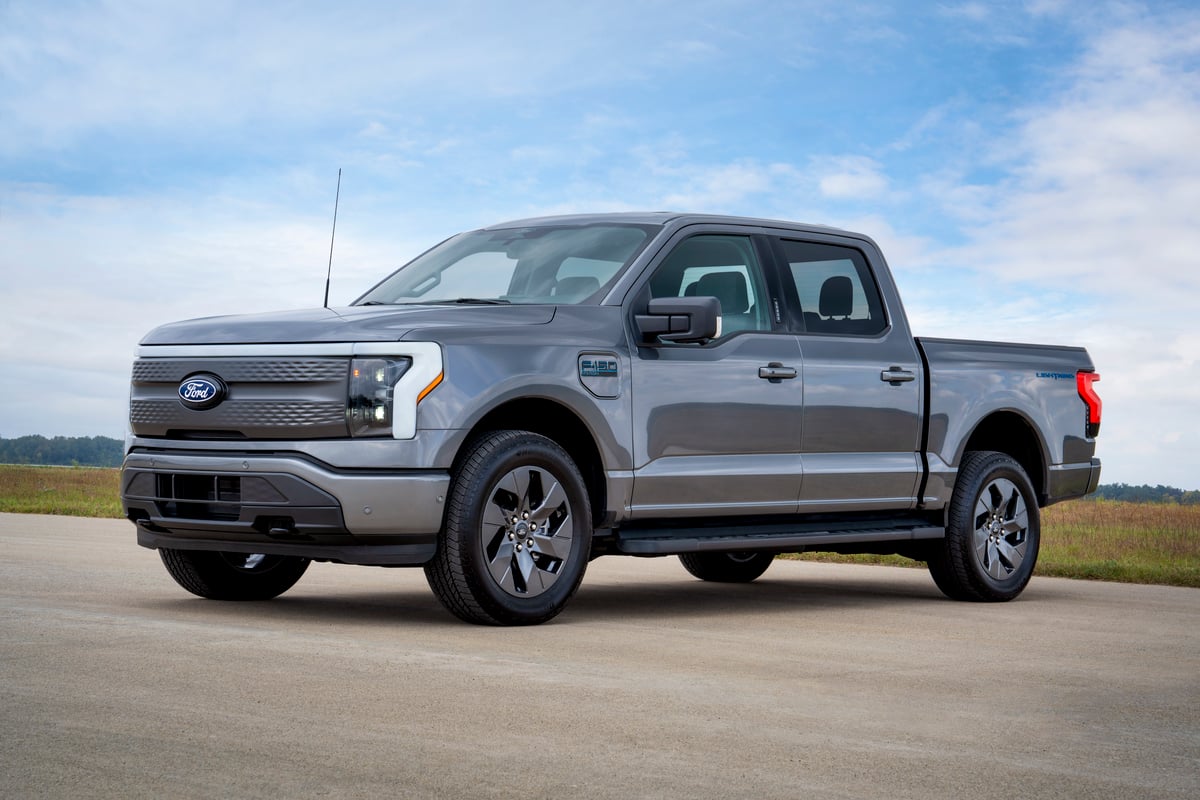
Ford's EV Sales Plummet Amidst Competitive Pressure
- Intensifying EV Market Competition: In Q1 2026, Ford sold only 6,860 EVs, a staggering 70% decline year-over-year, while Toyota's single model bZ sold over 10,000 units, marking a 79% increase, indicating a significant shift in market share.
- Market Share Dynamics: The U.S. EV market share stood at 5.8% in Q1 2026, unchanged from Q4 2025 and significantly lower than the 10.6% peak in Q3 2025, reflecting a weakening consumer demand for electric vehicles.
- Strategic Shift: Ford has announced a delay in high-end EV projects until 2028 and plans to launch a $30,000 mid-size electric pickup, demonstrating its commitment to pivot towards more competitive EV and hybrid models.
- Uncertain Industry Outlook: Despite facing fierce competition, Tesla still commands 54% of the market share, and Ford's ranking may drop further, making it challenging to regain lost market share in the short term.
See More
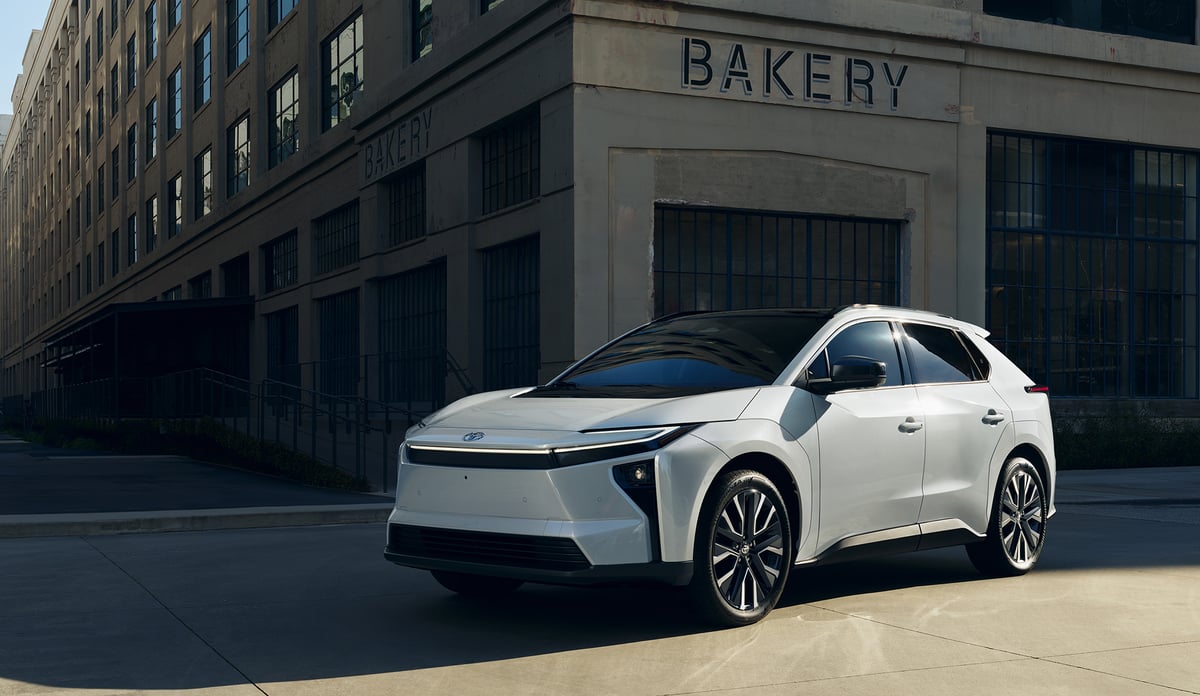
Toyota's EV Strategy Reversal Gains Traction
- Market Reversal: Toyota's sales performance in the EV market has significantly improved, with its bZ model selling over 10,000 units in the U.S. during Q1 2026, a 79% increase year-over-year, while Ford's EV sales plummeted by 70%, indicating Toyota's growing competitiveness in the EV sector.
- Competitive Advantage: Although Toyota's EV strategy started slowly, its strong dealer network and upcoming affordable EVs enhance its market appeal amid high gasoline prices, positioning the company for further market consolidation.
- Financial Stability: Toyota's cash reserves are nearly double its debt, reflecting a solid financial position with a price-to-earnings ratio of about 11, making it an attractive long-term investment while returning value to shareholders through share buybacks and increased dividends.
- Industry Reflection: Toyota's success prompts critics to reconsider their views on its EV strategy, especially as rivals like Honda and General Motors face nearly $70 billion in restructuring costs due to misjudging the U.S. EV market, highlighting the wisdom of Toyota's cautious approach.
See More
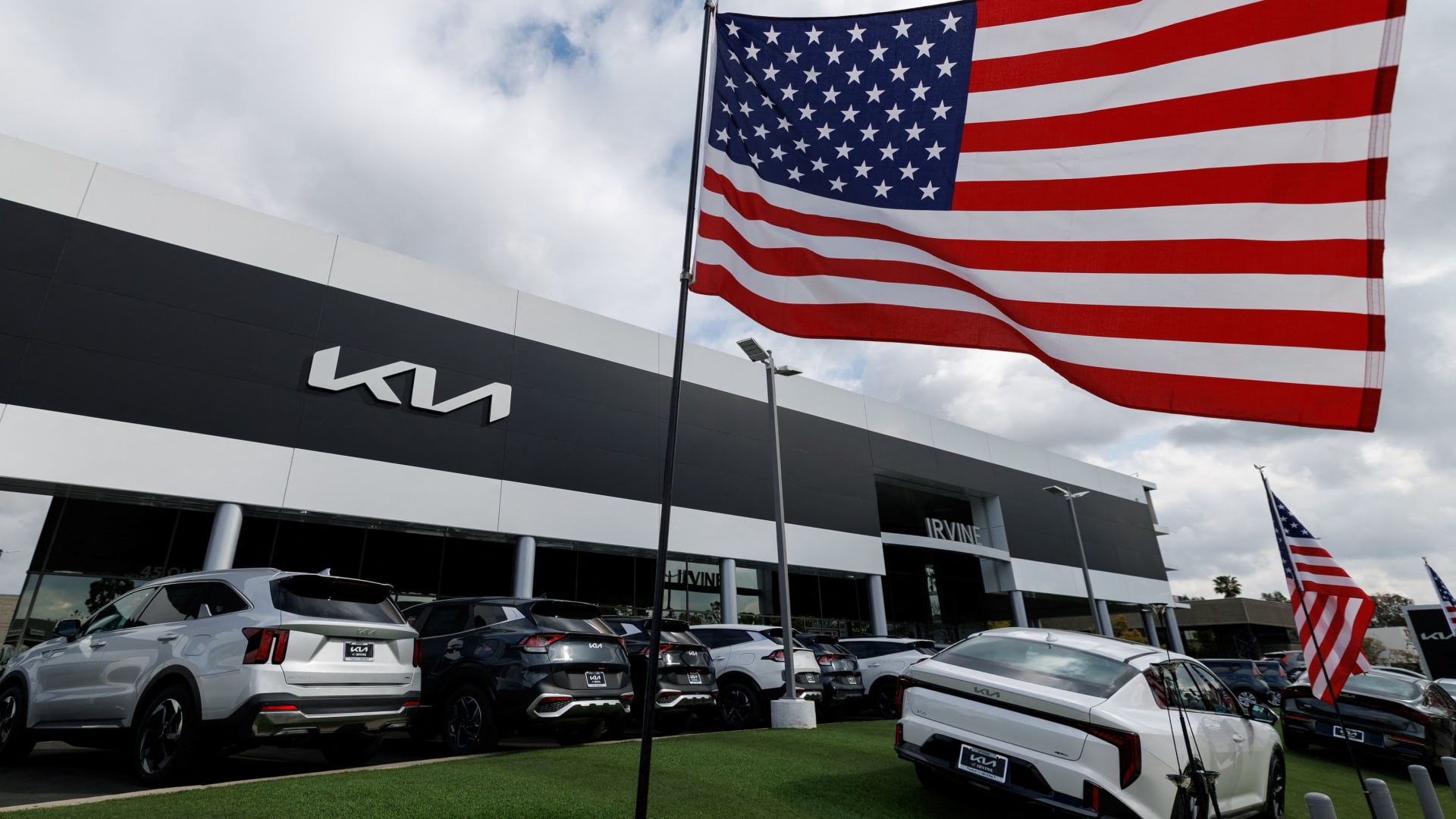
U.S. Automakers Reassess Sedan Market Amid Affordability Concerns


- Market Resilience: Despite American automakers largely abandoning sedans, Japanese, Korean, and German brands continue to sell hundreds of thousands of smaller passenger vehicles annually in the U.S., indicating resilience and potential recovery in the sedan market.
- Affordability Appeal: With the average vehicle price nearing $50,000, compact sedans starting around $22,000 are becoming attractive to buyers, as evidenced by Kia's K4 and Forte selling 140,514 units last year, exceeding expectations and highlighting strong consumer demand for affordable options.
- Young Consumer Preferences: Many Gen Z and younger Millennials feel pressured by high SUV payments, leading them to seek more affordable sedan alternatives, underscoring the importance of sedans in attracting a new generation of buyers.
- Industry Investment Confidence: Although sedan market share has dropped from 40% in 2015 to 15% in 2026, automakers continue to invest in sedans, reflecting their confidence in this segment and its potential for future growth.
See More

AST SpaceMobile Stock Rebounds to $85 Amid Satellite Launches


- Stock Recovery: AST SpaceMobile's stock has rebounded from a record low of $2.01 to approximately $85, primarily driven by partnerships with AT&T and Verizon and the successful launch of five BB1 satellites, indicating a potential resurgence in the low Earth orbit satellite market.
- Satellite Launch Plans: The company aims to increase its satellite count in orbit to 60 by the end of 2024, with a long-term goal of launching over 240 satellites, a strategy that will significantly enhance its market competitiveness and drive future revenue growth.
- Surging Revenue Expectations: Analysts project AST's revenue to soar from $71 million in 2025 to $1.92 billion by 2028, reflecting positive developments in new deals and satellite expansion, although its current market cap of $26 billion suggests that much of this growth is already priced in.
- Competitive Pressure and Opportunities: Despite fierce competition from SpaceX's Starlink, AST's technological advancements and market strategies position it for sustainable growth in the future, attracting investor interest and boosting market confidence.
See More
Telekom Malaysia's 2023 Earnings Report Analysis
- Revenue Meets Expectations: Telekom Malaysia reported RM12 billion in revenue for 2023, aligning with market forecasts, demonstrating the company's ability to maintain stable income despite competitive pressures.
- Earnings Per Share Slightly Below: The statutory EPS came in at RM0.45, missing estimates by 2.4%, which may affect investor confidence in the company's profitability, although overall performance showed no significant changes.
- Analyst Expectations Stable: The consensus among 19 analysts for 2026 revenue is RM12.4 billion, reflecting a 4.3% annual growth rate, consistent with the past 12 months, indicating analysts' views on the company's future remain unchanged.
- Price Target Unchanged: The consensus price target remains at RM7.98, despite a wide range of estimates from RM4.50 to RM9.50, reflecting diverse market perceptions regarding the company's future performance.
See More
Ford's EV Sales Plummet Amidst Competitive Pressure
- Intensifying Market Competition: Without the $7,500 federal EV tax incentive, Ford faces fierce competition in the EV market, with expectations that its EV division will not break even until 2029, highlighting the urgency of its strategic adjustments in the electric vehicle sector.
- Poor Sales Performance: According to Cox Automotive, Ford sold 6,860 EVs in Q1 2026, representing a 70% decline year-over-year, while Toyota's bZ series sold over 10,000 units during the same period, achieving a 79% year-over-year growth, indicating significant challenges for Ford in maintaining market share.
- Product Strategy Shift: Ford plans to delay high-end EV projects and focus on more affordable EVs and hybrids, with its $30,000 mid-size electric pickup expected to launch next year, a strategy aimed at regaining market share, although it may continue to lag in sales rankings in the short term.
- Uncertain Industry Outlook: While Ford's EV sales rankings may drop further, the overall market is rapidly evolving, with Tesla capturing 54% of the market share, necessitating Ford to accelerate its transformation to meet changing consumer demands and competitive pressures.
See More
Ford's EV Sales Plummet Amidst Competitive Pressure
- Intensifying EV Market Competition: In Q1 2026, Ford sold only 6,860 EVs, a staggering 70% decline year-over-year, while Toyota's single model bZ sold over 10,000 units, marking a 79% increase, indicating a significant shift in market share.
- Market Share Dynamics: The U.S. EV market share stood at 5.8% in Q1 2026, unchanged from Q4 2025 and significantly lower than the 10.6% peak in Q3 2025, reflecting a weakening consumer demand for electric vehicles.
- Strategic Shift: Ford has announced a delay in high-end EV projects until 2028 and plans to launch a $30,000 mid-size electric pickup, demonstrating its commitment to pivot towards more competitive EV and hybrid models.
- Uncertain Industry Outlook: Despite facing fierce competition, Tesla still commands 54% of the market share, and Ford's ranking may drop further, making it challenging to regain lost market share in the short term.
See More
Toyota's EV Strategy Reversal Gains Traction
- Market Reversal: Toyota's sales performance in the EV market has significantly improved, with its bZ model selling over 10,000 units in the U.S. during Q1 2026, a 79% increase year-over-year, while Ford's EV sales plummeted by 70%, indicating Toyota's growing competitiveness in the EV sector.
- Competitive Advantage: Although Toyota's EV strategy started slowly, its strong dealer network and upcoming affordable EVs enhance its market appeal amid high gasoline prices, positioning the company for further market consolidation.
- Financial Stability: Toyota's cash reserves are nearly double its debt, reflecting a solid financial position with a price-to-earnings ratio of about 11, making it an attractive long-term investment while returning value to shareholders through share buybacks and increased dividends.
- Industry Reflection: Toyota's success prompts critics to reconsider their views on its EV strategy, especially as rivals like Honda and General Motors face nearly $70 billion in restructuring costs due to misjudging the U.S. EV market, highlighting the wisdom of Toyota's cautious approach.
See More
U.S. Automakers Reassess Sedan Market Amid Affordability Concerns
- Market Resilience: Despite American automakers largely abandoning sedans, Japanese, Korean, and German brands continue to sell hundreds of thousands of smaller passenger vehicles annually in the U.S., indicating resilience and potential recovery in the sedan market.
- Affordability Appeal: With the average vehicle price nearing $50,000, compact sedans starting around $22,000 are becoming attractive to buyers, as evidenced by Kia's K4 and Forte selling 140,514 units last year, exceeding expectations and highlighting strong consumer demand for affordable options.
- Young Consumer Preferences: Many Gen Z and younger Millennials feel pressured by high SUV payments, leading them to seek more affordable sedan alternatives, underscoring the importance of sedans in attracting a new generation of buyers.
- Industry Investment Confidence: Although sedan market share has dropped from 40% in 2015 to 15% in 2026, automakers continue to invest in sedans, reflecting their confidence in this segment and its potential for future growth.
See More
AST SpaceMobile Stock Rebounds to $85 Amid Satellite Launches
- Stock Recovery: AST SpaceMobile's stock has rebounded from a record low of $2.01 to approximately $85, primarily driven by partnerships with AT&T and Verizon and the successful launch of five BB1 satellites, indicating a potential resurgence in the low Earth orbit satellite market.
- Satellite Launch Plans: The company aims to increase its satellite count in orbit to 60 by the end of 2024, with a long-term goal of launching over 240 satellites, a strategy that will significantly enhance its market competitiveness and drive future revenue growth.
- Surging Revenue Expectations: Analysts project AST's revenue to soar from $71 million in 2025 to $1.92 billion by 2028, reflecting positive developments in new deals and satellite expansion, although its current market cap of $26 billion suggests that much of this growth is already priced in.
- Competitive Pressure and Opportunities: Despite fierce competition from SpaceX's Starlink, AST's technological advancements and market strategies position it for sustainable growth in the future, attracting investor interest and boosting market confidence.
See More