Tech Stocks Rebound While Airline Shares Decline
Written by Emily J. Thompson, Senior Investment Analyst
Updated: Mar 05 2026
0mins


Source: CNBC
- Tech Sector Recovery: The iShares Expanded Tech-Software Sector ETF (IGV) rose over 2%, with Salesforce up 5% and Microsoft and Oracle each gaining 1%, indicating a rebound in investor confidence towards tech companies previously impacted by AI fears, suggesting a potential improvement in market sentiment.
- Travel Stocks Surge: Expedia's shares jumped nearly 11% and Booking Holdings rose about 8% as OpenAI scaled back its direct shopping plans within ChatGPT, alleviating concerns over potential disruptions to booking sites, signaling a recovery in market confidence in the travel sector.
- Airline Stocks Under Pressure: United Airlines and Delta Air Lines saw their shares tumble 7% as oil prices resumed their ascent, with Southwest Airlines down over 6%, reflecting the direct impact of oil price volatility on the airline industry, which may lead to increased operating costs and profit compression.
- Victoria's Secret Plummets: The lingerie retailer's stock fell 15% after projecting free cash flow of $220 million to $250 million by January 2027, significantly below analysts' consensus estimate of $301.9 million, highlighting financial pressures and declining market confidence facing the company.
Trade with 70% Backtested Accuracy
Stop guessing "Should I Buy AVGO?" and start using high-conviction signals backed by rigorous historical data.
Sign up today to access powerful investing tools and make smarter, data-driven decisions.
Analyst Views on AVGO
Wall Street analysts forecast AVGO stock price to rise
30 Analyst Rating
29 Buy
1 Hold
0 Sell
Strong Buy
Current: 406.540

Low
370.00
Averages
457.75
High
525.00
Current: 406.540
Low
370.00
Averages
457.75
High
525.00
About AVGO
Broadcom Inc. is a global technology firm that designs, develops, and supplies a range of semiconductors, enterprise software and security solutions. The Company operates through two segments: semiconductor solutions and infrastructure software. Its semiconductor solutions segment includes all of its product lines and intellectual property (IP) licensing. It provides a variety of radio frequency semiconductor devices, wireless connectivity solutions, custom touch controllers, and inductive charging solutions for mobile applications. Its infrastructure software segment includes its private and hybrid cloud, application development and delivery, software-defined edge, application networking and security, mainframe, distributed and cybersecurity solutions, and its FC SAN business. It provides a portfolio of software solutions that enable customers to plan, develop, automate, manage and secure applications across mainframe, distributed, mobile and cloud platforms.
About the author

Emily J. Thompson
Emily J. Thompson, a Chartered Financial Analyst (CFA) with 12 years in investment research, graduated with honors from the Wharton School. Specializing in industrial and technology stocks, she provides in-depth analysis for Intellectia’s earnings and market brief reports.

Latest Stock Updates from Analyst Blog


- Broadcom's Strong Growth: Broadcom's shares have risen 19.1% over the past six months, lagging behind the semiconductor industry's 27.3% growth, driven by robust demand for AI semiconductors and successful VMware integration, with Q2 fiscal 2026 AI revenues expected to surge 140% year-over-year to $10.7 billion.
- JPMorgan's Steady Performance: JPMorgan's stock has gained 5.5% in the last six months, below the investment banking industry's 8.6% increase, although its Q1 results showed solid revenue momentum, with 2026 tech spending projected at $19.8 billion despite pressure from declining interest rates.
- Cisco's Market Advantage: Cisco's shares have increased by 23.3% over the past six months, outperforming the computer networking industry's 22.6% growth, benefiting from strong product orders from hyperscalers, with AI infrastructure revenue expected to exceed $3 billion in fiscal 2026, despite intensifying competition.
- CompX International's Stable Performance: CompX International's stock has risen 2.6% over the past six months, outperforming the office supplies industry's -7.8% average, supported by stable demand in government and industrial sectors, although facing inflationary pressures and rising inventory levels.
See More
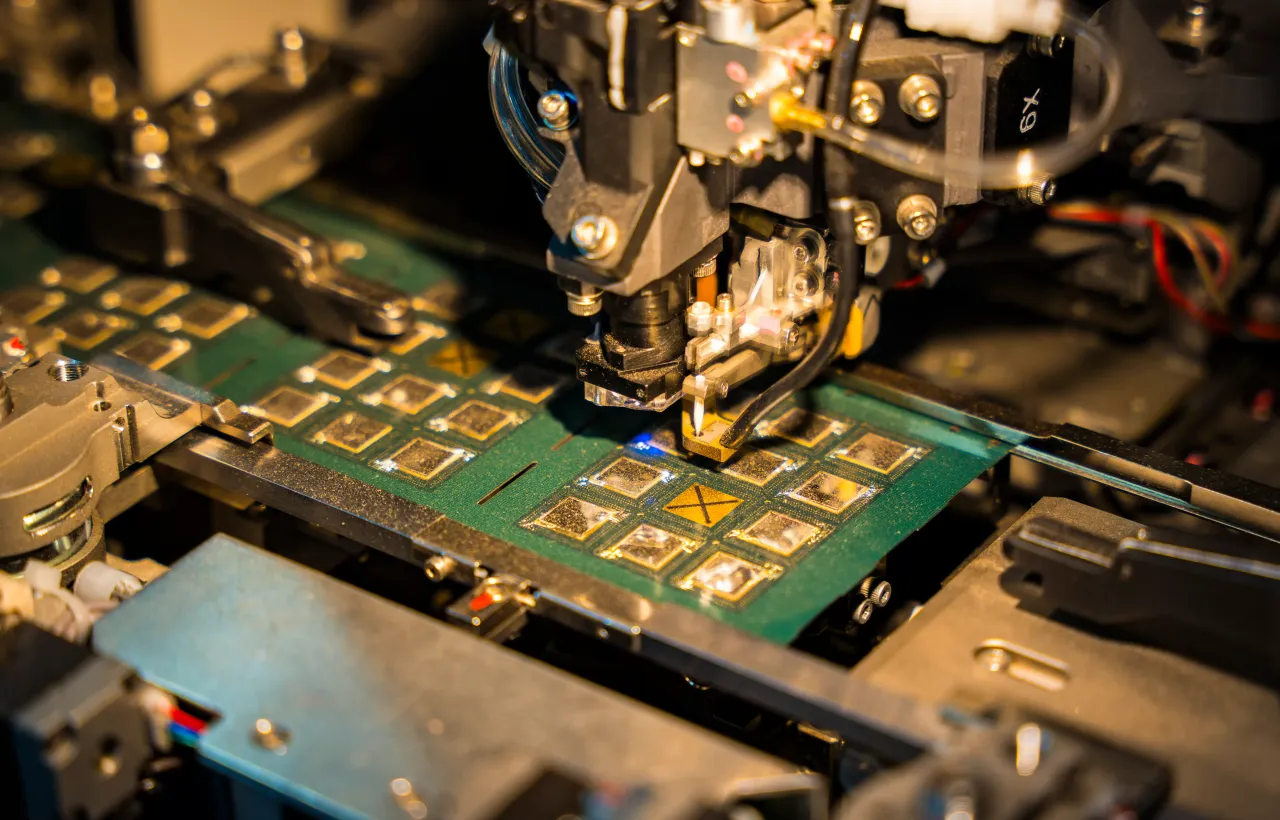
Chip Stocks Surge with Broadcom Leading the Charge


- Semiconductor Rebound: The iShares Semiconductor ETF (SOXX) is on track for its best month since 2001, driven by significant gains from Marvell and Intel, both surging approximately 49% this month, reflecting strong market confidence in the semiconductor sector.
- Broadcom's Edge: Broadcom's expanded partnership with Google to produce AI chips through 2031 has led analysts to adopt a more bullish outlook, as significant collaborations with major hyperscalers are expected to drive future growth in AI and data centers.
- Intel's Recovery: Intel's stock has rallied amid a shift in AI narratives and deal momentum, with expectations for its upcoming earnings report to show $122.43 billion in revenue, down 2% year-over-year, yet optimism surrounding its turnaround efforts is growing in the market.
- AMD's Growth Potential: AMD is projected to report $9.87 billion in revenue on May 5, a 38% increase year-over-year, with analysts maintaining a positive outlook on its growth potential, particularly in AI-driven data center spending.
See More

Broadcom and Meta Deepen Partnership to Advance AI Chip Development


- Partnership Expansion: Broadcom and Meta have extended their multi-year partnership through 2029 to co-develop custom AI silicon, which is expected to significantly enhance Meta's data center infrastructure efficiency, thereby strengthening its competitive position in social media and generative AI.
- Technological Innovation: Under the agreement, Meta will utilize Broadcom's XPU platform to build the industry's first 2-nanometer AI compute accelerators aimed at achieving its 'personal superintelligence' goals, which not only reduces reliance on expensive third-party GPUs but also optimizes hardware for specific workload requirements.
- Market Potential: This collaboration marks a pivotal shift for Broadcom as it transitions into the custom AI chip market, projected to generate multi-billion dollar revenues, providing investors with predictable revenue streams as the AI revolution moves from the experimental phase to infrastructure development.
- ETF Investment Opportunities: Investors can mitigate risks and capture collective growth in AI technology by focusing on tech ETFs related to Broadcom and Meta, such as IGM, QQQ, and AIQ, especially given the current market volatility surrounding individual stocks.
See More

Micron Technology: Potential in the AI Memory Market

- Surging AI Memory Demand: Accelerating investments in AI infrastructure are fueling explosive demand for DRAM and NAND chips, with the HBM market expected to reach $100 billion by 2028, highlighting Micron's unique positioning in this sector.
- Enhanced Financial Flexibility: By cleaning up its balance sheet, Micron has stabilized cash flow, reducing reliance on heavy borrowing or issuing new shares, which allows for continued investment in new manufacturing capabilities and strengthens its market competitiveness.
- Diverse Customer Base: Micron's marquee customers include tech giants like Nvidia, along with steady consumer buyers in automotive, manufacturing, and consumer electronics, providing a cushion against volatility in any single market segment.
- Industry Cycle Risks: While Micron has a promising outlook in the AI memory market, vigilance is required regarding cyclical fluctuations and potential economic slowdowns, as an influx of competitors could lead to price declines and impact profit margins.
See More

Nasdaq Correction Hits AI Chip Stocks, Micron Positioned for Rebound
- Growing Market Demand: As the AI revolution progresses, Micron's high-bandwidth memory (HBM) market is projected to exceed $100 billion by 2028, indicating strong growth potential, particularly amid surging demand for AI infrastructure.
- Improved Financial Health: By cleaning up its balance sheet and generating steady cash flow, Micron has reduced reliance on new share issuance and heavy borrowing, enhancing its investment flexibility in new manufacturing capabilities, which is expected to drive future sales and profit growth.
- Diverse Customer Base: Micron's marquee customers include major tech firms like Nvidia, along with stable consumer buyers in automotive, manufacturing, and consumer electronics, providing a cushion against risks associated with fluctuations in any single market.
- Industry Risk Warning: Despite Micron's competitive edge in the AI memory market, the cyclical nature of the industry and macroeconomic uncertainties remain, as any production delays or demand pullbacks could pressure its margins.
See More

Stock Markets Decline Amid Soaring Oil Prices and Geopolitical Tensions


- Oil Price Surge Impacts Markets: The S&P 500 index fell 0.24%, the Dow Jones Industrial Average dropped 0.01%, and the Nasdaq 100 index declined 0.31% on Monday as WTI crude prices surged over 6%, indicating market sensitivity to rising energy costs amid geopolitical tensions.
- Geopolitical Risks Escalate: The closure of the Strait of Hormuz by Iran has raised market concerns, especially following U.S. Navy actions against Iranian tankers, which could exacerbate global oil and fuel shortages, further unsettling investor sentiment.
- Earnings Season Continues: So far, 81% of the 48 S&P 500 companies that reported earnings exceeded expectations, with Q1 earnings projected to rise 12% year-over-year; however, excluding the tech sector, growth is only expected at 3%, highlighting signs of economic weakness.
- Airline Stocks Under Pressure: Airline stocks retreated as rising oil prices weighed on profits, with American Airlines and Alaska Air both down over 4%, reflecting the direct impact of fuel costs on company earnings and potential downward revisions in future profit expectations.
See More
Latest Stock Updates from Analyst Blog
- Broadcom's Strong Growth: Broadcom's shares have risen 19.1% over the past six months, lagging behind the semiconductor industry's 27.3% growth, driven by robust demand for AI semiconductors and successful VMware integration, with Q2 fiscal 2026 AI revenues expected to surge 140% year-over-year to $10.7 billion.
- JPMorgan's Steady Performance: JPMorgan's stock has gained 5.5% in the last six months, below the investment banking industry's 8.6% increase, although its Q1 results showed solid revenue momentum, with 2026 tech spending projected at $19.8 billion despite pressure from declining interest rates.
- Cisco's Market Advantage: Cisco's shares have increased by 23.3% over the past six months, outperforming the computer networking industry's 22.6% growth, benefiting from strong product orders from hyperscalers, with AI infrastructure revenue expected to exceed $3 billion in fiscal 2026, despite intensifying competition.
- CompX International's Stable Performance: CompX International's stock has risen 2.6% over the past six months, outperforming the office supplies industry's -7.8% average, supported by stable demand in government and industrial sectors, although facing inflationary pressures and rising inventory levels.
See More
Chip Stocks Surge with Broadcom Leading the Charge
- Semiconductor Rebound: The iShares Semiconductor ETF (SOXX) is on track for its best month since 2001, driven by significant gains from Marvell and Intel, both surging approximately 49% this month, reflecting strong market confidence in the semiconductor sector.
- Broadcom's Edge: Broadcom's expanded partnership with Google to produce AI chips through 2031 has led analysts to adopt a more bullish outlook, as significant collaborations with major hyperscalers are expected to drive future growth in AI and data centers.
- Intel's Recovery: Intel's stock has rallied amid a shift in AI narratives and deal momentum, with expectations for its upcoming earnings report to show $122.43 billion in revenue, down 2% year-over-year, yet optimism surrounding its turnaround efforts is growing in the market.
- AMD's Growth Potential: AMD is projected to report $9.87 billion in revenue on May 5, a 38% increase year-over-year, with analysts maintaining a positive outlook on its growth potential, particularly in AI-driven data center spending.
See More
Broadcom and Meta Deepen Partnership to Advance AI Chip Development
- Partnership Expansion: Broadcom and Meta have extended their multi-year partnership through 2029 to co-develop custom AI silicon, which is expected to significantly enhance Meta's data center infrastructure efficiency, thereby strengthening its competitive position in social media and generative AI.
- Technological Innovation: Under the agreement, Meta will utilize Broadcom's XPU platform to build the industry's first 2-nanometer AI compute accelerators aimed at achieving its 'personal superintelligence' goals, which not only reduces reliance on expensive third-party GPUs but also optimizes hardware for specific workload requirements.
- Market Potential: This collaboration marks a pivotal shift for Broadcom as it transitions into the custom AI chip market, projected to generate multi-billion dollar revenues, providing investors with predictable revenue streams as the AI revolution moves from the experimental phase to infrastructure development.
- ETF Investment Opportunities: Investors can mitigate risks and capture collective growth in AI technology by focusing on tech ETFs related to Broadcom and Meta, such as IGM, QQQ, and AIQ, especially given the current market volatility surrounding individual stocks.
See More
Micron Technology: Potential in the AI Memory Market
- Surging AI Memory Demand: Accelerating investments in AI infrastructure are fueling explosive demand for DRAM and NAND chips, with the HBM market expected to reach $100 billion by 2028, highlighting Micron's unique positioning in this sector.
- Enhanced Financial Flexibility: By cleaning up its balance sheet, Micron has stabilized cash flow, reducing reliance on heavy borrowing or issuing new shares, which allows for continued investment in new manufacturing capabilities and strengthens its market competitiveness.
- Diverse Customer Base: Micron's marquee customers include tech giants like Nvidia, along with steady consumer buyers in automotive, manufacturing, and consumer electronics, providing a cushion against volatility in any single market segment.
- Industry Cycle Risks: While Micron has a promising outlook in the AI memory market, vigilance is required regarding cyclical fluctuations and potential economic slowdowns, as an influx of competitors could lead to price declines and impact profit margins.
See More
Nasdaq Correction Hits AI Chip Stocks, Micron Positioned for Rebound
- Growing Market Demand: As the AI revolution progresses, Micron's high-bandwidth memory (HBM) market is projected to exceed $100 billion by 2028, indicating strong growth potential, particularly amid surging demand for AI infrastructure.
- Improved Financial Health: By cleaning up its balance sheet and generating steady cash flow, Micron has reduced reliance on new share issuance and heavy borrowing, enhancing its investment flexibility in new manufacturing capabilities, which is expected to drive future sales and profit growth.
- Diverse Customer Base: Micron's marquee customers include major tech firms like Nvidia, along with stable consumer buyers in automotive, manufacturing, and consumer electronics, providing a cushion against risks associated with fluctuations in any single market.
- Industry Risk Warning: Despite Micron's competitive edge in the AI memory market, the cyclical nature of the industry and macroeconomic uncertainties remain, as any production delays or demand pullbacks could pressure its margins.
See More
Stock Markets Decline Amid Soaring Oil Prices and Geopolitical Tensions
- Oil Price Surge Impacts Markets: The S&P 500 index fell 0.24%, the Dow Jones Industrial Average dropped 0.01%, and the Nasdaq 100 index declined 0.31% on Monday as WTI crude prices surged over 6%, indicating market sensitivity to rising energy costs amid geopolitical tensions.
- Geopolitical Risks Escalate: The closure of the Strait of Hormuz by Iran has raised market concerns, especially following U.S. Navy actions against Iranian tankers, which could exacerbate global oil and fuel shortages, further unsettling investor sentiment.
- Earnings Season Continues: So far, 81% of the 48 S&P 500 companies that reported earnings exceeded expectations, with Q1 earnings projected to rise 12% year-over-year; however, excluding the tech sector, growth is only expected at 3%, highlighting signs of economic weakness.
- Airline Stocks Under Pressure: Airline stocks retreated as rising oil prices weighed on profits, with American Airlines and Alaska Air both down over 4%, reflecting the direct impact of fuel costs on company earnings and potential downward revisions in future profit expectations.
See More