Target Stock Shows Promising Recovery Outlook
Written by Emily J. Thompson, Senior Investment Analyst
Updated: 2 hours ago
0mins
Should l Buy TGT?
Source: CNBC
- Macro Environment Improvement: The March PPI report indicates that producer inflation rose less than expected, primarily driven by energy prices, while services remained unchanged and core goods (excluding food and energy) increased by only 0.2%, suggesting that inflation pressure is concentrated in energy, which supports consumer spending and margin stability.
- Sales and Margin Recovery Plan: Target's management has outlined a 2026 plan focused on sales stabilization and margin recovery; despite current sales growth lagging behind the industry, the company's net margin of approximately 3.5% exceeds the industry average of about 3.0%, providing room for future margin improvement.
- Relative Strength Performance: Over the past three months, Target's stock has outperformed the S&P 500 by 18.5%, indicating strong institutional accumulation and growing market confidence in its future fundamentals, as the stock's chart no longer appears broken.
- Options Trading Strategy: A bullish view can be expressed by considering the purchase of a June 18, 2026 $115/$135 call vertical spread, with a maximum risk of $764 per contract and a maximum reward of $1,236; if oil-driven inflation pressures continue to ease, Target's reasonable valuation and improving relative strength make it an attractive bullish setup.
Trade with 70% Backtested Accuracy
Stop guessing "Should I Buy TGT?" and start using high-conviction signals backed by rigorous historical data.
Sign up today to access powerful investing tools and make smarter, data-driven decisions.
Analyst Views on TGT
Wall Street analysts forecast TGT stock price to fall
26 Analyst Rating
8 Buy
14 Hold
4 Sell
Hold
Current: 132.100

Low
80.00
Averages
98.83
High
126.00
Current: 132.100
Low
80.00
Averages
98.83
High
126.00
About TGT
Target Corporation is a general merchandise retailer selling products to its guests through its stores and digital channels. The Company offers customers, referred to as guests, everyday essentials and fashionable, differentiated merchandise at discounted prices. The majority of its stores offer a wide assortment of general merchandise and food. Its merchandise categories include apparel and accessories, beauty and household essentials, food and beverage, hardlines, and home furnishings and decor. Most of its stores are larger than 170,000 square feet, offer a variety of general merchandise and a full line of food items comparable to traditional supermarkets. Its digital channels include a wide merchandise and food assortment, including many items found in its stores, along with a complementary assortment sold by the Company and third parties. Its brands include A New Day, Ava & Viv, Cloud Island, Favorite Day, and others. It serves guests at nearly 2,000 stores and at Target.com.
About the author

Emily J. Thompson
Emily J. Thompson, a Chartered Financial Analyst (CFA) with 12 years in investment research, graduated with honors from the Wharton School. Specializing in industrial and technology stocks, she provides in-depth analysis for Intellectia’s earnings and market brief reports.
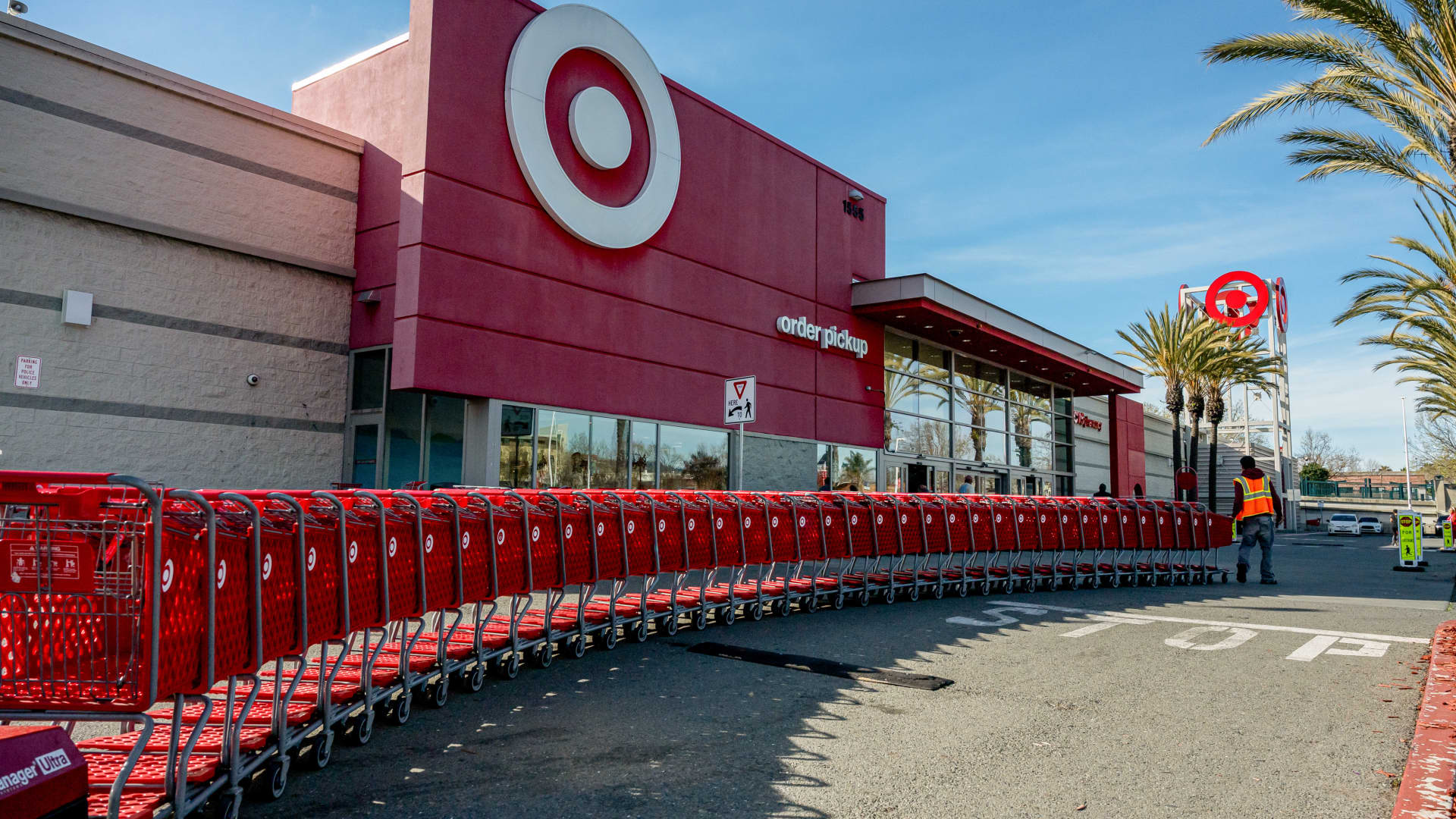
Target Stock Shows Promising Recovery Outlook

- Macro Environment Improvement: The March PPI report indicates that producer inflation rose less than expected, primarily driven by energy prices, while services remained unchanged and core goods (excluding food and energy) increased by only 0.2%, suggesting that inflation pressure is concentrated in energy, which supports consumer spending and margin stability.
- Sales and Margin Recovery Plan: Target's management has outlined a 2026 plan focused on sales stabilization and margin recovery; despite current sales growth lagging behind the industry, the company's net margin of approximately 3.5% exceeds the industry average of about 3.0%, providing room for future margin improvement.
- Relative Strength Performance: Over the past three months, Target's stock has outperformed the S&P 500 by 18.5%, indicating strong institutional accumulation and growing market confidence in its future fundamentals, as the stock's chart no longer appears broken.
- Options Trading Strategy: A bullish view can be expressed by considering the purchase of a June 18, 2026 $115/$135 call vertical spread, with a maximum risk of $764 per contract and a maximum reward of $1,236; if oil-driven inflation pressures continue to ease, Target's reasonable valuation and improving relative strength make it an attractive bullish setup.
See More

Conagra Brands Faces Challenges as Stock Plummets 42%
- Declining Dividend Appeal: Conagra Brands boasts a 9.4% dividend yield, yet the stock's 42% drop over the past year significantly diminishes its attractiveness, highlighting severe financial challenges the company faces.
- Revenue Decline: Conagra has experienced a revenue decline for the third consecutive fiscal year, with operating profits sliding substantially over the last two years, indicating vulnerability in market competition that could impact future shareholder returns.
- Diverging Market Reactions: In stark contrast, Target's stock has surged 35% under new CEO leadership, reflecting market confidence in its turnaround strategy and changing consumer preferences towards the brand.
- Increased Industry Pressures: Conagra is struggling with competition from GLP-1 weight loss drugs, leading to decreased consumer demand for its products, while Target demonstrates stronger market adaptability through consistent dividend growth and a reasonable payout ratio.
See More

Conagra Brands Faces Significant Challenges Amid Declining Revenue
- Declining Dividend Appeal: While Conagra Brands boasts a 9.4% dividend yield, its stock has plummeted 42% over the past year, significantly diminishing the attractiveness of this high-yield stock, prompting investors to reassess its long-term value.
- Revenue Decline: Conagra has experienced a third consecutive fiscal year of declining revenue, with operating profit sliding substantially for the second year, indicating vulnerability in market competition that could impact future shareholder returns.
- Competitive Market Pressures: The impact of GLP-1 weight loss drugs has reduced consumer demand for Conagra's products, further straining sales, while Target has shown strong performance during its turnaround, with a 35% stock price increase.
- Insufficient Dividend Coverage: Conagra is expected to pay $1.40 per share in dividends, but analysts predict earnings of only $1.70 per share, raising concerns about its ability to sustain payouts, whereas Target maintains a healthier 58% payout ratio, reflecting stronger financial stability.
See More
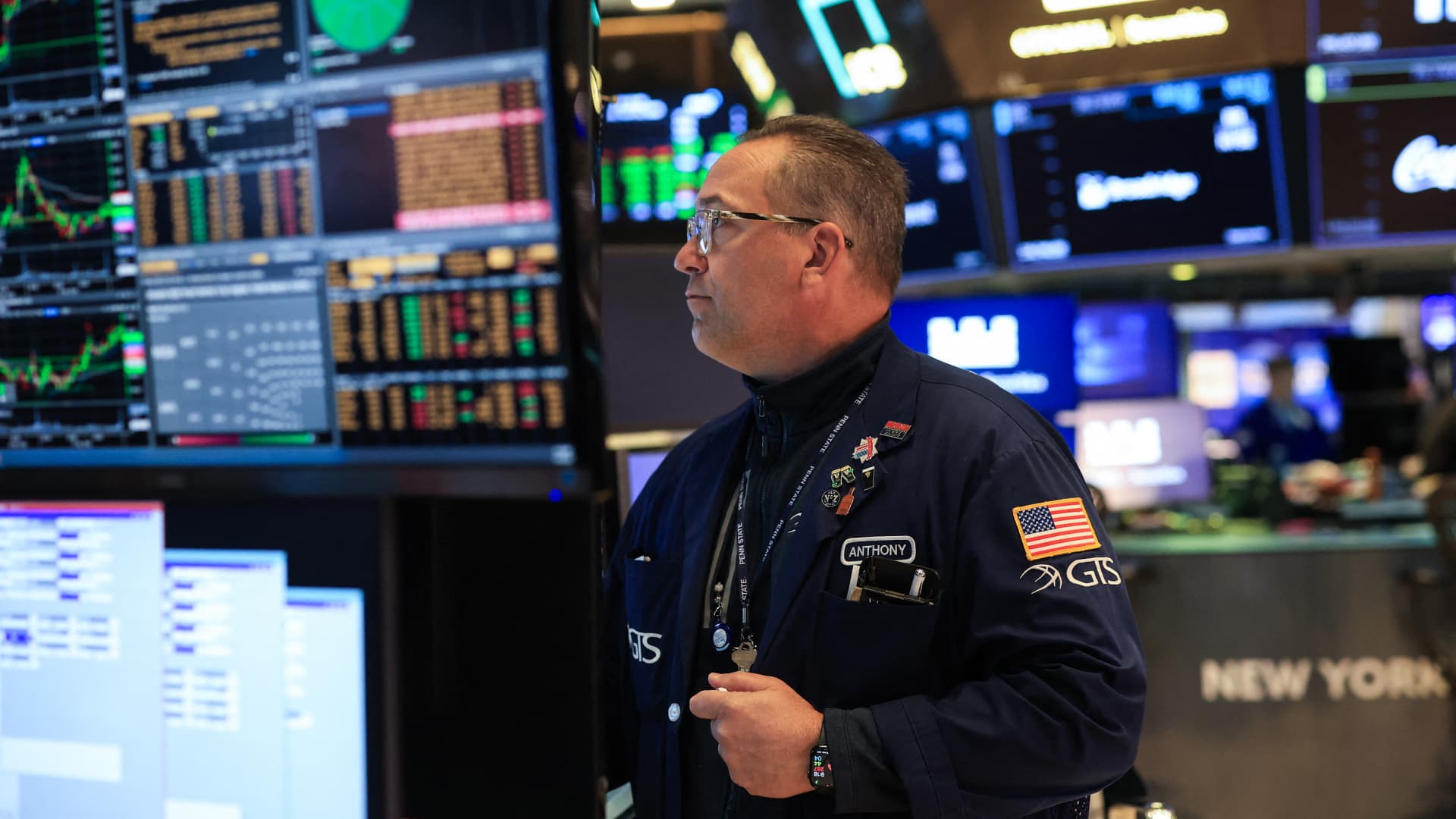
Jefferies Advises Investors to Focus on High Dividend Stocks Amid Market Volatility

- Market Volatility Impact: The S&P 500 index dropped nearly 8% from March 2 to March 30 due to geopolitical tensions, but recent ceasefire talks have restored it to early-year levels, highlighting the market's high volatility and shifting investor sentiment.
- Jefferies Investment Advice: Jefferies recommends investors focus on 'income darlings' stocks, which possess strong fundamentals and stable dividend returns, averaging a 4.3% yield, providing a cushion for investors in uncertain economic conditions.
- Target Company Performance: Jefferies highlights Target as a recommended stock, with a 3.50% dividend yield and a 50-year history of consecutive dividend increases, indicating robust profitability and stable cash flow.
- Regional Bank Outlook: Jefferies analyst notes an optimistic outlook for Zions Bancorp, expecting net interest income to grow 4-6% over the next 12 months, with a current dividend yield of 2.85%, offering good return potential for investors.
See More
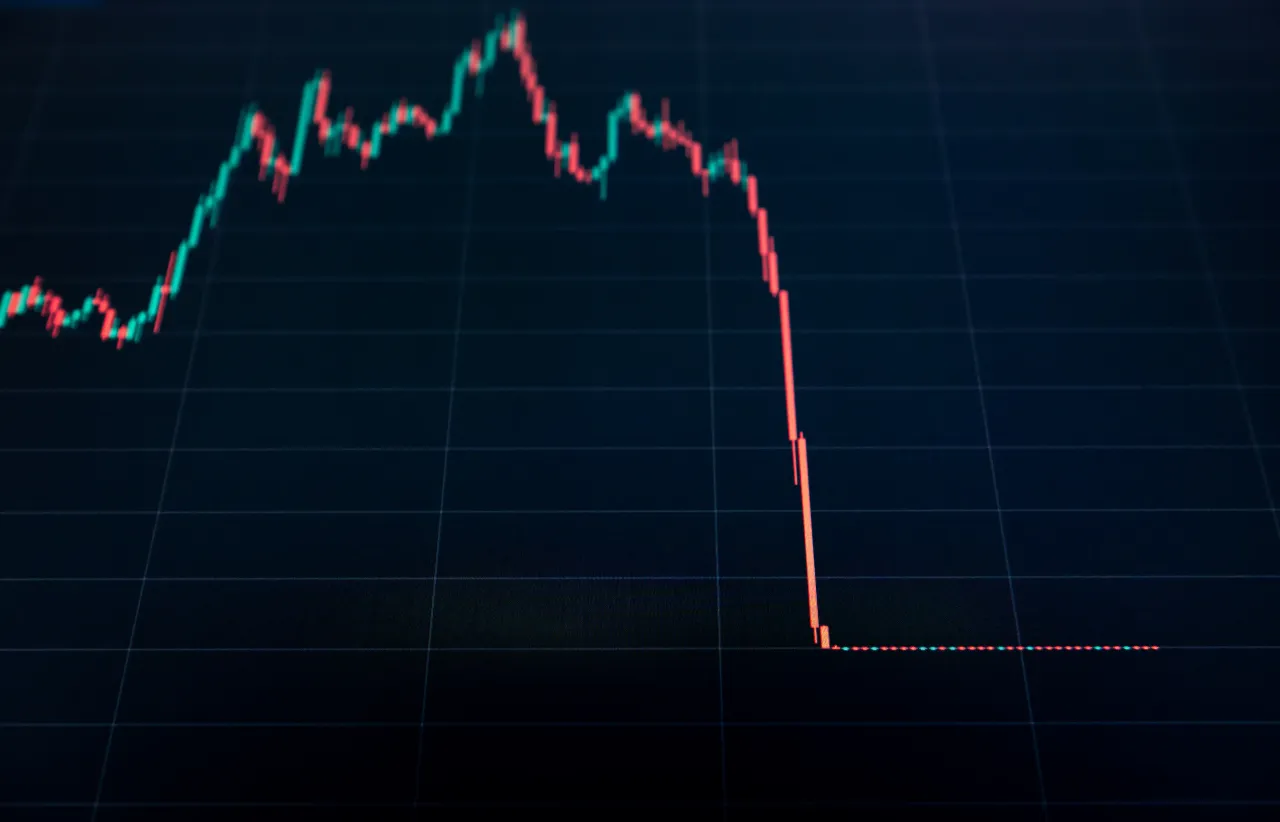
Edible Garden Partners with Target to Boost Revenue and Visibility

- New Distribution Agreement: Edible Garden signed a new distribution deal with Target, with shipments expected to start in May 2026; however, the announcement failed to lift market sentiment, resulting in a nearly 20% stock crash to a record low, indicating investor concerns about the company's outlook.
- Stock Price Decline: So far in April, Edible Garden's stock has declined by 34%, with a cumulative drop of over 87% in 2026, reflecting a lack of confidence among investors regarding the company's growth potential.
- Iowa Facility Redevelopment: The company plans to redevelop a former facility in Iowa into a large-scale ready-to-drink beverage production hub, backed by a $2.7 million incentive from the Iowa Economic Development Authority, with an expected annual output of over 100 million units, aiding in revenue diversification.
- Positive Market Sentiment: Despite the sharp stock decline, retail traders on Stocktwits shifted to an 'extremely bullish' sentiment, with message volumes surging, indicating optimism about the company's future potential.
See More
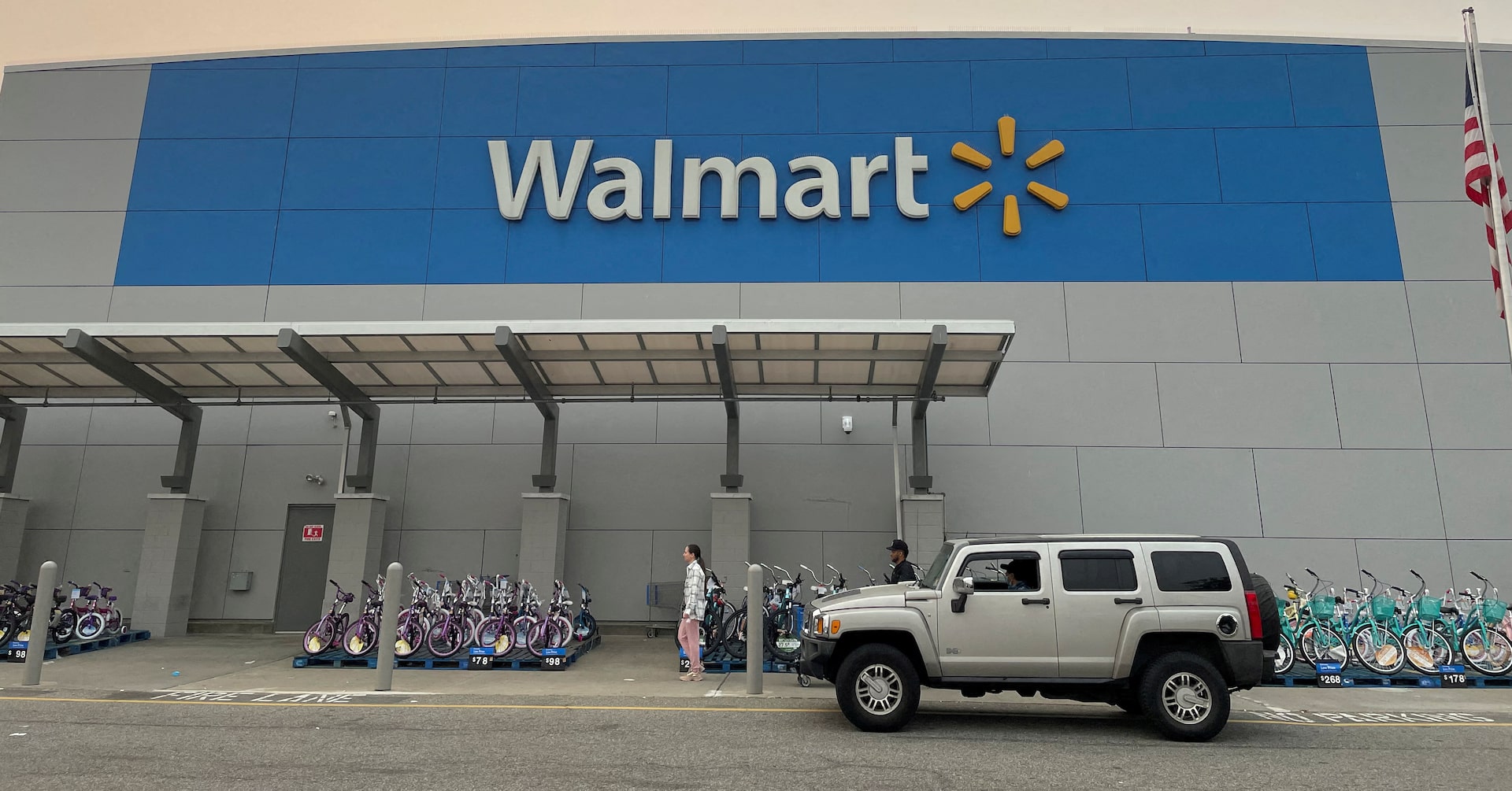
Major Refunds for U.S. Importers Following Supreme Court Ruling

- Massive Refunds: The Supreme Court's ruling mandates the federal government to refund approximately $166 billion in tariffs, which will significantly enhance the financial positions of blue-chip retailers heavily reliant on imports, potentially boosting their stock prices.
- Walmart's Major Benefit: Walmart is set to receive about $10.2 billion in refunds, a substantial amount that, while modest compared to its $713 billion revenue, will have a significant impact on its adjusted operating income of approximately $8.7 billion.
- Refunds for Other Retailers: Target is expected to receive $2.2 billion, Nike around $1 billion, and Kohl's and Home Depot are projected to get $550 million and $540 million respectively, providing these companies with a financial cushion for future growth.
- Legal Risks Ahead: While the refunds are positive news for retailers and their shareholders, the fact that many passed tariff costs onto consumers may lead to lawsuits, posing risks to their brand reputation and future profitability.
See More
Target Stock Shows Promising Recovery Outlook
- Macro Environment Improvement: The March PPI report indicates that producer inflation rose less than expected, primarily driven by energy prices, while services remained unchanged and core goods (excluding food and energy) increased by only 0.2%, suggesting that inflation pressure is concentrated in energy, which supports consumer spending and margin stability.
- Sales and Margin Recovery Plan: Target's management has outlined a 2026 plan focused on sales stabilization and margin recovery; despite current sales growth lagging behind the industry, the company's net margin of approximately 3.5% exceeds the industry average of about 3.0%, providing room for future margin improvement.
- Relative Strength Performance: Over the past three months, Target's stock has outperformed the S&P 500 by 18.5%, indicating strong institutional accumulation and growing market confidence in its future fundamentals, as the stock's chart no longer appears broken.
- Options Trading Strategy: A bullish view can be expressed by considering the purchase of a June 18, 2026 $115/$135 call vertical spread, with a maximum risk of $764 per contract and a maximum reward of $1,236; if oil-driven inflation pressures continue to ease, Target's reasonable valuation and improving relative strength make it an attractive bullish setup.
See More
Conagra Brands Faces Challenges as Stock Plummets 42%
- Declining Dividend Appeal: Conagra Brands boasts a 9.4% dividend yield, yet the stock's 42% drop over the past year significantly diminishes its attractiveness, highlighting severe financial challenges the company faces.
- Revenue Decline: Conagra has experienced a revenue decline for the third consecutive fiscal year, with operating profits sliding substantially over the last two years, indicating vulnerability in market competition that could impact future shareholder returns.
- Diverging Market Reactions: In stark contrast, Target's stock has surged 35% under new CEO leadership, reflecting market confidence in its turnaround strategy and changing consumer preferences towards the brand.
- Increased Industry Pressures: Conagra is struggling with competition from GLP-1 weight loss drugs, leading to decreased consumer demand for its products, while Target demonstrates stronger market adaptability through consistent dividend growth and a reasonable payout ratio.
See More
Conagra Brands Faces Significant Challenges Amid Declining Revenue
- Declining Dividend Appeal: While Conagra Brands boasts a 9.4% dividend yield, its stock has plummeted 42% over the past year, significantly diminishing the attractiveness of this high-yield stock, prompting investors to reassess its long-term value.
- Revenue Decline: Conagra has experienced a third consecutive fiscal year of declining revenue, with operating profit sliding substantially for the second year, indicating vulnerability in market competition that could impact future shareholder returns.
- Competitive Market Pressures: The impact of GLP-1 weight loss drugs has reduced consumer demand for Conagra's products, further straining sales, while Target has shown strong performance during its turnaround, with a 35% stock price increase.
- Insufficient Dividend Coverage: Conagra is expected to pay $1.40 per share in dividends, but analysts predict earnings of only $1.70 per share, raising concerns about its ability to sustain payouts, whereas Target maintains a healthier 58% payout ratio, reflecting stronger financial stability.
See More
Jefferies Advises Investors to Focus on High Dividend Stocks Amid Market Volatility
- Market Volatility Impact: The S&P 500 index dropped nearly 8% from March 2 to March 30 due to geopolitical tensions, but recent ceasefire talks have restored it to early-year levels, highlighting the market's high volatility and shifting investor sentiment.
- Jefferies Investment Advice: Jefferies recommends investors focus on 'income darlings' stocks, which possess strong fundamentals and stable dividend returns, averaging a 4.3% yield, providing a cushion for investors in uncertain economic conditions.
- Target Company Performance: Jefferies highlights Target as a recommended stock, with a 3.50% dividend yield and a 50-year history of consecutive dividend increases, indicating robust profitability and stable cash flow.
- Regional Bank Outlook: Jefferies analyst notes an optimistic outlook for Zions Bancorp, expecting net interest income to grow 4-6% over the next 12 months, with a current dividend yield of 2.85%, offering good return potential for investors.
See More
Edible Garden Partners with Target to Boost Revenue and Visibility
- New Distribution Agreement: Edible Garden signed a new distribution deal with Target, with shipments expected to start in May 2026; however, the announcement failed to lift market sentiment, resulting in a nearly 20% stock crash to a record low, indicating investor concerns about the company's outlook.
- Stock Price Decline: So far in April, Edible Garden's stock has declined by 34%, with a cumulative drop of over 87% in 2026, reflecting a lack of confidence among investors regarding the company's growth potential.
- Iowa Facility Redevelopment: The company plans to redevelop a former facility in Iowa into a large-scale ready-to-drink beverage production hub, backed by a $2.7 million incentive from the Iowa Economic Development Authority, with an expected annual output of over 100 million units, aiding in revenue diversification.
- Positive Market Sentiment: Despite the sharp stock decline, retail traders on Stocktwits shifted to an 'extremely bullish' sentiment, with message volumes surging, indicating optimism about the company's future potential.
See More
Major Refunds for U.S. Importers Following Supreme Court Ruling
- Massive Refunds: The Supreme Court's ruling mandates the federal government to refund approximately $166 billion in tariffs, which will significantly enhance the financial positions of blue-chip retailers heavily reliant on imports, potentially boosting their stock prices.
- Walmart's Major Benefit: Walmart is set to receive about $10.2 billion in refunds, a substantial amount that, while modest compared to its $713 billion revenue, will have a significant impact on its adjusted operating income of approximately $8.7 billion.
- Refunds for Other Retailers: Target is expected to receive $2.2 billion, Nike around $1 billion, and Kohl's and Home Depot are projected to get $550 million and $540 million respectively, providing these companies with a financial cushion for future growth.
- Legal Risks Ahead: While the refunds are positive news for retailers and their shareholders, the fact that many passed tariff costs onto consumers may lead to lawsuits, posing risks to their brand reputation and future profitability.
See More