Taiwan Semiconductor: Dominating the Global Semiconductor Industry
Written by Emily J. Thompson, Senior Investment Analyst
Updated: 2 days ago
0mins

Should l Buy TSM?
Source: NASDAQ.COM
- Market Leadership: Taiwan Semiconductor holds a commanding 72% share of the global pure-play foundry chip market, underscoring its dominance in the semiconductor industry, with projections for continued rapid growth, particularly as AI technology becomes more prevalent.
- Strong Financial Performance: In 2025, Taiwan Semiconductor's revenue reached $122.4 billion, a 35.9% increase year-over-year, with diluted earnings per share (EPS) growing by 46.4%, indicating robust profitability and market demand, with a projected 30% revenue growth for 2026.
- Global Expansion Plans: The company is expanding its factory in Arizona and plans to increase manufacturing capabilities in Japan and Germany, which not only enhances its global supply chain resilience but also prepares for future market demand growth.
- Critical Role in AI Industry: With Microsoft predicting that 95% of its code will be generated by AI by 2030, Taiwan Semiconductor, as a key chip manufacturer, will play a vital role in meeting this demand, further solidifying its central position in the global tech industry.
Trade with 70% Backtested Accuracy
Stop guessing "Should I Buy TSM?" and start using high-conviction signals backed by rigorous historical data.
Sign up today to access powerful investing tools and make smarter, data-driven decisions.
Analyst Views on TSM
Wall Street analysts forecast TSM stock price to fall
8 Analyst Rating
7 Buy
1 Hold
0 Sell
Strong Buy
Current: 338.310

Low
63.24
Averages
313.46
High
390.00
Current: 338.310
Low
63.24
Averages
313.46
High
390.00
About TSM
Taiwan Semiconductor Manufacturing Co Ltd is a Taiwan-based integrated circuit foundry service provider. The Company is primarily engaged in integrated circuit manufacturing services. It offers advanced process technologies, specialised process solutions, advanced photomask and silicon stacking, and packaging-related technologies, while supporting a comprehensive design ecosystem. The Company's products serve diverse electronic sectors including artificial intelligence, high-performance computing, wired and wireless communications, automotive and industrial equipment, personal computing, information applications, consumer electronics, smart internet of things, and wearable devices.
About the author

Emily J. Thompson
Emily J. Thompson, a Chartered Financial Analyst (CFA) with 12 years in investment research, graduated with honors from the Wharton School. Specializing in industrial and technology stocks, she provides in-depth analysis for Intellectia’s earnings and market brief reports.
Taiwan Semiconductor: A Clear Winner in AI

- Market Leadership: Taiwan Semiconductor is positioned as a leader in chip manufacturing, becoming a key supplier in the AI industry, with its AI chip revenue expected to grow at nearly a 60% compound annual growth rate from 2024 to 2029, indicating strong market demand and growth potential.
- Investment Opportunity: Although TSMC's price-to-earnings ratio stands at 25 times, making it no longer a bargain, investors can still view this as a fair price given its anticipated growth, especially against the backdrop of rising AI spending.
- Industry Spending Forecast: McKinsey estimates that cumulative spending to build out AI demand will reach $7 trillion by 2030, while Nvidia predicts data center capital expenditures will hit $3 trillion to $4 trillion by 2030, providing TSMC with significant market opportunities.
- Technological Advantage: TSMC is regarded as the most advanced chip manufacturer globally, and its technological edge positions it as a primary chip supplier for companies like Nvidia, AMD, and Broadcom, further solidifying its market position in AI.
See More
Micron Surpasses TSMC as New Chip Investment Darling

- Price Performance Comparison: Since 2023, TSMC's stock has risen nearly 400%, while Micron has surged over 700%, indicating Micron's strong performance in the AI race, which may attract more investor interest in its future growth potential.
- Market Demand Discrepancy: Micron's memory chip market is experiencing rapid growth with skyrocketing prices due to supply shortages, creating two separate growth catalysts, while TSMC faces only increasing demand, potentially leading to an imbalance in future growth.
- Valuation Analysis: Although Micron appears more attractive at first glance due to its lower stock price, the cyclical nature of its industry leads the market to price it at a discount, reflecting inherent risks that investors need to carefully assess.
- Investment Strategy Choice: For investors seeking short-term gains, Micron may be the better pick, but they must be prepared for fluctuations in the memory market; conversely, for long-term investors, TSMC's sustainable technological advantage is more appealing.
See More

Micron vs. Taiwan Semiconductor: Market Performance Comparison
- Market Performance Comparison: Since 2023, Micron's stock has surged over 700%, while Taiwan Semiconductor's has increased nearly 400%, indicating Micron's strong performance in the memory chip market, despite both companies focusing on different chip types.
- Demand and Price Fluctuations: The memory chip market is currently experiencing a supply shortage, with skyrocketing prices providing Micron with two growth catalysts, while Taiwan Semiconductor faces increasing demand without significant price hikes, suggesting this growth disparity may persist in the coming years.
- Valuation Analysis: Although Micron appears more attractive at first glance due to its stock price being half that of Taiwan Semiconductor, the cyclical nature of Micron's industry leads to market pricing its stock at a discount, complicating investment decisions.
- Investment Strategy Choices: For investors seeking short-term gains, Micron may be the better pick, but caution is needed regarding market volatility; conversely, for those preferring long-term holds, Taiwan Semiconductor offers a more appealing option due to its sustainable technological advantage.
See More
Hua Hong Group Develops Advanced AI Chip Technologies
- Technological Breakthrough: Hua Hong Group's contract chipmaking arm, Huali Microelectronics, is preparing to launch a 7-nanometer chipmaking process at its Shanghai facility, making it the second Chinese chipmaker with such advanced technology, marking a significant advancement in China's high-end chip manufacturing sector.
- Market Competition: This technological progress positions Hua Hong in direct competition with Semiconductor Manufacturing International (SMIC), the only local manufacturer currently capable of producing 7-nanometer chips, which will drive innovation and competitiveness within China's semiconductor industry.
- R&D Investment: Hua Hong plans to acquire a controlling stake in Huali and raise 7.56 billion yuan (approximately $1.10 billion) to fund technological upgrades and research, demonstrating its long-term strategic commitment to the high-end chip sector.
- Collaboration and Application: The partnership between Huawei and Hua Hong in 7-nanometer technology further supports local chip design companies like Biren, which is utilizing Huali's 7-nanometer production line for physical prototype testing of chip designs, enhancing its competitiveness in the global market.
See More

Intel's Data Center Chip Growth Appears Sustainable


- Significant Performance Growth: Intel's stock surged 126% over the past year, driven by strong performance in the data center market and aggressive cost-cutting measures, which have bolstered investor confidence and are expected to fuel future earnings growth.
- Data Center Revenue Increase: In Q4 2025, Intel's data center and AI (DCAI) revenue rose 15% sequentially, marking the fastest quarterly growth in a decade, indicating robust market demand for its chips.
- Booming ASIC Business: Intel's application-specific integrated circuit (ASIC) revenue grew 50% year-over-year in Q4 2025, reaching an annualized revenue of $1 billion, highlighting the company's significant position in the rapidly expanding AI chip market.
- Optimistic Future Outlook: By 2030, Intel's earnings per share is projected to reach $2.19, and with a current tech sector average P/E ratio of 39, its stock could rise to $85, reflecting strong growth potential and market recognition.
See More
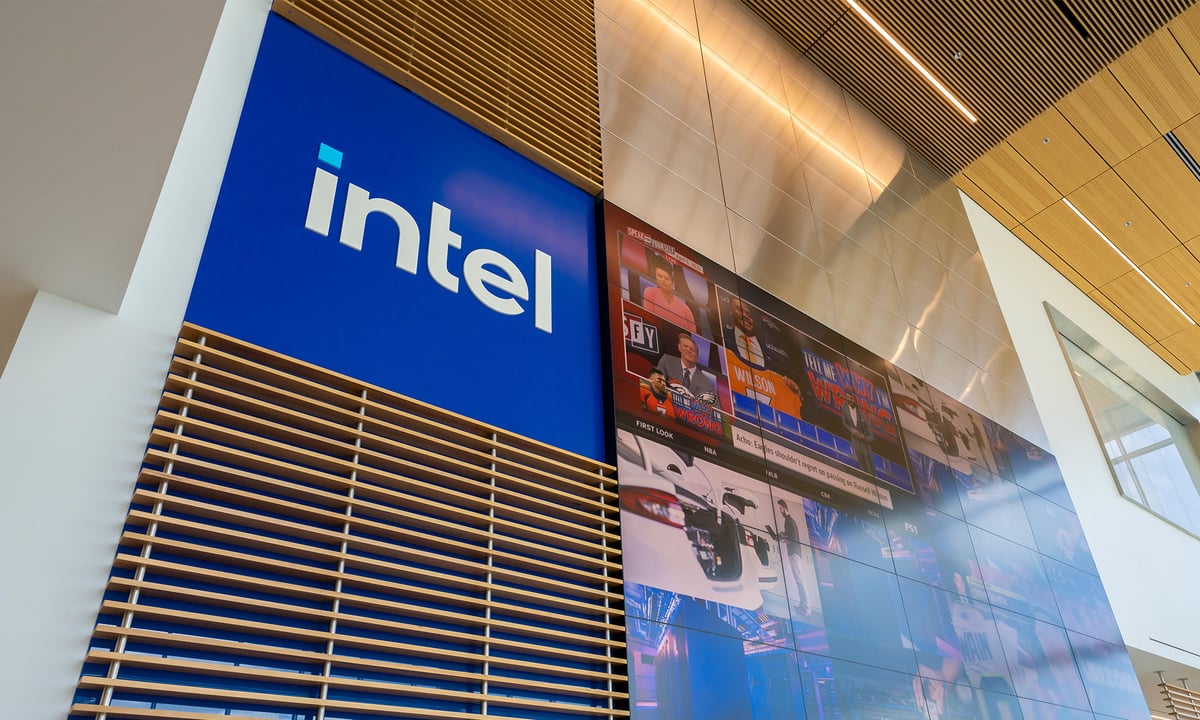
Semiconductor Sector Growth Potential
- Sector Performance: The PHLX Semiconductor Sector index has surged 164% over the past three years, reflecting strong performance driven by rapidly growing demand for chips in artificial intelligence applications, a trend expected to continue for the next five years.
- Revenue Surge Forecast: McKinsey estimates that semiconductor industry revenue will jump from $775 billion in 2024 to $1.6 trillion by 2030, indicating a significant increase in chip demand that companies like Intel are poised to benefit from.
- Intel's Recovery: Intel's stock has risen 126% over the past year, driven by CEO Tan's cost-cutting and investment scrutiny strategies, which have bolstered investor confidence and are expected to lead to substantial earnings growth in the future.
- Technological Advancements and Demand: Intel's DCAI revenue in the data center market increased by 15% sequentially in Q4 2025, while its ASIC business saw a 50% year-over-year growth, showcasing the company's strong performance in emerging markets and rapid customer demand growth.
See More
Taiwan Semiconductor: A Clear Winner in AI
- Market Leadership: Taiwan Semiconductor is positioned as a leader in chip manufacturing, becoming a key supplier in the AI industry, with its AI chip revenue expected to grow at nearly a 60% compound annual growth rate from 2024 to 2029, indicating strong market demand and growth potential.
- Investment Opportunity: Although TSMC's price-to-earnings ratio stands at 25 times, making it no longer a bargain, investors can still view this as a fair price given its anticipated growth, especially against the backdrop of rising AI spending.
- Industry Spending Forecast: McKinsey estimates that cumulative spending to build out AI demand will reach $7 trillion by 2030, while Nvidia predicts data center capital expenditures will hit $3 trillion to $4 trillion by 2030, providing TSMC with significant market opportunities.
- Technological Advantage: TSMC is regarded as the most advanced chip manufacturer globally, and its technological edge positions it as a primary chip supplier for companies like Nvidia, AMD, and Broadcom, further solidifying its market position in AI.
See More
Micron Surpasses TSMC as New Chip Investment Darling
- Price Performance Comparison: Since 2023, TSMC's stock has risen nearly 400%, while Micron has surged over 700%, indicating Micron's strong performance in the AI race, which may attract more investor interest in its future growth potential.
- Market Demand Discrepancy: Micron's memory chip market is experiencing rapid growth with skyrocketing prices due to supply shortages, creating two separate growth catalysts, while TSMC faces only increasing demand, potentially leading to an imbalance in future growth.
- Valuation Analysis: Although Micron appears more attractive at first glance due to its lower stock price, the cyclical nature of its industry leads the market to price it at a discount, reflecting inherent risks that investors need to carefully assess.
- Investment Strategy Choice: For investors seeking short-term gains, Micron may be the better pick, but they must be prepared for fluctuations in the memory market; conversely, for long-term investors, TSMC's sustainable technological advantage is more appealing.
See More
Micron vs. Taiwan Semiconductor: Market Performance Comparison
- Market Performance Comparison: Since 2023, Micron's stock has surged over 700%, while Taiwan Semiconductor's has increased nearly 400%, indicating Micron's strong performance in the memory chip market, despite both companies focusing on different chip types.
- Demand and Price Fluctuations: The memory chip market is currently experiencing a supply shortage, with skyrocketing prices providing Micron with two growth catalysts, while Taiwan Semiconductor faces increasing demand without significant price hikes, suggesting this growth disparity may persist in the coming years.
- Valuation Analysis: Although Micron appears more attractive at first glance due to its stock price being half that of Taiwan Semiconductor, the cyclical nature of Micron's industry leads to market pricing its stock at a discount, complicating investment decisions.
- Investment Strategy Choices: For investors seeking short-term gains, Micron may be the better pick, but caution is needed regarding market volatility; conversely, for those preferring long-term holds, Taiwan Semiconductor offers a more appealing option due to its sustainable technological advantage.
See More
Hua Hong Group Develops Advanced AI Chip Technologies
- Technological Breakthrough: Hua Hong Group's contract chipmaking arm, Huali Microelectronics, is preparing to launch a 7-nanometer chipmaking process at its Shanghai facility, making it the second Chinese chipmaker with such advanced technology, marking a significant advancement in China's high-end chip manufacturing sector.
- Market Competition: This technological progress positions Hua Hong in direct competition with Semiconductor Manufacturing International (SMIC), the only local manufacturer currently capable of producing 7-nanometer chips, which will drive innovation and competitiveness within China's semiconductor industry.
- R&D Investment: Hua Hong plans to acquire a controlling stake in Huali and raise 7.56 billion yuan (approximately $1.10 billion) to fund technological upgrades and research, demonstrating its long-term strategic commitment to the high-end chip sector.
- Collaboration and Application: The partnership between Huawei and Hua Hong in 7-nanometer technology further supports local chip design companies like Biren, which is utilizing Huali's 7-nanometer production line for physical prototype testing of chip designs, enhancing its competitiveness in the global market.
See More
Intel's Data Center Chip Growth Appears Sustainable
- Significant Performance Growth: Intel's stock surged 126% over the past year, driven by strong performance in the data center market and aggressive cost-cutting measures, which have bolstered investor confidence and are expected to fuel future earnings growth.
- Data Center Revenue Increase: In Q4 2025, Intel's data center and AI (DCAI) revenue rose 15% sequentially, marking the fastest quarterly growth in a decade, indicating robust market demand for its chips.
- Booming ASIC Business: Intel's application-specific integrated circuit (ASIC) revenue grew 50% year-over-year in Q4 2025, reaching an annualized revenue of $1 billion, highlighting the company's significant position in the rapidly expanding AI chip market.
- Optimistic Future Outlook: By 2030, Intel's earnings per share is projected to reach $2.19, and with a current tech sector average P/E ratio of 39, its stock could rise to $85, reflecting strong growth potential and market recognition.
See More
Semiconductor Sector Growth Potential
- Sector Performance: The PHLX Semiconductor Sector index has surged 164% over the past three years, reflecting strong performance driven by rapidly growing demand for chips in artificial intelligence applications, a trend expected to continue for the next five years.
- Revenue Surge Forecast: McKinsey estimates that semiconductor industry revenue will jump from $775 billion in 2024 to $1.6 trillion by 2030, indicating a significant increase in chip demand that companies like Intel are poised to benefit from.
- Intel's Recovery: Intel's stock has risen 126% over the past year, driven by CEO Tan's cost-cutting and investment scrutiny strategies, which have bolstered investor confidence and are expected to lead to substantial earnings growth in the future.
- Technological Advancements and Demand: Intel's DCAI revenue in the data center market increased by 15% sequentially in Q4 2025, while its ASIC business saw a 50% year-over-year growth, showcasing the company's strong performance in emerging markets and rapid customer demand growth.
See More