Taiwan Semiconductor: A Core Player in the Global AI Boom
Written by Emily J. Thompson, Senior Investment Analyst
Updated: Feb 24 2026
0mins


Should l Buy TSM?
Source: Fool
- Market Share Advantage: As the world's largest dedicated chip manufacturer, TSMC holds a 70% market share, and its stock has surged over 170% in the past five years amid skyrocketing AI-related demand, showcasing its strong competitive position in the industry.
- Strong Financial Performance: In Q4 2025, TSMC reported a 20.5% year-over-year net revenue growth, with gross profit up 27.2% and earnings per share soaring by 35%, indicating robust market demand that could generate $35 billion in revenue in Q1 2026.
- Long-Term Growth Outlook: TSMC's CEO C.C. Wei projected a 25% CAGR for long-term revenue growth during the 2025 earnings call, suggesting that spending from major AI clients will continue to drive the company's expansion.
- Risks and Opportunities: While TSMC faces challenges such as technology commoditization, geopolitical risks, and industry cyclicality, its $56 billion investment plan reflects confidence in future growth, and diversifying production to the U.S., Germany, and Japan will help mitigate potential risks.
Trade with 70% Backtested Accuracy
Stop guessing "Should I Buy TSM?" and start using high-conviction signals backed by rigorous historical data.
Sign up today to access powerful investing tools and make smarter, data-driven decisions.
Analyst Views on TSM
Wall Street analysts forecast TSM stock price to fall
8 Analyst Rating
7 Buy
1 Hold
0 Sell
Strong Buy
Current: 341.490

Low
63.24
Averages
313.46
High
390.00
Current: 341.490
Low
63.24
Averages
313.46
High
390.00
About TSM
Taiwan Semiconductor Manufacturing Co Ltd is a Taiwan-based integrated circuit foundry service provider. The Company is primarily engaged in integrated circuit manufacturing services. It offers advanced process technologies, specialised process solutions, advanced photomask and silicon stacking, and packaging-related technologies, while supporting a comprehensive design ecosystem. The Company's products serve diverse electronic sectors including artificial intelligence, high-performance computing, wired and wireless communications, automotive and industrial equipment, personal computing, information applications, consumer electronics, smart internet of things, and wearable devices.
About the author

Emily J. Thompson
Emily J. Thompson, a Chartered Financial Analyst (CFA) with 12 years in investment research, graduated with honors from the Wharton School. Specializing in industrial and technology stocks, she provides in-depth analysis for Intellectia’s earnings and market brief reports.
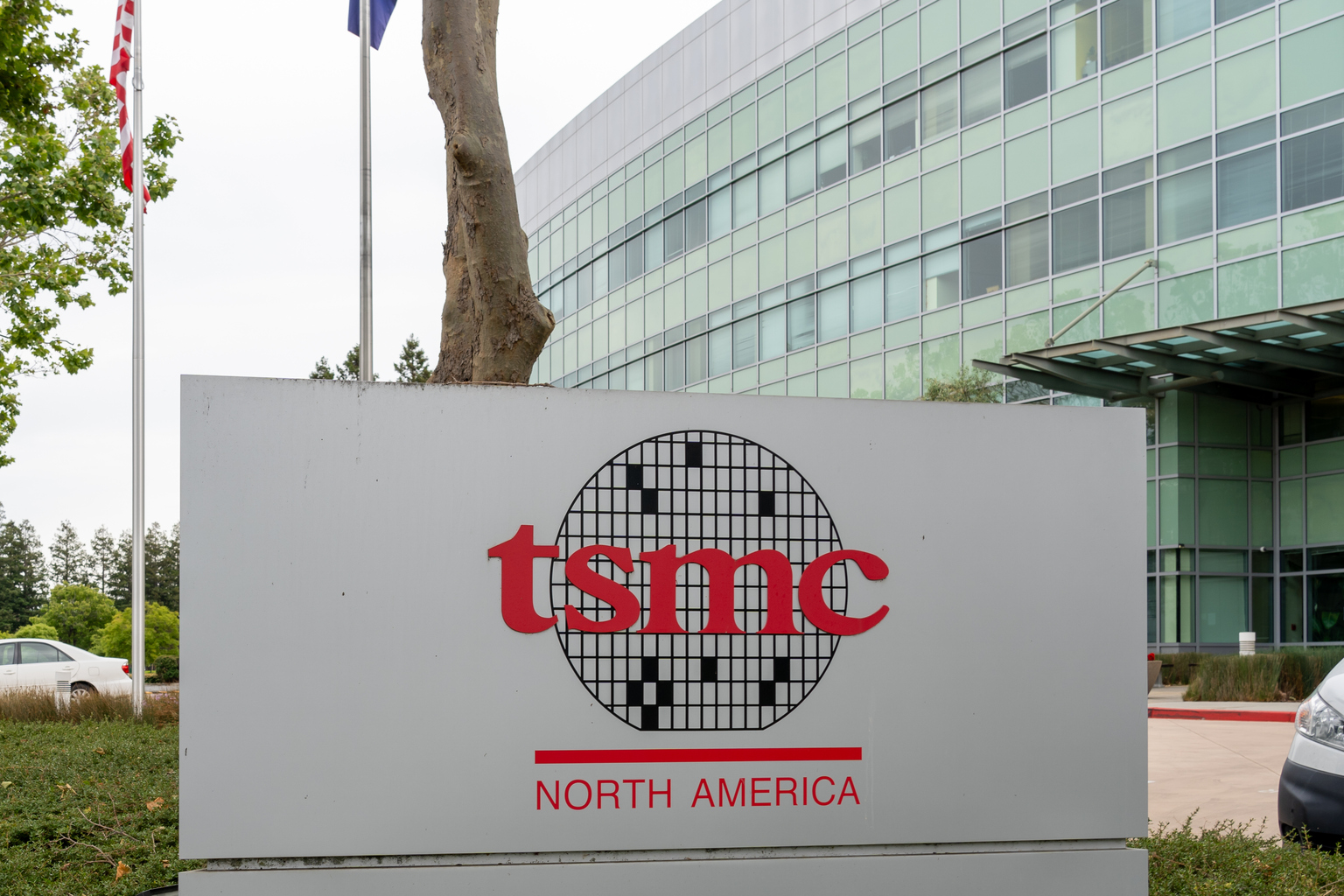
TSMC to Begin Mass Production of 3nm Chips in Japan by 2028

- Advanced Process Expansion: TSMC plans to start mass production of 3nm chips at its Kumamoto facility in Japan by 2028, targeting a monthly capacity of 15,000 12-inch wafers, marking Japan's first domestic production of 3nm chips and enhancing its competitiveness in high-performance computing and AI.
- Significant Investment: The investment for the second fab plant has reached $17 billion, primarily supported by substantial Japanese government subsidies, reflecting TSMC's commitment to the Japanese market and its strategy to diversify production amid geopolitical risks.
- Notable Technology Upgrade: The upgrade from the initially planned 6-12nm processes to the advanced 3nm technology significantly expands semiconductor manufacturing capabilities, addressing the surging demand for AI chips and laying the groundwork for future electronic products.
- Deepening Strategic Cooperation: The project's advancement is bolstered by the trust between Taiwan and Japan, with TSMC CEO CC Wei announcing the initiative during talks with Japan's PM Sanae Takaichi in 2026, further solidifying bilateral cooperation in the semiconductor sector.
See More

Epsilon Energy CEO Stabell Increases Shareholding

- Executive Purchase: Epsilon Energy CEO Jason Stabell purchased 20,000 shares of EPSN at $6.21 each on Tuesday, totaling an investment of $124,180, reflecting confidence in the company's future prospects.
- Investment Return: Currently, Stabell's investment is up approximately 4.2%, based on today's trading high of $6.47, indicating a positive market response to Epsilon Energy.
- Historical Buys: Over the past year, Stabell has made three additional purchases of EPSN, totaling $317,929 at an average price of $4.91 per share, demonstrating his strong belief in the company's long-term value.
- TSMC Insider Trading: Taiwan Semiconductor Manufacturing VP Shyue-shyh Lin bought 2,000 shares at $55.63 each on Sunday for a total of $111,260, despite the company's stock trading down about 1% on Thursday.
See More

VXUS: A New Opportunity for Overseas Stock Investment

- Portfolio Diversification: VXUS, the world's largest international stock ETF with $636.7 billion in assets, offers instant exposure to 8,703 overseas companies, enabling investors to effectively diversify their portfolios and reduce reliance on the U.S. market.
- Significant Valuation Advantage: With a price-to-earnings ratio of just 18 times, VXUS presents a compelling investment opportunity compared to the historically high 28 times for the S&P 500, particularly amid increasing geopolitical tensions and macroeconomic challenges.
- Low Fee Structure: VXUS boasts a low expense ratio of 0.05%, significantly lower than the average 0.14% for actively managed equity ETFs, allowing investors to enjoy higher net returns over the long term and enhancing overall investment efficiency.
- Future Growth Potential: According to Vanguard's Capital Markets Model, overseas stocks are projected to outperform U.S. stocks by 2.2% annually from 2023 to 2033, providing a strong long-term growth outlook for VXUS, especially as U.S. market valuations remain elevated.
See More

American Investors Should Consider Overseas Stocks
- Portfolio Diversification: With U.S. stocks historically valued at 28 times earnings, investors face compression risks, making the Vanguard Total International Stock ETF (VXUS), with total assets of $636.7 billion, an ideal choice for increasing overseas stock exposure and diversifying portfolios effectively.
- Cost Efficiency: VXUS charges a low expense ratio of just 0.05%, significantly lower than the average 0.14% for actively managed ETFs, allowing investors to achieve market returns at a reduced cost, thereby enhancing investment efficiency while pursuing global diversification.
- Quality Asset Allocation: VXUS holds 8,703 stocks with a median market capitalization of $52 billion and an average earnings growth rate of 15.9%, showcasing strong growth potential, particularly with 26% and 37% allocations to emerging markets and Europe, respectively, effectively diversifying risks and capturing global growth opportunities.
- Future Performance Outlook: According to Vanguard's Capital Markets Model, overseas stocks are expected to outperform U.S. stocks by 2.2% annually from 2023 to 2033, providing a compelling rationale for investors to reassess their portfolios, especially against the backdrop of high valuations in the current U.S. market.
See More
Trump's Comments Fail to Alleviate Market Concerns


- Negative Market Reaction: Trump's assertion that the U.S. will take a hard stance against Iran has intensified market concerns over shipping disruptions in the Strait of Hormuz and oil price volatility, leading to a drop in U.S. stock futures and a spike in oil prices to over $106 per barrel, indicating investor anxiety about future developments.
- Semiconductor Stocks Decline: Amid a broader market selloff, memory chip maker Micron (MU) and flash memory manufacturer SanDisk (SNDK) saw their shares fall over 4%, while Nvidia (NVDA) and Taiwan Semiconductor Manufacturing Co. (TSMC) dropped approximately 3%, reflecting a pessimistic sentiment towards the industry's outlook.
- Supply Chain Risks Intensify: Given that American semiconductor companies largely rely on chips produced in Asia, any disruption in the supply chain could have significant repercussions across various sectors, including electronics and automotive, further exacerbating market uncertainty.
- Investor Sentiment Shift: While Micron's market sentiment is deemed 'extremely bullish', other major chip companies are experiencing 'bearish' or 'neutral' sentiments, showcasing a divergence in investor outlook and concerns about future market trends.
See More

Nvidia Unveils Vera Rubin Chip Platform Promising Major Cost Reductions
- Significant Cost Reductions: Nvidia's Vera Rubin platform promises to reduce AI inference costs by 90% and cut the number of GPUs needed for training AI models by 75%, which is likely to significantly enhance customer purchasing interest and drive future sales growth for the company.
- Surge in Order Volume: Nvidia anticipates that combined orders for its Blackwell and Vera Rubin chips will reach $1 trillion by 2027, a substantial increase from the previous forecast of $500 billion, providing strong support for the company's stock price.
- Growth Potential for Micron Technology: The Rubin chips will increase DRAM capacity by 2.5 times and HBM bandwidth by 2.8 times, with Micron already producing HBM and enterprise SSDs for Rubin systems, which is expected to drive a 260% revenue increase this quarter and boost earnings per share from $1.91 to $19.15.
- Expansion Opportunities for TSMC: TSMC is projected to spend $52 billion to $56 billion on capital expenditures in 2026, primarily for advanced process node expansion, with Nvidia as its largest customer, likely driving a 36% increase in earnings per share in 2026 and potentially raising its stock price to $460 by 2027.
See More
TSMC to Begin Mass Production of 3nm Chips in Japan by 2028
- Advanced Process Expansion: TSMC plans to start mass production of 3nm chips at its Kumamoto facility in Japan by 2028, targeting a monthly capacity of 15,000 12-inch wafers, marking Japan's first domestic production of 3nm chips and enhancing its competitiveness in high-performance computing and AI.
- Significant Investment: The investment for the second fab plant has reached $17 billion, primarily supported by substantial Japanese government subsidies, reflecting TSMC's commitment to the Japanese market and its strategy to diversify production amid geopolitical risks.
- Notable Technology Upgrade: The upgrade from the initially planned 6-12nm processes to the advanced 3nm technology significantly expands semiconductor manufacturing capabilities, addressing the surging demand for AI chips and laying the groundwork for future electronic products.
- Deepening Strategic Cooperation: The project's advancement is bolstered by the trust between Taiwan and Japan, with TSMC CEO CC Wei announcing the initiative during talks with Japan's PM Sanae Takaichi in 2026, further solidifying bilateral cooperation in the semiconductor sector.
See More
Epsilon Energy CEO Stabell Increases Shareholding
- Executive Purchase: Epsilon Energy CEO Jason Stabell purchased 20,000 shares of EPSN at $6.21 each on Tuesday, totaling an investment of $124,180, reflecting confidence in the company's future prospects.
- Investment Return: Currently, Stabell's investment is up approximately 4.2%, based on today's trading high of $6.47, indicating a positive market response to Epsilon Energy.
- Historical Buys: Over the past year, Stabell has made three additional purchases of EPSN, totaling $317,929 at an average price of $4.91 per share, demonstrating his strong belief in the company's long-term value.
- TSMC Insider Trading: Taiwan Semiconductor Manufacturing VP Shyue-shyh Lin bought 2,000 shares at $55.63 each on Sunday for a total of $111,260, despite the company's stock trading down about 1% on Thursday.
See More
VXUS: A New Opportunity for Overseas Stock Investment
- Portfolio Diversification: VXUS, the world's largest international stock ETF with $636.7 billion in assets, offers instant exposure to 8,703 overseas companies, enabling investors to effectively diversify their portfolios and reduce reliance on the U.S. market.
- Significant Valuation Advantage: With a price-to-earnings ratio of just 18 times, VXUS presents a compelling investment opportunity compared to the historically high 28 times for the S&P 500, particularly amid increasing geopolitical tensions and macroeconomic challenges.
- Low Fee Structure: VXUS boasts a low expense ratio of 0.05%, significantly lower than the average 0.14% for actively managed equity ETFs, allowing investors to enjoy higher net returns over the long term and enhancing overall investment efficiency.
- Future Growth Potential: According to Vanguard's Capital Markets Model, overseas stocks are projected to outperform U.S. stocks by 2.2% annually from 2023 to 2033, providing a strong long-term growth outlook for VXUS, especially as U.S. market valuations remain elevated.
See More
American Investors Should Consider Overseas Stocks
- Portfolio Diversification: With U.S. stocks historically valued at 28 times earnings, investors face compression risks, making the Vanguard Total International Stock ETF (VXUS), with total assets of $636.7 billion, an ideal choice for increasing overseas stock exposure and diversifying portfolios effectively.
- Cost Efficiency: VXUS charges a low expense ratio of just 0.05%, significantly lower than the average 0.14% for actively managed ETFs, allowing investors to achieve market returns at a reduced cost, thereby enhancing investment efficiency while pursuing global diversification.
- Quality Asset Allocation: VXUS holds 8,703 stocks with a median market capitalization of $52 billion and an average earnings growth rate of 15.9%, showcasing strong growth potential, particularly with 26% and 37% allocations to emerging markets and Europe, respectively, effectively diversifying risks and capturing global growth opportunities.
- Future Performance Outlook: According to Vanguard's Capital Markets Model, overseas stocks are expected to outperform U.S. stocks by 2.2% annually from 2023 to 2033, providing a compelling rationale for investors to reassess their portfolios, especially against the backdrop of high valuations in the current U.S. market.
See More
Trump's Comments Fail to Alleviate Market Concerns
- Negative Market Reaction: Trump's assertion that the U.S. will take a hard stance against Iran has intensified market concerns over shipping disruptions in the Strait of Hormuz and oil price volatility, leading to a drop in U.S. stock futures and a spike in oil prices to over $106 per barrel, indicating investor anxiety about future developments.
- Semiconductor Stocks Decline: Amid a broader market selloff, memory chip maker Micron (MU) and flash memory manufacturer SanDisk (SNDK) saw their shares fall over 4%, while Nvidia (NVDA) and Taiwan Semiconductor Manufacturing Co. (TSMC) dropped approximately 3%, reflecting a pessimistic sentiment towards the industry's outlook.
- Supply Chain Risks Intensify: Given that American semiconductor companies largely rely on chips produced in Asia, any disruption in the supply chain could have significant repercussions across various sectors, including electronics and automotive, further exacerbating market uncertainty.
- Investor Sentiment Shift: While Micron's market sentiment is deemed 'extremely bullish', other major chip companies are experiencing 'bearish' or 'neutral' sentiments, showcasing a divergence in investor outlook and concerns about future market trends.
See More
Nvidia Unveils Vera Rubin Chip Platform Promising Major Cost Reductions
- Significant Cost Reductions: Nvidia's Vera Rubin platform promises to reduce AI inference costs by 90% and cut the number of GPUs needed for training AI models by 75%, which is likely to significantly enhance customer purchasing interest and drive future sales growth for the company.
- Surge in Order Volume: Nvidia anticipates that combined orders for its Blackwell and Vera Rubin chips will reach $1 trillion by 2027, a substantial increase from the previous forecast of $500 billion, providing strong support for the company's stock price.
- Growth Potential for Micron Technology: The Rubin chips will increase DRAM capacity by 2.5 times and HBM bandwidth by 2.8 times, with Micron already producing HBM and enterprise SSDs for Rubin systems, which is expected to drive a 260% revenue increase this quarter and boost earnings per share from $1.91 to $19.15.
- Expansion Opportunities for TSMC: TSMC is projected to spend $52 billion to $56 billion on capital expenditures in 2026, primarily for advanced process node expansion, with Nvidia as its largest customer, likely driving a 36% increase in earnings per share in 2026 and potentially raising its stock price to $460 by 2027.
See More