Structure Therapeutics Announces Aleniglipron Clinical Data
Structure Therapeutics announced topline data from the ACCESS clinical program of aleniglipron for the treatment of people living with obesity and/or overweight with at least one weight related co-morbidity. This includes 44-week data from the Phase 2 ACCESS II study and interim data from the ongoing body composition study and the ACCESS open label extension study. Aleniglipron is an investigational orally-available, once-daily, nonpeptide small molecule agonist of the glucagon-like-peptide-1 receptor designed to address patient needs and accessibility. In the Phase 2 ACCESS II study, aleniglipron achieved clinically meaningful and statistically significant placebo-adjusted mean weight loss of 16.3% at the 180 mg dose and 16.0% at the 240 mg dose at 44 weeks. In the ACCESS OLE study, aleniglipron achieved continued weight loss from 36 weeks, up to 16.2% with 120 mg at 56 weeks. Both studies continue to demonstrate no evidence of weight loss plateau. Aleniglipron continues to demonstrate a tolerability profile that is consistent with the GLP-1 receptor agonist class and a compelling safety profile with no off-target events. In ACCESS II, across all active arms in participants who reached doses 120 mg or higher from 28 to 44 weeks, there was only one adverse event-related treatment discontinuation. With a median follow-up of 20 weeks, the tolerability data as of the February 20, 2026 cutoff date from the interim analyses of the OLE and the body composition studies provide further support that the use of 2.5 mg as a lower starting dose very meaningfully reduces the rate of AE-related discontinuations during the titration phase. In the OLE, with a median follow-up of 20 weeks, there was an overall AE-related discontinuation rate of 2%. In the body composition study, with a median follow-up of 20 weeks, there was an overall AE-related discontinuation rate of 3.4% in the aleniglipron arm. Together, these positive efficacy, tolerability and safety findings continue to support the advancement of aleniglipron into Phase 3 clinical development, with initiation anticipated in the second half of 2026.
Trade with 70% Backtested Accuracy
Analyst Views on GPCR

About GPCR
About the author


Structure Therapeutics Appoints New COO

- Executive Appointment: Structure Therapeutics has appointed Matthew Lang as Chief Operating Officer, bringing over 15 years of executive leadership experience in global biopharmaceutical organizations, which is expected to positively impact the company's strategic development.
- Legal and Compliance Expertise: While serving as Chief Legal Officer at Metsera, Lang successfully guided the company through an acquisition valued at up to $10 billion, showcasing his deep expertise in legal and compliance matters that will aid Structure Therapeutics in risk management.
- Business Development Background: Prior to joining Structure Therapeutics, Lang held the position of Chief Business and Legal Officer at Lyell Immunopharma, and his extensive business development experience will support the company in expanding its operations in a competitive market.
- Market Reaction: Following the announcement of Lang's appointment, Structure Therapeutics' stock rose 1.76% in after-hours trading to $54.27, reflecting market optimism regarding the new COO's potential contributions.
The 'Diabesity' Market Is Poised for Rapid Growth: Key Catalysts for Lilly and Novo Stocks.

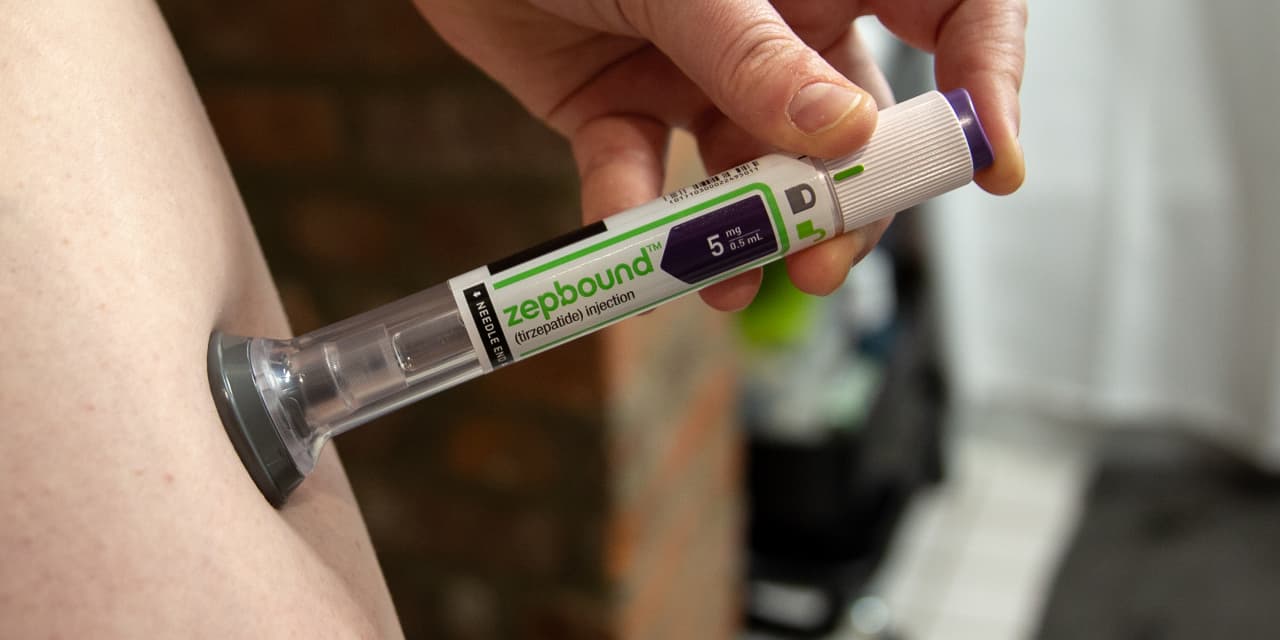
Weight-loss Drugs in Focus: The spotlight is on weight-loss drugs, particularly GLP-1 medications like Wegovy and Zepbound, as they gain popularity.
Market Competition: Eli Lilly and Novo Nordisk are key players in the emerging "diabesity" market, indicating a competitive landscape ahead.

SPDR S&P China ETF Analysts See 34.69% Upside
- ETF Target Price Analysis: The SPDR S&P China ETF (GXC) has an implied analyst target price of $124.19 per unit, with a current trading price of $92.21, indicating a 34.69% upside potential that reflects market optimism about the ETF's future performance.
- Stock Potential Unveiled: Legend Biotech Corp (LEGN) trades at $19.14, while analysts set a target price of $60.63, suggesting a remarkable 216.78% upside, highlighting the company's strong growth potential in the biotech sector.
- Structure Therapeutics Outlook: Structure Therapeutics Inc (GPCR) is priced at $53.48, with an analyst target of $109.00, indicating a potential increase of 103.81%, showcasing market expectations for its innovative drug development.
- Market Confidence in VNET: VNET Group Inc (VNET) currently trades at $8.19, with an analyst target price of $16.34, reflecting a 99.55% upside, which indicates investor confidence in its future performance.
Wegovy Pill Shows Superior Weight Loss Over Foundayo
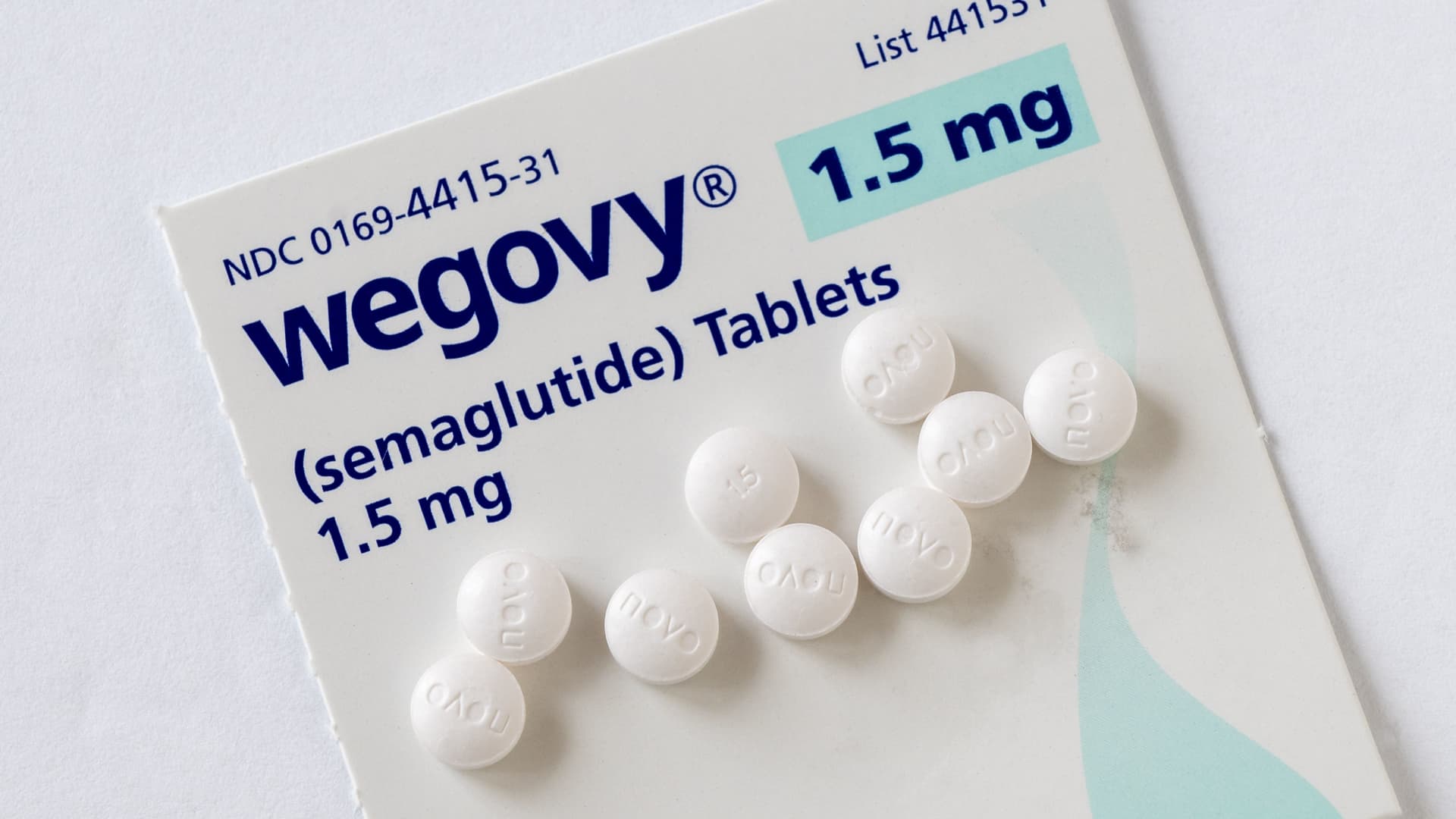
- Weight Loss Efficacy: The Wegovy pill demonstrated significantly greater mean weight loss of 16.6% compared to Eli Lilly's Foundayo, which showed only 12.4%, indicating Wegovy's competitive edge in the weight-loss drug market.
- Patient Preference Insights: An analysis by Novo revealed that 84% of patients preferred the drug profile of Wegovy, highlighting strong patient recognition of its lifestyle compatibility, which provides robust support for Novo's market promotion efforts.
- Market Competition Dynamics: The launch of the Wegovy pill is seen as the beginning of a new era in weight-loss medications; however, analysts note that the rapid increase in prescriptions may slow down as Foundayo approaches its market entry, potentially impacting Wegovy's market share.
- Side Effect Comparison: Recent studies indicate that Wegovy outperforms Foundayo in terms of discontinuation rates, with the latter associated with about 14 times higher odds of stopping treatment due to side effects, providing Wegovy with a crucial differentiation advantage in the increasingly competitive anti-obesity drug market.

Viking and Structure Intensify Competition in Obesity Drug Development
- Clinical Trial Progress: Viking announced the enrollment of approximately 1,000 patients with obesity or overweight type 2 diabetes in the late-stage trial of VK2735, with a primary endpoint assessing weight change after 78 weeks, which could significantly enhance its market competitiveness if successful.
- Significant Drug Efficacy: In a mid-stage trial, VK2735 achieved a mean weight loss of 14.7% in 13 weeks, establishing a solid foundation for its subsequent clinical development and potentially attracting more investor interest.
- Market Potential: According to Koyfin, GPCR stock has a 12-month target of $109, implying a 147.95% upside, while VKTX's target is $92.72, representing a 209.80% upside, indicating strong prospects for both companies in the obesity drug market.
- Investor Sentiment Shift: While VKTX stock has risen 24% this year, GPCR has surged 154%, reflecting differing market perceptions, with VKTX sentiment remaining neutral and GPCR appearing more bearish.
B Group Initiates Position in Structure Therapeutics
- New Position Disclosure: B Group disclosed a new position in Structure Therapeutics by acquiring 90,000 shares in Q4 2025, amounting to $6.26 million, reflecting confidence in the company's drug development potential, particularly in chronic disease treatments.
- Asset Allocation Impact: This new stake represents 4.62% of B Group's reportable U.S. equity assets, indicating a strategic focus on the biopharmaceutical sector that may attract further investor interest in its future performance.
- Strong Market Performance: As of last Friday, Structure Therapeutics shares were priced at $48.59, marking a staggering 132% increase over the past year, significantly outperforming the S&P 500's 15% rise, showcasing strong market demand for its products and investor confidence.
- R&D Challenges and Opportunities: Despite posting a net loss of $141 million for 2025 and increased R&D spending, the lead drug candidate's mid-stage trial showed over 16% weight loss, indicating competitive strength in the obesity and metabolic disease market, with future clinical execution being crucial.
Structure Therapeutics Appoints New COO
- Executive Appointment: Structure Therapeutics has appointed Matthew Lang as Chief Operating Officer, bringing over 15 years of executive leadership experience in global biopharmaceutical organizations, which is expected to positively impact the company's strategic development.
- Legal and Compliance Expertise: While serving as Chief Legal Officer at Metsera, Lang successfully guided the company through an acquisition valued at up to $10 billion, showcasing his deep expertise in legal and compliance matters that will aid Structure Therapeutics in risk management.
- Business Development Background: Prior to joining Structure Therapeutics, Lang held the position of Chief Business and Legal Officer at Lyell Immunopharma, and his extensive business development experience will support the company in expanding its operations in a competitive market.
- Market Reaction: Following the announcement of Lang's appointment, Structure Therapeutics' stock rose 1.76% in after-hours trading to $54.27, reflecting market optimism regarding the new COO's potential contributions.
The 'Diabesity' Market Is Poised for Rapid Growth: Key Catalysts for Lilly and Novo Stocks.
Weight-loss Drugs in Focus: The spotlight is on weight-loss drugs, particularly GLP-1 medications like Wegovy and Zepbound, as they gain popularity.
Market Competition: Eli Lilly and Novo Nordisk are key players in the emerging "diabesity" market, indicating a competitive landscape ahead.
SPDR S&P China ETF Analysts See 34.69% Upside
- ETF Target Price Analysis: The SPDR S&P China ETF (GXC) has an implied analyst target price of $124.19 per unit, with a current trading price of $92.21, indicating a 34.69% upside potential that reflects market optimism about the ETF's future performance.
- Stock Potential Unveiled: Legend Biotech Corp (LEGN) trades at $19.14, while analysts set a target price of $60.63, suggesting a remarkable 216.78% upside, highlighting the company's strong growth potential in the biotech sector.
- Structure Therapeutics Outlook: Structure Therapeutics Inc (GPCR) is priced at $53.48, with an analyst target of $109.00, indicating a potential increase of 103.81%, showcasing market expectations for its innovative drug development.
- Market Confidence in VNET: VNET Group Inc (VNET) currently trades at $8.19, with an analyst target price of $16.34, reflecting a 99.55% upside, which indicates investor confidence in its future performance.
Wegovy Pill Shows Superior Weight Loss Over Foundayo
- Weight Loss Efficacy: The Wegovy pill demonstrated significantly greater mean weight loss of 16.6% compared to Eli Lilly's Foundayo, which showed only 12.4%, indicating Wegovy's competitive edge in the weight-loss drug market.
- Patient Preference Insights: An analysis by Novo revealed that 84% of patients preferred the drug profile of Wegovy, highlighting strong patient recognition of its lifestyle compatibility, which provides robust support for Novo's market promotion efforts.
- Market Competition Dynamics: The launch of the Wegovy pill is seen as the beginning of a new era in weight-loss medications; however, analysts note that the rapid increase in prescriptions may slow down as Foundayo approaches its market entry, potentially impacting Wegovy's market share.
- Side Effect Comparison: Recent studies indicate that Wegovy outperforms Foundayo in terms of discontinuation rates, with the latter associated with about 14 times higher odds of stopping treatment due to side effects, providing Wegovy with a crucial differentiation advantage in the increasingly competitive anti-obesity drug market.
Viking and Structure Intensify Competition in Obesity Drug Development
- Clinical Trial Progress: Viking announced the enrollment of approximately 1,000 patients with obesity or overweight type 2 diabetes in the late-stage trial of VK2735, with a primary endpoint assessing weight change after 78 weeks, which could significantly enhance its market competitiveness if successful.
- Significant Drug Efficacy: In a mid-stage trial, VK2735 achieved a mean weight loss of 14.7% in 13 weeks, establishing a solid foundation for its subsequent clinical development and potentially attracting more investor interest.
- Market Potential: According to Koyfin, GPCR stock has a 12-month target of $109, implying a 147.95% upside, while VKTX's target is $92.72, representing a 209.80% upside, indicating strong prospects for both companies in the obesity drug market.
- Investor Sentiment Shift: While VKTX stock has risen 24% this year, GPCR has surged 154%, reflecting differing market perceptions, with VKTX sentiment remaining neutral and GPCR appearing more bearish.
B Group Initiates Position in Structure Therapeutics
- New Position Disclosure: B Group disclosed a new position in Structure Therapeutics by acquiring 90,000 shares in Q4 2025, amounting to $6.26 million, reflecting confidence in the company's drug development potential, particularly in chronic disease treatments.
- Asset Allocation Impact: This new stake represents 4.62% of B Group's reportable U.S. equity assets, indicating a strategic focus on the biopharmaceutical sector that may attract further investor interest in its future performance.
- Strong Market Performance: As of last Friday, Structure Therapeutics shares were priced at $48.59, marking a staggering 132% increase over the past year, significantly outperforming the S&P 500's 15% rise, showcasing strong market demand for its products and investor confidence.
- R&D Challenges and Opportunities: Despite posting a net loss of $141 million for 2025 and increased R&D spending, the lead drug candidate's mid-stage trial showed over 16% weight loss, indicating competitive strength in the obesity and metabolic disease market, with future clinical execution being crucial.