Strategies for Long-Term Investment in the Most Affordable Stock Market Sector
Written by Emily J. Thompson, Senior Investment Analyst
Updated: Sep 02 2025
0mins


Source: MarketWatch
Investment Opportunities: Contrarian investors may find value in the energy sector amidst a potentially overvalued stock market, particularly with increasing demand for electricity driven by data centers and artificial intelligence.
Analyst Recommendations: Veteran energy market analysts have identified four specific stock picks for investors interested in capitalizing on the anticipated growth in energy demand.
Trade with 70% Backtested Accuracy
Stop guessing "Should I Buy EQT?" and start using high-conviction signals backed by rigorous historical data.
Sign up today to access powerful investing tools and make smarter, data-driven decisions.
Analyst Views on EQT
Wall Street analysts forecast EQT stock price to fall
19 Analyst Rating
13 Buy
6 Hold
0 Sell
Moderate Buy
Current: 67.550

Low
50.00
Averages
65.18
High
76.00
Current: 67.550
Low
50.00
Averages
65.18
High
76.00
About EQT
EQT Corporation is a premier, vertically integrated American natural gas company with production and midstream operations focused on the Appalachian Basin. It has operations in Pennsylvania, West Virginia and Ohio. It owns or leases approximately 610,000 net acres in Pennsylvania. Most of the acreage is located in the southwestern region of the state, with the majority located in Greene and Washington Counties. It is developing the Marcellus Shale and Upper Devonian Shale in this area. It also owns or leases 405,000 net acres in West Virginia. Most of the acreage is located in the northwestern region of the state, with the majority located in Doddridge, Marion, Tyler and Wetzel Counties. It owns or leases 65,000 net acres in eastern Ohio and is developing the Utica Shale in Belmont County. It operates Utica wells throughout its Ohio acreage. The Marcellus Shale lies nearly a mile or more beneath the surface throughout much of Ohio, Pennsylvania, New York and West Virginia.
About the author

Emily J. Thompson
Emily J. Thompson, a Chartered Financial Analyst (CFA) with 12 years in investment research, graduated with honors from the Wharton School. Specializing in industrial and technology stocks, she provides in-depth analysis for Intellectia’s earnings and market brief reports.
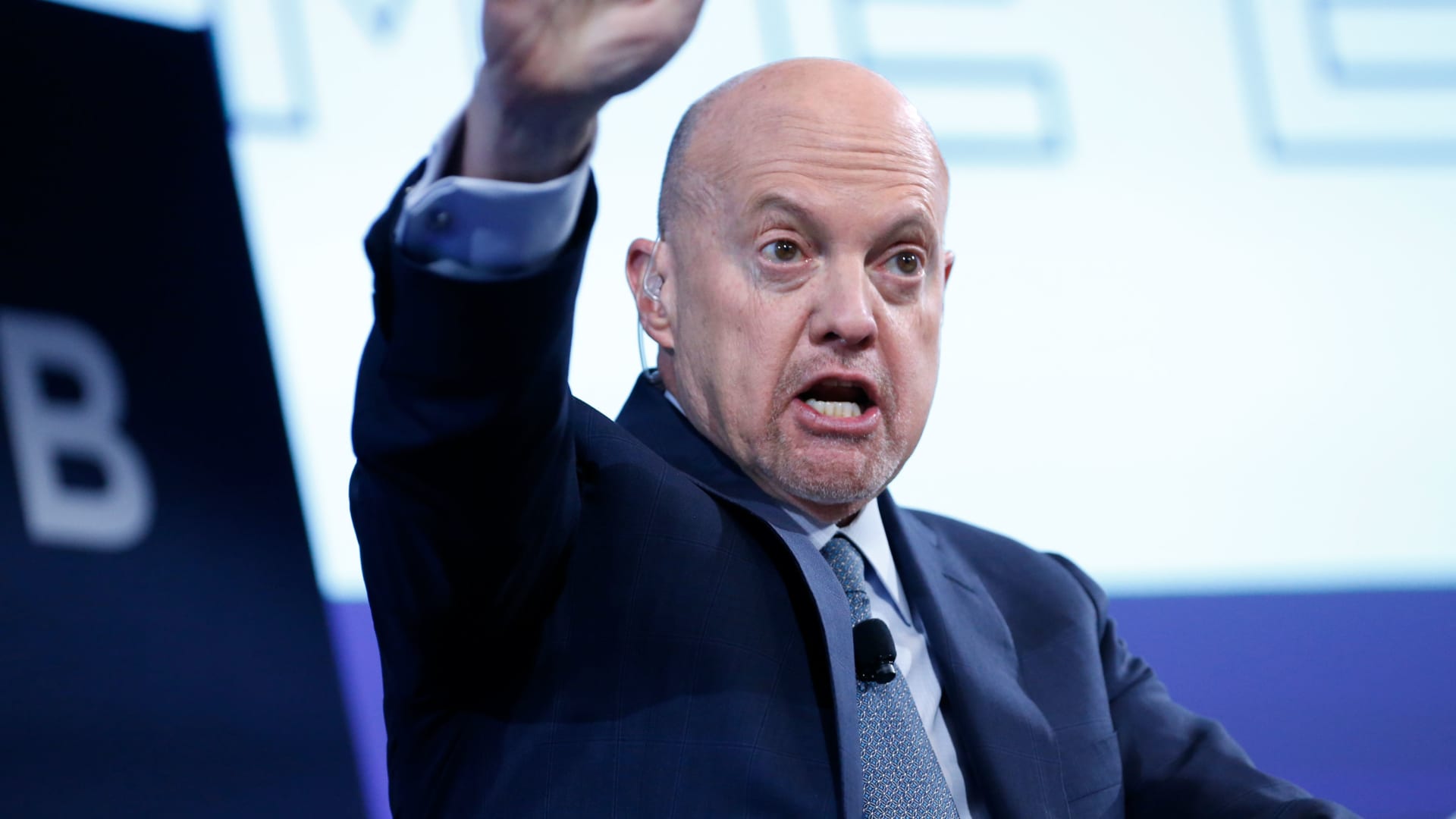
CNBC Investing Club March Meeting Overview


- Energy Stocks Surge: Following the outbreak of war in Iran, energy stocks, particularly fertilizer manufacturers, have shown strong performance, indicating robust market demand that could drive profitability for related companies.
- AWS Growth Acceleration: Amazon's cloud unit AWS is no longer lagging behind Microsoft Azure, thanks to its partnership with Anthropic, with expectations for next quarter's margins to exceed market forecasts, boosting investor confidence.
- Cybersecurity Challenges: CrowdStrike has been affected by turmoil in the software market, but the CEO highlighted the positive impact of AI on cyberattacks, indicating long-term growth potential in the security sector, despite high stock prices.
- Healthcare Sector Risks: Eli Lilly faces pricing pressure from competitor Novo Nordisk, but the company is prepared to counter this by increasing volume, with the upcoming launch of its GLP-1 obesity drug expected to drive growth.
See More

EQT CORP: BMO Increases Price Target from $68 to $76
Company Announcement: EQT Corporation has raised its target price for BMO to $76.
Previous Target Price: The previous target price for BMO was set at $68.
See More
Asia Private Equity Market Faces Challenges Amid Uncertainty

- Deteriorating Fundraising Environment: According to a Bain & Company report, Asia-focused private equity funds raised only $58 billion last year, marking the lowest level in over a decade, reflecting weak demand for new funds amid aging assets and underperformance pressures.
- Escalating Geopolitical Risks: The ongoing conflict in the Middle East has made investors more cautious about committing to new funds, particularly as Middle Eastern investment funds pause outbound commitments, leading to a decline in market confidence and a slowdown in fundraising activities.
- Increased Appeal of Large Funds: Despite the challenging fundraising environment, around 60 Asia Pacific-focused funds are actively seeking commitments of over $1 billion each, indicating a preference for top-tier managers, with these funds expected to account for more than 10% of global targeted capital.
- Optimistic Future Outlook: Despite short-term uncertainties, Deloitte's Sam Padgett noted that approximately $240 billion in dry powder in the Asia-Pacific region supports future investments, indicating that the market fundamentals remain strong and fundraising activities are expected to recover in 2026.
See More

Meta Faces New Lawsuit with $6 Million in Damages


- Meta Lawsuit Loss: Meta was found negligent in a social media addiction case in Los Angeles, resulting in $3 million in compensatory damages, with 70% borne by Meta and 30% by YouTube, highlighting the legal risks social media platforms face.
- Punitive Damages: Additionally, Meta must pay $2.1 million in punitive damages, which, while not substantial for the company, could set legal precedents for future similar cases, potentially impacting its reputation and operational strategies.
- Strong Energy Stock Performance: Since February 28, APA Corp's stock has surged 36%, reaching a 30-month high, indicating strong market demand for energy stocks amid geopolitical tensions.
- Coca-Cola CEO Departure: Coca-Cola's CEO James Quincey will leave on March 31, with the stock rising 75% since he took over in May 2017, significantly outperforming the S&P Consumer Staples index, although shares have recently fallen 8% from last month's peak.
See More

EQT Corporation Announces Cash Tender Offer for Senior Notes
- Tender Offer Size: EQT Corporation has announced a cash tender offer with an aggregate purchase price of up to $1.4 billion for various senior notes, indicating a proactive approach to optimizing its capital structure aimed at reducing future interest burdens and enhancing financial flexibility.
- Priority Acceptance Mechanism: The tender offer will be conducted based on acceptance priority procedures, ensuring that higher-priority notes are accepted first, reflecting the company's focus on debt management and potentially influencing investor confidence in its creditworthiness.
- Early Tender Premium: Holders of notes validly tendered before the deadline will receive a $30 early tender premium per $1,000 of notes, a strategy designed to incentivize early participation and thereby increase the likelihood of a successful tender offer.
- Payment Timeline: EQT expects to make payments on March 26, 2026, for notes accepted in the tender offer, which not only helps maintain investor relations but may also bolster market confidence in the company's financial health.
See More

EQT Corporation Announces Details of Cash Tender Offer
- Tender Offer Size: EQT Corporation has announced a cash tender offer with an aggregate purchase price of up to $1.4 billion for various senior notes, indicating a proactive approach to optimizing its capital structure aimed at reducing future interest burdens and enhancing financial flexibility.
- Priority Acceptance Mechanism: The tender offer employs an acceptance priority procedure, ensuring that holders of higher-priority notes are prioritized for purchase, reflecting the company's focus on debt management while potentially influencing market perceptions of its creditworthiness.
- Early Tender Premium: Holders who tender their notes before the deadline will receive a $30 early tender premium per $1,000 of notes, a strategy designed to incentivize early participation, thereby increasing the likelihood of a successful tender and optimizing capital utilization.
- Payment Schedule: Payments for accepted notes are expected to be made on March 26, 2026, indicating the company's commitment to maintaining efficient liquidity management during the tender process, further bolstering investor confidence in its financial health.
See More
CNBC Investing Club March Meeting Overview
- Energy Stocks Surge: Following the outbreak of war in Iran, energy stocks, particularly fertilizer manufacturers, have shown strong performance, indicating robust market demand that could drive profitability for related companies.
- AWS Growth Acceleration: Amazon's cloud unit AWS is no longer lagging behind Microsoft Azure, thanks to its partnership with Anthropic, with expectations for next quarter's margins to exceed market forecasts, boosting investor confidence.
- Cybersecurity Challenges: CrowdStrike has been affected by turmoil in the software market, but the CEO highlighted the positive impact of AI on cyberattacks, indicating long-term growth potential in the security sector, despite high stock prices.
- Healthcare Sector Risks: Eli Lilly faces pricing pressure from competitor Novo Nordisk, but the company is prepared to counter this by increasing volume, with the upcoming launch of its GLP-1 obesity drug expected to drive growth.
See More
EQT CORP: BMO Increases Price Target from $68 to $76
Company Announcement: EQT Corporation has raised its target price for BMO to $76.
Previous Target Price: The previous target price for BMO was set at $68.
See More
Asia Private Equity Market Faces Challenges Amid Uncertainty
- Deteriorating Fundraising Environment: According to a Bain & Company report, Asia-focused private equity funds raised only $58 billion last year, marking the lowest level in over a decade, reflecting weak demand for new funds amid aging assets and underperformance pressures.
- Escalating Geopolitical Risks: The ongoing conflict in the Middle East has made investors more cautious about committing to new funds, particularly as Middle Eastern investment funds pause outbound commitments, leading to a decline in market confidence and a slowdown in fundraising activities.
- Increased Appeal of Large Funds: Despite the challenging fundraising environment, around 60 Asia Pacific-focused funds are actively seeking commitments of over $1 billion each, indicating a preference for top-tier managers, with these funds expected to account for more than 10% of global targeted capital.
- Optimistic Future Outlook: Despite short-term uncertainties, Deloitte's Sam Padgett noted that approximately $240 billion in dry powder in the Asia-Pacific region supports future investments, indicating that the market fundamentals remain strong and fundraising activities are expected to recover in 2026.
See More
Meta Faces New Lawsuit with $6 Million in Damages
- Meta Lawsuit Loss: Meta was found negligent in a social media addiction case in Los Angeles, resulting in $3 million in compensatory damages, with 70% borne by Meta and 30% by YouTube, highlighting the legal risks social media platforms face.
- Punitive Damages: Additionally, Meta must pay $2.1 million in punitive damages, which, while not substantial for the company, could set legal precedents for future similar cases, potentially impacting its reputation and operational strategies.
- Strong Energy Stock Performance: Since February 28, APA Corp's stock has surged 36%, reaching a 30-month high, indicating strong market demand for energy stocks amid geopolitical tensions.
- Coca-Cola CEO Departure: Coca-Cola's CEO James Quincey will leave on March 31, with the stock rising 75% since he took over in May 2017, significantly outperforming the S&P Consumer Staples index, although shares have recently fallen 8% from last month's peak.
See More
EQT Corporation Announces Cash Tender Offer for Senior Notes
- Tender Offer Size: EQT Corporation has announced a cash tender offer with an aggregate purchase price of up to $1.4 billion for various senior notes, indicating a proactive approach to optimizing its capital structure aimed at reducing future interest burdens and enhancing financial flexibility.
- Priority Acceptance Mechanism: The tender offer will be conducted based on acceptance priority procedures, ensuring that higher-priority notes are accepted first, reflecting the company's focus on debt management and potentially influencing investor confidence in its creditworthiness.
- Early Tender Premium: Holders of notes validly tendered before the deadline will receive a $30 early tender premium per $1,000 of notes, a strategy designed to incentivize early participation and thereby increase the likelihood of a successful tender offer.
- Payment Timeline: EQT expects to make payments on March 26, 2026, for notes accepted in the tender offer, which not only helps maintain investor relations but may also bolster market confidence in the company's financial health.
See More
EQT Corporation Announces Details of Cash Tender Offer
- Tender Offer Size: EQT Corporation has announced a cash tender offer with an aggregate purchase price of up to $1.4 billion for various senior notes, indicating a proactive approach to optimizing its capital structure aimed at reducing future interest burdens and enhancing financial flexibility.
- Priority Acceptance Mechanism: The tender offer employs an acceptance priority procedure, ensuring that holders of higher-priority notes are prioritized for purchase, reflecting the company's focus on debt management while potentially influencing market perceptions of its creditworthiness.
- Early Tender Premium: Holders who tender their notes before the deadline will receive a $30 early tender premium per $1,000 of notes, a strategy designed to incentivize early participation, thereby increasing the likelihood of a successful tender and optimizing capital utilization.
- Payment Schedule: Payments for accepted notes are expected to be made on March 26, 2026, indicating the company's commitment to maintaining efficient liquidity management during the tender process, further bolstering investor confidence in its financial health.
See More