Strait of Hormuz Tensions Rise, Oil Prices Surge
Written by Emily J. Thompson, Senior Investment Analyst
Updated: 1 day ago
0mins
Source: CNBC
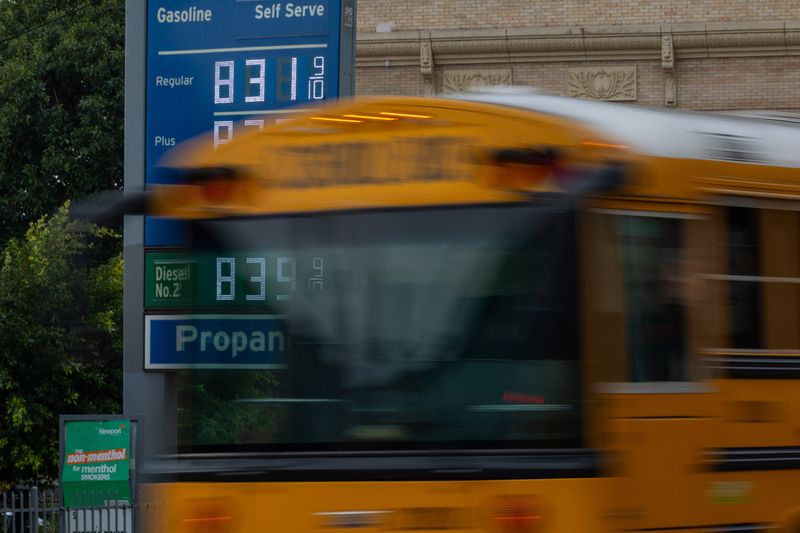
- Oil Price Surge: Crude oil prices have surged past $100 per barrel due to escalating tensions in the Strait of Hormuz, reflecting market fears of supply disruptions that could lead to increased global energy costs and economic impacts.
- Iran's Military Stance: The Iranian Foreign Ministry spokesperson stated that attacks on U.S. military bases in the Gulf are legitimate under international law, a position that may escalate regional tensions and affect international relations.
- New Leadership Impact: The appointment of Mojtaba Khamenei as Iran's new Supreme Leader is expected to unify the nation, with the spokesperson asserting that state institutions and the populace will rally around the new leadership, potentially leading to a more aggressive foreign policy.
- Sovereignty and International Law: Iran emphasized its right to choose its leaders without foreign intervention, asserting its commitment to defending national sovereignty under international law, which may provoke widespread attention and reactions from the international community.
Trade with 70% Backtested Accuracy
Stop guessing "Should I Buy BP?" and start using high-conviction signals backed by rigorous historical data.
Sign up today to access powerful investing tools and make smarter, data-driven decisions.
Analyst Views on BP
Wall Street analysts forecast BP stock price to rise
11 Analyst Rating
5 Buy
5 Hold
1 Sell
Moderate Buy
Current: 40.650

Low
6.38
Averages
84.26
High
503.69
Current: 40.650
Low
6.38
Averages
84.26
High
503.69
About BP
BP p.l.c. is a United Kingdom-based integrated energy company. The Company's segments include Gas & low carbon energy, Oil production & operations, Customers & products, and Other businesses & corporate. Its gas business includes regions with upstream activities that produce natural gas, integrated gas and power, and gas trading. Its low carbon business includes solar, offshore and onshore wind, hydrogen and carbon capture and storage and power trading. Oil production & operations segment comprises regions with upstream activities that predominantly produce crude oil, including bpx energy. Customers & products segment comprises its customer-focused businesses, which include convenience and retail fuels, electric vehicle charging, as well as Castrol, aviation and business to business and midstream. It also includes its products businesses, refining and oil trading, as well as its bioenergy businesses. Other businesses & corporate segment comprises technology and bp ventures.
About the author

Emily J. Thompson
Emily J. Thompson, a Chartered Financial Analyst (CFA) with 12 years in investment research, graduated with honors from the Wharton School. Specializing in industrial and technology stocks, she provides in-depth analysis for Intellectia’s earnings and market brief reports.
US Sinks Iranian Ships Amid Strait of Hormuz Tensions


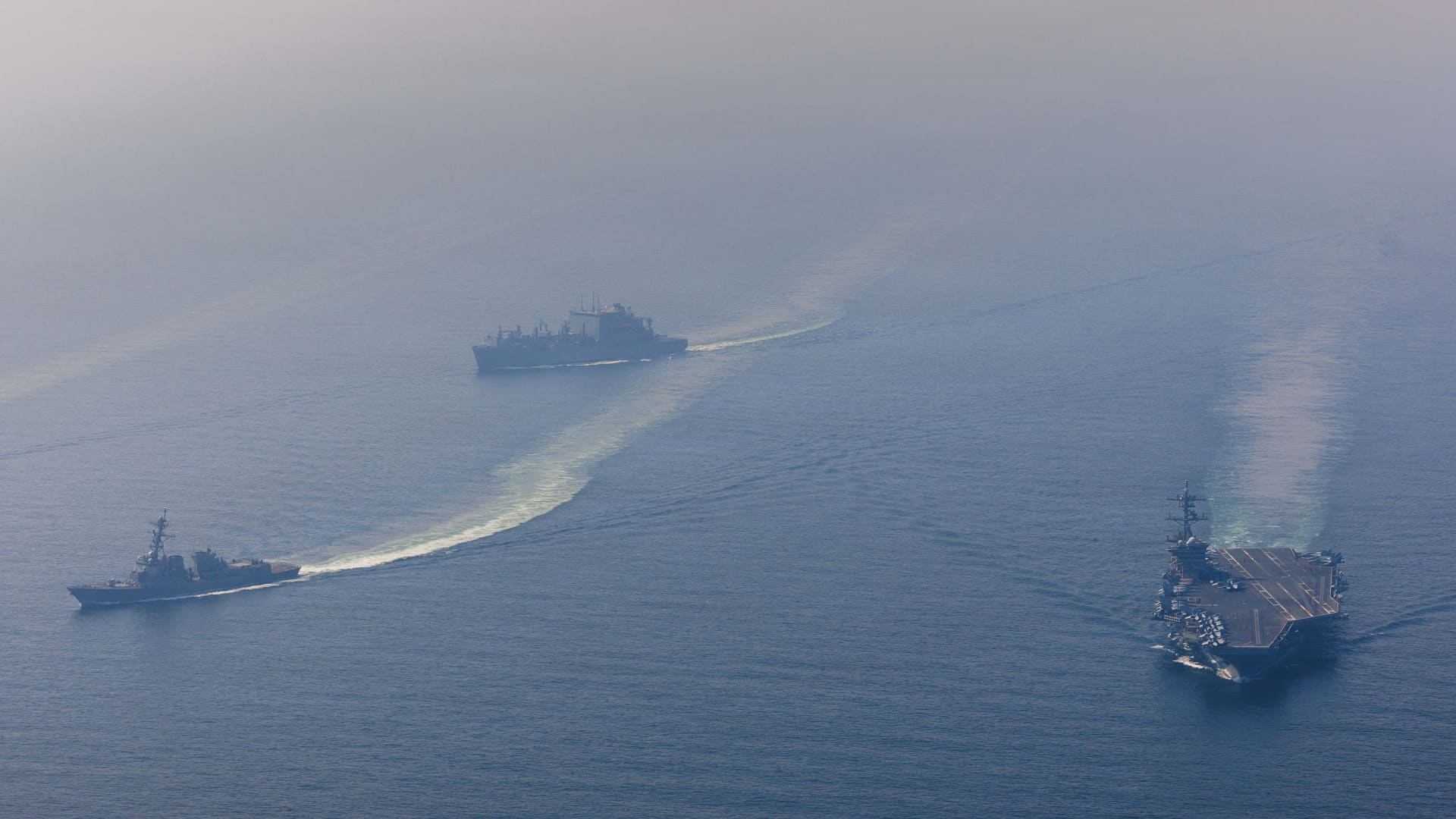
- Military Escalation: The U.S. Central Command reported that American forces sank several Iranian ships, including 16 minelayers, near the Strait of Hormuz on Tuesday, responding to Iran's threat of mining the waterway, which could severely impact global energy supplies.
- Oil Price Volatility: Oil prices surged to nearly $120 a barrel on Monday due to escalating conflict, although they have since retreated, with U.S. WTI crude trading at $83.8 and global benchmark Brent at $87.9, reflecting market sensitivity to geopolitical risks.
- Iranian Naval Capability: Despite CNN's report of Iran laying a few mines recently in the Strait, Iran retains over 80% of its small boats and minelayers, potentially laying hundreds of mines, which could further escalate regional tensions.
- U.S. Navy Response Strategy: President Trump stated he ordered the U.S. Development Finance Corporation to provide political risk insurance for all maritime trade through the Gulf, although the U.S. Navy has declined shipping industry requests for escort due to high attack risks, potentially affecting energy transport security.
See More
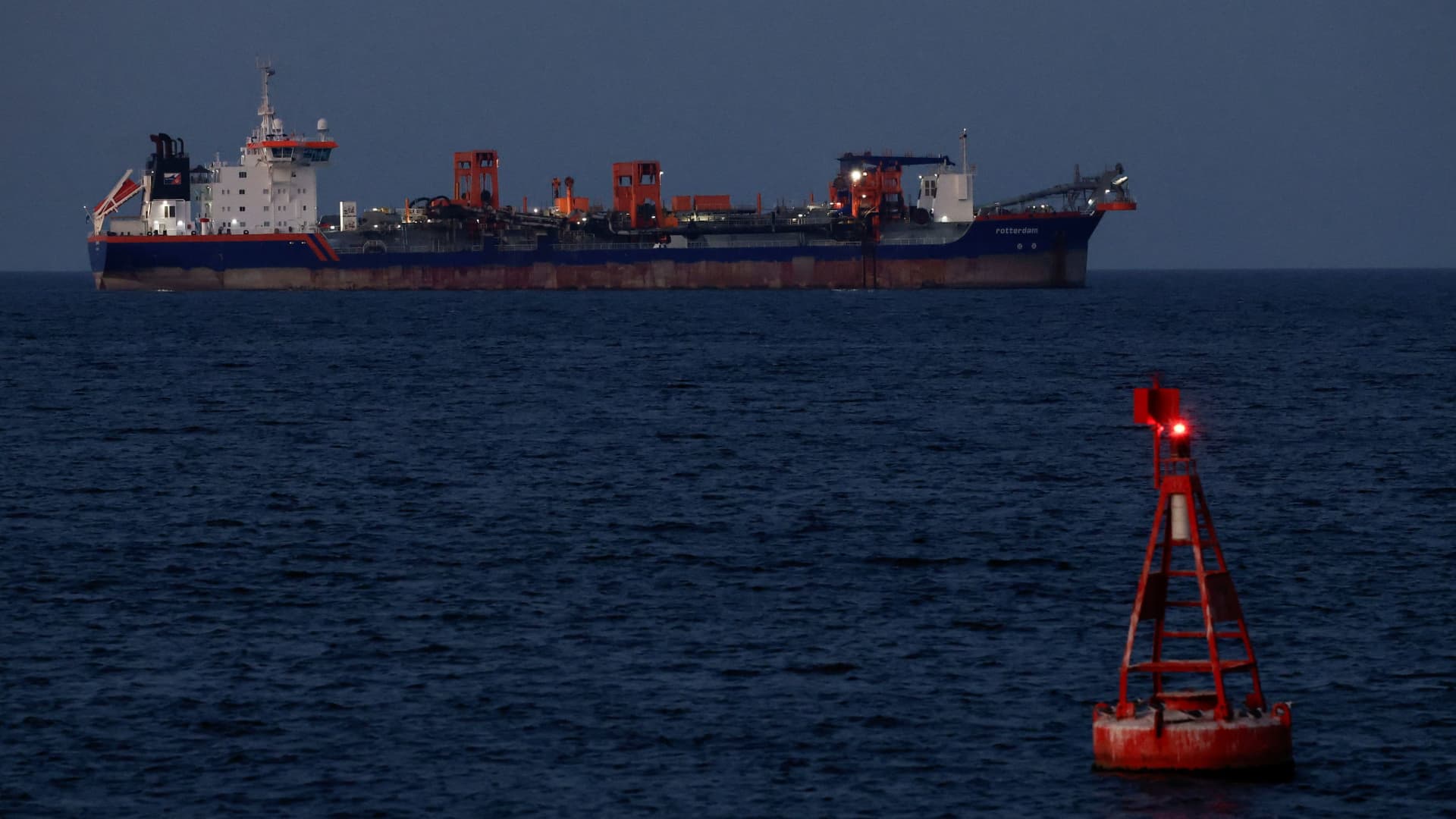
Iran Continues Crude Oil Exports to China via Strait of Hormuz Amid Conflict

- Crude Export Figures: Since the onset of the conflict on February 28, Iran has exported at least 11.7 million barrels of crude oil to China via the Strait of Hormuz, indicating that despite the escalating tensions, Iran is maintaining its energy supply relationship with its primary market to meet demand.
- Shipping Security Risks: The war has significantly reduced shipping traffic through the Strait of Hormuz, with the International Maritime Organization reporting that ten vessels were attacked by Iran shortly after the conflict began, resulting in at least seven seafarer fatalities, thereby increasing shipping risks and uncertainties.
- Alternative Export Channels: Iran has resumed loading crude oil at the Jask oil and gas terminal, which, despite its lower efficiency, signals Tehran's exploration of alternative export routes outside the Strait of Hormuz to mitigate potential supply disruptions.
- China's Strategic Reserves: In 2023, China accelerated its oil stockpiling efforts, with imports rising 15.8% year-on-year in the first two months, demonstrating that amid escalating global energy supply risks, China is proactively preparing for future energy demands.
See More

Stocks Close Steady as Oil Prices Drop Significantly

- Session Outcome: The recent session concluded with a lack of significant developments, leaving many feeling underwhelmed.
- Mixed Signals: The overall messaging from the session was inconsistent, contributing to confusion among participants.
- Expectations vs. Reality: Anticipated outcomes did not materialize, leading to disappointment among stakeholders.
- Future Implications: The session's lack of decisive action may have repercussions for future discussions and decisions.
See More
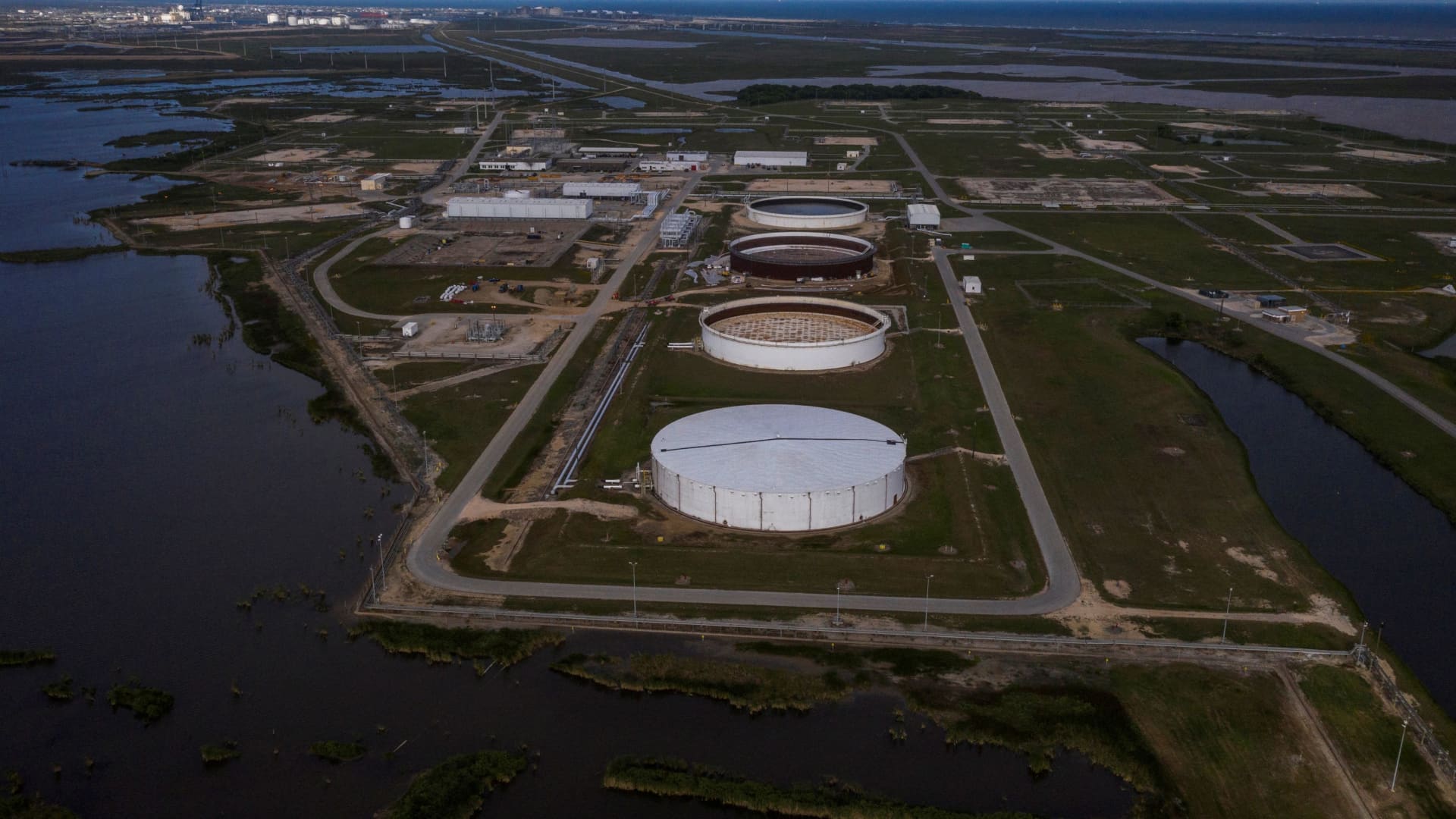
IEA Holds Extraordinary Meeting on Possible Oil Reserve Release

- Extraordinary Meeting: The International Energy Agency (IEA) will convene an extraordinary meeting on Tuesday to discuss the potential release of oil reserves due to supply disruptions caused by the Iran war, which is expected to impact the global oil market.
- Reserve Assessment: IEA Executive Director Fatih Birol stated that member countries will assess current supply security and market conditions to determine whether to release emergency stocks, with members collectively holding about 1.2 billion barrels in reserve.
- Price Volatility: Oil prices fell more than 11% as the market anticipates a release of oil stocks, after surging to nearly $120 per barrel on Monday due to supply disruptions, indicating the market's acute sensitivity to supply security.
- Global Consequences: Saudi Aramco's CEO warned that the Iran war will have
See More
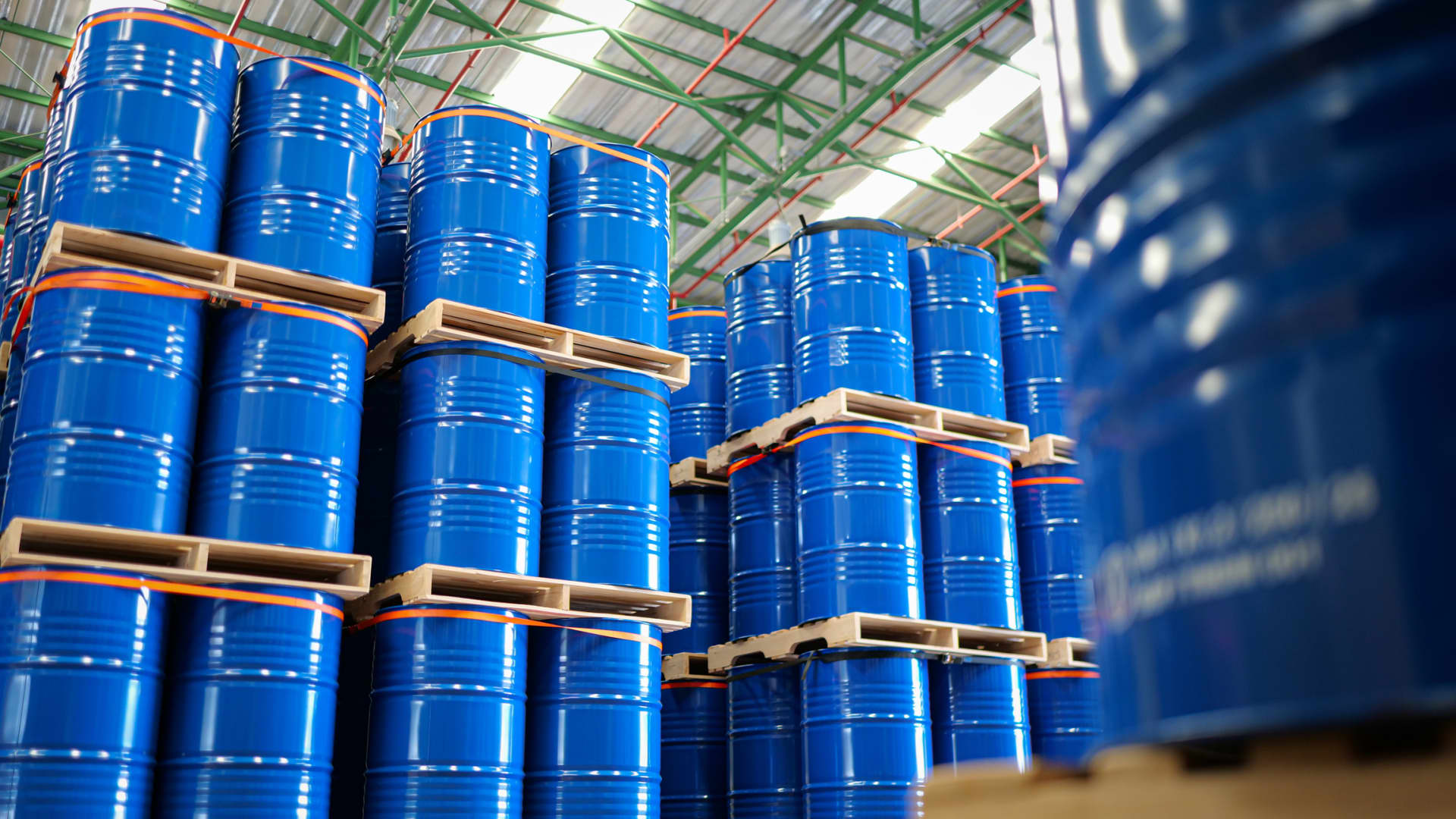
Bank of America: Oil Prices May Have Peaked Short-Term
- Oil Price Volatility: Bank of America's technical strategist Paul Ciana noted that Monday's oil price fluctuations, which peaked at $120 per barrel before retreating below $90, indicate a potential short-term peak, urging investors to be cautious of volatility risks.
- Brent Crude Forecast: Ciana predicts that Brent crude will consolidate between $90 and $110 in the short term, based on how the market stabilized after the initial spike following the Russia-Ukraine conflict in early 2022, suggesting a period of high-level consolidation ahead.
- Future Price Potential: He warned that despite current high prices, there remains room for further increases due to supply concerns, with Brent potentially surging to between $134 and $150 if another spike occurs, highlighting market uncertainty.
- Energy Stock Investment Advice: Bank of America updated its outlook for the S&P Energy sector and Exxon Mobil, indicating both are consolidating after significant gains, recommending investors avoid purchases for now as momentum appears stretched, necessitating careful evaluation of future investment opportunities.
See More

US Defense Secretary Declares Intensified Strikes Against Iran


- Military Action Escalation: Defense Secretary Hegseth announced that Tuesday will mark the most intense day of strikes against Iran, with the U.S. observing the lowest number of missiles fired by Iran in the past 24 hours, indicating a significant decline in its military capabilities and potential further losses in the conflict.
- Control of Strategic Objectives: Hegseth emphasized that President Trump will dictate the pace of the war, deciding when specific objectives are achieved, which could influence the U.S.'s long-term military deployment and diplomatic strategy in the Middle East.
- Oil Price Volatility Impact: As the conflict escalates, oil prices surged past $110, prompting the G7 to consider releasing emergency reserves to mitigate economic pressures from the widening Middle East war, which could have profound implications for global energy markets, particularly for oil-importing nations.
- New Leadership Challenges: Trump expressed dissatisfaction with Iran's new supreme leader Mojtaba Khamenei, suggesting he cannot live in peace, which may exacerbate tensions in U.S.-Iran relations and affect future diplomatic negotiations.
See More
US Sinks Iranian Ships Amid Strait of Hormuz Tensions
- Military Escalation: The U.S. Central Command reported that American forces sank several Iranian ships, including 16 minelayers, near the Strait of Hormuz on Tuesday, responding to Iran's threat of mining the waterway, which could severely impact global energy supplies.
- Oil Price Volatility: Oil prices surged to nearly $120 a barrel on Monday due to escalating conflict, although they have since retreated, with U.S. WTI crude trading at $83.8 and global benchmark Brent at $87.9, reflecting market sensitivity to geopolitical risks.
- Iranian Naval Capability: Despite CNN's report of Iran laying a few mines recently in the Strait, Iran retains over 80% of its small boats and minelayers, potentially laying hundreds of mines, which could further escalate regional tensions.
- U.S. Navy Response Strategy: President Trump stated he ordered the U.S. Development Finance Corporation to provide political risk insurance for all maritime trade through the Gulf, although the U.S. Navy has declined shipping industry requests for escort due to high attack risks, potentially affecting energy transport security.
See More
Iran Continues Crude Oil Exports to China via Strait of Hormuz Amid Conflict
- Crude Export Figures: Since the onset of the conflict on February 28, Iran has exported at least 11.7 million barrels of crude oil to China via the Strait of Hormuz, indicating that despite the escalating tensions, Iran is maintaining its energy supply relationship with its primary market to meet demand.
- Shipping Security Risks: The war has significantly reduced shipping traffic through the Strait of Hormuz, with the International Maritime Organization reporting that ten vessels were attacked by Iran shortly after the conflict began, resulting in at least seven seafarer fatalities, thereby increasing shipping risks and uncertainties.
- Alternative Export Channels: Iran has resumed loading crude oil at the Jask oil and gas terminal, which, despite its lower efficiency, signals Tehran's exploration of alternative export routes outside the Strait of Hormuz to mitigate potential supply disruptions.
- China's Strategic Reserves: In 2023, China accelerated its oil stockpiling efforts, with imports rising 15.8% year-on-year in the first two months, demonstrating that amid escalating global energy supply risks, China is proactively preparing for future energy demands.
See More
Stocks Close Steady as Oil Prices Drop Significantly
- Session Outcome: The recent session concluded with a lack of significant developments, leaving many feeling underwhelmed.
- Mixed Signals: The overall messaging from the session was inconsistent, contributing to confusion among participants.
- Expectations vs. Reality: Anticipated outcomes did not materialize, leading to disappointment among stakeholders.
- Future Implications: The session's lack of decisive action may have repercussions for future discussions and decisions.
See More
IEA Holds Extraordinary Meeting on Possible Oil Reserve Release
- Extraordinary Meeting: The International Energy Agency (IEA) will convene an extraordinary meeting on Tuesday to discuss the potential release of oil reserves due to supply disruptions caused by the Iran war, which is expected to impact the global oil market.
- Reserve Assessment: IEA Executive Director Fatih Birol stated that member countries will assess current supply security and market conditions to determine whether to release emergency stocks, with members collectively holding about 1.2 billion barrels in reserve.
- Price Volatility: Oil prices fell more than 11% as the market anticipates a release of oil stocks, after surging to nearly $120 per barrel on Monday due to supply disruptions, indicating the market's acute sensitivity to supply security.
- Global Consequences: Saudi Aramco's CEO warned that the Iran war will have
See More
Bank of America: Oil Prices May Have Peaked Short-Term
- Oil Price Volatility: Bank of America's technical strategist Paul Ciana noted that Monday's oil price fluctuations, which peaked at $120 per barrel before retreating below $90, indicate a potential short-term peak, urging investors to be cautious of volatility risks.
- Brent Crude Forecast: Ciana predicts that Brent crude will consolidate between $90 and $110 in the short term, based on how the market stabilized after the initial spike following the Russia-Ukraine conflict in early 2022, suggesting a period of high-level consolidation ahead.
- Future Price Potential: He warned that despite current high prices, there remains room for further increases due to supply concerns, with Brent potentially surging to between $134 and $150 if another spike occurs, highlighting market uncertainty.
- Energy Stock Investment Advice: Bank of America updated its outlook for the S&P Energy sector and Exxon Mobil, indicating both are consolidating after significant gains, recommending investors avoid purchases for now as momentum appears stretched, necessitating careful evaluation of future investment opportunities.
See More
US Defense Secretary Declares Intensified Strikes Against Iran
- Military Action Escalation: Defense Secretary Hegseth announced that Tuesday will mark the most intense day of strikes against Iran, with the U.S. observing the lowest number of missiles fired by Iran in the past 24 hours, indicating a significant decline in its military capabilities and potential further losses in the conflict.
- Control of Strategic Objectives: Hegseth emphasized that President Trump will dictate the pace of the war, deciding when specific objectives are achieved, which could influence the U.S.'s long-term military deployment and diplomatic strategy in the Middle East.
- Oil Price Volatility Impact: As the conflict escalates, oil prices surged past $110, prompting the G7 to consider releasing emergency reserves to mitigate economic pressures from the widening Middle East war, which could have profound implications for global energy markets, particularly for oil-importing nations.
- New Leadership Challenges: Trump expressed dissatisfaction with Iran's new supreme leader Mojtaba Khamenei, suggesting he cannot live in peace, which may exacerbate tensions in U.S.-Iran relations and affect future diplomatic negotiations.
See More