Stocks Decline as Crude Oil Prices Surge Amid Iran Conflict
Written by Emily J. Thompson, Senior Investment Analyst
Updated: 7 hours ago
0mins

Should l Buy TSM?
Source: Yahoo Finance
- Crude Oil Surge: Despite a record release of reserves by the IEA, crude oil prices have surged, leading to a decline in market sentiment as investors grow increasingly concerned about the potential impact on future economic growth.
- Market Decline: Major stock indices fell broadly in response to rising oil prices, reflecting worries that increased energy costs could negatively affect corporate profits, particularly in a high-inflation environment.
- AI Stocks Shine: In contrast to the overall market downturn, positive news from Nvidia and Oracle boosted AI-related stocks, indicating that investor confidence in this sector remains robust despite broader market challenges.
- Geopolitical Impact: The ongoing tensions from the Iran conflict have heightened market uncertainty, with investors expressing concerns over potential disruptions to energy supply chains, thereby affecting overall market performance.
Trade with 70% Backtested Accuracy
Stop guessing "Should I Buy TSM?" and start using high-conviction signals backed by rigorous historical data.
Sign up today to access powerful investing tools and make smarter, data-driven decisions.
Analyst Views on TSM
Wall Street analysts forecast TSM stock price to fall
8 Analyst Rating
7 Buy
1 Hold
0 Sell
Strong Buy
Current: 347.090

Low
63.24
Averages
313.46
High
390.00
Current: 347.090
Low
63.24
Averages
313.46
High
390.00
About TSM
Taiwan Semiconductor Manufacturing Co Ltd is a Taiwan-based integrated circuit foundry service provider. The Company is primarily engaged in integrated circuit manufacturing services. It offers advanced process technologies, specialised process solutions, advanced photomask and silicon stacking, and packaging-related technologies, while supporting a comprehensive design ecosystem. The Company's products serve diverse electronic sectors including artificial intelligence, high-performance computing, wired and wireless communications, automotive and industrial equipment, personal computing, information applications, consumer electronics, smart internet of things, and wearable devices.
About the author

Emily J. Thompson
Emily J. Thompson, a Chartered Financial Analyst (CFA) with 12 years in investment research, graduated with honors from the Wharton School. Specializing in industrial and technology stocks, she provides in-depth analysis for Intellectia’s earnings and market brief reports.

TSMC Reports 30% Revenue Growth for Jan-Feb 2026

- Significant Revenue Growth: TSMC reported combined revenue of NT$718.91 billion for January-February 2026, reflecting a robust 30% year-over-year increase, driven by sustained global investment in AI technologies, reinforcing its leadership in the semiconductor industry.
- February Revenue Fluctuation: February revenue stood at NT$317.66 billion, down 20.8% from January, yet still up 22.2% year-over-year, indicating strong demand for high-performance chips and the company's strategic adjustments to navigate market volatility.
- Dividend and Investment Plans: TSMC approved a quarterly dividend of NT$6.0 per share in February and allocated $45 billion for fab construction and capacity upgrades in advanced front-end and specialty technologies, demonstrating confidence in future growth and commitment to ongoing investments.
- Monitoring Geopolitical Risks: TSMC stated that it does not expect significant impacts from the U.S.-Israel-Iran conflict, while closely monitoring the situation to ensure supply chain stability and market competitiveness, showcasing its adaptability in a complex international environment.
See More
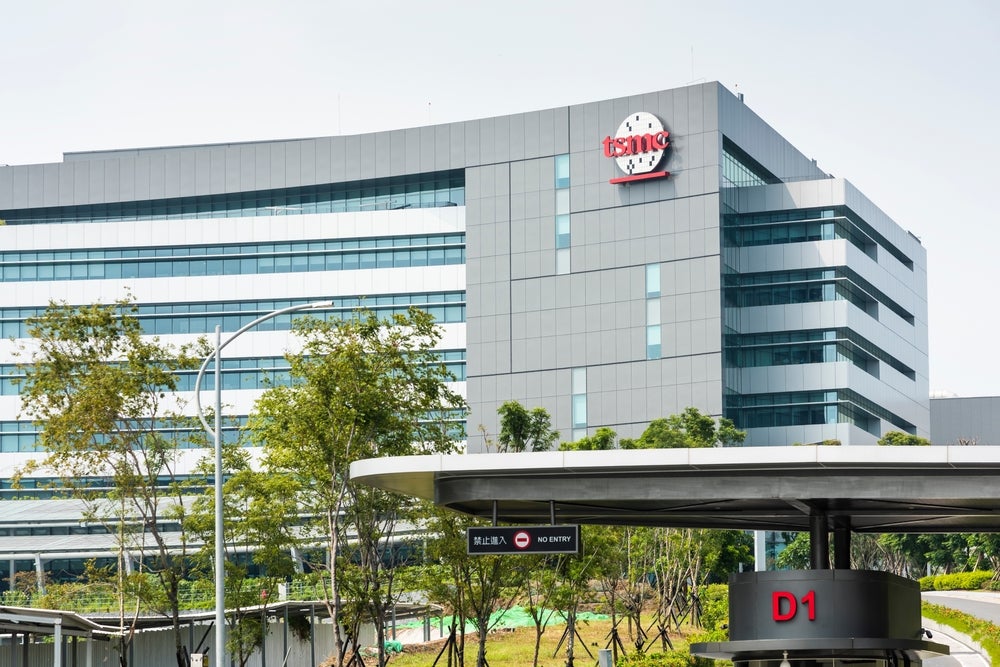
TSMC Expands Workforce Amid Global Chip Demand
- Hiring Initiative: TSMC plans to hire approximately 8,000 employees this year, offering an average annual salary of 2.2 million New Taiwan dollars (about $69,449), demonstrating the company's confidence in future market demand amid global chip shortages.
- Diverse Talent Acquisition: The recruitment drive targets multiple fields including electrical engineering, materials science, mechanical engineering, business management, and accounting, while also focusing on specialists in AI, big data, and digital transformation technologies to enhance its technical capabilities.
- Political Controversy: TSMC's investments in the U.S. have sparked debate in Taiwan, with some politicians arguing that this could weaken Taiwan's semiconductor industry, although analysts suggest that Taiwan's global chip dominance remains intact, highlighting political reactions amid economic anxieties.
- Stock Performance: TSMC shares fell 1.02% to $335.43 in premarket trading on Monday, reflecting market concerns over the semiconductor sector despite the company's strong fundamentals and expansion plans.
See More

Income Fund Excels Thanks to Stocks Like Starbucks, Amgen, and CVS


- Hilda Applbaum's Passion: Hilda Applbaum, a resident of Oakland, California, takes great pride in her blueberry bushes.
- Gardening Joy: She enjoys the process of planting seedlings, nurturing their growth, and harvesting the berries for her morning yogurt.
See More

Stocks Decline as Crude Oil Prices Surge Amid Iran Conflict

- Crude Oil Surge: Despite a record release of reserves by the IEA, crude oil prices have surged, leading to a decline in market sentiment as investors grow increasingly concerned about the potential impact on future economic growth.
- Market Decline: Major stock indices fell broadly in response to rising oil prices, reflecting worries that increased energy costs could negatively affect corporate profits, particularly in a high-inflation environment.
- AI Stocks Shine: In contrast to the overall market downturn, positive news from Nvidia and Oracle boosted AI-related stocks, indicating that investor confidence in this sector remains robust despite broader market challenges.
- Geopolitical Impact: The ongoing tensions from the Iran conflict have heightened market uncertainty, with investors expressing concerns over potential disruptions to energy supply chains, thereby affecting overall market performance.
See More

AI Companies Drive Stock Market Performance Amid Long-Term Growth

- Broadcom AI Revenue Surge: Broadcom's latest earnings report reveals a staggering over 100% year-over-year increase in AI revenue to $8.4 billion, with semiconductor revenue expected to exceed $10 billion next quarter, indicating robust market demand and the company's growth potential in the AI sector.
- Market Share Expansion: While Nvidia remains the leader in AI chips, Broadcom has successfully carved out a niche by offering custom chips for specific tasks, projecting AI chip revenue to reach $100 billion by 2027, showcasing its strong supply chain capabilities.
- TSMC's Strong Performance: Taiwan Semiconductor Manufacturing reported a 20% revenue increase and a 30% rise in earnings per share in its latest earnings report, reflecting strong AI demand and rising customer needs for semiconductors, suggesting significant growth potential ahead.
- Optimistic Industry Outlook: TSMC CEO C.C. Wei expressed strong confidence in the multi-year AI megatrend, predicting sustained semiconductor demand in the coming years, further solidifying market sentiment towards its stock.
See More

AI Industry Giants Report Strong Earnings
- Revenue Surge: Broadcom reported AI revenue exceeding $8.4 billion in its latest earnings report, marking over 100% year-over-year growth, with semiconductor revenue expected to surpass $10 billion next quarter, indicating robust market demand and growth potential.
- Optimistic Market Outlook: Broadcom anticipates that AI chip revenue will reach $100 billion by 2027, demonstrating the company's strategic positioning and supply chain capabilities that will drive sustained growth in the AI sector.
- Industry Leadership: Taiwan Semiconductor Manufacturing (TSMC) reported a 20% revenue increase and a 30% rise in earnings per share in its latest earnings report, reflecting strong confidence in AI demand, with CEO C.C. Wei expressing conviction in the multi-year AI megatrend.
- Infrastructure Investment Prospects: Nvidia's CEO predicts that AI infrastructure spending could reach $4 trillion by 2030, a trend that will further fuel TSMC's growth, suggesting strong performance in upcoming earnings reports.
See More
TSMC Reports 30% Revenue Growth for Jan-Feb 2026
- Significant Revenue Growth: TSMC reported combined revenue of NT$718.91 billion for January-February 2026, reflecting a robust 30% year-over-year increase, driven by sustained global investment in AI technologies, reinforcing its leadership in the semiconductor industry.
- February Revenue Fluctuation: February revenue stood at NT$317.66 billion, down 20.8% from January, yet still up 22.2% year-over-year, indicating strong demand for high-performance chips and the company's strategic adjustments to navigate market volatility.
- Dividend and Investment Plans: TSMC approved a quarterly dividend of NT$6.0 per share in February and allocated $45 billion for fab construction and capacity upgrades in advanced front-end and specialty technologies, demonstrating confidence in future growth and commitment to ongoing investments.
- Monitoring Geopolitical Risks: TSMC stated that it does not expect significant impacts from the U.S.-Israel-Iran conflict, while closely monitoring the situation to ensure supply chain stability and market competitiveness, showcasing its adaptability in a complex international environment.
See More
TSMC Expands Workforce Amid Global Chip Demand
- Hiring Initiative: TSMC plans to hire approximately 8,000 employees this year, offering an average annual salary of 2.2 million New Taiwan dollars (about $69,449), demonstrating the company's confidence in future market demand amid global chip shortages.
- Diverse Talent Acquisition: The recruitment drive targets multiple fields including electrical engineering, materials science, mechanical engineering, business management, and accounting, while also focusing on specialists in AI, big data, and digital transformation technologies to enhance its technical capabilities.
- Political Controversy: TSMC's investments in the U.S. have sparked debate in Taiwan, with some politicians arguing that this could weaken Taiwan's semiconductor industry, although analysts suggest that Taiwan's global chip dominance remains intact, highlighting political reactions amid economic anxieties.
- Stock Performance: TSMC shares fell 1.02% to $335.43 in premarket trading on Monday, reflecting market concerns over the semiconductor sector despite the company's strong fundamentals and expansion plans.
See More
Income Fund Excels Thanks to Stocks Like Starbucks, Amgen, and CVS
- Hilda Applbaum's Passion: Hilda Applbaum, a resident of Oakland, California, takes great pride in her blueberry bushes.
- Gardening Joy: She enjoys the process of planting seedlings, nurturing their growth, and harvesting the berries for her morning yogurt.
See More
Stocks Decline as Crude Oil Prices Surge Amid Iran Conflict
- Crude Oil Surge: Despite a record release of reserves by the IEA, crude oil prices have surged, leading to a decline in market sentiment as investors grow increasingly concerned about the potential impact on future economic growth.
- Market Decline: Major stock indices fell broadly in response to rising oil prices, reflecting worries that increased energy costs could negatively affect corporate profits, particularly in a high-inflation environment.
- AI Stocks Shine: In contrast to the overall market downturn, positive news from Nvidia and Oracle boosted AI-related stocks, indicating that investor confidence in this sector remains robust despite broader market challenges.
- Geopolitical Impact: The ongoing tensions from the Iran conflict have heightened market uncertainty, with investors expressing concerns over potential disruptions to energy supply chains, thereby affecting overall market performance.
See More
AI Companies Drive Stock Market Performance Amid Long-Term Growth
- Broadcom AI Revenue Surge: Broadcom's latest earnings report reveals a staggering over 100% year-over-year increase in AI revenue to $8.4 billion, with semiconductor revenue expected to exceed $10 billion next quarter, indicating robust market demand and the company's growth potential in the AI sector.
- Market Share Expansion: While Nvidia remains the leader in AI chips, Broadcom has successfully carved out a niche by offering custom chips for specific tasks, projecting AI chip revenue to reach $100 billion by 2027, showcasing its strong supply chain capabilities.
- TSMC's Strong Performance: Taiwan Semiconductor Manufacturing reported a 20% revenue increase and a 30% rise in earnings per share in its latest earnings report, reflecting strong AI demand and rising customer needs for semiconductors, suggesting significant growth potential ahead.
- Optimistic Industry Outlook: TSMC CEO C.C. Wei expressed strong confidence in the multi-year AI megatrend, predicting sustained semiconductor demand in the coming years, further solidifying market sentiment towards its stock.
See More
AI Industry Giants Report Strong Earnings
- Revenue Surge: Broadcom reported AI revenue exceeding $8.4 billion in its latest earnings report, marking over 100% year-over-year growth, with semiconductor revenue expected to surpass $10 billion next quarter, indicating robust market demand and growth potential.
- Optimistic Market Outlook: Broadcom anticipates that AI chip revenue will reach $100 billion by 2027, demonstrating the company's strategic positioning and supply chain capabilities that will drive sustained growth in the AI sector.
- Industry Leadership: Taiwan Semiconductor Manufacturing (TSMC) reported a 20% revenue increase and a 30% rise in earnings per share in its latest earnings report, reflecting strong confidence in AI demand, with CEO C.C. Wei expressing conviction in the multi-year AI megatrend.
- Infrastructure Investment Prospects: Nvidia's CEO predicts that AI infrastructure spending could reach $4 trillion by 2030, a trend that will further fuel TSMC's growth, suggesting strong performance in upcoming earnings reports.
See More