

Sporting Goods Retailers Face Store Closures
Written by Emily J. Thompson, Senior Investment Analyst
Updated: Feb 07 2026
0mins
Should l Buy DKS?
Source: Yahoo Finance
- Industry Challenges Intensify: The closure of Rocky's Great Outdoors and other retailers highlights the mounting macroeconomic pressures and declining consumer spending willingness, resulting in slower sales and reduced foot traffic across the sporting goods sector due to intensified competition from online retailers.
- Bankruptcy Wave Spreads: Since 2020, brands like Olympia Sports and Orvis have filed for bankruptcy and closed stores, illustrating the fragility of the sporting goods market, particularly under high inflation and tariff pressures that make it difficult for retailers to maintain profitability.
- Market Share Restructuring: While Dick's Sporting Goods and Academy Sports have thrived, the disappearance of other brands is reshaping the market landscape, as consumer reliance on brick-and-mortar stores diminishes, further exacerbating industry consolidation trends.
- Liquidation Sales Initiated: Rocky's Great Outdoors has partnered with Liquid Assets to launch a 12-week liquidation sale, which is expected to impact the local economy and reflects retailers' strategies in response to ongoing challenges in the market.
Trade with 70% Backtested Accuracy
Stop guessing "Should I Buy DKS?" and start using high-conviction signals backed by rigorous historical data.
Sign up today to access powerful investing tools and make smarter, data-driven decisions.
Analyst Views on DKS
Wall Street analysts forecast DKS stock price to rise
15 Analyst Rating
10 Buy
5 Hold
0 Sell
Moderate Buy
Current: 192.130

Low
180.00
Averages
248.14
High
285.00
Current: 192.130
Low
180.00
Averages
248.14
High
285.00
About DKS
DICK'S Sporting Goods, Inc. is an omni-channel sporting goods retailer. The Company owns and operates Golf Galaxy, Public Lands, and Going Going Gone! specialty concept stores, and also offers its products online and through its mobile applications. It also owns and operates DICK’S House of Sport and Golf Galaxy Performance Center, as well as GameChanger, a youth sports mobile platform for livestreaming, scheduling, communications and scorekeeping. The Company operates over 3,200 stores e-commerce and digital businesses across 20 countries in North America, Europe, Asia, and Australia, plus a licensed store presence in Europe, the Middle East and Asia. It carries a wide variety of national brands, including but not limited to adidas, Asics, Brooks, Callaway Golf, Carhartt, Columbia, Hoka, Jordan, New Balance, Nike, Peloton, The North Face, Under Armour, Wilson, Yeti, and others. It also owns and operates brands such as Foot Locker, Kids Foot Locker, Champs Sports, WSS, and atmos.
About the author

Emily J. Thompson
Emily J. Thompson, a Chartered Financial Analyst (CFA) with 12 years in investment research, graduated with honors from the Wharton School. Specializing in industrial and technology stocks, she provides in-depth analysis for Intellectia’s earnings and market brief reports.

Nike's Q3 Earnings Disappointment Leads to Stock Plunge
- Earnings Disappointment: Nike's disappointing Q3 earnings report led to a 15.5% stock drop on Wednesday, with market capitalization now below $70 billion, indicating significant profit pressure and declining market confidence.
- External Challenges: The stock fell 15% over the past month due to the Iran war's impact on oil prices and global economic uncertainty, highlighting the vulnerability of Nike as a major consumer discretionary company amid rising recession risks.
- Organizational Changes: Nike announced organizational changes, including layoffs, with a projected $300 million severance charge, aimed at addressing external challenges and internal efficiency issues, although market sentiment remains cautious about its future.
- Analyst Rating Changes: Despite the challenges, Barclays upgraded Nike to overweight, citing operational progress, while Jefferies maintained a buy rating with a $110 price target, reflecting some analysts' confidence in Nike's future prospects.
See More
Tiger Woods Steps Back from Golf Following Car Accident


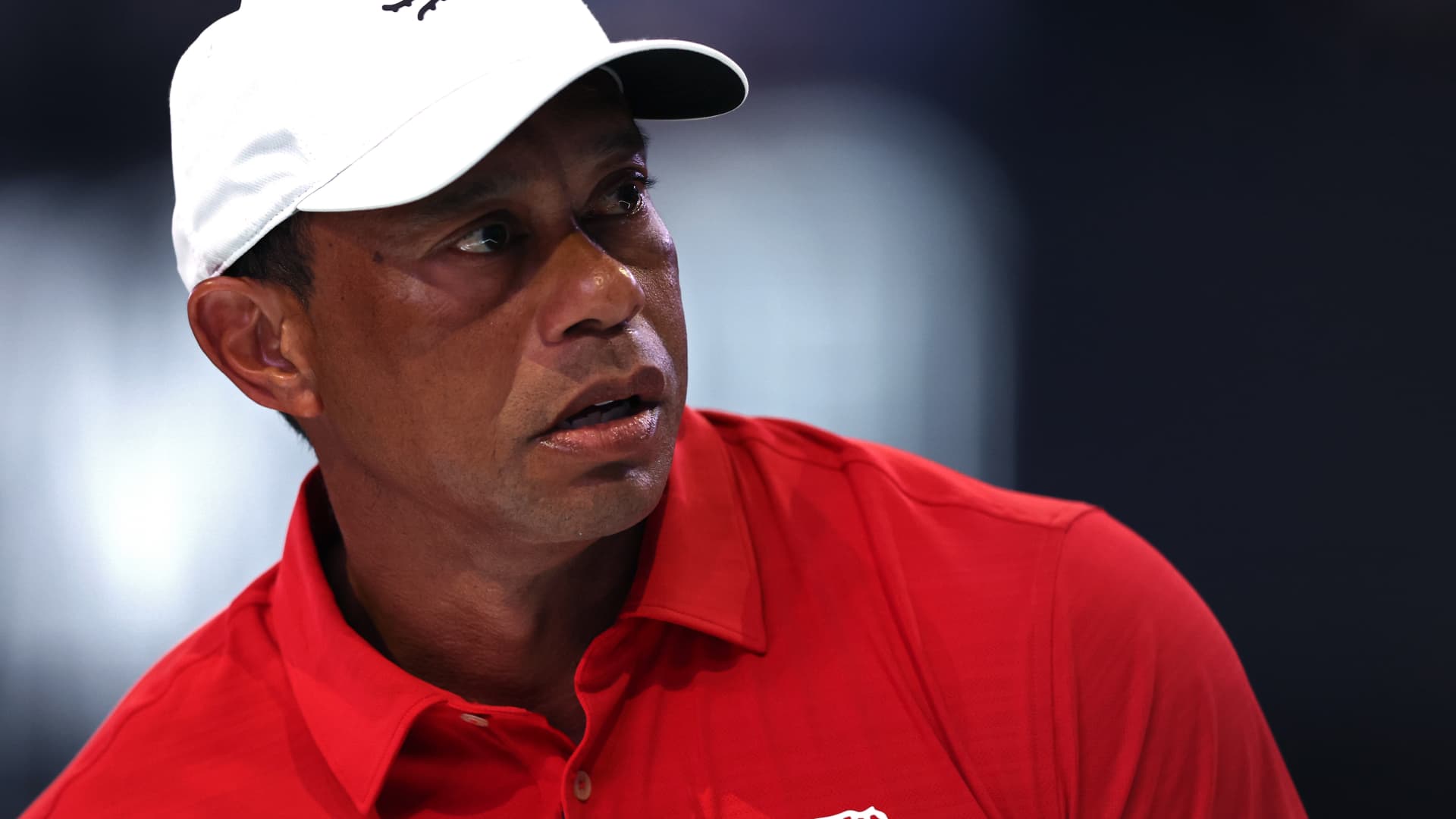
- Health Comes First: Tiger Woods has decided to step back from golf following a rollover car accident, stating he will focus on recovery without providing a specific timeline for his return, a move that could impact his standing in professional golf.
- Career Reflection: Golf Channel analyst Brandel Chamblee suggested that Woods should consider retirement, questioning the necessity of continuing to compete after multiple injuries, which has sparked widespread discussion about his future in the sport.
- Event Support: Although Woods will miss the upcoming Masters Tournament, Chairman Fred Ridley emphasized the tournament's full support for Woods, highlighting that his influence extends beyond his achievements on the course, showcasing the golf community's concern for his well-being.
- Brand and Foundation Support: Woods' education foundation and apparel brand Sun Day Red both expressed their support for him, emphasizing their commitment to serving students and communities while he focuses on his health, reflecting Woods' impact beyond the golf realm.
See More
Nike's Earnings Miss Expectations, Shares Plunge 14%

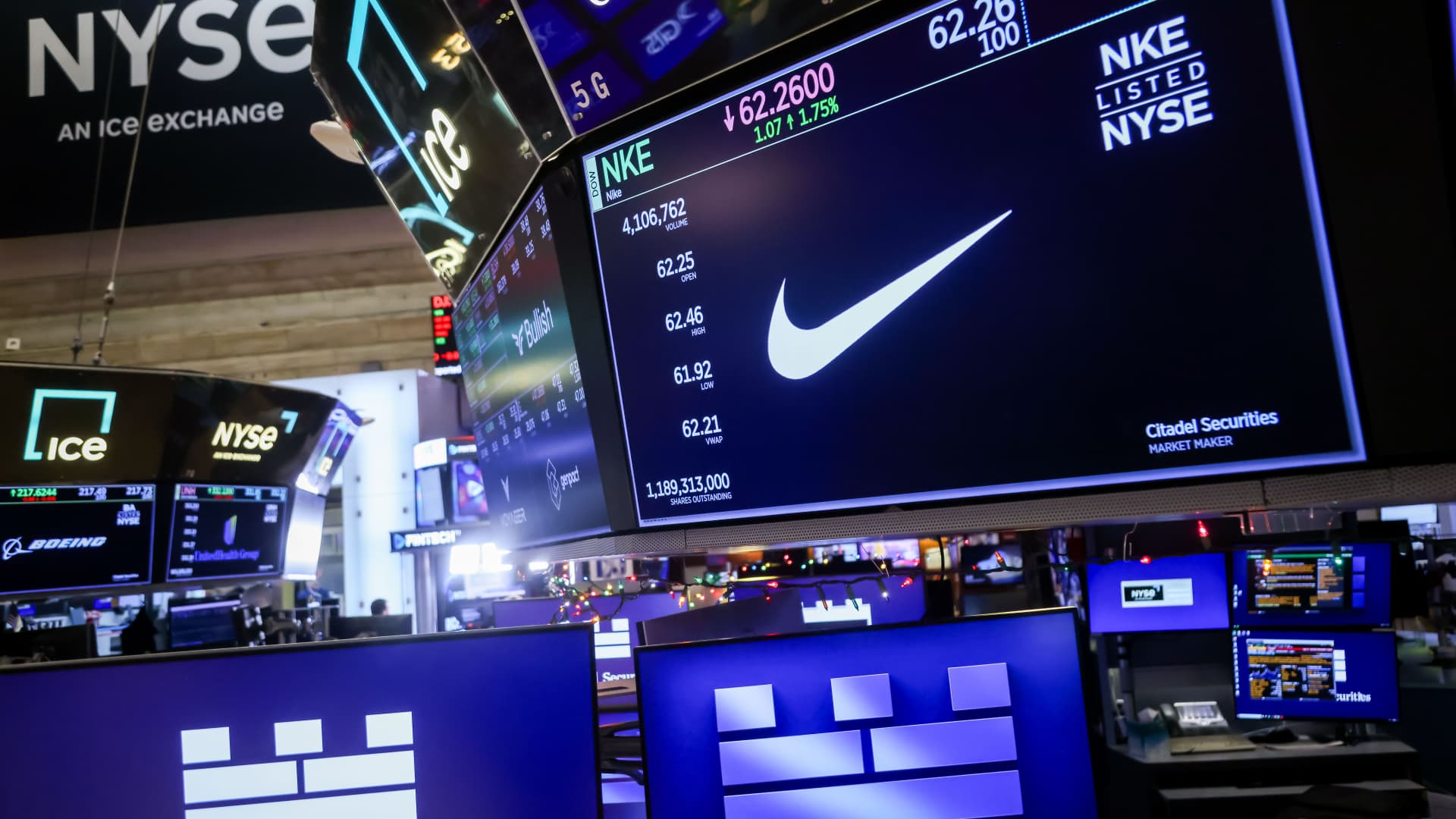
- Sales Forecast Downgrade: Nike anticipates a sales decline of 2% to 4% for the current quarter, significantly worse than the 1.9% growth analysts expected, primarily due to a projected 20% drop in China, negatively impacting overall performance.
- Gross Margin Decline: Nike's gross margin has fallen for seven consecutive quarters, and rising input costs due to the Middle East conflict may complicate future margin recovery, potentially affecting profitability.
- Market Reaction: The slow turnaround has led to downgrades from three major Wall Street banks, indicating diminishing investor patience regarding the company's growth prospects, especially with an unclear timeline for sales recovery.
- Management's Lack of Confidence: Although management expresses optimism about recovery in North America, the vague timeline for achieving balanced growth suggests ongoing challenges, with CEO Hill acknowledging that the recovery process is more complex than anticipated.
See More
Small Business Hiring Surges Amid Health Care Job Growth

- Small Business Hiring Surge: According to ADP data, private sector employment grew by 62,000 jobs in March, significantly exceeding the Dow Jones consensus of 39,000, with small businesses adding 85,000 jobs, showcasing their resilience amid inflation-driven demand.
- Health Care Sector Strength: The education and health services sectors added 58,000 jobs, partly due to the resolution of a strike at Kaiser Permanente, indicating that health care is providing a defensive floor for the economy even as trade and transport face challenges.
- Manufacturing and Transportation Weakness: Despite the positive overall employment data, the manufacturing and transportation sectors shed nearly 70,000 jobs combined, highlighting a stark divergence between the strength of the service sector and the softness in industrial sectors, which could impact future economic growth.
- Positive Market Reaction: Wall Street opened higher on hopes of a Middle East resolution, although oil prices retreated to $100 per barrel; investors remain cautious ahead of a presidential address that could dictate the market's direction for the new quarter.
See More
Nike's Weak Sales Guidance Leads to Downgrades
- Sales Guidance Downgrade: Nike expects a sales drop of 2% to 4% in Q4, significantly below Wall Street's 1.9% growth forecast, indicating that its new corporate strategy has not quickly improved product demand, resulting in an almost 11% share price decline.
- Analyst Downgrades: Bank of America downgraded Nike from Buy to Neutral and cut its price target from $73 to $55, suggesting a 4% upside, reflecting a pessimistic outlook on future sales growth amid disappointing guidance.
- Delayed Strategic Execution: Nike's 'Win Now' roadmap aimed at reversing declining sales through new wholesale deals and performance innovation has seen slow progress, leading to diminished investor confidence and a shift towards bearish market sentiment.
- Poor Market Performance: Nike's shares have fallen 17% year-to-date, underperforming the broader market, with analysts noting ongoing pressures in international markets (like EMEA and China) and an extended timeline for sales recovery.
See More
Stock Market Rebounds Amid OpenAI's Record Funding Round

- Market Rebound: The stock market experienced its best day since May after an unconfirmed report indicated that the Iranian president is open to ending the U.S.-Iran war, although the major indexes still logged significant losses in March, highlighting market volatility.
- Nike's Performance Fluctuations: Nike beat Wall Street's expectations in its earnings report, but concerns over declining sales forecasts led to a more than 10% drop in its stock during after-hours trading, reflecting market apprehension regarding its performance in China and overall uncertainty.
- Voting Rights Regulation: President Trump signed an executive order limiting mail-in voting, which faced immediate backlash from voting rights advocates and could lead to legal challenges ahead of the upcoming midterm elections, potentially impacting voter access.
- OpenAI Funding Milestone: OpenAI announced a record-breaking funding round, raising $122 billion in committed capital, enhancing its IPO potential, despite not yet achieving profitability, indicating strong market interest in its future prospects.
See More
Nike's Q3 Earnings Disappointment Leads to Stock Plunge
- Earnings Disappointment: Nike's disappointing Q3 earnings report led to a 15.5% stock drop on Wednesday, with market capitalization now below $70 billion, indicating significant profit pressure and declining market confidence.
- External Challenges: The stock fell 15% over the past month due to the Iran war's impact on oil prices and global economic uncertainty, highlighting the vulnerability of Nike as a major consumer discretionary company amid rising recession risks.
- Organizational Changes: Nike announced organizational changes, including layoffs, with a projected $300 million severance charge, aimed at addressing external challenges and internal efficiency issues, although market sentiment remains cautious about its future.
- Analyst Rating Changes: Despite the challenges, Barclays upgraded Nike to overweight, citing operational progress, while Jefferies maintained a buy rating with a $110 price target, reflecting some analysts' confidence in Nike's future prospects.
See More
Tiger Woods Steps Back from Golf Following Car Accident
- Health Comes First: Tiger Woods has decided to step back from golf following a rollover car accident, stating he will focus on recovery without providing a specific timeline for his return, a move that could impact his standing in professional golf.
- Career Reflection: Golf Channel analyst Brandel Chamblee suggested that Woods should consider retirement, questioning the necessity of continuing to compete after multiple injuries, which has sparked widespread discussion about his future in the sport.
- Event Support: Although Woods will miss the upcoming Masters Tournament, Chairman Fred Ridley emphasized the tournament's full support for Woods, highlighting that his influence extends beyond his achievements on the course, showcasing the golf community's concern for his well-being.
- Brand and Foundation Support: Woods' education foundation and apparel brand Sun Day Red both expressed their support for him, emphasizing their commitment to serving students and communities while he focuses on his health, reflecting Woods' impact beyond the golf realm.
See More
Nike's Earnings Miss Expectations, Shares Plunge 14%
- Sales Forecast Downgrade: Nike anticipates a sales decline of 2% to 4% for the current quarter, significantly worse than the 1.9% growth analysts expected, primarily due to a projected 20% drop in China, negatively impacting overall performance.
- Gross Margin Decline: Nike's gross margin has fallen for seven consecutive quarters, and rising input costs due to the Middle East conflict may complicate future margin recovery, potentially affecting profitability.
- Market Reaction: The slow turnaround has led to downgrades from three major Wall Street banks, indicating diminishing investor patience regarding the company's growth prospects, especially with an unclear timeline for sales recovery.
- Management's Lack of Confidence: Although management expresses optimism about recovery in North America, the vague timeline for achieving balanced growth suggests ongoing challenges, with CEO Hill acknowledging that the recovery process is more complex than anticipated.
See More
Small Business Hiring Surges Amid Health Care Job Growth
- Small Business Hiring Surge: According to ADP data, private sector employment grew by 62,000 jobs in March, significantly exceeding the Dow Jones consensus of 39,000, with small businesses adding 85,000 jobs, showcasing their resilience amid inflation-driven demand.
- Health Care Sector Strength: The education and health services sectors added 58,000 jobs, partly due to the resolution of a strike at Kaiser Permanente, indicating that health care is providing a defensive floor for the economy even as trade and transport face challenges.
- Manufacturing and Transportation Weakness: Despite the positive overall employment data, the manufacturing and transportation sectors shed nearly 70,000 jobs combined, highlighting a stark divergence between the strength of the service sector and the softness in industrial sectors, which could impact future economic growth.
- Positive Market Reaction: Wall Street opened higher on hopes of a Middle East resolution, although oil prices retreated to $100 per barrel; investors remain cautious ahead of a presidential address that could dictate the market's direction for the new quarter.
See More
Nike's Weak Sales Guidance Leads to Downgrades
- Sales Guidance Downgrade: Nike expects a sales drop of 2% to 4% in Q4, significantly below Wall Street's 1.9% growth forecast, indicating that its new corporate strategy has not quickly improved product demand, resulting in an almost 11% share price decline.
- Analyst Downgrades: Bank of America downgraded Nike from Buy to Neutral and cut its price target from $73 to $55, suggesting a 4% upside, reflecting a pessimistic outlook on future sales growth amid disappointing guidance.
- Delayed Strategic Execution: Nike's 'Win Now' roadmap aimed at reversing declining sales through new wholesale deals and performance innovation has seen slow progress, leading to diminished investor confidence and a shift towards bearish market sentiment.
- Poor Market Performance: Nike's shares have fallen 17% year-to-date, underperforming the broader market, with analysts noting ongoing pressures in international markets (like EMEA and China) and an extended timeline for sales recovery.
See More
Stock Market Rebounds Amid OpenAI's Record Funding Round
- Market Rebound: The stock market experienced its best day since May after an unconfirmed report indicated that the Iranian president is open to ending the U.S.-Iran war, although the major indexes still logged significant losses in March, highlighting market volatility.
- Nike's Performance Fluctuations: Nike beat Wall Street's expectations in its earnings report, but concerns over declining sales forecasts led to a more than 10% drop in its stock during after-hours trading, reflecting market apprehension regarding its performance in China and overall uncertainty.
- Voting Rights Regulation: President Trump signed an executive order limiting mail-in voting, which faced immediate backlash from voting rights advocates and could lead to legal challenges ahead of the upcoming midterm elections, potentially impacting voter access.
- OpenAI Funding Milestone: OpenAI announced a record-breaking funding round, raising $122 billion in committed capital, enhancing its IPO potential, despite not yet achieving profitability, indicating strong market interest in its future prospects.
See More




