SpaceX Raises Prices Amid Competitor Crisis
Written by Emily J. Thompson, Senior Investment Analyst
Updated: 1 hour ago
0mins
Should l Buy LMT?
Source: Fool
- Price Increase Strategy: SpaceX has raised the launch price of its Falcon 9 from $69.75 million to $74 million during the competitor Vulcan's launch halt, aiming to expand profit margins and enhance its IPO valuation.
- Market Competitive Advantage: Even if Vulcan resumes launches, its projected price of $110 million ensures SpaceX maintains a price advantage, safeguarding its market share from potential losses.
- Small Satellite Launch Market: SpaceX has also increased its pricing for small satellite launches from $5,000 per kilogram to $7,000, yet remains competitively priced below small rocket rivals, further solidifying its market position.
- IPO Valuation Boost: Analysts have revised SpaceX's IPO valuation from $1.5 trillion to $1.75 trillion, reflecting the company's robust performance and growth potential in the current market landscape.
Trade with 70% Backtested Accuracy
Stop guessing "Should I Buy LMT?" and start using high-conviction signals backed by rigorous historical data.
Sign up today to access powerful investing tools and make smarter, data-driven decisions.
Analyst Views on LMT
Wall Street analysts forecast LMT stock price to fall
12 Analyst Rating
4 Buy
7 Hold
1 Sell
Hold
Current: 637.510

Low
430.00
Averages
535.50
High
605.00
Current: 637.510
Low
430.00
Averages
535.50
High
605.00
About LMT
Lockheed Martin Corporation is a global aerospace and defense company. The Company is engaged in the research, design, development, manufacture, integration and sustainment of advanced technology systems, products and services. Its segments include Aeronautics, Missiles and Fire Control (MFC), Rotary and Mission Systems (RMS) and Space. Aeronautics segment is engaged in the research, design, development, manufacture, integration, sustainment, support and upgrade of advanced military aircraft. MFC segment provides air and missile defense systems, manned and unmanned ground vehicles, energy management solutions, and others. RMS segment designs, manufactures, services and supports various military and commercial helicopters, surface ships, sea and land-based missile defense systems, and others. Its Space segment is engaged in the research and design, development, engineering and production of satellites, space transportation systems, and strategic, advanced strike, and defensive systems.
About the author

Emily J. Thompson
Emily J. Thompson, a Chartered Financial Analyst (CFA) with 12 years in investment research, graduated with honors from the Wharton School. Specializing in industrial and technology stocks, she provides in-depth analysis for Intellectia’s earnings and market brief reports.

Greece Plans $1.2 Billion Upgrade for F-16s

- Increased Military Spending: The Greek government plans to invest over €4 billion (approximately $4.6 billion) in military upgrades over the coming years, with at least $1.15 billion earmarked for Lockheed Martin to upgrade 38 F-16C jets to the modern F-16 Viper, significantly enhancing Greece's aerial defense capabilities.
- Market Position of F-16: Lockheed Martin's F-16 is the world's most popular fighter jet, comprising 15% of all active fighter jets globally (2,102 planes), with Greece owning 152; however, only about 40 have been upgraded, indicating that future upgrade plans could push total spending to $3.5 billion, further solidifying its market position.
- Regional Procurement Dynamics: In addition to Greece, Bulgaria and Slovakia are purchasing F-16Vs, while Ukraine, Romania, and Argentina are acquiring used F-16s, reflecting strong regional demand for the aircraft and driving sales growth for Lockheed Martin.
- Financial Performance and Investment Outlook: Lockheed Martin generated $6.9 billion in cash flow over the past 12 months, nearly 40% higher than reported net income, and despite a price-to-earnings ratio of 30, analysts forecast nearly 19% long-term earnings growth, suggesting the stock may be undervalued and attracting investor interest.
See More
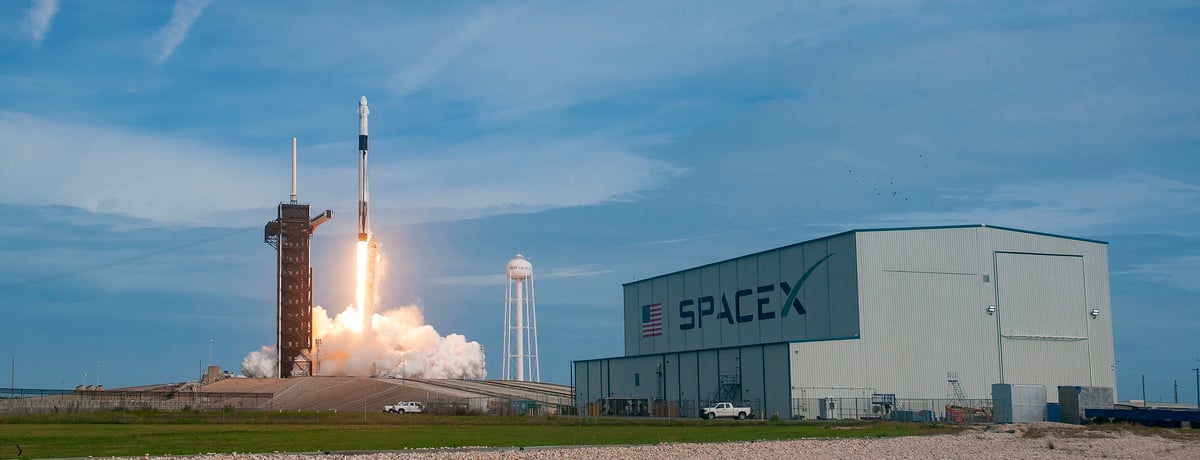
SpaceX Raises Prices Amid Competitor Crisis

- Price Increase Strategy: SpaceX has raised the launch price of its Falcon 9 from $69.75 million to $74 million during the competitor Vulcan's launch halt, aiming to expand profit margins and enhance its IPO valuation.
- Market Competitive Advantage: Even if Vulcan resumes launches, its projected price of $110 million ensures SpaceX maintains a price advantage, safeguarding its market share from potential losses.
- Small Satellite Launch Market: SpaceX has also increased its pricing for small satellite launches from $5,000 per kilogram to $7,000, yet remains competitively priced below small rocket rivals, further solidifying its market position.
- IPO Valuation Boost: Analysts have revised SpaceX's IPO valuation from $1.5 trillion to $1.75 trillion, reflecting the company's robust performance and growth potential in the current market landscape.
See More

SpaceX Quietly Raises Rocket Launch Prices Ahead of IPO
- Price Increase: SpaceX has raised the Falcon 9 launch price from $69.75 million to $74 million, leveraging the suspension of competitor Vulcan's launches to significantly enhance profit margins ahead of its anticipated $1.75 trillion IPO.
- Market Competitive Advantage: Even after the price hike, SpaceX's launch costs remain lower than Vulcan and Arianespace's $110 million, ensuring its dominance in the high-end market without concerns over market share loss.
- Small Satellite Launch Price Adjustment: SpaceX's 'Transporter' ride-share service price has increased from $5,000 to $7,000 per kilogram, yet remains below that of small rocket competitors, further solidifying its market position.
- IPO Valuation Boost: Analysts have revised SpaceX's IPO valuation from $1.5 trillion to $1.75 trillion, reflecting the company's strong performance in the launch market and potential for profit growth.
See More
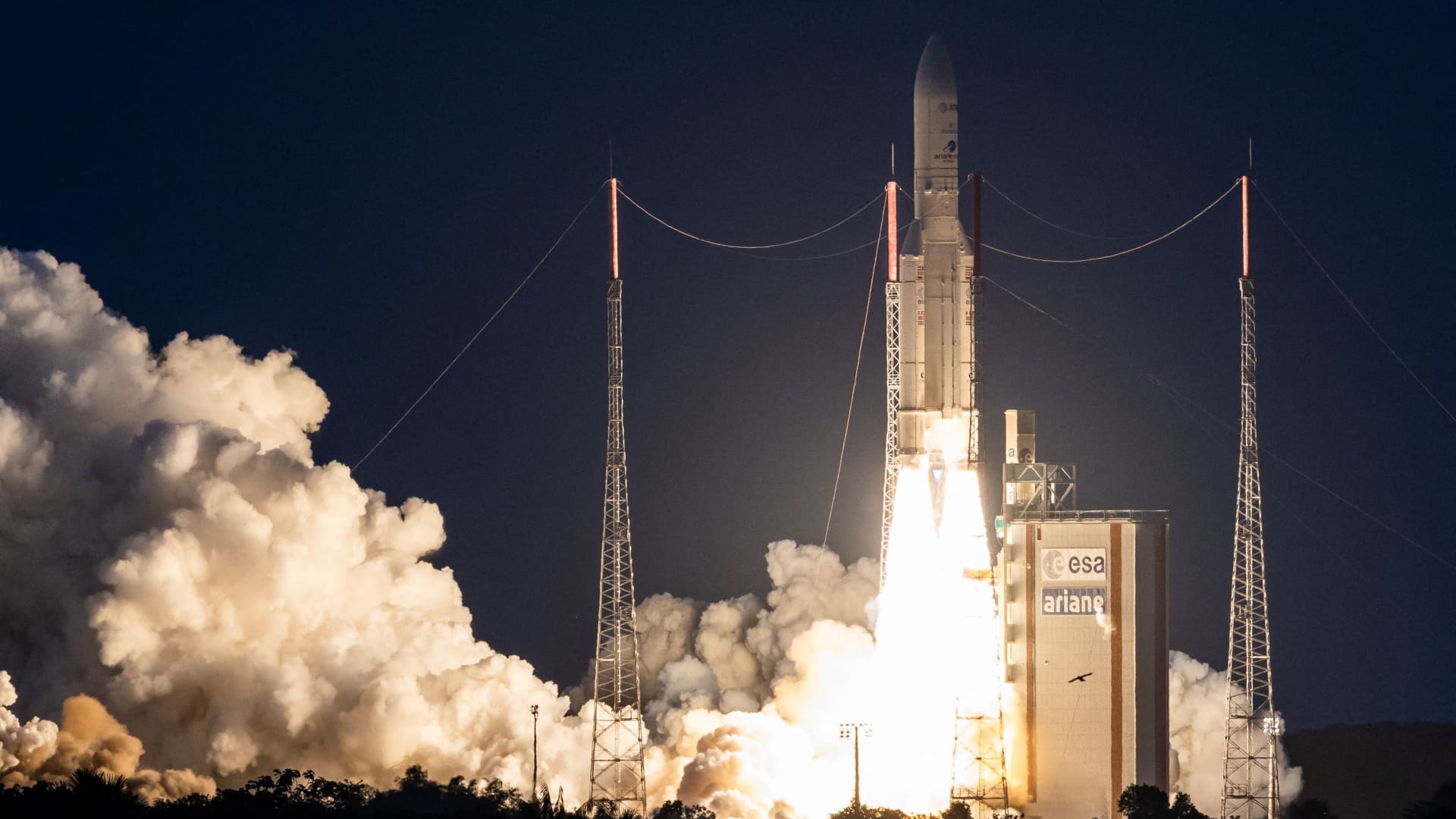
Surge in Low Earth Orbit Satellite Investments


- Investment Surge: In 2025, investments in the low Earth orbit satellite sector exceeded $45 billion, a significant increase from $25 billion in 2024, highlighting the strategic importance and market potential that is attracting global investor interest.
- Technological Innovation: Nvidia unveiled a new platform aimed at integrating AI computing into orbit, supporting autonomous space operations and geospatial intelligence, which could fundamentally transform the functionality of orbital data centers and drive technological advancements in the industry.
- Market Competition: Amazon plans to deploy over 3,000 satellites in low Earth orbit, with the FCC approving an additional 4,500, while Blue Origin aims to launch 5,000 satellites by late 2027, indicating intensifying market competition and rapid technological development.
- Regulatory Challenges: Experts argue that existing legal frameworks are inadequate for managing the complexities and risks of low Earth orbit, necessitating a new regulatory perspective to adapt to commercially driven space activities, ensuring sustainability and safety.
See More

Trump Rejects Ceasefire with Iran

- Ceasefire Negotiation Rejection: Trump stated from the White House that he is not interested in a ceasefire with Iran, emphasizing that one should not ceasefire when obliterating the other side, reflecting his hardline stance on the current situation.
- Military Power Comparison: Trump highlighted Iran's lack of a navy and air force, further underscoring the U.S. military advantage, which may influence international perceptions of U.S. military strategy.
- Diplomatic Policy Signal: Trump's remarks indicate that the U.S. will continue to exert pressure on Iran, potentially escalating regional tensions and affecting diplomatic relations with other countries.
- Media Attention: This news is considered breaking, showcasing the Trump administration's direct and decisive approach to international affairs, which may impact investor confidence regarding the Middle East situation.
See More
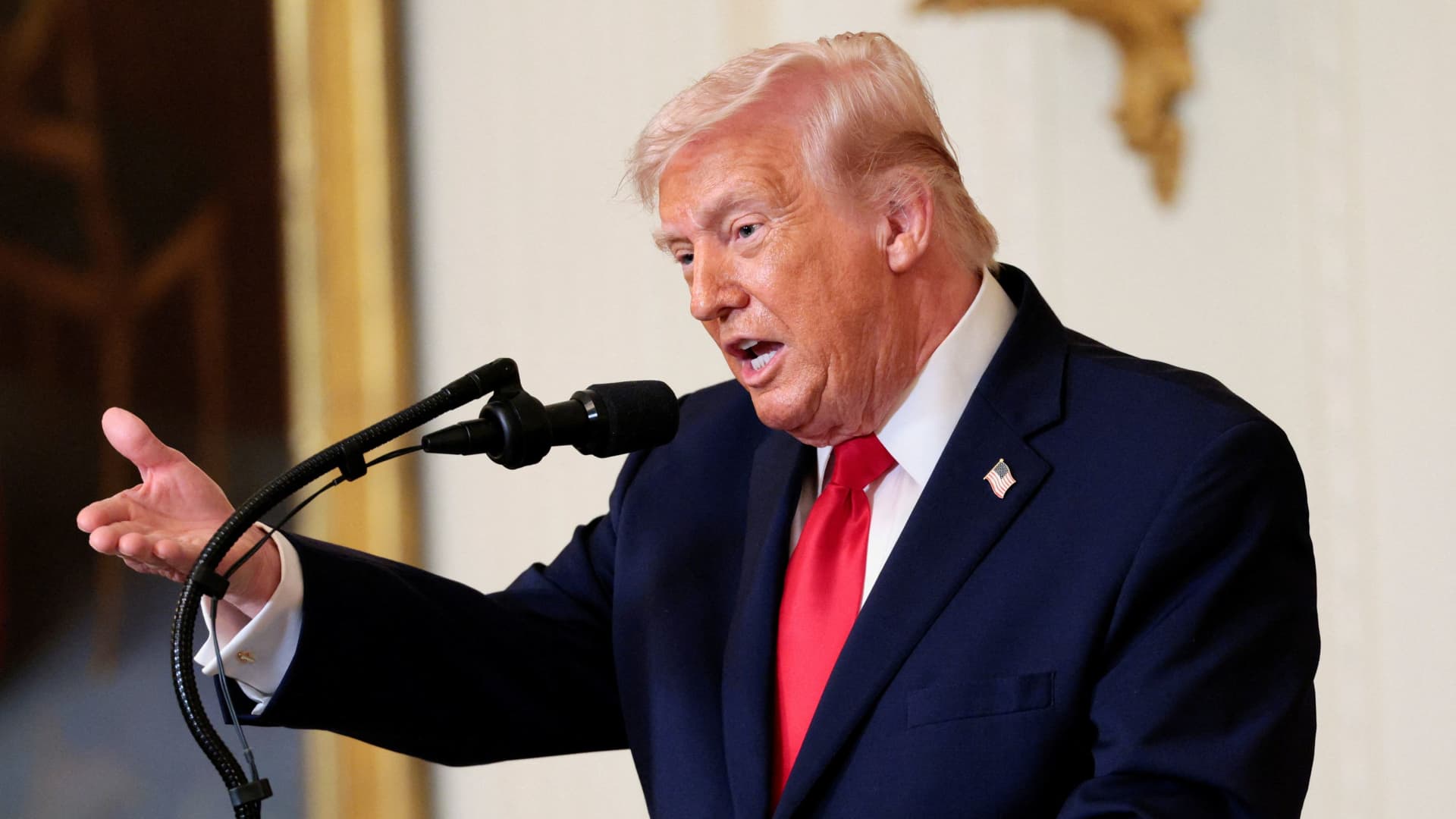
Trump Claims U.S. Could Withdraw from Iran Immediately

- Military Withdrawal Possibility: Trump stated that the U.S. could withdraw from Iran immediately, although he believes this would allow Tehran to rebuild its military capabilities within a decade, reflecting deep concerns about Iran's military strength and potentially impacting U.S. strategic positioning in the Middle East.
- Troop Increase in the Middle East: The Pentagon plans to send up to 2,500 Marines to the Middle East from San Diego, marking the second reported troop deployment in a week, indicating an escalation of U.S. military presence aimed at countering potential threats from Iran.
- Israel's Position: Israeli Prime Minister Netanyahu emphasized the necessity of a ground component to ensure meaningful regime change in Iran, highlighting Israel's expectations from U.S. military strategy and reflecting the urgency of security concerns in the region.
- Leadership Changes: The Iranian leadership has been significantly weakened due to airstrikes early in the war, with the new Supreme Leader Mojtaba Hosseini Khamenei expressing a desire to strengthen ties with regional neighbors, which could influence future political dynamics amid escalating tensions between the U.S. and Iran.
See More
Greece Plans $1.2 Billion Upgrade for F-16s
- Increased Military Spending: The Greek government plans to invest over €4 billion (approximately $4.6 billion) in military upgrades over the coming years, with at least $1.15 billion earmarked for Lockheed Martin to upgrade 38 F-16C jets to the modern F-16 Viper, significantly enhancing Greece's aerial defense capabilities.
- Market Position of F-16: Lockheed Martin's F-16 is the world's most popular fighter jet, comprising 15% of all active fighter jets globally (2,102 planes), with Greece owning 152; however, only about 40 have been upgraded, indicating that future upgrade plans could push total spending to $3.5 billion, further solidifying its market position.
- Regional Procurement Dynamics: In addition to Greece, Bulgaria and Slovakia are purchasing F-16Vs, while Ukraine, Romania, and Argentina are acquiring used F-16s, reflecting strong regional demand for the aircraft and driving sales growth for Lockheed Martin.
- Financial Performance and Investment Outlook: Lockheed Martin generated $6.9 billion in cash flow over the past 12 months, nearly 40% higher than reported net income, and despite a price-to-earnings ratio of 30, analysts forecast nearly 19% long-term earnings growth, suggesting the stock may be undervalued and attracting investor interest.
See More
SpaceX Raises Prices Amid Competitor Crisis
- Price Increase Strategy: SpaceX has raised the launch price of its Falcon 9 from $69.75 million to $74 million during the competitor Vulcan's launch halt, aiming to expand profit margins and enhance its IPO valuation.
- Market Competitive Advantage: Even if Vulcan resumes launches, its projected price of $110 million ensures SpaceX maintains a price advantage, safeguarding its market share from potential losses.
- Small Satellite Launch Market: SpaceX has also increased its pricing for small satellite launches from $5,000 per kilogram to $7,000, yet remains competitively priced below small rocket rivals, further solidifying its market position.
- IPO Valuation Boost: Analysts have revised SpaceX's IPO valuation from $1.5 trillion to $1.75 trillion, reflecting the company's robust performance and growth potential in the current market landscape.
See More
SpaceX Quietly Raises Rocket Launch Prices Ahead of IPO
- Price Increase: SpaceX has raised the Falcon 9 launch price from $69.75 million to $74 million, leveraging the suspension of competitor Vulcan's launches to significantly enhance profit margins ahead of its anticipated $1.75 trillion IPO.
- Market Competitive Advantage: Even after the price hike, SpaceX's launch costs remain lower than Vulcan and Arianespace's $110 million, ensuring its dominance in the high-end market without concerns over market share loss.
- Small Satellite Launch Price Adjustment: SpaceX's 'Transporter' ride-share service price has increased from $5,000 to $7,000 per kilogram, yet remains below that of small rocket competitors, further solidifying its market position.
- IPO Valuation Boost: Analysts have revised SpaceX's IPO valuation from $1.5 trillion to $1.75 trillion, reflecting the company's strong performance in the launch market and potential for profit growth.
See More
Surge in Low Earth Orbit Satellite Investments
- Investment Surge: In 2025, investments in the low Earth orbit satellite sector exceeded $45 billion, a significant increase from $25 billion in 2024, highlighting the strategic importance and market potential that is attracting global investor interest.
- Technological Innovation: Nvidia unveiled a new platform aimed at integrating AI computing into orbit, supporting autonomous space operations and geospatial intelligence, which could fundamentally transform the functionality of orbital data centers and drive technological advancements in the industry.
- Market Competition: Amazon plans to deploy over 3,000 satellites in low Earth orbit, with the FCC approving an additional 4,500, while Blue Origin aims to launch 5,000 satellites by late 2027, indicating intensifying market competition and rapid technological development.
- Regulatory Challenges: Experts argue that existing legal frameworks are inadequate for managing the complexities and risks of low Earth orbit, necessitating a new regulatory perspective to adapt to commercially driven space activities, ensuring sustainability and safety.
See More
Trump Rejects Ceasefire with Iran
- Ceasefire Negotiation Rejection: Trump stated from the White House that he is not interested in a ceasefire with Iran, emphasizing that one should not ceasefire when obliterating the other side, reflecting his hardline stance on the current situation.
- Military Power Comparison: Trump highlighted Iran's lack of a navy and air force, further underscoring the U.S. military advantage, which may influence international perceptions of U.S. military strategy.
- Diplomatic Policy Signal: Trump's remarks indicate that the U.S. will continue to exert pressure on Iran, potentially escalating regional tensions and affecting diplomatic relations with other countries.
- Media Attention: This news is considered breaking, showcasing the Trump administration's direct and decisive approach to international affairs, which may impact investor confidence regarding the Middle East situation.
See More
Trump Claims U.S. Could Withdraw from Iran Immediately
- Military Withdrawal Possibility: Trump stated that the U.S. could withdraw from Iran immediately, although he believes this would allow Tehran to rebuild its military capabilities within a decade, reflecting deep concerns about Iran's military strength and potentially impacting U.S. strategic positioning in the Middle East.
- Troop Increase in the Middle East: The Pentagon plans to send up to 2,500 Marines to the Middle East from San Diego, marking the second reported troop deployment in a week, indicating an escalation of U.S. military presence aimed at countering potential threats from Iran.
- Israel's Position: Israeli Prime Minister Netanyahu emphasized the necessity of a ground component to ensure meaningful regime change in Iran, highlighting Israel's expectations from U.S. military strategy and reflecting the urgency of security concerns in the region.
- Leadership Changes: The Iranian leadership has been significantly weakened due to airstrikes early in the war, with the new Supreme Leader Mojtaba Hosseini Khamenei expressing a desire to strengthen ties with regional neighbors, which could influence future political dynamics amid escalating tensions between the U.S. and Iran.
See More