SpaceX Plans IPO with Valuation Up to $2 Trillion
Written by Emily J. Thompson, Senior Investment Analyst
Updated: 2 days ago
0mins
Should l Buy TSLA?
Source: NASDAQ.COM
- IPO Valuation Expectations: SpaceX is preparing for an IPO with a valuation of up to $2 trillion, which would surpass any S&P 500 stock, although CEO Elon Musk has pushed back against this figure, indicating high market expectations coupled with uncertainty about the company's future.
- Revenue Growth Trend: According to Reuters, SpaceX is projected to generate $15 billion to $16 billion in revenue in 2025, up from $13.1 billion in 2024, reflecting strong performance in the commercial space market, yet it faces risks associated with its high valuation.
- Market Leadership Position: SpaceX dominates the commercial orbital launch market with its reusable rockets like Falcon 9, and its Starlink unit is the world's largest satellite operator with over 9 million customers, further solidifying its competitive position in the industry.
- Risks and Uncertainties: While Musk is regarded as a visionary leader, his tendency to overpromise innovations and the lack of a filed S-1 prospectus create caution among investors regarding SpaceX's IPO, as there is insufficient financial information available to assess the company's true value.
Trade with 70% Backtested Accuracy
Stop guessing "Should I Buy TSLA?" and start using high-conviction signals backed by rigorous historical data.
Sign up today to access powerful investing tools and make smarter, data-driven decisions.
Analyst Views on TSLA
Wall Street analysts forecast TSLA stock price to rise
30 Analyst Rating
12 Buy
11 Hold
7 Sell
Hold
Current: 343.250

Low
25.28
Averages
401.93
High
600.00
Current: 343.250
Low
25.28
Averages
401.93
High
600.00
About TSLA
Tesla, Inc. designs, develops, manufactures, sells and leases high-performance fully electric vehicles and energy generation and storage systems, and offers services related to its products. Its segments include automotive, and energy generation and storage. The automotive segment includes the design, development, manufacturing, sales and leasing of high-performance fully electric vehicles, and sales of automotive regulatory credits. It also includes sales of used vehicles, non-warranty maintenance services and collisions, part sales, paid supercharging, insurance services revenue and retail merchandise sales. The energy generation and storage segment include the design, manufacture, installation, sales and leasing of solar energy generation and energy storage products and related services and sales of solar energy systems incentives. Its consumer vehicles include the Model 3, Y, S, X and Cybertruck. Its lithium-ion battery energy storage products include Powerwall and Megapack.
About the author

Emily J. Thompson
Emily J. Thompson, a Chartered Financial Analyst (CFA) with 12 years in investment research, graduated with honors from the Wharton School. Specializing in industrial and technology stocks, she provides in-depth analysis for Intellectia’s earnings and market brief reports.
Tesla Valuation Debate Intensifies Amid Analyst Concerns

- Declining Cash Flow Expectations: Analysts have revised Tesla's 2026 free cash flow forecast from approximately $38.8 billion positive in 2022 to a negative $5.1 billion currently, indicating growing investor concerns about the company's cash generation capabilities and potential impacts on stock performance.
- Stock Under Pressure: Tesla's stock is under significant pressure, on track for its worst weekly decline in nearly seven months, marking eight consecutive weeks of losses, which reflects a bearish sentiment among retail investors on Stocktwits, suggesting a lack of confidence in the company's future prospects.
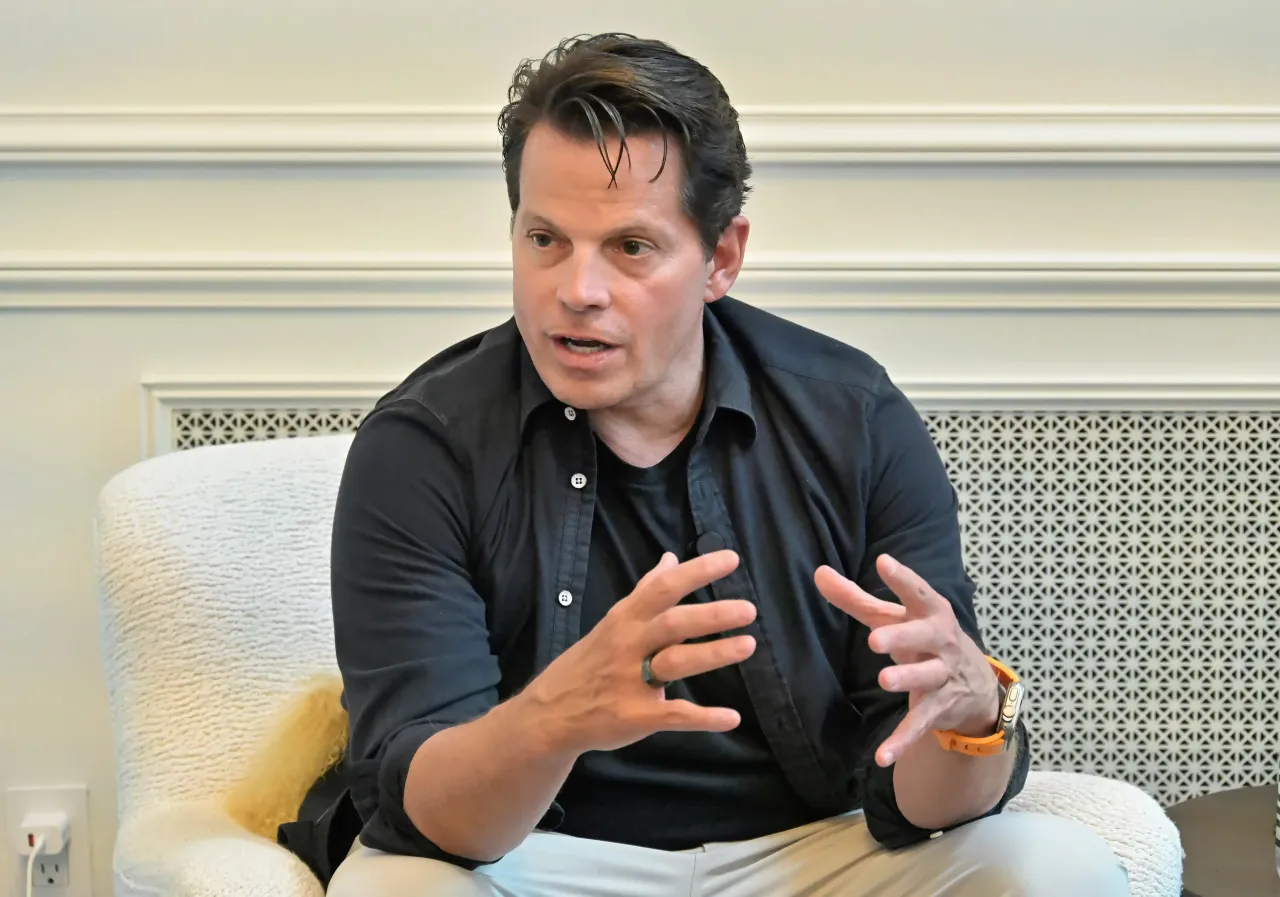
- Scaramucci's Confidence in SpaceX: Anthony Scaramucci expressed strong conviction in his investment in SpaceX, particularly highlighting the Starlink project as a key driver of future value, which underscores his skepticism regarding Tesla's current valuation amidst declining cash flow expectations.
- Merger Speculation Intensifies: Discussions around a potential merger between Tesla and SpaceX have intensified, with Tesla recently receiving regulatory approval to convert a previously announced $2 billion investment in xAI into an indirect stake in SpaceX, although analysts warn that such a merger could imply a 25% downside risk for Tesla shareholders.
See More
Yacktman Asset Management Favors Microsoft and Google


- Investment Choice Analysis: Yacktman Asset Management president Molly Pieroni stated on Yahoo Finance that despite Microsoft and Tesla's declines of over 20% and 23% year-to-date, she remains optimistic about Microsoft and Google, believing they offer strong risk-adjusted returns.
- Microsoft's Market Position: Pieroni emphasized Microsoft's dominance across major business segments and its strong executive leadership, noting that the company's continuous innovation has positioned it as a leader in the modern cloud era, particularly with the rise of Azure.
- Google's Innovative Culture: Pieroni praised Google's scientific ethos and innovation capabilities, especially its Deep Mind team's leadership in AI, asserting that Google not only has core businesses but also hidden assets like YouTube and Waymo, which can unlock multiple value opportunities for investors.
- Future Growth Potential: Pieroni pointed out Microsoft's evolution from a PC software company to a cloud leader, showcasing significant growth potential, particularly with the rapid development of its Azure business, indicating substantial upside ahead.
See More
SpaceX Aims for Historic $30 Billion IPO

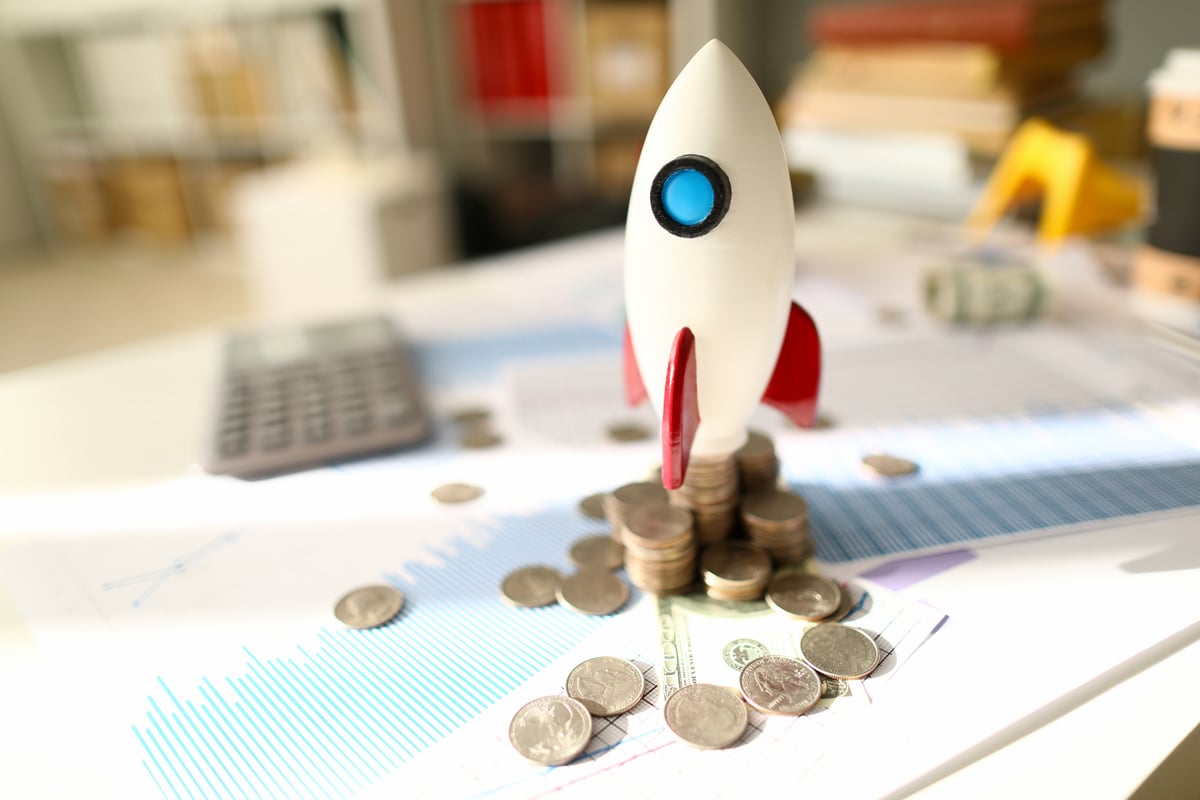
- IPO Filing: SpaceX confidentially filed for an IPO on April 1, targeting a valuation of $1.75 trillion, which would position it as the seventh-largest public company in the U.S. and aims to raise approximately $75 billion, reflecting strong investor interest in the space and AI sectors.
- Market Potential: According to Fortune Business Insights, the space economy is projected to reach $1 trillion by 2034, while PwC analysts estimate that artificial intelligence could contribute $15.7 trillion to the global economy by 2030, indicating a vast market opportunity for SpaceX.
- Historical Lessons: Despite the excitement surrounding SpaceX's IPO, historical data shows that many large IPOs, such as Alibaba and Facebook, have underperformed in the six months following their debut, suggesting that investors should be cautious of emotionally driven investment decisions.
- Valuation Risks: With a price-to-sales ratio exceeding 60, SpaceX's valuation may be seen as unsustainable, akin to the 'Musk bump' seen with Tesla, yet many of Musk's promises remain unfulfilled, prompting investors to be wary of the potential risks associated with high valuations.
See More

SpaceX Plans IPO with $1.75 Trillion Valuation
- IPO Initiation: SpaceX confidentially filed for an IPO on April 1, targeting a valuation of $1.75 trillion, which would make it the seventh-largest public company in the U.S., surpassing Tesla, with plans to raise approximately $75 billion.
- Massive Market Potential: The space economy is projected to reach $1 trillion by 2034, while artificial intelligence is expected to add $15.7 trillion to the global economy by 2030, highlighting SpaceX's strategic significance in these rapidly growing sectors.
- Historical Lessons Caution: Despite the excitement surrounding SpaceX's IPO, many large IPOs have historically underperformed post-debut, with all but Visa trading lower six months after their initial public offering, indicating that investors should proceed with caution.
- Significant Valuation Risks: With a price-to-sales ratio exceeding 60, SpaceX's valuation appears potentially unjustifiable, and CEO Elon Musk's history of unfulfilled promises may undermine investor confidence in its future performance.
See More

Tesla Q1 2026 Deliveries Fall Short of Expectations

- Disappointing Deliveries: Tesla reported Q1 2026 deliveries of 358,023 EVs, falling short of the 370,000 expected by Wall Street, and although this represents a 6% increase from Q1 2025, it highlights ongoing market weakness.
- Inventory Pressure: The company produced 408,300 vehicles in the quarter, resulting in a record backlog of unsold EVs, which is likely to further strain free cash flow, with analysts projecting a negative cash flow exceeding $6 billion this year.
- Increased Capital Expenditure: Tesla raised its capital expenditure guidance to $20 billion for 2026, significantly up from $8.5 billion in 2025, with funds primarily directed towards AI and humanoid robot initiatives, indicating a shift in focus but also increasing financial strain.
- Intensifying Market Competition: The EV sector is facing heightened competition and challenges, including the elimination of a $7,500 federal tax credit under the Trump administration, leading analysts to suggest that Tesla is sacrificing its core EV business to prioritize a fully autonomous future.
See More
Tesla's Q1 Deliveries Fall Short of Expectations
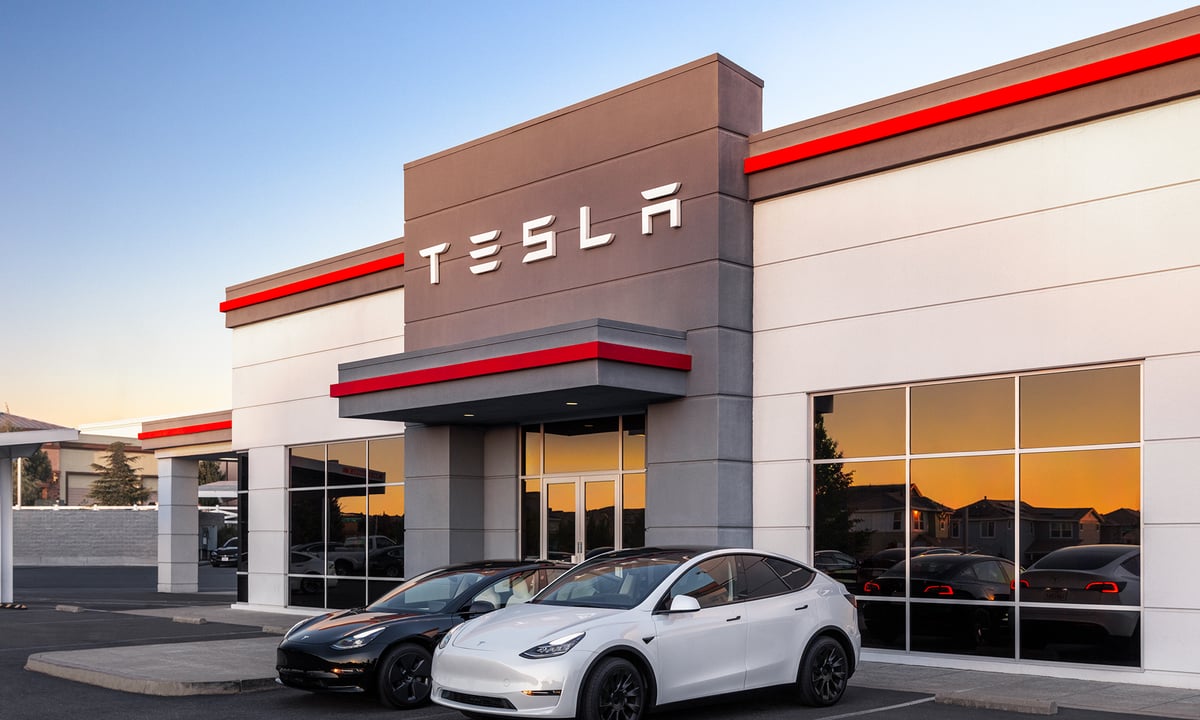
- Delivery Decline: Tesla reported 358,023 EV deliveries in Q1 2026, falling short of the 370,000 expected by Wall Street analysts, although this represents a 6% increase from Q1 2025, indicating persistent market demand weakness.
- Inventory Backlog Issue: With production exceeding deliveries at 408,300 vehicles, Tesla faces its highest ever backlog of unsold cars, which could negatively impact free cash flow and raise concerns about the company's financial health.
- Increased Capital Expenditure: Tesla has raised its capital expenditure guidance to $20 billion for 2026, significantly up from $8.5 billion in 2025, with funds primarily directed towards artificial intelligence and humanoid robot production, reflecting a strategic pivot towards new technologies.
- Pressure on Robotaxis: As Tesla shifts focus to launching its robotaxi fleet, despite challenges in the EV sector, the market remains hopeful for the success of these autonomous vehicles; however, the current high valuation and uncertainties surrounding robotaxis lead to cautious investor sentiment.
See More
Tesla Valuation Debate Intensifies Amid Analyst Concerns
- Declining Cash Flow Expectations: Analysts have revised Tesla's 2026 free cash flow forecast from approximately $38.8 billion positive in 2022 to a negative $5.1 billion currently, indicating growing investor concerns about the company's cash generation capabilities and potential impacts on stock performance.
- Stock Under Pressure: Tesla's stock is under significant pressure, on track for its worst weekly decline in nearly seven months, marking eight consecutive weeks of losses, which reflects a bearish sentiment among retail investors on Stocktwits, suggesting a lack of confidence in the company's future prospects.
- Scaramucci's Confidence in SpaceX: Anthony Scaramucci expressed strong conviction in his investment in SpaceX, particularly highlighting the Starlink project as a key driver of future value, which underscores his skepticism regarding Tesla's current valuation amidst declining cash flow expectations.
- Merger Speculation Intensifies: Discussions around a potential merger between Tesla and SpaceX have intensified, with Tesla recently receiving regulatory approval to convert a previously announced $2 billion investment in xAI into an indirect stake in SpaceX, although analysts warn that such a merger could imply a 25% downside risk for Tesla shareholders.
See More
Yacktman Asset Management Favors Microsoft and Google
- Investment Choice Analysis: Yacktman Asset Management president Molly Pieroni stated on Yahoo Finance that despite Microsoft and Tesla's declines of over 20% and 23% year-to-date, she remains optimistic about Microsoft and Google, believing they offer strong risk-adjusted returns.
- Microsoft's Market Position: Pieroni emphasized Microsoft's dominance across major business segments and its strong executive leadership, noting that the company's continuous innovation has positioned it as a leader in the modern cloud era, particularly with the rise of Azure.
- Google's Innovative Culture: Pieroni praised Google's scientific ethos and innovation capabilities, especially its Deep Mind team's leadership in AI, asserting that Google not only has core businesses but also hidden assets like YouTube and Waymo, which can unlock multiple value opportunities for investors.
- Future Growth Potential: Pieroni pointed out Microsoft's evolution from a PC software company to a cloud leader, showcasing significant growth potential, particularly with the rapid development of its Azure business, indicating substantial upside ahead.
See More
SpaceX Aims for Historic $30 Billion IPO
- IPO Filing: SpaceX confidentially filed for an IPO on April 1, targeting a valuation of $1.75 trillion, which would position it as the seventh-largest public company in the U.S. and aims to raise approximately $75 billion, reflecting strong investor interest in the space and AI sectors.
- Market Potential: According to Fortune Business Insights, the space economy is projected to reach $1 trillion by 2034, while PwC analysts estimate that artificial intelligence could contribute $15.7 trillion to the global economy by 2030, indicating a vast market opportunity for SpaceX.
- Historical Lessons: Despite the excitement surrounding SpaceX's IPO, historical data shows that many large IPOs, such as Alibaba and Facebook, have underperformed in the six months following their debut, suggesting that investors should be cautious of emotionally driven investment decisions.
- Valuation Risks: With a price-to-sales ratio exceeding 60, SpaceX's valuation may be seen as unsustainable, akin to the 'Musk bump' seen with Tesla, yet many of Musk's promises remain unfulfilled, prompting investors to be wary of the potential risks associated with high valuations.
See More
SpaceX Plans IPO with $1.75 Trillion Valuation
- IPO Initiation: SpaceX confidentially filed for an IPO on April 1, targeting a valuation of $1.75 trillion, which would make it the seventh-largest public company in the U.S., surpassing Tesla, with plans to raise approximately $75 billion.
- Massive Market Potential: The space economy is projected to reach $1 trillion by 2034, while artificial intelligence is expected to add $15.7 trillion to the global economy by 2030, highlighting SpaceX's strategic significance in these rapidly growing sectors.
- Historical Lessons Caution: Despite the excitement surrounding SpaceX's IPO, many large IPOs have historically underperformed post-debut, with all but Visa trading lower six months after their initial public offering, indicating that investors should proceed with caution.
- Significant Valuation Risks: With a price-to-sales ratio exceeding 60, SpaceX's valuation appears potentially unjustifiable, and CEO Elon Musk's history of unfulfilled promises may undermine investor confidence in its future performance.
See More
Tesla Q1 2026 Deliveries Fall Short of Expectations
- Disappointing Deliveries: Tesla reported Q1 2026 deliveries of 358,023 EVs, falling short of the 370,000 expected by Wall Street, and although this represents a 6% increase from Q1 2025, it highlights ongoing market weakness.
- Inventory Pressure: The company produced 408,300 vehicles in the quarter, resulting in a record backlog of unsold EVs, which is likely to further strain free cash flow, with analysts projecting a negative cash flow exceeding $6 billion this year.
- Increased Capital Expenditure: Tesla raised its capital expenditure guidance to $20 billion for 2026, significantly up from $8.5 billion in 2025, with funds primarily directed towards AI and humanoid robot initiatives, indicating a shift in focus but also increasing financial strain.
- Intensifying Market Competition: The EV sector is facing heightened competition and challenges, including the elimination of a $7,500 federal tax credit under the Trump administration, leading analysts to suggest that Tesla is sacrificing its core EV business to prioritize a fully autonomous future.
See More
Tesla's Q1 Deliveries Fall Short of Expectations
- Delivery Decline: Tesla reported 358,023 EV deliveries in Q1 2026, falling short of the 370,000 expected by Wall Street analysts, although this represents a 6% increase from Q1 2025, indicating persistent market demand weakness.
- Inventory Backlog Issue: With production exceeding deliveries at 408,300 vehicles, Tesla faces its highest ever backlog of unsold cars, which could negatively impact free cash flow and raise concerns about the company's financial health.
- Increased Capital Expenditure: Tesla has raised its capital expenditure guidance to $20 billion for 2026, significantly up from $8.5 billion in 2025, with funds primarily directed towards artificial intelligence and humanoid robot production, reflecting a strategic pivot towards new technologies.
- Pressure on Robotaxis: As Tesla shifts focus to launching its robotaxi fleet, despite challenges in the EV sector, the market remains hopeful for the success of these autonomous vehicles; however, the current high valuation and uncertainties surrounding robotaxis lead to cautious investor sentiment.
See More