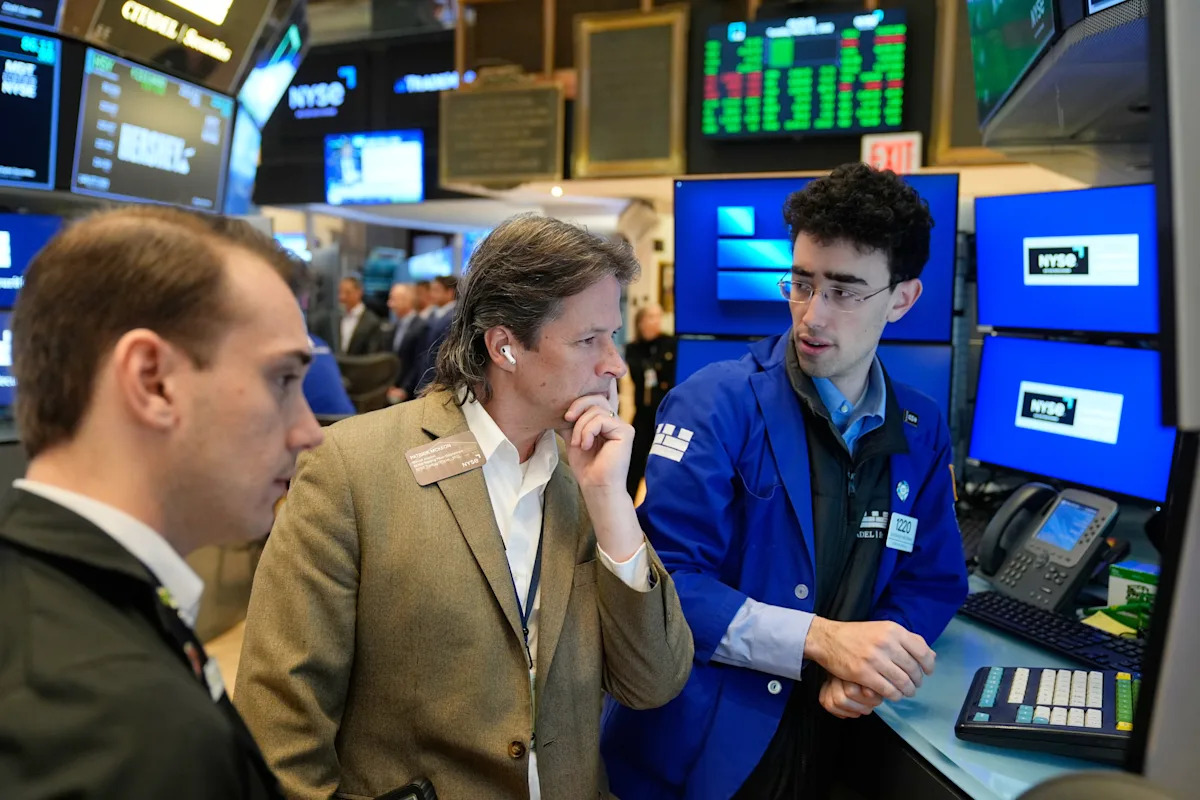
SpaceX IPO Expected to Catalyze Space Stocks Rally
Written by Emily J. Thompson, Senior Investment Analyst
Updated: 2 days ago
0mins

Should l Buy RKLB?
Source: stocktwits
- SpaceX IPO Outlook: NASA ETF portfolio manager Yuri Khodjamirian stated that the anticipated SpaceX IPO in June could serve as a significant catalyst for space stocks, drawing increased investor attention to the space economy, particularly with a projected valuation exceeding $1.75 trillion.
- Blue Origin's Market Impact: Khodjamirian highlighted that launch activities planned by Jeff Bezos-backed Blue Origin could alter supply dynamics in the launch market, thereby enhancing valuations for downstream satellite and infrastructure plays, further propelling growth in the space sector.
- Long-Term Drivers: He noted that long-term drivers such as satellite fleet upgrades, space station replacements, and potential orbital data infrastructure are poised to provide multi-year tailwinds for the space economy, especially as launch costs decrease.
- Market Sentiment Shift: Although the NASA ETF saw slight declines in afternoon trading, it has gained nearly 20% since its launch alongside the Artemis II mission on April 1, reflecting strong market interest and optimistic sentiment among investors regarding space stocks.
Trade with 70% Backtested Accuracy
Stop guessing "Should I Buy RKLB?" and start using high-conviction signals backed by rigorous historical data.
Sign up today to access powerful investing tools and make smarter, data-driven decisions.
Analyst Views on RKLB
Wall Street analysts forecast RKLB stock price to rise
11 Analyst Rating
7 Buy
4 Hold
0 Sell
Moderate Buy
Current: 66.740

Low
63.00
Averages
86.89
High
120.00
Current: 66.740
Low
63.00
Averages
86.89
High
120.00
About RKLB
Rocket Lab Corporation is an end-to-end space company. The Company designs and manufactures small and medium-class rockets, spacecraft and spacecraft components, and related software and services to support the space economy. The Company delivers reliable launch services, satellite manufacture, spacecraft design services, spacecraft components, spacecraft manufacturing, and other spacecraft and on-orbit management solutions that make it easier to access space. Its Launch Services segment provides launch and launch-related services to customers on a dedicated mission or ride-share basis. Its Space Systems segment comprises the design and manufacture of spacecraft components and spacecraft program management services, space data applications, and mission operations. Its space systems solutions are the building blocks for spacecraft, which include composite structures, reaction wheels, star trackers, solar solutions, radios, separation systems, and command and control spacecraft software.
About the author

Emily J. Thompson
Emily J. Thompson, a Chartered Financial Analyst (CFA) with 12 years in investment research, graduated with honors from the Wharton School. Specializing in industrial and technology stocks, she provides in-depth analysis for Intellectia’s earnings and market brief reports.
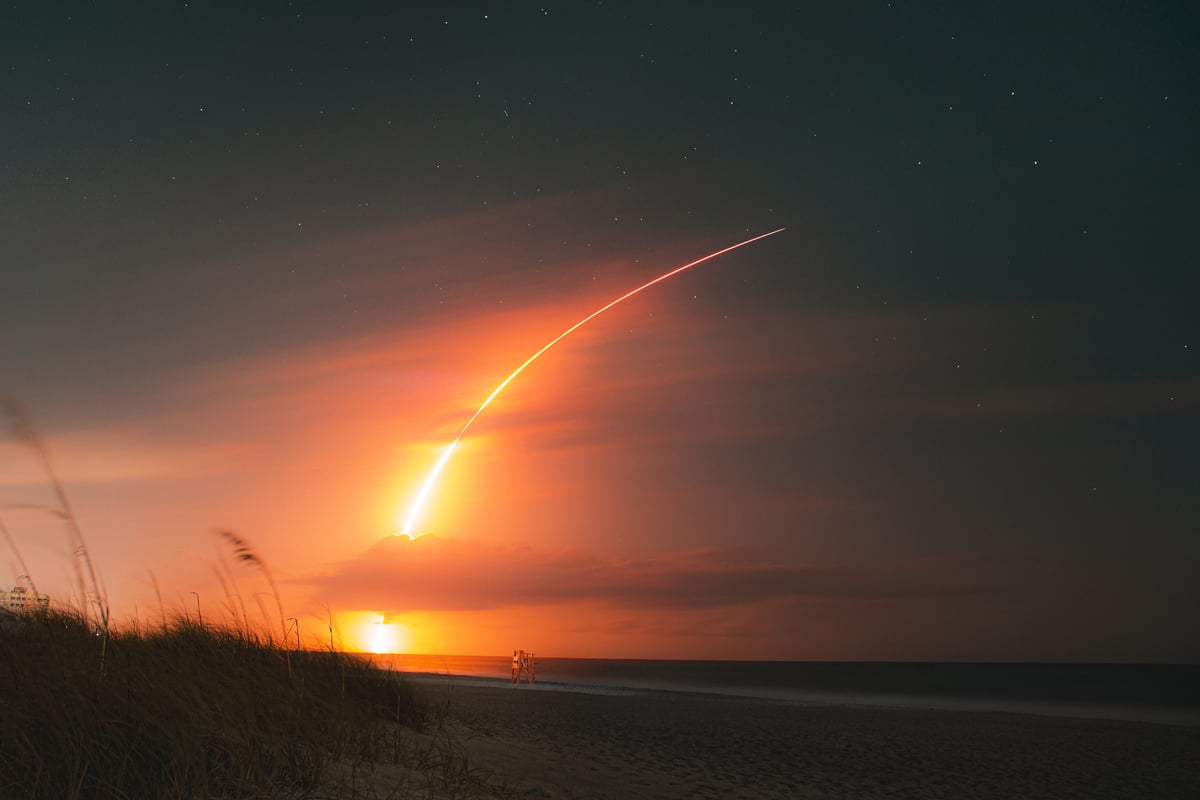
SpaceX Dominates Rocket Launches with Record Numbers


- Launch Volume Leadership: In 2025, SpaceX launched 165 Falcon 9 rockets, surpassing the combined total of all other nations by 34%, highlighting its dominant position in the global space market.
- Significant Price Advantage: SpaceX raised the price of Falcon 9 launches by 6.1% to $74 million, still undercutting competitors who charge over $100 million, further solidifying its market share.
- High Profit Margin Potential: Analysts estimate that SpaceX's cost per launch could be as low as $17 million, suggesting an operating margin of up to 77%, indicating the sustainability of its business model.
- Diversified Revenue Sources: While SpaceX's rocket launch business is profitable, its Starlink and xAI ventures may incur losses, with projected total revenue of $18.5 billion but losses of $5 billion in 2025, prompting investors to monitor overall financial health.
See More

SpaceX Achieves Record Rocket Launch Volume
- Launch Volume Leadership: SpaceX launched 165 Falcon 9 rockets last year, surpassing the combined total of all other nations by 34%, which underscores its dominant position in the global space market and further solidifies its market share.
- Price Strategy Adjustment: SpaceX raised the launch price of its Falcon 9 rocket by 6.1% to $74 million, leveraging its unique reusability technology to significantly undercut competitors' launch costs, thereby attracting more customers.
- Profitability Analysis: Analysts estimate that SpaceX's cost per Falcon 9 launch could be as low as $17 million, which, if accurate, would yield an operating margin as high as 77%, giving SpaceX a strong competitive edge in profitability within the aerospace industry.
- IPO Outlook: Despite reports suggesting that SpaceX's overall profitability may be lower than its rocket launch business, its dominant position in space launches and high profit margins still make its IPO highly anticipated, drawing significant investor interest.
See More
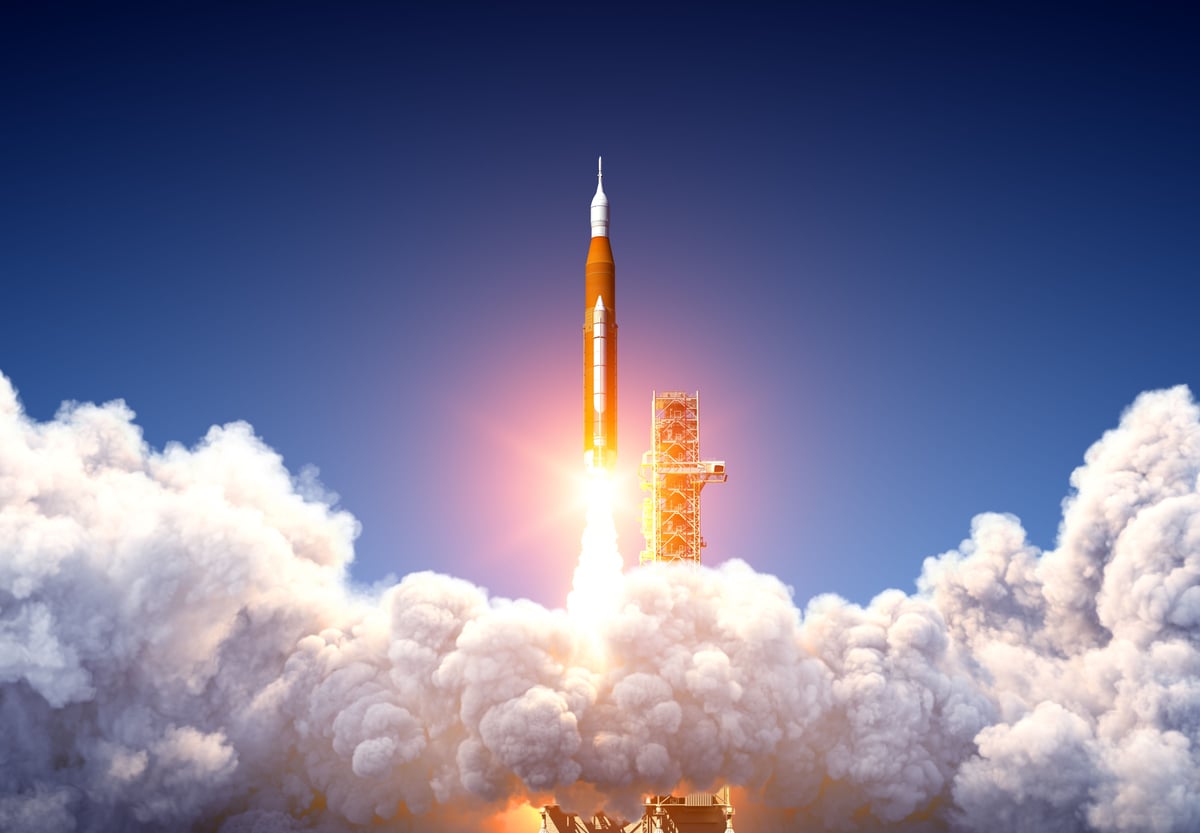
Artemis II Mission Successful, Paving Way for Future Lunar Exploration


- Artemis II Success: The Artemis II mission has successfully concluded, with four astronauts safely back on Earth, laying the groundwork for future lunar bases and demonstrating NASA's ongoing commitment to deep space exploration.
- Reduced Launch Costs: According to CSIS Aerospace Security, SpaceX's reusable Falcon 1 rocket has brought launch costs down to under $6,000 per pound, while Falcon Heavy's costs are around $1,000, significantly lowering the economic barriers to accessing space.
- Emerging Investment Opportunities: With decreasing launch costs, companies like AST SpaceMobile are capitalizing on this trend, planning to deploy up to 60 satellites in low Earth orbit by year-end to provide global mobile broadband, attracting customers like Verizon and Telus.
- Industry Growth Outlook: Research firm IMARC anticipates that the global space launch service market will grow at an average annual rate of nearly 15% through 2034, indicating substantial opportunities for investors in this emerging sector.
See More

Significant Drop in Space Launch Costs
- Dramatic Cost Reduction: The cost of sending payloads into space has fallen by over 90% since the inception of modern rocketry, accelerating the development of satellites and related technologies, which is expected to create new investment opportunities in the space industry.
- Successful Artemis II Mission: NASA's Artemis II mission has successfully returned four astronauts to Earth, marking a significant step in the U.S. lunar exploration efforts and laying the groundwork for future lunar base establishment.
- AST SpaceMobile Network Expansion: AST SpaceMobile plans to deploy up to 60 satellites in low Earth orbit by the end of the year to provide mobile broadband internet from space, having already partnered with Verizon and Telus, indicating strong market potential.
- Optimistic Industry Growth Outlook: IMARC forecasts that the global space launch service market will grow at an average annual rate of nearly 15% through 2034, reflecting increasing investment opportunities as launch costs continue to decline.
See More

Space Economy Booms with New Opportunities

- Rocket Lab's Rise: Rocket Lab has established itself as the second-largest rocket launch company in the U.S., completing 85 launches and focusing on small rocket launches, with its new Neutron rocket expected to debut in Q4 this year, aiming to enhance profits and market share.
- Growth in Space Systems: Rocket Lab's space systems business generated $403 million in revenue last year, accounting for 75% of its $1.85 billion backlog, demonstrating strong performance in its vertically integrated operations and enhancing its competitiveness in the defense sector.
- AI Applications at Planet Labs: Planet Labs leverages artificial intelligence to enhance its Earth-imaging satellites' image processing capabilities, recently expanding its partnership with Nvidia to use AI chips directly on its Pelican-4 satellite, enabling real-time data analysis and significantly reducing the time for customers to gain insights.
- Lockheed Martin's Defense Edge: As a top defense contractor, Lockheed Martin boasts a $194 billion backlog and leads NASA's Orion spacecraft project, ensuring long-term stable returns in the space economy, making it an attractive option for investors.
See More

Global Space Economy Booms to $613 Billion by 2025
- Market Growth: According to McKinsey estimates, the global space economy is projected to reach $1.8 trillion by 2035, with a compound annual growth rate exceeding 11%, indicating significant commercial potential in the space sector that is attracting substantial investor interest.
- Rocket Lab's Market Positioning: Rocket Lab has established itself as the second-largest rocket launch company in the U.S., having completed 85 launches to date, and plans to introduce its new medium-lift rocket Neutron to meet larger payload demands, thereby enhancing profit margins and competitive positioning.
- Planet Labs' AI Integration: Planet Labs is leveraging artificial intelligence to enhance its satellite imagery platform, and through its partnership with Nvidia, it can process and analyze data in real-time, providing rapid insights to customers and solidifying its position in the defense sector.
- Lockheed Martin's Industry Leadership: As a top defense contractor, Lockheed Martin plays a crucial role in the space economy, boasting a backlog of $194 billion and ensuring stable cash flow through long-term government contracts, making it an attractive option for investors.
See More
SpaceX Dominates Rocket Launches with Record Numbers
- Launch Volume Leadership: In 2025, SpaceX launched 165 Falcon 9 rockets, surpassing the combined total of all other nations by 34%, highlighting its dominant position in the global space market.
- Significant Price Advantage: SpaceX raised the price of Falcon 9 launches by 6.1% to $74 million, still undercutting competitors who charge over $100 million, further solidifying its market share.
- High Profit Margin Potential: Analysts estimate that SpaceX's cost per launch could be as low as $17 million, suggesting an operating margin of up to 77%, indicating the sustainability of its business model.
- Diversified Revenue Sources: While SpaceX's rocket launch business is profitable, its Starlink and xAI ventures may incur losses, with projected total revenue of $18.5 billion but losses of $5 billion in 2025, prompting investors to monitor overall financial health.
See More
SpaceX Achieves Record Rocket Launch Volume
- Launch Volume Leadership: SpaceX launched 165 Falcon 9 rockets last year, surpassing the combined total of all other nations by 34%, which underscores its dominant position in the global space market and further solidifies its market share.
- Price Strategy Adjustment: SpaceX raised the launch price of its Falcon 9 rocket by 6.1% to $74 million, leveraging its unique reusability technology to significantly undercut competitors' launch costs, thereby attracting more customers.
- Profitability Analysis: Analysts estimate that SpaceX's cost per Falcon 9 launch could be as low as $17 million, which, if accurate, would yield an operating margin as high as 77%, giving SpaceX a strong competitive edge in profitability within the aerospace industry.
- IPO Outlook: Despite reports suggesting that SpaceX's overall profitability may be lower than its rocket launch business, its dominant position in space launches and high profit margins still make its IPO highly anticipated, drawing significant investor interest.
See More
Artemis II Mission Successful, Paving Way for Future Lunar Exploration
- Artemis II Success: The Artemis II mission has successfully concluded, with four astronauts safely back on Earth, laying the groundwork for future lunar bases and demonstrating NASA's ongoing commitment to deep space exploration.
- Reduced Launch Costs: According to CSIS Aerospace Security, SpaceX's reusable Falcon 1 rocket has brought launch costs down to under $6,000 per pound, while Falcon Heavy's costs are around $1,000, significantly lowering the economic barriers to accessing space.
- Emerging Investment Opportunities: With decreasing launch costs, companies like AST SpaceMobile are capitalizing on this trend, planning to deploy up to 60 satellites in low Earth orbit by year-end to provide global mobile broadband, attracting customers like Verizon and Telus.
- Industry Growth Outlook: Research firm IMARC anticipates that the global space launch service market will grow at an average annual rate of nearly 15% through 2034, indicating substantial opportunities for investors in this emerging sector.
See More
Significant Drop in Space Launch Costs
- Dramatic Cost Reduction: The cost of sending payloads into space has fallen by over 90% since the inception of modern rocketry, accelerating the development of satellites and related technologies, which is expected to create new investment opportunities in the space industry.
- Successful Artemis II Mission: NASA's Artemis II mission has successfully returned four astronauts to Earth, marking a significant step in the U.S. lunar exploration efforts and laying the groundwork for future lunar base establishment.
- AST SpaceMobile Network Expansion: AST SpaceMobile plans to deploy up to 60 satellites in low Earth orbit by the end of the year to provide mobile broadband internet from space, having already partnered with Verizon and Telus, indicating strong market potential.
- Optimistic Industry Growth Outlook: IMARC forecasts that the global space launch service market will grow at an average annual rate of nearly 15% through 2034, reflecting increasing investment opportunities as launch costs continue to decline.
See More
Space Economy Booms with New Opportunities
- Rocket Lab's Rise: Rocket Lab has established itself as the second-largest rocket launch company in the U.S., completing 85 launches and focusing on small rocket launches, with its new Neutron rocket expected to debut in Q4 this year, aiming to enhance profits and market share.
- Growth in Space Systems: Rocket Lab's space systems business generated $403 million in revenue last year, accounting for 75% of its $1.85 billion backlog, demonstrating strong performance in its vertically integrated operations and enhancing its competitiveness in the defense sector.
- AI Applications at Planet Labs: Planet Labs leverages artificial intelligence to enhance its Earth-imaging satellites' image processing capabilities, recently expanding its partnership with Nvidia to use AI chips directly on its Pelican-4 satellite, enabling real-time data analysis and significantly reducing the time for customers to gain insights.
- Lockheed Martin's Defense Edge: As a top defense contractor, Lockheed Martin boasts a $194 billion backlog and leads NASA's Orion spacecraft project, ensuring long-term stable returns in the space economy, making it an attractive option for investors.
See More
Global Space Economy Booms to $613 Billion by 2025
- Market Growth: According to McKinsey estimates, the global space economy is projected to reach $1.8 trillion by 2035, with a compound annual growth rate exceeding 11%, indicating significant commercial potential in the space sector that is attracting substantial investor interest.
- Rocket Lab's Market Positioning: Rocket Lab has established itself as the second-largest rocket launch company in the U.S., having completed 85 launches to date, and plans to introduce its new medium-lift rocket Neutron to meet larger payload demands, thereby enhancing profit margins and competitive positioning.
- Planet Labs' AI Integration: Planet Labs is leveraging artificial intelligence to enhance its satellite imagery platform, and through its partnership with Nvidia, it can process and analyze data in real-time, providing rapid insights to customers and solidifying its position in the defense sector.
- Lockheed Martin's Industry Leadership: As a top defense contractor, Lockheed Martin plays a crucial role in the space economy, boasting a backlog of $194 billion and ensuring stable cash flow through long-term government contracts, making it an attractive option for investors.
See More