S&P 500 Hits Record High Amid Ceasefire Agreement
Written by Emily J. Thompson, Senior Investment Analyst
Updated: 1 hour ago
0mins

Should l Buy NVDA?
Source: Fool
- Market Sentiment Recovery: Following the ceasefire agreement between the U.S. and Iran on April 8, the S&P 500 reached a record high on April 15, indicating a strong rebound from a recent 9% peak-to-trough decline and a restoration of investor confidence.
- Strait of Hormuz Significance: This waterway handles 25% of the world's seaborne oil supply daily, and its reopening alleviated fears of a global energy shortage, although Iran's recent restrictions on commercial vessels create uncertainty for future developments.
- Tech Sector Dominance: The top three companies in the S&P 500, Nvidia, Apple, and Microsoft, represent a combined market cap of $12 trillion, highlighting the significant role of the technology sector in the index and its potential for future growth.
- Investment Strategy Adjustment: With the S&P 500 currently trading at over 20 times forward earnings and projected annual returns potentially below 5% over the next decade, investors are advised to consider dollar-cost averaging through smaller, consistent investments rather than making large lump-sum purchases at record highs.
Trade with 70% Backtested Accuracy
Stop guessing "Should I Buy NVDA?" and start using high-conviction signals backed by rigorous historical data.
Sign up today to access powerful investing tools and make smarter, data-driven decisions.
Analyst Views on NVDA
Wall Street analysts forecast NVDA stock price to rise
41 Analyst Rating
39 Buy
1 Hold
1 Sell
Strong Buy
Current: 198.350

Low
200.00
Averages
264.97
High
352.00
Current: 198.350
Low
200.00
Averages
264.97
High
352.00
About NVDA
NVIDIA Corporation is an artificial intelligence (AI) infrastructure company. The Company is engaged in accelerated computing to help solve the challenging computational problems. Its segments include Compute & Networking and Graphics. The Compute & Networking segment includes its Data Center accelerated computing and networking platforms and AI solutions and software, and automotive platforms and autonomous and electric vehicle solutions, including software. The Graphics segment includes GeForce GPUs for gaming and personal computers (PCs), and Quadro/NVIDIA RTX GPUs for enterprise workstation graphics. Its technology stack includes the foundational NVIDIA CUDA development platform that runs on all NVIDIA GPUs, as well as hundreds of domain-specific software libraries, frameworks, algorithms, software development kits (SDKs), and application programming interfaces (APIs). Its platforms address four markets, which include Data Center, Gaming, Professional Visualization, and Automotive.
About the author

Emily J. Thompson
Emily J. Thompson, a Chartered Financial Analyst (CFA) with 12 years in investment research, graduated with honors from the Wharton School. Specializing in industrial and technology stocks, she provides in-depth analysis for Intellectia’s earnings and market brief reports.

Nvidia's Stock Underperformance Despite Rapid Revenue Growth

- Significant Revenue Growth: Nvidia reported $68.1 billion in revenue for Q4 FY2026, a 73% increase year-over-year, with data center sales contributing $62.3 billion, up 75%, highlighting strong demand and market position in the AI sector.
- Capital Expenditure Commitments: The 'Magnificent Seven', including Alphabet, Microsoft, Amazon, and Meta, announced up to $700 billion in capital expenditures for 2023, which, while not all directed to Nvidia, will drive demand for its GPUs and impact future performance.
- Market Capitalization vs. Valuation: Despite Nvidia's market capitalization soaring to the highest in the past two years, its forward P/E ratio stands at 23.9, significantly below the three-year average of 79, indicating that the market may be underestimating its future growth potential, presenting a possible investment opportunity.
- Future Growth Expectations: CEO Jensen Huang forecasts that Nvidia could achieve $1 trillion in AI revenue by 2027, compared to just $215.9 billion in 2025, suggesting the company is on a trajectory of rapid growth that investors should closely monitor.
See More
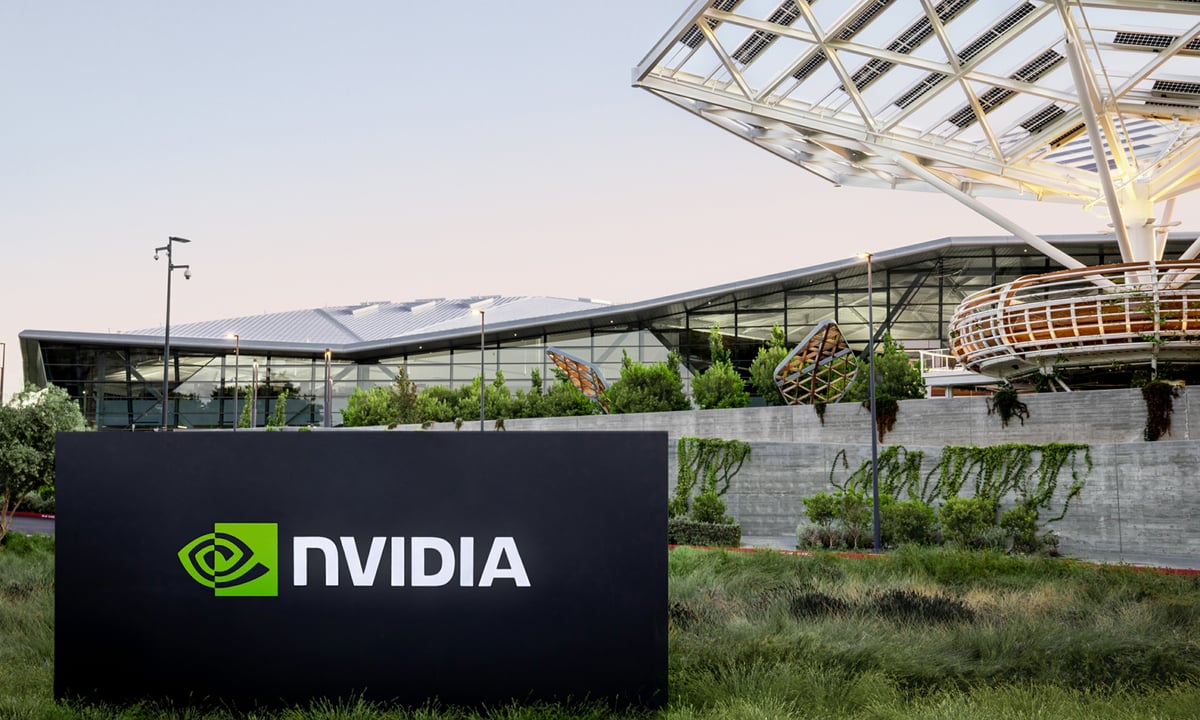
Nvidia Stock Pullback Yet Optimistic Outlook Persists
- Market Performance Retreat: Nvidia's stock has retreated nearly 4% over the past six months, dropping from a 52-week high to a market cap of $4.8 trillion, despite the company continuing to deliver remarkable growth each quarter, indicating a lack of market confidence in its future.
- Analyst Optimism: With a median 12-month price target of $267.50 from 70 analysts, which is 33% higher than Friday's closing price, Nvidia's market cap could rise to $6.5 trillion if this target is met, reflecting strong expectations for its future growth.
- Earnings Growth Potential: Nvidia is expected to achieve a 34% earnings growth in fiscal 2028, significantly above the S&P 500's 17%, making its forward P/E ratio of 24 appear justified, especially given the robust demand for its AI data center processors.
- Strong Revenue Projections: The company anticipates generating up to $1 trillion in revenue from its Blackwell and Vera Rubin data center lines in 2026 and 2027, exceeding analysts' expectations for the next two years, indicating substantial future growth potential.
See More

Nvidia Stock Pullback but Optimistic Outlook Ahead
- Market Performance Decline: Nvidia's stock has retreated nearly 4% over the past six months from its 52-week high in October, which is surprising given the company's continued impressive quarterly growth, reflecting market caution regarding its future prospects.
- Analyst Optimism: With a 12-month median price target of $267.50 from 70 analysts, which is 33% higher than last Friday's closing price, Nvidia's market cap could rise to $6.5 trillion if this target is met, indicating strong confidence in its future performance.
- Earnings Growth Potential: Nvidia is expected to achieve a 34% earnings growth in fiscal 2028, significantly above the 17% average for S&P 500 companies, suggesting that the company deserves a premium valuation due to strong demand for its AI data center processors.
- Strong Revenue Forecast: Nvidia anticipates generating up to $1 trillion in revenue from its Blackwell and Vera Rubin data center lines in 2026 and 2027, exceeding analysts' expectations for the next two years, highlighting its substantial growth potential.
See More

S&P 500 Index Hits Record High Amid Market Recovery

- Market Recovery: The S&P 500 index reached a new record high on April 15 after a 9% decline, reflecting a rebound in investor sentiment, particularly following the U.S.-Iran ceasefire agreement that alleviated fears of a global energy shortage.
- Oil Price Volatility Risk: Despite the market recovery, Iran's recent restrictions on commercial vessels in the Strait of Hormuz could lead to another spike in oil prices, potentially pressuring corporate earnings and necessitating caution from investors regarding short-term market fluctuations.
- Investment Strategy Adjustment: With a low expense ratio of 0.03%, the Vanguard S&P 500 ETF may yield modest returns of 5% or less over the next decade at current highs, prompting a recommendation for investors to adopt a strategy of regular small investments to mitigate risks of market corrections.
- Long-Term Return Potential: While the S&P 500 has delivered a compound annual return of 10.5% since 1957, the current price-to-earnings ratio exceeding 20 times necessitates careful evaluation of future investment opportunities to avoid significant losses from large investments at market peaks.
See More
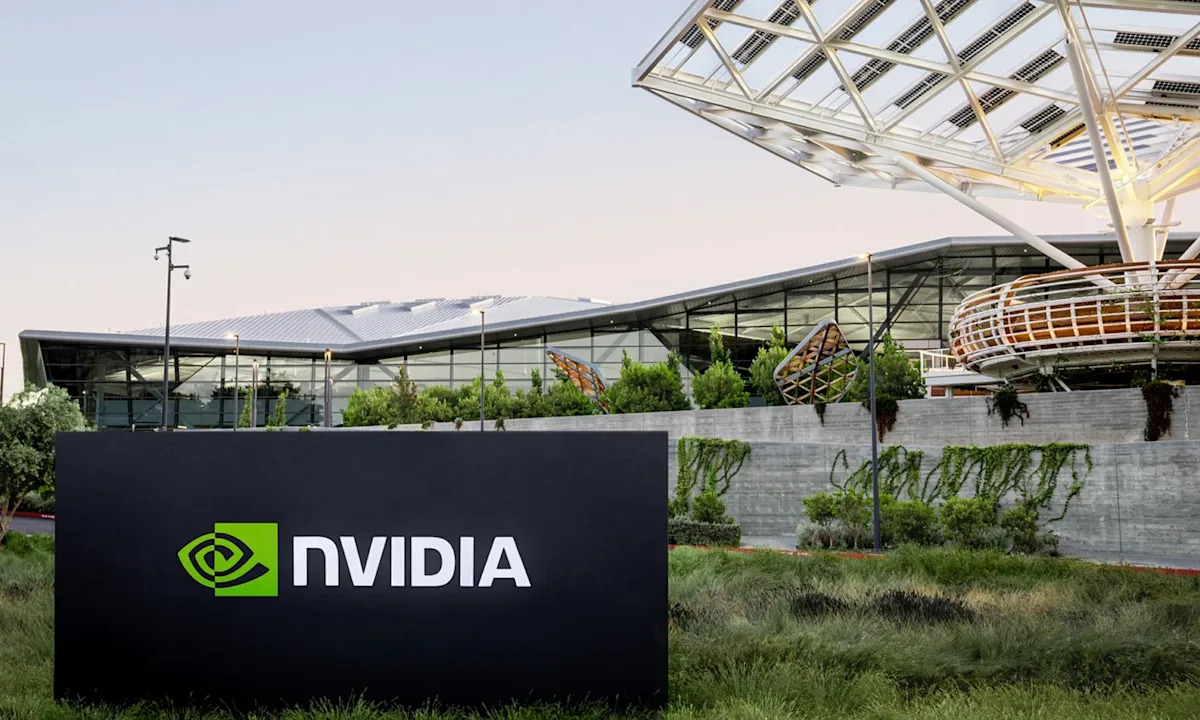
Nvidia Stock Retreats but Optimistic Outlook Persists

- Market Performance Retreat: Nvidia's stock price has retreated nearly 4% over the past six months from its 52-week high in October, despite the company continuing to deliver significant growth each quarter, indicating a potential market skepticism about its future performance.
- Analyst Optimism: With a 12-month median price target of $267.50 from 70 analysts, which is 33% higher than Friday's closing price, Nvidia's market cap could rise to $6.5 trillion if this target is met, reflecting strong confidence in its growth prospects.
- Revenue Growth Potential: Nvidia anticipates generating up to $1 trillion in revenue from its Blackwell and Vera Rubin data center lines in 2026 and 2027, significantly exceeding analysts' revenue expectations for the next two years, indicating robust market demand.
- Valuation vs. Growth Comparison: Trading at a forward P/E ratio of 24, slightly above the S&P 500's 21, Nvidia's expected 74% earnings growth this year far surpasses the S&P 500's 17%, suggesting that Nvidia deserves a premium valuation in the market.
See More

Nasdaq Recovery and Investment Opportunities
- Nasdaq Performance Rebound: After shedding over 7% in the first quarter, the Nasdaq has made a strong comeback in April, primarily driven by optimism surrounding U.S.-Iran talks and robust financial performance from tech companies, indicating a positive market sentiment towards the Middle East situation.
- AI-Driven Growth: McKinsey estimates that the cybersecurity market will grow at an annualized rate of 13%, with the integration of AI technologies fueling this growth; Palo Alto Networks' Prisma AIRS platform is well-positioned to meet this demand by securing AI applications for clients.
- Strong Outlook for Palo Alto Networks: The company saw a threefold increase in customer count in Q2, with RPO growing 23% year-over-year to $16 billion, and is expected to rise by 28% to $20.3 billion this fiscal year, showcasing its competitive edge and growth potential in the AI-driven cybersecurity market.
- Sandisk's Continued Growth: Despite a 275% stock price increase in 2026, Sandisk's forward P/E remains at just 18.6, with earnings expected to expand significantly; Gartner forecasts a 234% increase in NAND flash prices, further boosting Sandisk's performance.
See More
Nvidia's Stock Underperformance Despite Rapid Revenue Growth
- Significant Revenue Growth: Nvidia reported $68.1 billion in revenue for Q4 FY2026, a 73% increase year-over-year, with data center sales contributing $62.3 billion, up 75%, highlighting strong demand and market position in the AI sector.
- Capital Expenditure Commitments: The 'Magnificent Seven', including Alphabet, Microsoft, Amazon, and Meta, announced up to $700 billion in capital expenditures for 2023, which, while not all directed to Nvidia, will drive demand for its GPUs and impact future performance.
- Market Capitalization vs. Valuation: Despite Nvidia's market capitalization soaring to the highest in the past two years, its forward P/E ratio stands at 23.9, significantly below the three-year average of 79, indicating that the market may be underestimating its future growth potential, presenting a possible investment opportunity.
- Future Growth Expectations: CEO Jensen Huang forecasts that Nvidia could achieve $1 trillion in AI revenue by 2027, compared to just $215.9 billion in 2025, suggesting the company is on a trajectory of rapid growth that investors should closely monitor.
See More
Nvidia Stock Pullback Yet Optimistic Outlook Persists
- Market Performance Retreat: Nvidia's stock has retreated nearly 4% over the past six months, dropping from a 52-week high to a market cap of $4.8 trillion, despite the company continuing to deliver remarkable growth each quarter, indicating a lack of market confidence in its future.
- Analyst Optimism: With a median 12-month price target of $267.50 from 70 analysts, which is 33% higher than Friday's closing price, Nvidia's market cap could rise to $6.5 trillion if this target is met, reflecting strong expectations for its future growth.
- Earnings Growth Potential: Nvidia is expected to achieve a 34% earnings growth in fiscal 2028, significantly above the S&P 500's 17%, making its forward P/E ratio of 24 appear justified, especially given the robust demand for its AI data center processors.
- Strong Revenue Projections: The company anticipates generating up to $1 trillion in revenue from its Blackwell and Vera Rubin data center lines in 2026 and 2027, exceeding analysts' expectations for the next two years, indicating substantial future growth potential.
See More
Nvidia Stock Pullback but Optimistic Outlook Ahead
- Market Performance Decline: Nvidia's stock has retreated nearly 4% over the past six months from its 52-week high in October, which is surprising given the company's continued impressive quarterly growth, reflecting market caution regarding its future prospects.
- Analyst Optimism: With a 12-month median price target of $267.50 from 70 analysts, which is 33% higher than last Friday's closing price, Nvidia's market cap could rise to $6.5 trillion if this target is met, indicating strong confidence in its future performance.
- Earnings Growth Potential: Nvidia is expected to achieve a 34% earnings growth in fiscal 2028, significantly above the 17% average for S&P 500 companies, suggesting that the company deserves a premium valuation due to strong demand for its AI data center processors.
- Strong Revenue Forecast: Nvidia anticipates generating up to $1 trillion in revenue from its Blackwell and Vera Rubin data center lines in 2026 and 2027, exceeding analysts' expectations for the next two years, highlighting its substantial growth potential.
See More
S&P 500 Index Hits Record High Amid Market Recovery
- Market Recovery: The S&P 500 index reached a new record high on April 15 after a 9% decline, reflecting a rebound in investor sentiment, particularly following the U.S.-Iran ceasefire agreement that alleviated fears of a global energy shortage.
- Oil Price Volatility Risk: Despite the market recovery, Iran's recent restrictions on commercial vessels in the Strait of Hormuz could lead to another spike in oil prices, potentially pressuring corporate earnings and necessitating caution from investors regarding short-term market fluctuations.
- Investment Strategy Adjustment: With a low expense ratio of 0.03%, the Vanguard S&P 500 ETF may yield modest returns of 5% or less over the next decade at current highs, prompting a recommendation for investors to adopt a strategy of regular small investments to mitigate risks of market corrections.
- Long-Term Return Potential: While the S&P 500 has delivered a compound annual return of 10.5% since 1957, the current price-to-earnings ratio exceeding 20 times necessitates careful evaluation of future investment opportunities to avoid significant losses from large investments at market peaks.
See More
Nvidia Stock Retreats but Optimistic Outlook Persists
- Market Performance Retreat: Nvidia's stock price has retreated nearly 4% over the past six months from its 52-week high in October, despite the company continuing to deliver significant growth each quarter, indicating a potential market skepticism about its future performance.
- Analyst Optimism: With a 12-month median price target of $267.50 from 70 analysts, which is 33% higher than Friday's closing price, Nvidia's market cap could rise to $6.5 trillion if this target is met, reflecting strong confidence in its growth prospects.
- Revenue Growth Potential: Nvidia anticipates generating up to $1 trillion in revenue from its Blackwell and Vera Rubin data center lines in 2026 and 2027, significantly exceeding analysts' revenue expectations for the next two years, indicating robust market demand.
- Valuation vs. Growth Comparison: Trading at a forward P/E ratio of 24, slightly above the S&P 500's 21, Nvidia's expected 74% earnings growth this year far surpasses the S&P 500's 17%, suggesting that Nvidia deserves a premium valuation in the market.
See More
Nasdaq Recovery and Investment Opportunities
- Nasdaq Performance Rebound: After shedding over 7% in the first quarter, the Nasdaq has made a strong comeback in April, primarily driven by optimism surrounding U.S.-Iran talks and robust financial performance from tech companies, indicating a positive market sentiment towards the Middle East situation.
- AI-Driven Growth: McKinsey estimates that the cybersecurity market will grow at an annualized rate of 13%, with the integration of AI technologies fueling this growth; Palo Alto Networks' Prisma AIRS platform is well-positioned to meet this demand by securing AI applications for clients.
- Strong Outlook for Palo Alto Networks: The company saw a threefold increase in customer count in Q2, with RPO growing 23% year-over-year to $16 billion, and is expected to rise by 28% to $20.3 billion this fiscal year, showcasing its competitive edge and growth potential in the AI-driven cybersecurity market.
- Sandisk's Continued Growth: Despite a 275% stock price increase in 2026, Sandisk's forward P/E remains at just 18.6, with earnings expected to expand significantly; Gartner forecasts a 234% increase in NAND flash prices, further boosting Sandisk's performance.
See More