S&P 500 E-Minis and NASDAQ Futures Both Increase by 0.1% as Oracle Surges Nearly 10% Following Earnings Report
Written by Emily J. Thompson, Senior Investment Analyst
Updated: Mar 10 2026
0mins

Should l Buy NVDA?
Source: moomoo
Market Performance: The S&P 500 and Nasdaq futures both saw a slight increase of 0.1%.
Earnings Impact: Oracle's stock surged nearly 10% following its earnings report.
Trade with 70% Backtested Accuracy
Stop guessing "Should I Buy NVDA?" and start using high-conviction signals backed by rigorous historical data.
Sign up today to access powerful investing tools and make smarter, data-driven decisions.
Analyst Views on NVDA
Wall Street analysts forecast NVDA stock price to rise
41 Analyst Rating
39 Buy
1 Hold
1 Sell
Strong Buy
Current: 178.560

Low
200.00
Averages
264.97
High
352.00
Current: 178.560
Low
200.00
Averages
264.97
High
352.00
About NVDA
NVIDIA Corporation is a full-stack computing infrastructure company. The Company is engaged in accelerated computing to help solve the challenging computational problems. The Company’s segments include Compute & Networking and Graphics. The Compute & Networking segment includes its Data Center accelerated computing platforms and artificial intelligence (AI) solutions and software; networking; automotive platforms and autonomous and electric vehicle solutions; Jetson for robotics and other embedded platforms, and DGX Cloud computing services. The Graphics segment includes GeForce GPUs for gaming and PCs, the GeForce NOW game streaming service and related infrastructure, and solutions for gaming platforms; Quadro/NVIDIA RTX GPUs for enterprise workstation graphics; virtual GPU software for cloud-based visual and virtual computing; automotive platforms for infotainment systems, and Omniverse Enterprise software for building and operating industrial AI and digital twin applications.
About the author

Emily J. Thompson
Emily J. Thompson, a Chartered Financial Analyst (CFA) with 12 years in investment research, graduated with honors from the Wharton School. Specializing in industrial and technology stocks, she provides in-depth analysis for Intellectia’s earnings and market brief reports.

Nvidia's Stock Shows Huge Potential Upside

- Impressive Earnings: Nvidia reported $68 billion in revenue for Q4 FY2026, a 73% year-over-year increase that surpassed analyst expectations of $66.2 billion, indicating robust market demand and profitability.
- Analyst Optimism: Tigress Financial's Ivan Feinseth reiterated a strong buy rating and raised the 12-month price target to $360, suggesting a potential upside of 100%, reflecting the market's underestimation of Nvidia's future growth.
- Market Dominance: Nvidia holds a 92% share of the GPU data center market, with projections of nearly $2 trillion in revenue over the next five years, showcasing its strong competitive position and demand in the AI sector.
- Positive Future Outlook: CEO Jensen Huang anticipates generating at least $1 trillion from Blackwell and Vera Rubin chip sales by the end of 2027, demonstrating the company's strong confidence in future computing demand.
See More
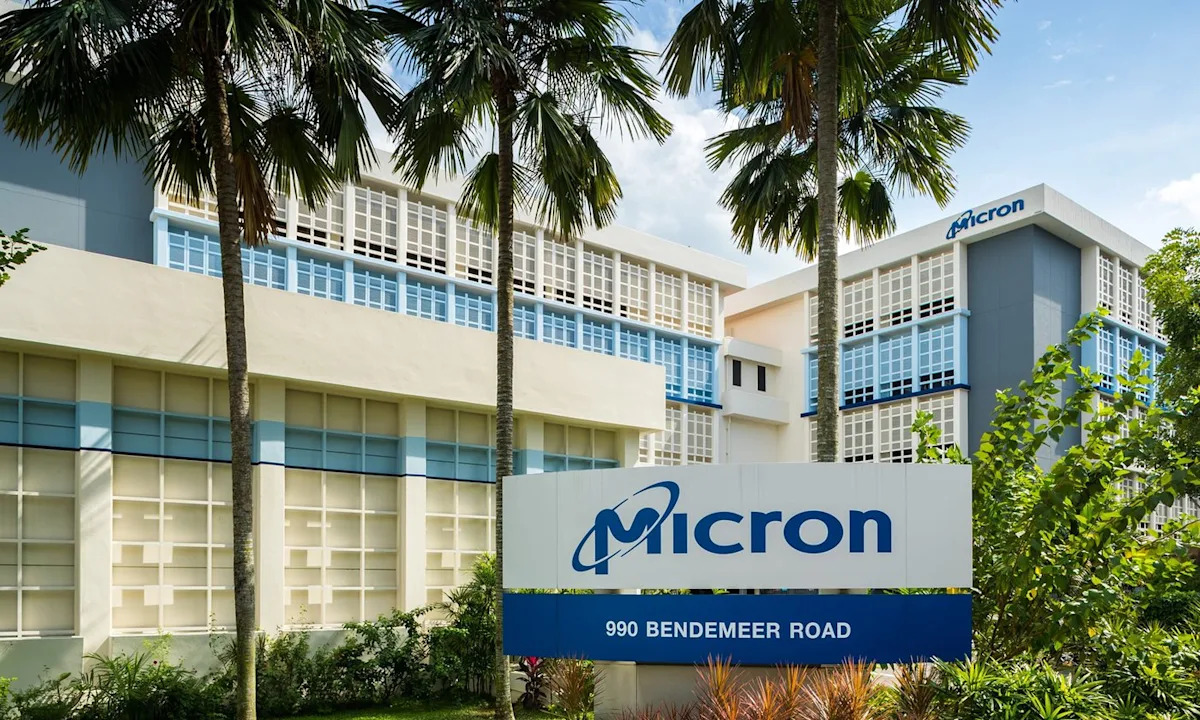
Micron Technology: The Rise of AI Semiconductors

- Stock Surge: Micron Technology's shares have surged 162% over the past six months, currently hovering around $440, reflecting strong market confidence in its position within the AI semiconductor sector, with expectations for further increases over the next three years.
- High-Performance Memory Demand: The explosive demand for high-bandwidth memory (HBM) is driven by AI hyperscalers deploying millions of GPU clusters in data centers, with the HBM market projected to grow at 40% annually, reaching $100 billion by 2028.
- Earnings Forecast Improvement: Micron reported earnings per share (EPS) of $7.59 for fiscal 2025, with EPS exceeding $16.68 in the first half of fiscal 2026, and management guiding for $18.90 in Q3, indicating robust earnings growth potential.
- Long-Term Valuation Outlook: Assuming Micron achieves EPS between $95 and $115 by fiscal 2029, applying a historical P/E ratio of 18x to 25x suggests an implied share price range of $2,070 to $2,875, representing a potential increase of 4.7 to 6.5 times the current price.
See More

Analysis of U.S. Stock Market Resilience

- Market Resilience: Despite pressures from the Iranian conflict and oil prices exceeding $100, the S&P 500 Index is down only 2% this year, indicating market resilience and investor confidence.
- Oil Price Impact: The closure of the Strait of Hormuz by Iran has led to soaring global oil prices, heightening inflation concerns; however, investors do not seem to believe the conflict will be prolonged.
- Strong Dollar: The resurgence of the dollar as a safe haven has reduced import costs, potentially alleviating inflationary pressures and further supporting market stability.
- Earnings Forecast Upgrades: Wall Street analysts are continuously raising earnings estimates for S&P 500 companies, with the 2027 EPS forecast reaching $328.80, fostering optimistic sentiment about the market's future.
See More

AI Technology Expected to Generate $15.7 Trillion Economic Value

- Market Value Warning: Following their latest earnings reports, Nvidia and AMD collectively lost $711 billion in market value, indicating that investors' lofty AI expectations may lead to future stock price pressures.
- Significant Sales Growth: Nvidia's data center segment reported $193.7 billion in sales last year, up 68%, while AMD's data center revenue reached $16.6 billion, up 32%, showcasing both companies' strong performance in the AI sector.
- Monopoly Position: Nvidia has maintained a virtual monopoly in the enterprise data center market for years and plans to introduce a new advanced AI chip annually, further solidifying its market leadership, although AMD is also working to close the gap.
- Increased Internal Competition: Many large customers are developing their own GPUs, which could weaken demand for Nvidia and AMD's products, potentially squeezing prices and profit margins, thereby impacting future profitability.
See More

GPU Giants Nvidia and AMD Issue $711 Billion Warning Amid AI Hype
- Market Value Warning: Following Nvidia and AMD's earnings reports, a combined market value loss of $711 billion occurred within just 48 hours, indicating that investor expectations for AI may be overly optimistic, potentially leading to increased stock volatility in the future.
- Revenue Growth Comparison: Nvidia reported $193.7 billion in sales from its data center segment, a 68% increase, while AMD's data center revenue reached $16.6 billion, up 32%, showcasing the competitive strength of both companies in the AI sector.
- GPU Price Increases: With insatiable demand for AI infrastructure, Nvidia and AMD have been able to raise prices on their advanced GPUs, resulting in improved gross margins, with Nvidia achieving a gross margin of 71.07% and AMD at 45.99%.
- Tech Bubble Risk: History shows that every disruptive technology has faced a bubble burst, and the early-stage optimization of AI solutions may be overestimated; if market developments do not meet expectations, Nvidia and AMD's stock prices could face downward pressure.
See More

Uber's Hybrid Network May Win the Robotaxi Race

- Demand Fluctuation Challenge: Uber's data reveals that demand in Austin on a typical Monday is only 45% of Saturday's level, with troughs dropping to just 5% of peak demand, making it difficult for robotaxi-only networks to operate efficiently during peak times, risking resource waste and service instability.
- Hybrid Network Advantage: Uber's proposed hybrid network allows autonomous vehicles to handle baseline demand while human drivers quickly respond during demand surges, providing the flexibility needed to adapt to urban transportation fluctuations and enhance overall service quality.
- Early Data Support: In cities like Austin and Atlanta, autonomous vehicles on Uber's platform complete about 30% more trips per vehicle per day compared to standalone AV fleets, and riders experience approximately 25% faster estimated pickup times, indicating the potential advantages of the hybrid model.
- Investor Outlook: While autonomous vehicles will reshape ride supply, if Uber's hybrid model proves more efficient than robotaxi-only fleets, it could maintain a central role in the future mobility ecosystem, ensuring the company's competitiveness in the market.
See More
Nvidia's Stock Shows Huge Potential Upside
- Impressive Earnings: Nvidia reported $68 billion in revenue for Q4 FY2026, a 73% year-over-year increase that surpassed analyst expectations of $66.2 billion, indicating robust market demand and profitability.
- Analyst Optimism: Tigress Financial's Ivan Feinseth reiterated a strong buy rating and raised the 12-month price target to $360, suggesting a potential upside of 100%, reflecting the market's underestimation of Nvidia's future growth.
- Market Dominance: Nvidia holds a 92% share of the GPU data center market, with projections of nearly $2 trillion in revenue over the next five years, showcasing its strong competitive position and demand in the AI sector.
- Positive Future Outlook: CEO Jensen Huang anticipates generating at least $1 trillion from Blackwell and Vera Rubin chip sales by the end of 2027, demonstrating the company's strong confidence in future computing demand.
See More
Micron Technology: The Rise of AI Semiconductors
- Stock Surge: Micron Technology's shares have surged 162% over the past six months, currently hovering around $440, reflecting strong market confidence in its position within the AI semiconductor sector, with expectations for further increases over the next three years.
- High-Performance Memory Demand: The explosive demand for high-bandwidth memory (HBM) is driven by AI hyperscalers deploying millions of GPU clusters in data centers, with the HBM market projected to grow at 40% annually, reaching $100 billion by 2028.
- Earnings Forecast Improvement: Micron reported earnings per share (EPS) of $7.59 for fiscal 2025, with EPS exceeding $16.68 in the first half of fiscal 2026, and management guiding for $18.90 in Q3, indicating robust earnings growth potential.
- Long-Term Valuation Outlook: Assuming Micron achieves EPS between $95 and $115 by fiscal 2029, applying a historical P/E ratio of 18x to 25x suggests an implied share price range of $2,070 to $2,875, representing a potential increase of 4.7 to 6.5 times the current price.
See More
Analysis of U.S. Stock Market Resilience
- Market Resilience: Despite pressures from the Iranian conflict and oil prices exceeding $100, the S&P 500 Index is down only 2% this year, indicating market resilience and investor confidence.
- Oil Price Impact: The closure of the Strait of Hormuz by Iran has led to soaring global oil prices, heightening inflation concerns; however, investors do not seem to believe the conflict will be prolonged.
- Strong Dollar: The resurgence of the dollar as a safe haven has reduced import costs, potentially alleviating inflationary pressures and further supporting market stability.
- Earnings Forecast Upgrades: Wall Street analysts are continuously raising earnings estimates for S&P 500 companies, with the 2027 EPS forecast reaching $328.80, fostering optimistic sentiment about the market's future.
See More
AI Technology Expected to Generate $15.7 Trillion Economic Value
- Market Value Warning: Following their latest earnings reports, Nvidia and AMD collectively lost $711 billion in market value, indicating that investors' lofty AI expectations may lead to future stock price pressures.
- Significant Sales Growth: Nvidia's data center segment reported $193.7 billion in sales last year, up 68%, while AMD's data center revenue reached $16.6 billion, up 32%, showcasing both companies' strong performance in the AI sector.
- Monopoly Position: Nvidia has maintained a virtual monopoly in the enterprise data center market for years and plans to introduce a new advanced AI chip annually, further solidifying its market leadership, although AMD is also working to close the gap.
- Increased Internal Competition: Many large customers are developing their own GPUs, which could weaken demand for Nvidia and AMD's products, potentially squeezing prices and profit margins, thereby impacting future profitability.
See More
GPU Giants Nvidia and AMD Issue $711 Billion Warning Amid AI Hype
- Market Value Warning: Following Nvidia and AMD's earnings reports, a combined market value loss of $711 billion occurred within just 48 hours, indicating that investor expectations for AI may be overly optimistic, potentially leading to increased stock volatility in the future.
- Revenue Growth Comparison: Nvidia reported $193.7 billion in sales from its data center segment, a 68% increase, while AMD's data center revenue reached $16.6 billion, up 32%, showcasing the competitive strength of both companies in the AI sector.
- GPU Price Increases: With insatiable demand for AI infrastructure, Nvidia and AMD have been able to raise prices on their advanced GPUs, resulting in improved gross margins, with Nvidia achieving a gross margin of 71.07% and AMD at 45.99%.
- Tech Bubble Risk: History shows that every disruptive technology has faced a bubble burst, and the early-stage optimization of AI solutions may be overestimated; if market developments do not meet expectations, Nvidia and AMD's stock prices could face downward pressure.
See More
Uber's Hybrid Network May Win the Robotaxi Race
- Demand Fluctuation Challenge: Uber's data reveals that demand in Austin on a typical Monday is only 45% of Saturday's level, with troughs dropping to just 5% of peak demand, making it difficult for robotaxi-only networks to operate efficiently during peak times, risking resource waste and service instability.
- Hybrid Network Advantage: Uber's proposed hybrid network allows autonomous vehicles to handle baseline demand while human drivers quickly respond during demand surges, providing the flexibility needed to adapt to urban transportation fluctuations and enhance overall service quality.
- Early Data Support: In cities like Austin and Atlanta, autonomous vehicles on Uber's platform complete about 30% more trips per vehicle per day compared to standalone AV fleets, and riders experience approximately 25% faster estimated pickup times, indicating the potential advantages of the hybrid model.
- Investor Outlook: While autonomous vehicles will reshape ride supply, if Uber's hybrid model proves more efficient than robotaxi-only fleets, it could maintain a central role in the future mobility ecosystem, ensuring the company's competitiveness in the market.
See More