Significant Withdrawals Observed in ETF for FAS, SPGI, PGR, BX


FAS Share Price Analysis: FAS's share price has a 52-week low of $92.66 and a high of $189.23, with the last trade recorded at $159.86, indicating a significant fluctuation within the year.
Understanding ETFs: Exchange-traded funds (ETFs) function similarly to stocks, where investors buy and sell "units" that can be created or destroyed based on demand, impacting the underlying assets.
Monitoring ETF Flows: Weekly monitoring of shares outstanding helps identify ETFs with notable inflows (new units created) or outflows (units destroyed), which can affect the individual components held within those ETFs.
Author's Perspective: The views expressed in the article are solely those of the author and do not necessarily represent the opinions of Nasdaq, Inc.
Trade with 70% Backtested Accuracy
Analyst Views on SPGI

About SPGI
About the author


S&P SmallCap 600 Index Adjustments Announced


- Index Changes: Midera Food Processing Inc. will replace Redwood Trust Inc. in the S&P SmallCap 600 effective July 8, 2026, enhancing the index's representation of the small-cap market and potentially attracting more investor interest.
- Corporate Spin-off: The Middleby Corp. is spinning off Midera Food Processing, with the transaction expected to close on July 7, aiming to increase focus on its core business and improve market competitiveness.
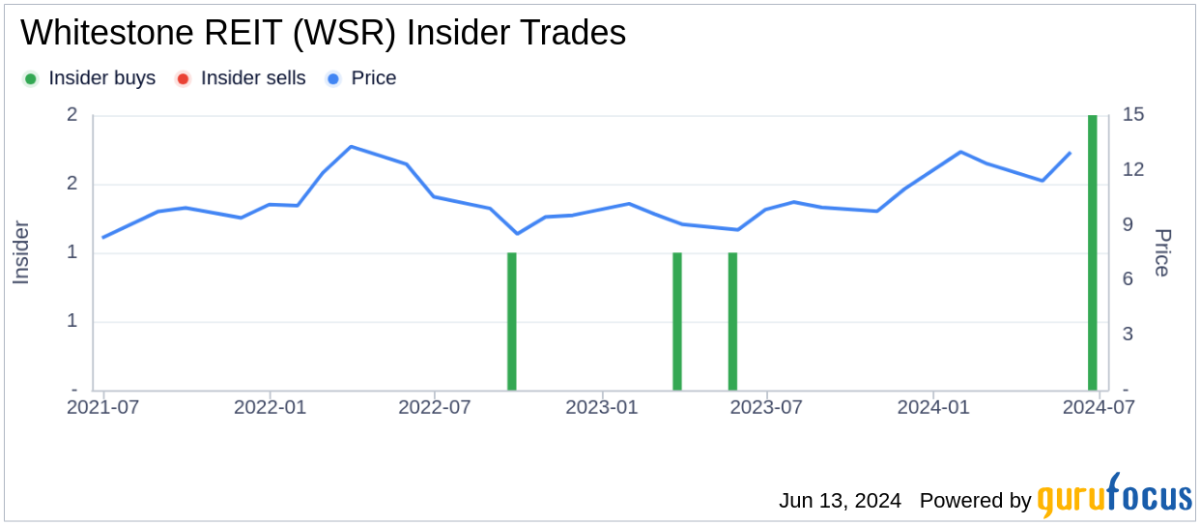
- Energy Sector Addition: Centrus Energy Corp. will replace Whitestone REIT in the S&P SmallCap 600 effective July 14, 2026, reflecting ongoing investor interest and recognition of growth potential in the energy sector.
- Real Estate Market Adjustment: The removal of Whitestone REIT signifies a reassessment of the real estate sector within the S&P SmallCap 600, which may influence asset allocation strategies among related investors.
S&P SmallCap 600 Index Changes Announced

- New Addition: Midera Food Processing (Ticker: MFP) will be added to the S&P SmallCap 600 Index on July 8, 2026, indicating recognition and growth in the industrial sector, which is expected to attract more investor attention.
- Removal: Redwood Trust Inc (Ticker: RWT) will be removed from the S&P SmallCap 600 Index on July 8, 2026, a move that may negatively impact its stock price, reflecting market concerns about its future performance.
- New Addition: Centrus Energy (Ticker: LEU) will join the S&P SmallCap 600 Index on July 14, 2026, showcasing its growth potential in the energy sector, which could enhance its market visibility and investment appeal.
- Removal: Whitestone REIT (Ticker: WSR) will be removed from the S&P SmallCap 600 Index on July 14, 2026, an adjustment that may affect its liquidity and investor confidence, reflecting market skepticism about its asset management capabilities.

S&P Global Completes Mobility Global Spin-Off

- Spin-Off Completion: S&P Global successfully completed the spin-off of Mobility Global on Wednesday, known for its Carfax service, resulting in an almost 8% rise in S&P Global's stock price, indicating positive market reception to the new structure.
- Shareholder Benefits: Existing S&P Global shareholders as of June 15 received one Mobility Global share for each S&P Global share held, enhancing shareholder returns and reflecting the company's commitment to shareholder value.
- Analyst Rating Upgrade: Huber Research analyst Douglas Arthur upgraded S&P Global's rating from underweight to neutral, further boosting the stock price and indicating increased market confidence in the company's future performance.
- Mobility Global Market Performance: Despite Mobility Global's disappointing first-day trading performance with a nearly 4% drop, the strong potential of the Carfax brand and its uniqueness continue to attract investor interest, suggesting possible rebound opportunities in the future.

S&P Global Completes Mobility Global Spin-off
- Stock Price Surge: S&P Global's shares rose nearly 8% on Wednesday following the completion of the Mobility Global spin-off, reflecting positive market sentiment towards the company's enhanced efficiency and streamlined operations, thereby boosting investor confidence.
- Spin-off Completion: Mobility Global officially became a separate publicly traded entity, with existing S&P Global shareholders receiving one Mobility Global share for each S&P Global share held as of June 15, marking a successful strategic restructuring for the company.
- Analyst Rating Upgrade: Huber Research analyst Douglas Arthur upgraded S&P Global's rating from underweight to neutral, indicating increased market confidence in its future performance, which could further drive stock price appreciation.
- Mobility Global Market Performance: Although Mobility Global's shares fell nearly 4% on their first trading day, the strength of the Carfax brand and the company's uniqueness lead analysts to maintain an optimistic outlook, potentially providing buying opportunities for investors.

S&P Global Completes Mobility Global Spin-Off

- Stock Price Surge: S&P Global's shares rose nearly 8% on Wednesday following the completion of the Mobility Global spin-off, reflecting positive market sentiment regarding the company's streamlined operations and enhanced efficiency, which boosts investor confidence.
- Spin-Off Details: Mobility Global officially became a separate publicly traded entity, with existing S&P Global shareholders receiving one Mobility Global share for each S&P Global share held as of June 15, demonstrating the company's commitment to shareholder value.
- Analyst Rating Upgrade: Huber Research analyst Douglas Arthur upgraded S&P Global's rating from underweight to neutral, indicating increased market confidence in the company's future performance, which may attract more investor interest.
- Mobility Global Market Performance: Although Mobility Global's shares fell nearly 4% on their first trading day, the company owns well-known brands like Carfax, and analysts believe its long-term potential remains promising, potentially offering buying opportunities for investors.

NYSE Issues Daily Pre-Market Advisory

- Market Update Release: The New York Stock Exchange (NYSE) issues a daily pre-market update, providing investors with essential market insights to make informed decisions before trading begins.
- Opening Bell: Mobility Global (NYSE:MBGL) celebrates its spinoff, marking a new chapter for the company in the capital markets, which is expected to attract more investor attention.
- Closing Bell: The U.S. Secret Service's New York Field Office rings the Closing Bell, symbolizing the market's close and reflecting the interaction between government agencies and financial markets.
- App Promotion: Investors can download the NYSE TV app to access market insights, IPO activity, and today's opening bell information, enhancing the efficiency and accuracy of their trading decisions.
S&P SmallCap 600 Index Adjustments Announced
- Index Changes: Midera Food Processing Inc. will replace Redwood Trust Inc. in the S&P SmallCap 600 effective July 8, 2026, enhancing the index's representation of the small-cap market and potentially attracting more investor interest.
- Corporate Spin-off: The Middleby Corp. is spinning off Midera Food Processing, with the transaction expected to close on July 7, aiming to increase focus on its core business and improve market competitiveness.
- Energy Sector Addition: Centrus Energy Corp. will replace Whitestone REIT in the S&P SmallCap 600 effective July 14, 2026, reflecting ongoing investor interest and recognition of growth potential in the energy sector.
- Real Estate Market Adjustment: The removal of Whitestone REIT signifies a reassessment of the real estate sector within the S&P SmallCap 600, which may influence asset allocation strategies among related investors.
S&P SmallCap 600 Index Changes Announced
- New Addition: Midera Food Processing (Ticker: MFP) will be added to the S&P SmallCap 600 Index on July 8, 2026, indicating recognition and growth in the industrial sector, which is expected to attract more investor attention.
- Removal: Redwood Trust Inc (Ticker: RWT) will be removed from the S&P SmallCap 600 Index on July 8, 2026, a move that may negatively impact its stock price, reflecting market concerns about its future performance.
- New Addition: Centrus Energy (Ticker: LEU) will join the S&P SmallCap 600 Index on July 14, 2026, showcasing its growth potential in the energy sector, which could enhance its market visibility and investment appeal.
- Removal: Whitestone REIT (Ticker: WSR) will be removed from the S&P SmallCap 600 Index on July 14, 2026, an adjustment that may affect its liquidity and investor confidence, reflecting market skepticism about its asset management capabilities.
S&P Global Completes Mobility Global Spin-Off
- Spin-Off Completion: S&P Global successfully completed the spin-off of Mobility Global on Wednesday, known for its Carfax service, resulting in an almost 8% rise in S&P Global's stock price, indicating positive market reception to the new structure.
- Shareholder Benefits: Existing S&P Global shareholders as of June 15 received one Mobility Global share for each S&P Global share held, enhancing shareholder returns and reflecting the company's commitment to shareholder value.
- Analyst Rating Upgrade: Huber Research analyst Douglas Arthur upgraded S&P Global's rating from underweight to neutral, further boosting the stock price and indicating increased market confidence in the company's future performance.
- Mobility Global Market Performance: Despite Mobility Global's disappointing first-day trading performance with a nearly 4% drop, the strong potential of the Carfax brand and its uniqueness continue to attract investor interest, suggesting possible rebound opportunities in the future.
S&P Global Completes Mobility Global Spin-off
- Stock Price Surge: S&P Global's shares rose nearly 8% on Wednesday following the completion of the Mobility Global spin-off, reflecting positive market sentiment towards the company's enhanced efficiency and streamlined operations, thereby boosting investor confidence.
- Spin-off Completion: Mobility Global officially became a separate publicly traded entity, with existing S&P Global shareholders receiving one Mobility Global share for each S&P Global share held as of June 15, marking a successful strategic restructuring for the company.
- Analyst Rating Upgrade: Huber Research analyst Douglas Arthur upgraded S&P Global's rating from underweight to neutral, indicating increased market confidence in its future performance, which could further drive stock price appreciation.
- Mobility Global Market Performance: Although Mobility Global's shares fell nearly 4% on their first trading day, the strength of the Carfax brand and the company's uniqueness lead analysts to maintain an optimistic outlook, potentially providing buying opportunities for investors.
S&P Global Completes Mobility Global Spin-Off
- Stock Price Surge: S&P Global's shares rose nearly 8% on Wednesday following the completion of the Mobility Global spin-off, reflecting positive market sentiment regarding the company's streamlined operations and enhanced efficiency, which boosts investor confidence.
- Spin-Off Details: Mobility Global officially became a separate publicly traded entity, with existing S&P Global shareholders receiving one Mobility Global share for each S&P Global share held as of June 15, demonstrating the company's commitment to shareholder value.
- Analyst Rating Upgrade: Huber Research analyst Douglas Arthur upgraded S&P Global's rating from underweight to neutral, indicating increased market confidence in the company's future performance, which may attract more investor interest.
- Mobility Global Market Performance: Although Mobility Global's shares fell nearly 4% on their first trading day, the company owns well-known brands like Carfax, and analysts believe its long-term potential remains promising, potentially offering buying opportunities for investors.
NYSE Issues Daily Pre-Market Advisory
- Market Update Release: The New York Stock Exchange (NYSE) issues a daily pre-market update, providing investors with essential market insights to make informed decisions before trading begins.
- Opening Bell: Mobility Global (NYSE:MBGL) celebrates its spinoff, marking a new chapter for the company in the capital markets, which is expected to attract more investor attention.
- Closing Bell: The U.S. Secret Service's New York Field Office rings the Closing Bell, symbolizing the market's close and reflecting the interaction between government agencies and financial markets.
- App Promotion: Investors can download the NYSE TV app to access market insights, IPO activity, and today's opening bell information, enhancing the efficiency and accuracy of their trading decisions.