American Eagle Outfitters Q4 2025 Earnings Highlights
Written by Emily J. Thompson, Senior Investment Analyst
Updated: Mar 05 2026
0mins
Should l Buy AEO?
Source: seekingalpha
- Significant Sales Growth: American Eagle Outfitters reported total revenue of $1.8 billion in Q4 2025, a 10% increase year-over-year, with Aerie and OFFLINE achieving 23% comparable sales growth, indicating strong market demand and brand appeal.
- Improved Profitability: Adjusted operating income reached $180 million, up 27% from the previous year, with operating margin rising from 8.9% to 10.2%, demonstrating significant progress in cost control and operational efficiency.
- Strategic Focus on Core Brands: The company announced its exit from the Quiet Logistics third-party business, which is expected to save $20 million annually, allowing resources to be concentrated on the growth and market expansion of core brands.
- Optimistic Future Outlook: For fiscal 2026, comparable sales growth is expected in the mid-single digits, with operating profit projected between $390 million and $410 million, reflecting management's strong confidence in future growth potential and cash flow.
Trade with 70% Backtested Accuracy
Stop guessing "Should I Buy AEO?" and start using high-conviction signals backed by rigorous historical data.
Sign up today to access powerful investing tools and make smarter, data-driven decisions.
Analyst Views on AEO
Wall Street analysts forecast AEO stock price to rise
11 Analyst Rating
1 Buy
8 Hold
2 Sell
Hold
Current: 17.320

Low
20.00
Averages
24.80
High
35.00
Current: 17.320
Low
20.00
Averages
24.80
High
35.00
About AEO
American Eagle Outfitters, Inc. is a global specialty retailer. The Company offers clothing, accessories and personal care products under its American Eagle and Aerie brands. The Company operates through two segments: American Eagle and Aerie. American Eagle is an American jeans and apparel brand. Aerie is a lifestyle brand offering intimates, apparel, activewear, and swim collections. OFFLINE by Aerie offers a complete collection of activewear and accessories. The Company sells its products directly to consumers through its retail channel, which includes its stores and concession-based shops-within-shops. It operates stores in the United States, Canada, Mexico, and Hong Kong. The Company has license agreements with third parties to operate American Eagle and Aerie stores and online marketplace businesses throughout Asia, including India, Europe, Latin America, and the Middle East. The Company also operates Todd Snyder New York (Todd Snyder), a premium menswear brand.
About the author

Emily J. Thompson
Emily J. Thompson, a Chartered Financial Analyst (CFA) with 12 years in investment research, graduated with honors from the Wharton School. Specializing in industrial and technology stocks, she provides in-depth analysis for Intellectia’s earnings and market brief reports.
Impact of Trump's Tariffs One Year Later


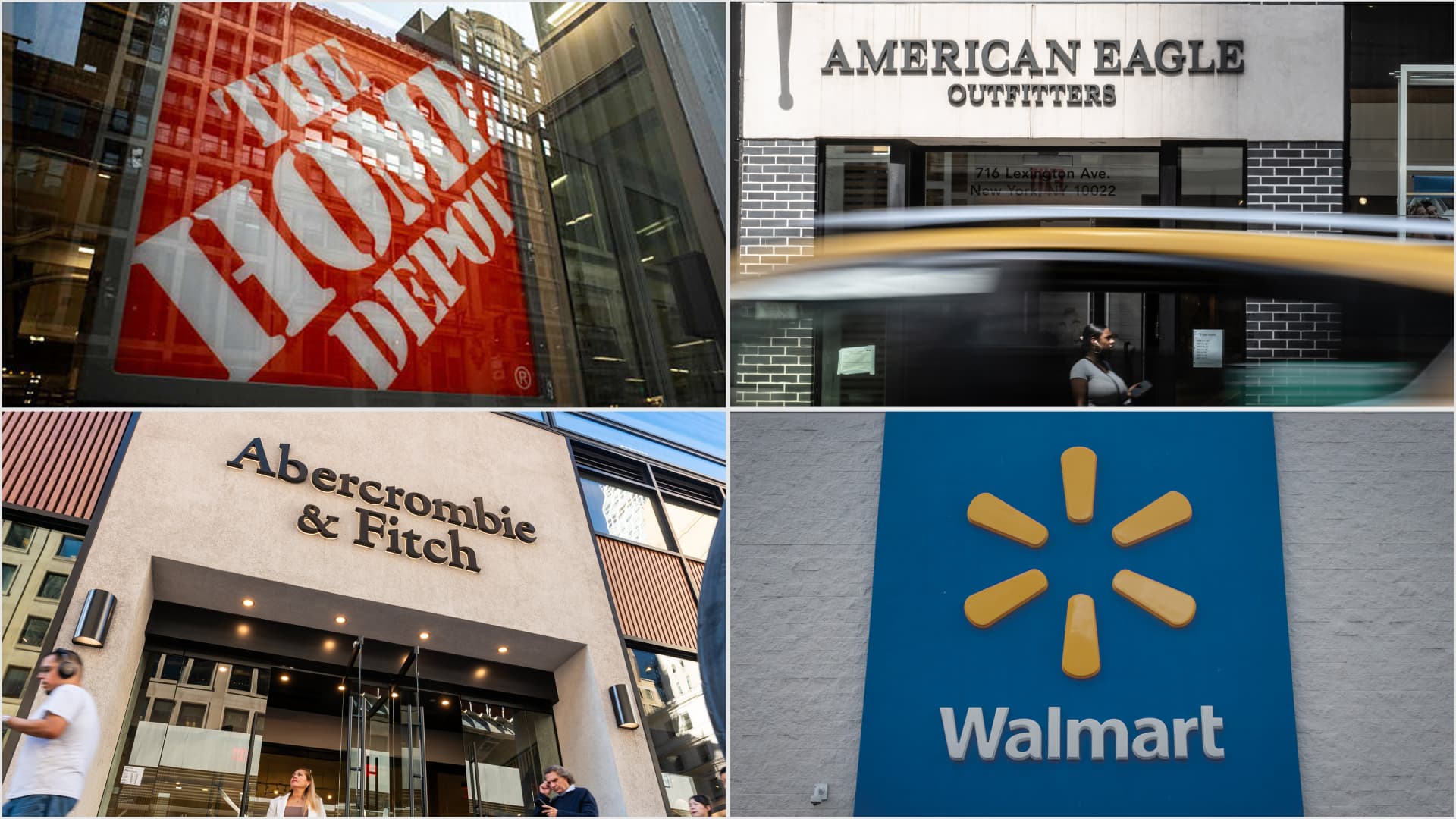
- Widespread Tariff Impact: Trump's tariff policies have placed significant economic pressure on U.S. businesses over the past year, with approximately 80% to 85% of costs absorbed by companies, leading to reduced profits and increased consumer prices, thereby exacerbating overall economic uncertainty.
- Retail Sector Adaptation: While large retailers like Walmart have emerged relatively unscathed, smaller businesses have been severely impacted, with Home Depot aiming to limit purchases from any single country to 10% to reduce dependency and enhance supply chain flexibility.
- Automotive Industry Cost Surge: Automakers such as General Motors and Toyota are facing tariff impacts estimated at up to $9.5 billion, and although the Trump administration has taken steps to alleviate overlapping tariffs, overall costs remain significant, forcing companies to reassess their supply chain strategies.
- Pharmaceutical Sector Stability: Pharmaceutical companies have secured three-year tariff exemptions through pricing agreements with Trump, although new tariffs impose 100% on companies that do not reach agreements, the overall industry is still striving to increase investments in U.S. manufacturing.
See More

Fabletics Launches First Denim Collection Amid Changing Consumer Trends


- Market Expansion Signal: Fabletics announces the launch of its first denim collection featuring 11 styles and 7 washes, priced between $79.95 and $174.95, signaling a strategic shift amid a slowdown in the athleisure market.
- Consumer Demand Driven: CEO Adam Goldenberg states that over 1 million customers expressed strong interest in denim, prompting the company to enter this category after two years of market research, showcasing its keen awareness of consumer needs.
- Changing Market Trends: While the athleisure market continues to grow, North America's growth rate has decreased from 3.1% to 2.3%, whereas the denim market is projected to grow by 2.1%, reflecting a shift in consumer preferences that Fabletics' denim line aims to capitalize on.
- Balancing Innovation and Expansion: Fabletics emphasizes that while expanding into denim, activewear remains a top priority, with the CEO highlighting the need for innovation alongside category expansion to attract new customers and increase purchase frequency among existing ones.
See More

Fabletics Launches First Denim Collection Amid Slowing Athleisure Market


- Market Trend Shift: Fabletics is launching its first denim collection, indicating a slowdown in the athleisure market, despite generating over $1 billion in revenue last year, as consumer demand for comfortable denim rises, reflecting a shift in market preferences.
- Product Diversification: The new collection features 11 styles and 7 washes, priced between $79.95 and $174.95, aimed at attracting consumers seeking comfort and style, particularly in a hybrid work environment.
- Customer Feedback Driven: The CEO of Fabletics noted that over a million customers expressed interest in denim products, which prompted the company to expand its product line, highlighting consumer loyalty and sensitivity to market demand.
- Future Growth Potential: While the sports apparel market is projected to grow only 2.3% by 2026, the denim market is expected to grow by 2.1%, suggesting that Fabletics' expansion strategy could help it capture a larger share in a competitive landscape.
See More
US Stocks Decline Amid Soaring Oil Prices


- Market Decline: On Thursday, the S&P 500 Index fell by 0.56%, the Dow Jones Industrial Average dropped by 1.61%, and the Nasdaq 100 Index decreased by 0.29%, reflecting heightened market concerns over inflation amid disruptions in energy markets due to the ongoing war in Iran.
- Surging Oil Prices: WTI crude oil prices soared over 8% to a 19.5-month high, exacerbating inflation fears and pushing bond yields higher, with the 10-year T-note yield rising to 4.15%, marking a three-week high.
- Supportive Economic Data: Despite the pressure on stocks, initial jobless claims in the US were lower than expected, indicating a resilient labor market, while Q4 nonfarm productivity rose by 2.8%, surpassing the expected 1.9%, providing some support to the market.
- Optimistic Earnings Outlook: With over 90% of S&P 500 companies reporting earnings, 73% exceeded expectations, and Q4 earnings growth is projected at 8.4%, highlighting that corporate profitability remains a crucial factor supporting the stock market.
See More
US Stocks Under Pressure Amid Rising Oil Prices

- Oil Price Surge Pressures Markets: The S&P 500 index fell by 0.67% as WTI crude prices surged over 6% to a 13.5-month high due to disruptions from the Iran war, exacerbating inflation concerns and weighing on stock performance.
- Positive Economic Data: Despite market pressures, initial jobless claims remained steady at 213,000, below the expected 215,000, indicating a resilient labor market, while Q4 nonfarm productivity rose by 2.8%, surpassing expectations of 1.9%, providing some support to the market.
- Optimistic Earnings Outlook: With over 90% of S&P 500 companies reporting, 73% exceeded expectations, and Q4 earnings growth is projected at 8.4%, reflecting strong corporate profitability that may support a market rebound in the future.
- Escalating Geopolitical Risks: Iran has pledged to escalate retaliation, and the closure of the Strait of Hormuz has tightened global oil supplies, pushing prices higher and leading to more cautious economic growth expectations in the market.
See More

Tech Stocks Rebound While Airline Shares Decline


- Tech Sector Recovery: The iShares Expanded Tech-Software Sector ETF (IGV) rose over 2%, with Salesforce up 5% and Microsoft and Oracle each gaining 1%, indicating a rebound in investor confidence towards tech companies previously impacted by AI fears, suggesting a potential improvement in market sentiment.
- Travel Stocks Surge: Expedia's shares jumped nearly 11% and Booking Holdings rose about 8% as OpenAI scaled back its direct shopping plans within ChatGPT, alleviating concerns over potential disruptions to booking sites, signaling a recovery in market confidence in the travel sector.
- Airline Stocks Under Pressure: United Airlines and Delta Air Lines saw their shares tumble 7% as oil prices resumed their ascent, with Southwest Airlines down over 6%, reflecting the direct impact of oil price volatility on the airline industry, which may lead to increased operating costs and profit compression.
- Victoria's Secret Plummets: The lingerie retailer's stock fell 15% after projecting free cash flow of $220 million to $250 million by January 2027, significantly below analysts' consensus estimate of $301.9 million, highlighting financial pressures and declining market confidence facing the company.
See More
Impact of Trump's Tariffs One Year Later
- Widespread Tariff Impact: Trump's tariff policies have placed significant economic pressure on U.S. businesses over the past year, with approximately 80% to 85% of costs absorbed by companies, leading to reduced profits and increased consumer prices, thereby exacerbating overall economic uncertainty.
- Retail Sector Adaptation: While large retailers like Walmart have emerged relatively unscathed, smaller businesses have been severely impacted, with Home Depot aiming to limit purchases from any single country to 10% to reduce dependency and enhance supply chain flexibility.
- Automotive Industry Cost Surge: Automakers such as General Motors and Toyota are facing tariff impacts estimated at up to $9.5 billion, and although the Trump administration has taken steps to alleviate overlapping tariffs, overall costs remain significant, forcing companies to reassess their supply chain strategies.
- Pharmaceutical Sector Stability: Pharmaceutical companies have secured three-year tariff exemptions through pricing agreements with Trump, although new tariffs impose 100% on companies that do not reach agreements, the overall industry is still striving to increase investments in U.S. manufacturing.
See More
Fabletics Launches First Denim Collection Amid Changing Consumer Trends
- Market Expansion Signal: Fabletics announces the launch of its first denim collection featuring 11 styles and 7 washes, priced between $79.95 and $174.95, signaling a strategic shift amid a slowdown in the athleisure market.
- Consumer Demand Driven: CEO Adam Goldenberg states that over 1 million customers expressed strong interest in denim, prompting the company to enter this category after two years of market research, showcasing its keen awareness of consumer needs.
- Changing Market Trends: While the athleisure market continues to grow, North America's growth rate has decreased from 3.1% to 2.3%, whereas the denim market is projected to grow by 2.1%, reflecting a shift in consumer preferences that Fabletics' denim line aims to capitalize on.
- Balancing Innovation and Expansion: Fabletics emphasizes that while expanding into denim, activewear remains a top priority, with the CEO highlighting the need for innovation alongside category expansion to attract new customers and increase purchase frequency among existing ones.
See More
Fabletics Launches First Denim Collection Amid Slowing Athleisure Market
- Market Trend Shift: Fabletics is launching its first denim collection, indicating a slowdown in the athleisure market, despite generating over $1 billion in revenue last year, as consumer demand for comfortable denim rises, reflecting a shift in market preferences.
- Product Diversification: The new collection features 11 styles and 7 washes, priced between $79.95 and $174.95, aimed at attracting consumers seeking comfort and style, particularly in a hybrid work environment.
- Customer Feedback Driven: The CEO of Fabletics noted that over a million customers expressed interest in denim products, which prompted the company to expand its product line, highlighting consumer loyalty and sensitivity to market demand.
- Future Growth Potential: While the sports apparel market is projected to grow only 2.3% by 2026, the denim market is expected to grow by 2.1%, suggesting that Fabletics' expansion strategy could help it capture a larger share in a competitive landscape.
See More
US Stocks Decline Amid Soaring Oil Prices
- Market Decline: On Thursday, the S&P 500 Index fell by 0.56%, the Dow Jones Industrial Average dropped by 1.61%, and the Nasdaq 100 Index decreased by 0.29%, reflecting heightened market concerns over inflation amid disruptions in energy markets due to the ongoing war in Iran.
- Surging Oil Prices: WTI crude oil prices soared over 8% to a 19.5-month high, exacerbating inflation fears and pushing bond yields higher, with the 10-year T-note yield rising to 4.15%, marking a three-week high.
- Supportive Economic Data: Despite the pressure on stocks, initial jobless claims in the US were lower than expected, indicating a resilient labor market, while Q4 nonfarm productivity rose by 2.8%, surpassing the expected 1.9%, providing some support to the market.
- Optimistic Earnings Outlook: With over 90% of S&P 500 companies reporting earnings, 73% exceeded expectations, and Q4 earnings growth is projected at 8.4%, highlighting that corporate profitability remains a crucial factor supporting the stock market.
See More
US Stocks Under Pressure Amid Rising Oil Prices
- Oil Price Surge Pressures Markets: The S&P 500 index fell by 0.67% as WTI crude prices surged over 6% to a 13.5-month high due to disruptions from the Iran war, exacerbating inflation concerns and weighing on stock performance.
- Positive Economic Data: Despite market pressures, initial jobless claims remained steady at 213,000, below the expected 215,000, indicating a resilient labor market, while Q4 nonfarm productivity rose by 2.8%, surpassing expectations of 1.9%, providing some support to the market.
- Optimistic Earnings Outlook: With over 90% of S&P 500 companies reporting, 73% exceeded expectations, and Q4 earnings growth is projected at 8.4%, reflecting strong corporate profitability that may support a market rebound in the future.
- Escalating Geopolitical Risks: Iran has pledged to escalate retaliation, and the closure of the Strait of Hormuz has tightened global oil supplies, pushing prices higher and leading to more cautious economic growth expectations in the market.
See More
Tech Stocks Rebound While Airline Shares Decline
- Tech Sector Recovery: The iShares Expanded Tech-Software Sector ETF (IGV) rose over 2%, with Salesforce up 5% and Microsoft and Oracle each gaining 1%, indicating a rebound in investor confidence towards tech companies previously impacted by AI fears, suggesting a potential improvement in market sentiment.
- Travel Stocks Surge: Expedia's shares jumped nearly 11% and Booking Holdings rose about 8% as OpenAI scaled back its direct shopping plans within ChatGPT, alleviating concerns over potential disruptions to booking sites, signaling a recovery in market confidence in the travel sector.
- Airline Stocks Under Pressure: United Airlines and Delta Air Lines saw their shares tumble 7% as oil prices resumed their ascent, with Southwest Airlines down over 6%, reflecting the direct impact of oil price volatility on the airline industry, which may lead to increased operating costs and profit compression.
- Victoria's Secret Plummets: The lingerie retailer's stock fell 15% after projecting free cash flow of $220 million to $250 million by January 2027, significantly below analysts' consensus estimate of $301.9 million, highlighting financial pressures and declining market confidence facing the company.
See More