Saronic Raises $1.75 Billion to Scale Autonomous Ship Production
Written by Emily J. Thompson, Senior Investment Analyst
Updated: 3 hours ago
0mins
Source: Newsfilter
- Significant Funding: Autonomous ship maker Saronic has successfully raised $1.75 billion, more than doubling its valuation to $9.25 billion from $4 billion after a $600 million raise last year, indicating strong market demand for its innovative defense technologies.
- Production Capacity Expansion: Saronic plans to build over 20 ships annually by 2027, utilizing the funding to scale its supply chain and construct the new Port Alpha shipyard in Texas, aimed at meeting the increasing demands of the U.S. military.
- Global Challenge Response: The U.S. government is leaning on innovative defense technologies like Saronic's to counter low-cost drone threats from Iran and to modernize its military, ensuring maritime supremacy in competition with China.
- Historic Production Goals: CEO Dino Mavrookas stated that Saronic aims to help the U.S. achieve production levels not seen since World War II by reconfiguring vessel designs for autonomy, thereby reducing risks to military forces in dangerous environments.
Trade with 70% Backtested Accuracy
Stop guessing "Should I Buy LMT?" and start using high-conviction signals backed by rigorous historical data.
Sign up today to access powerful investing tools and make smarter, data-driven decisions.
Analyst Views on LMT
Wall Street analysts forecast LMT stock price to fall
12 Analyst Rating
4 Buy
7 Hold
1 Sell
Hold
Current: 615.840

Low
430.00
Averages
535.50
High
605.00
Current: 615.840
Low
430.00
Averages
535.50
High
605.00
About LMT
Lockheed Martin Corporation is a global aerospace and defense company. The Company is engaged in the research, design, development, manufacture, integration and sustainment of advanced technology systems, products and services. Its segments include Aeronautics, Missiles and Fire Control (MFC), Rotary and Mission Systems (RMS) and Space. Aeronautics segment is engaged in the research, design, development, manufacture, integration, sustainment, support and upgrade of advanced military aircraft. MFC segment provides air and missile defense systems, manned and unmanned ground vehicles, energy management solutions, and others. RMS segment designs, manufactures, services and supports various military and commercial helicopters, surface ships, sea and land-based missile defense systems, and others. Its Space segment is engaged in the research and design, development, engineering and production of satellites, space transportation systems, and strategic, advanced strike, and defensive systems.
About the author

Emily J. Thompson
Emily J. Thompson, a Chartered Financial Analyst (CFA) with 12 years in investment research, graduated with honors from the Wharton School. Specializing in industrial and technology stocks, she provides in-depth analysis for Intellectia’s earnings and market brief reports.
Lockheed Martin Opens Rapid Fielding Center to Enhance Defense Capabilities

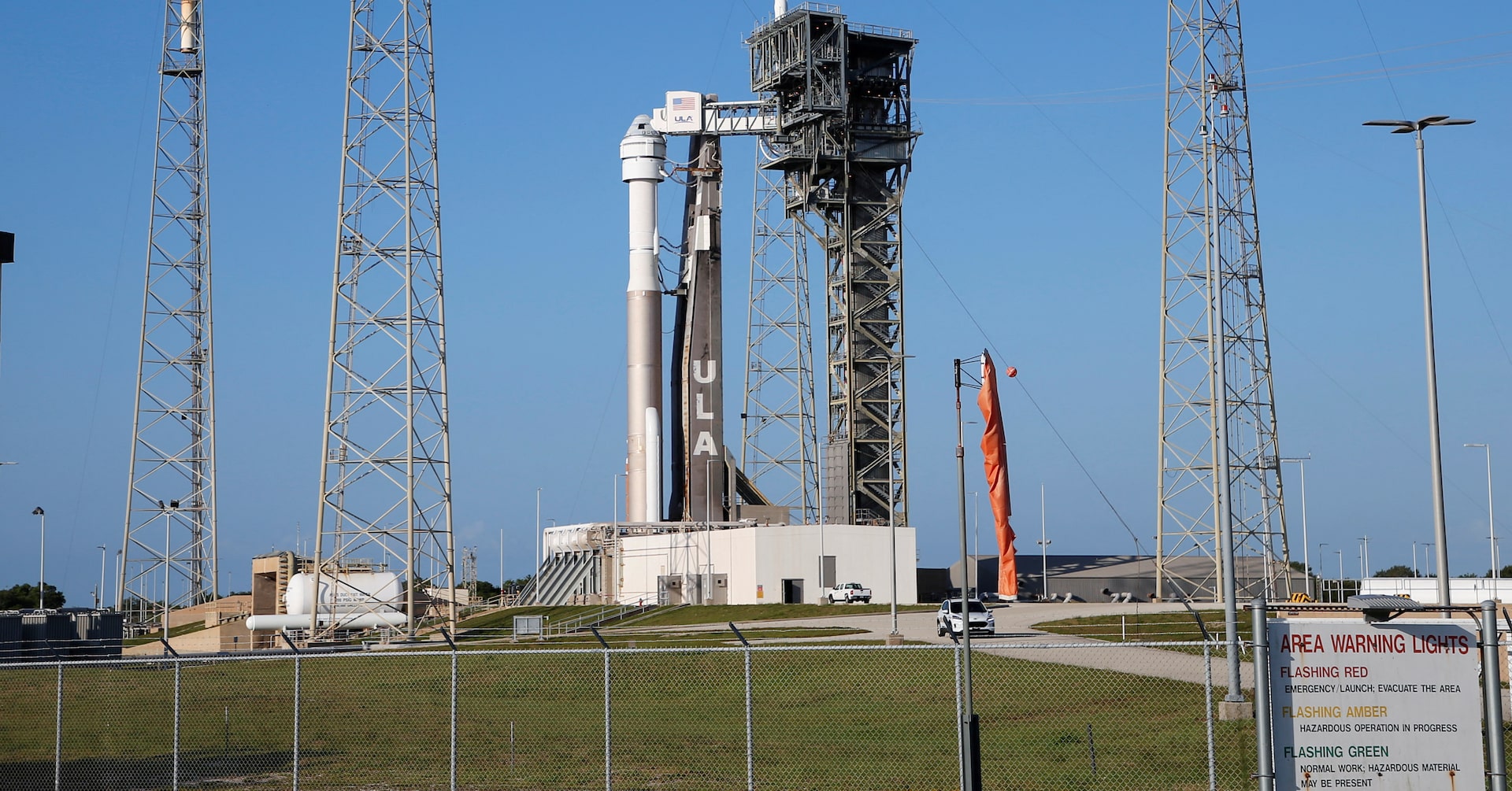
- Rapid Prototyping Development: Lockheed Martin's new Rapid Fielding Center reduces the time for prototype design, fabrication, and validation from years to months, significantly enhancing responsiveness to U.S. government clients and strengthening the company's competitive position in the defense market.
- Flexible Production Layout: The center's modular design allows for quick reconfiguration to meet evolving project needs, optimizing manufacturing flow, reducing costs, and accelerating the delivery of innovative capabilities to ensure urgent production demands are met.
- Continuous Improvement Mechanism: Lifecycle data captured during prototyping enables digital feedback, allowing for rapid insertion of product enhancements that directly address evolving threat environments, thereby improving market adaptability of the products.
- Strategic Investment Plan: Since President Trump's first term, Lockheed Martin has invested over $7 billion to expand capacity for priority systems, with plans for additional multibillion-dollar investments over the next three years to upgrade and modernize more than 20 facilities, further solidifying its market leadership.
See More

Lockheed Martin Opens Rapid Fielding Center to Enhance Defense Capabilities
- Rapid Delivery Capability: Lockheed Martin's newly opened Rapid Fielding Center in Dallas enhances the development speed of next-generation systems by integrating the latest production and prototyping technologies, enabling quick responses to U.S. government procurement needs and setting a new industry speed standard.
- Cost and Efficiency Optimization: The center's proximity to the manufacturing floor allows for immediate design feedback, significantly reducing costs and accelerating the delivery of innovative capabilities, directly supporting urgent government requirements.
- Multidisciplinary Team Collaboration: Over the coming months, Lockheed Martin's multidisciplinary teams will collaborate closely with U.S. partners to execute additional prototype runs, integrate emerging technologies, and transition to full-rate production, ensuring customer agility and mobility across operational domains.
- Customer-Centric Strategy: The establishment of the Rapid Fielding Center showcases Lockheed Martin's industry leadership in innovation, speed, and customer focus, enabling the delivery of mission-critical solutions in a fraction of the traditional timeline, thereby enhancing customer decision-making advantages.
See More
European Defense Tech Startups Accelerate Engagement with Middle East Governments

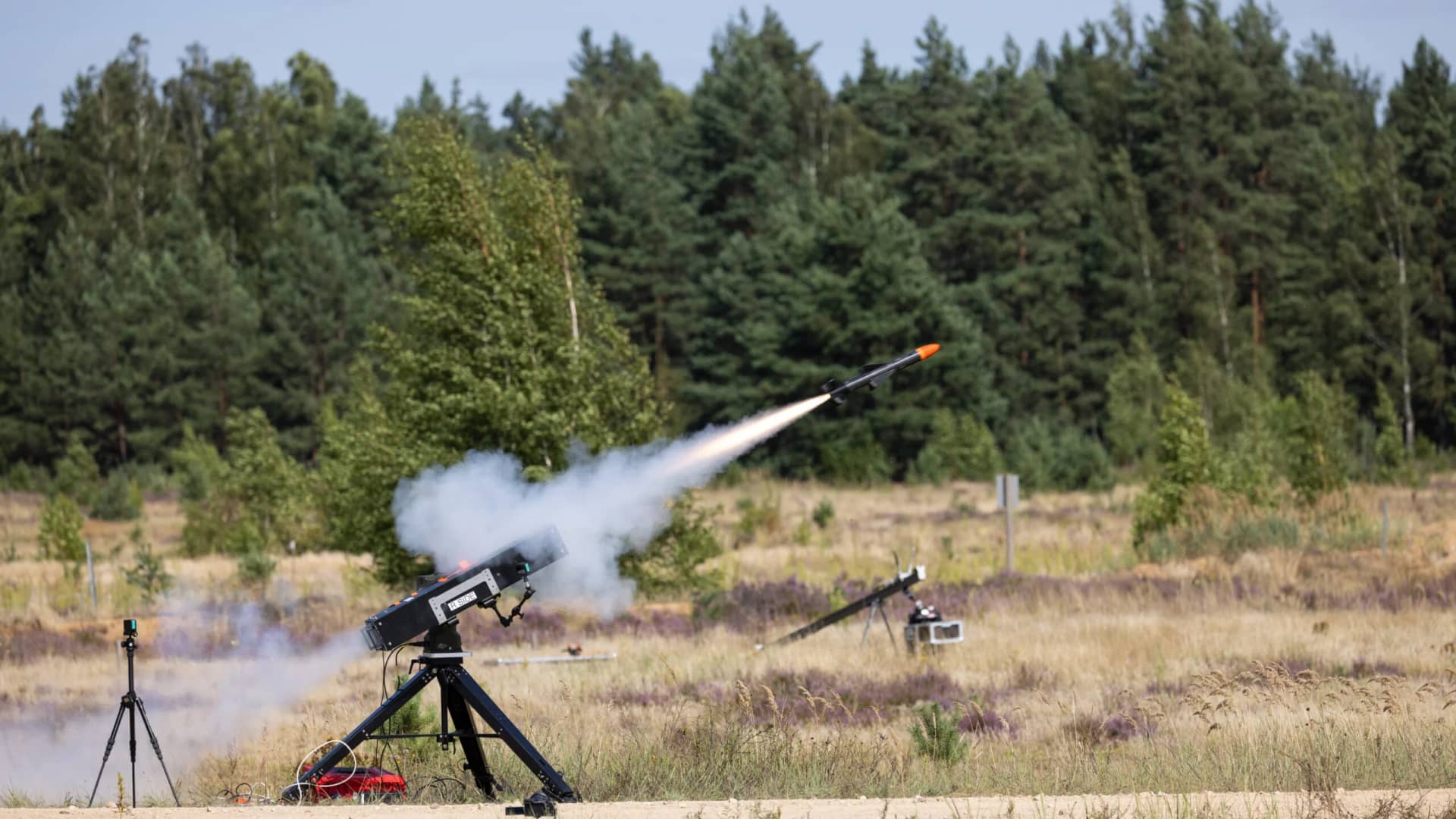
- Surge in Commercial Discussions: Since the onset of the Iran war, European defense tech startups have significantly ramped up commercial discussions with Middle Eastern countries, particularly Gulf states, which are experiencing skyrocketing demand for drone and missile interception technologies, potentially leading to order volumes in the thousands of missiles.
- Expedited Delivery Plans: CEO of Frankenburg Technologies noted that commercial conversations with Gulf states have accelerated, with ongoing discussions about procuring their technology and plans to meet demand under an 'expedited delivery schedule', highlighting the urgent market need for defense technologies.
- Emerging Market Opportunities: Uforce's CEO indicated that interest from Gulf states in their defense technologies has 'skyrocketed' since the Iran war began, with plans to establish a permanent team in the Middle East to address the growing demand, reflecting the region's thirst for advanced defense solutions.
- Funding and Investment Surge: According to Dealroom, European defense tech startups raised $1.8 billion in 2025, nearly three times the previous highest annual figure, indicating that rising global geopolitical tensions are driving a surge in investment in defense technologies.
See More
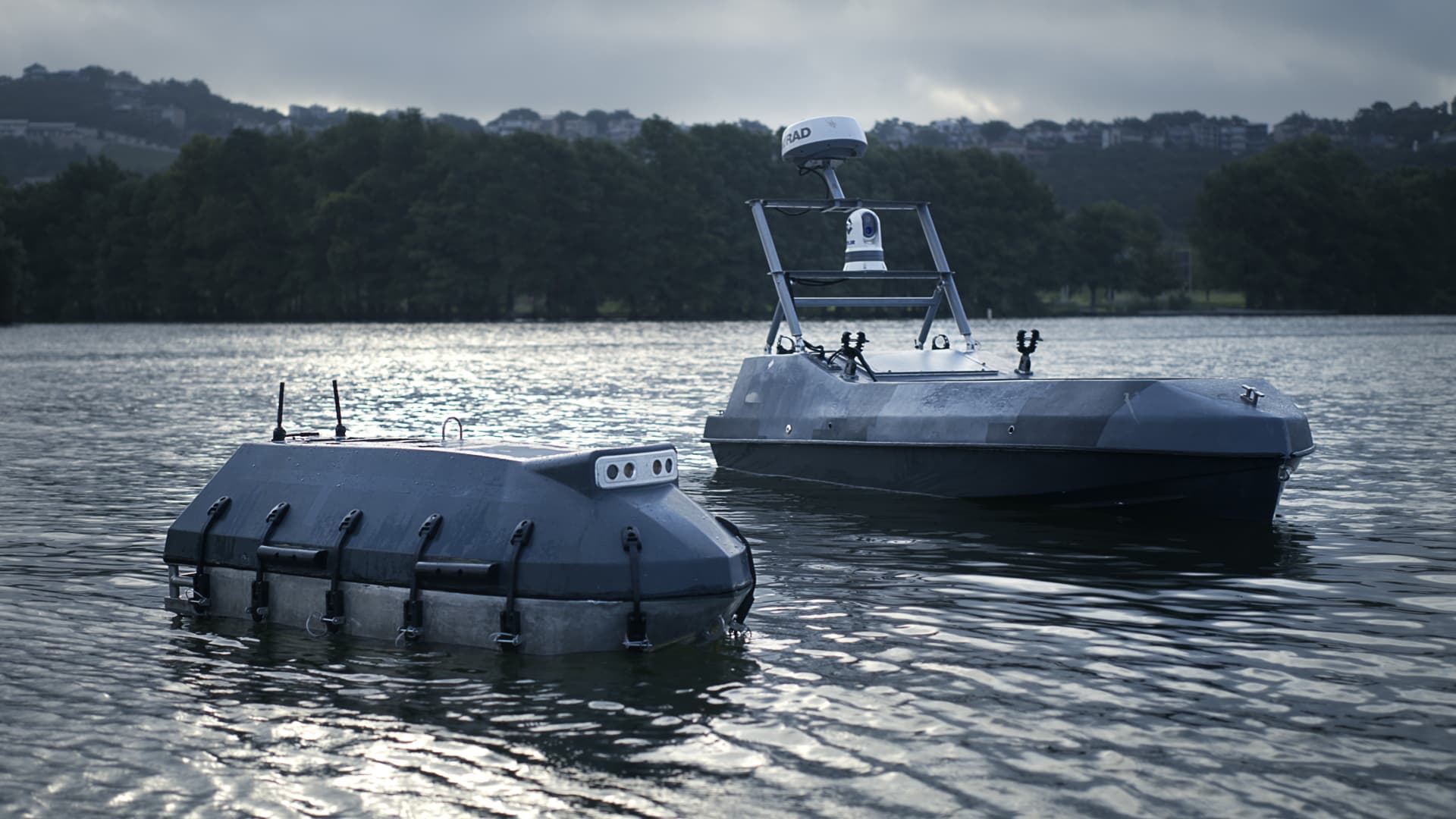
Saronic Raises $1.75 Billion to Expand Autonomous Ship Production


- Funding Milestone: Saronic has successfully raised $1.75 billion, more than doubling its valuation from $4 billion to $9.25 billion, indicating strong market demand for its autonomous vessel technology amid U.S. military modernization efforts.
- Production Expansion: The company aims to build over 20 ships annually by 2027, scaling its supply chain and establishing the new Port Alpha shipyard in Texas to meet increasing military demands and enhance U.S. naval defense capabilities.
- Intensifying Market Competition: Saronic's autonomous vessel designs are intended to mitigate military risks and assist the U.S. in regaining dominance over China, reflecting a rapid shift towards unmanned systems in modern warfare environments.
- Historic Production Goals: Mavrookas stated that the company is on track to quintuple production at its main shipyard in Franklin, Louisiana, over the next 12 months, marking production levels not seen in the U.S. since World War II and further driving innovation in defense technology.
See More
Saronic Raises $1.75 Billion to Scale Autonomous Ship Production
- Significant Funding: Autonomous ship maker Saronic has successfully raised $1.75 billion, more than doubling its valuation to $9.25 billion from $4 billion after a $600 million raise last year, indicating strong market demand for its innovative defense technologies.
- Production Capacity Expansion: Saronic plans to build over 20 ships annually by 2027, utilizing the funding to scale its supply chain and construct the new Port Alpha shipyard in Texas, aimed at meeting the increasing demands of the U.S. military.
- Global Challenge Response: The U.S. government is leaning on innovative defense technologies like Saronic's to counter low-cost drone threats from Iran and to modernize its military, ensuring maritime supremacy in competition with China.
- Historic Production Goals: CEO Dino Mavrookas stated that Saronic aims to help the U.S. achieve production levels not seen since World War II by reconfiguring vessel designs for autonomy, thereby reducing risks to military forces in dangerous environments.
See More

Iran War Triggers Market Turmoil Amid Conflicting Statements

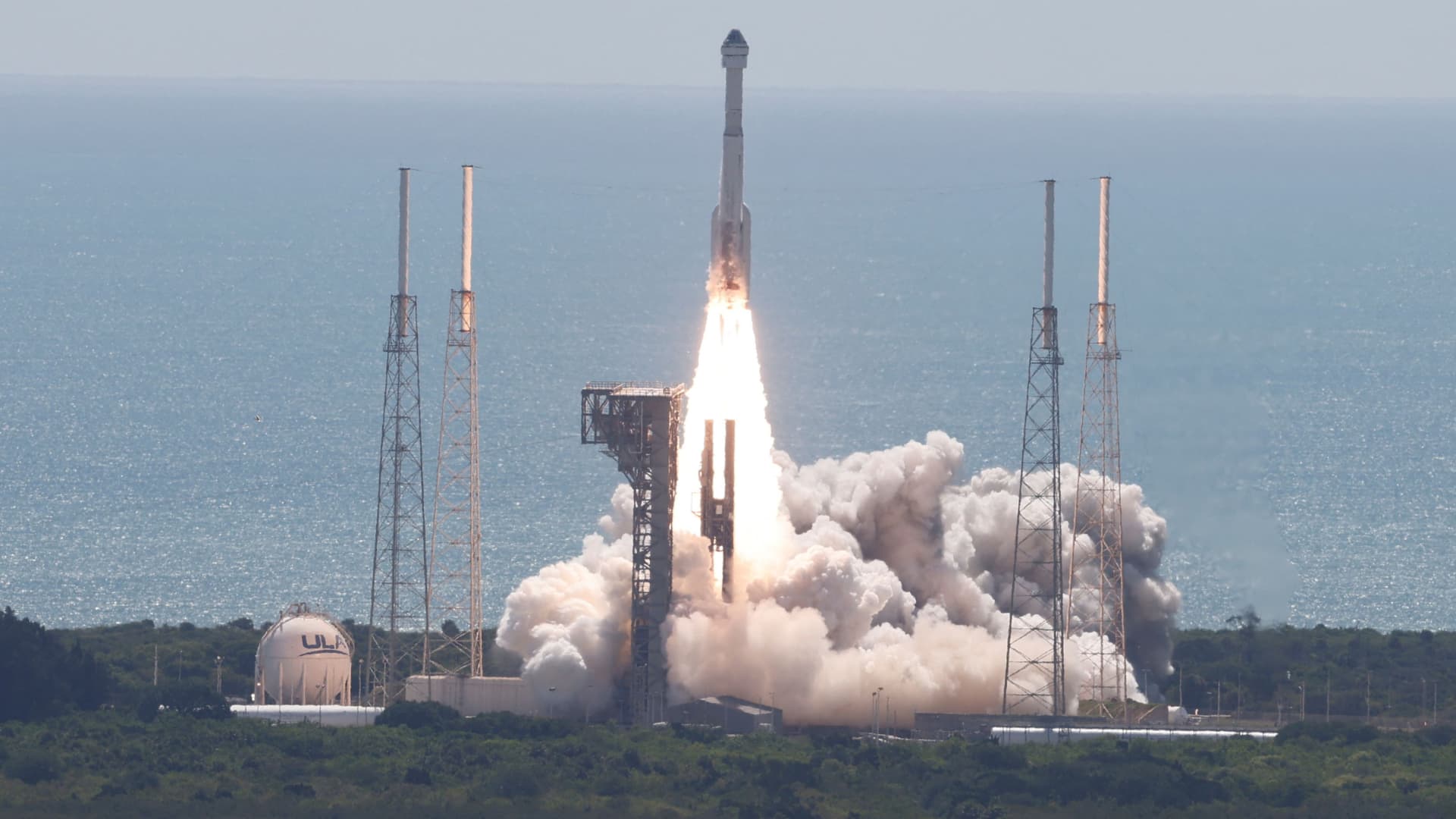
- Market Uncertainty: The oil markets are experiencing volatility due to conflicting statements regarding the Iran war, with both WTI and Brent crude prices initially rising before pulling back, indicating investor concerns about future developments.
- Defense Secretary Investment Controversy: U.S. Defense Secretary Pete Hegseth's broker reportedly sought to make multimillion-dollar investments in major defense companies before the war, raising questions about potential insider trading, although the Pentagon has dismissed these claims.
- Trump's Tough Rhetoric: President Trump threatened to destroy Iran's oil wells and power plants if a peace deal is not reached, which has heightened market anxiety and complicated investor expectations regarding the conflict's trajectory.
- Fed's Inflation Outlook: Federal Reserve Chair Jerome Powell stated that inflation expectations remain grounded despite rising energy prices, suggesting that the central bank does not need to respond with higher interest rates, which could influence market perceptions of future monetary policy.
See More
Lockheed Martin Opens Rapid Fielding Center to Enhance Defense Capabilities
- Rapid Prototyping Development: Lockheed Martin's new Rapid Fielding Center reduces the time for prototype design, fabrication, and validation from years to months, significantly enhancing responsiveness to U.S. government clients and strengthening the company's competitive position in the defense market.
- Flexible Production Layout: The center's modular design allows for quick reconfiguration to meet evolving project needs, optimizing manufacturing flow, reducing costs, and accelerating the delivery of innovative capabilities to ensure urgent production demands are met.
- Continuous Improvement Mechanism: Lifecycle data captured during prototyping enables digital feedback, allowing for rapid insertion of product enhancements that directly address evolving threat environments, thereby improving market adaptability of the products.
- Strategic Investment Plan: Since President Trump's first term, Lockheed Martin has invested over $7 billion to expand capacity for priority systems, with plans for additional multibillion-dollar investments over the next three years to upgrade and modernize more than 20 facilities, further solidifying its market leadership.
See More
Lockheed Martin Opens Rapid Fielding Center to Enhance Defense Capabilities
- Rapid Delivery Capability: Lockheed Martin's newly opened Rapid Fielding Center in Dallas enhances the development speed of next-generation systems by integrating the latest production and prototyping technologies, enabling quick responses to U.S. government procurement needs and setting a new industry speed standard.
- Cost and Efficiency Optimization: The center's proximity to the manufacturing floor allows for immediate design feedback, significantly reducing costs and accelerating the delivery of innovative capabilities, directly supporting urgent government requirements.
- Multidisciplinary Team Collaboration: Over the coming months, Lockheed Martin's multidisciplinary teams will collaborate closely with U.S. partners to execute additional prototype runs, integrate emerging technologies, and transition to full-rate production, ensuring customer agility and mobility across operational domains.
- Customer-Centric Strategy: The establishment of the Rapid Fielding Center showcases Lockheed Martin's industry leadership in innovation, speed, and customer focus, enabling the delivery of mission-critical solutions in a fraction of the traditional timeline, thereby enhancing customer decision-making advantages.
See More
European Defense Tech Startups Accelerate Engagement with Middle East Governments
- Surge in Commercial Discussions: Since the onset of the Iran war, European defense tech startups have significantly ramped up commercial discussions with Middle Eastern countries, particularly Gulf states, which are experiencing skyrocketing demand for drone and missile interception technologies, potentially leading to order volumes in the thousands of missiles.
- Expedited Delivery Plans: CEO of Frankenburg Technologies noted that commercial conversations with Gulf states have accelerated, with ongoing discussions about procuring their technology and plans to meet demand under an 'expedited delivery schedule', highlighting the urgent market need for defense technologies.
- Emerging Market Opportunities: Uforce's CEO indicated that interest from Gulf states in their defense technologies has 'skyrocketed' since the Iran war began, with plans to establish a permanent team in the Middle East to address the growing demand, reflecting the region's thirst for advanced defense solutions.
- Funding and Investment Surge: According to Dealroom, European defense tech startups raised $1.8 billion in 2025, nearly three times the previous highest annual figure, indicating that rising global geopolitical tensions are driving a surge in investment in defense technologies.
See More
Saronic Raises $1.75 Billion to Expand Autonomous Ship Production
- Funding Milestone: Saronic has successfully raised $1.75 billion, more than doubling its valuation from $4 billion to $9.25 billion, indicating strong market demand for its autonomous vessel technology amid U.S. military modernization efforts.
- Production Expansion: The company aims to build over 20 ships annually by 2027, scaling its supply chain and establishing the new Port Alpha shipyard in Texas to meet increasing military demands and enhance U.S. naval defense capabilities.
- Intensifying Market Competition: Saronic's autonomous vessel designs are intended to mitigate military risks and assist the U.S. in regaining dominance over China, reflecting a rapid shift towards unmanned systems in modern warfare environments.
- Historic Production Goals: Mavrookas stated that the company is on track to quintuple production at its main shipyard in Franklin, Louisiana, over the next 12 months, marking production levels not seen in the U.S. since World War II and further driving innovation in defense technology.
See More
Saronic Raises $1.75 Billion to Scale Autonomous Ship Production
- Significant Funding: Autonomous ship maker Saronic has successfully raised $1.75 billion, more than doubling its valuation to $9.25 billion from $4 billion after a $600 million raise last year, indicating strong market demand for its innovative defense technologies.
- Production Capacity Expansion: Saronic plans to build over 20 ships annually by 2027, utilizing the funding to scale its supply chain and construct the new Port Alpha shipyard in Texas, aimed at meeting the increasing demands of the U.S. military.
- Global Challenge Response: The U.S. government is leaning on innovative defense technologies like Saronic's to counter low-cost drone threats from Iran and to modernize its military, ensuring maritime supremacy in competition with China.
- Historic Production Goals: CEO Dino Mavrookas stated that Saronic aims to help the U.S. achieve production levels not seen since World War II by reconfiguring vessel designs for autonomy, thereby reducing risks to military forces in dangerous environments.
See More
Iran War Triggers Market Turmoil Amid Conflicting Statements
- Market Uncertainty: The oil markets are experiencing volatility due to conflicting statements regarding the Iran war, with both WTI and Brent crude prices initially rising before pulling back, indicating investor concerns about future developments.
- Defense Secretary Investment Controversy: U.S. Defense Secretary Pete Hegseth's broker reportedly sought to make multimillion-dollar investments in major defense companies before the war, raising questions about potential insider trading, although the Pentagon has dismissed these claims.
- Trump's Tough Rhetoric: President Trump threatened to destroy Iran's oil wells and power plants if a peace deal is not reached, which has heightened market anxiety and complicated investor expectations regarding the conflict's trajectory.
- Fed's Inflation Outlook: Federal Reserve Chair Jerome Powell stated that inflation expectations remain grounded despite rising energy prices, suggesting that the central bank does not need to respond with higher interest rates, which could influence market perceptions of future monetary policy.
See More