Sam's Club Raises Annual Membership Fee to $60
Written by Emily J. Thompson, Senior Investment Analyst
Updated: 1 hour ago
0mins
Source: seekingalpha
- Membership Fee Increase: Sam's Club announced a $10 increase in its basic membership fee to $60 and $120 for the higher-tier option, marking the first price hike since October 2022, effective May 1, aimed at enhancing member services.
- Market Competition Insight: The new fee structure remains below current rates charged by Costco (COST) but matches BJ's Wholesale Club (BJ), indicating Sam's strategic pricing approach in a competitive membership retail landscape.
- Membership Growth Momentum: Although specific figures were not disclosed, Sam's Club recorded its highest-ever membership count at the end of its last reporting period, reflecting success in attracting new members, which could further drive sales growth.
- Sales Performance Review: In Q4, Sam's Club achieved a 4.0% increase in comparable sales, with a 5.3% rise in transactions offsetting a 1.3% decline in average ticket size, while adjusted operating income rose by 3.8%, although it did not match the growth rates of Walmart's U.S. and International segments.
Trade with 70% Backtested Accuracy
Stop guessing "Should I Buy WMT?" and start using high-conviction signals backed by rigorous historical data.
Sign up today to access powerful investing tools and make smarter, data-driven decisions.
Analyst Views on WMT
Wall Street analysts forecast WMT stock price to rise
26 Analyst Rating
25 Buy
1 Hold
0 Sell
Strong Buy
Current: 124.280

Low
119.00
Averages
125.75
High
136.00
Current: 124.280
Low
119.00
Averages
125.75
High
136.00
About WMT
Walmart Inc. is a technology-powered omnichannel retailer. The Company is engaged in the operation of retail and wholesale stores and clubs, as well as eCommerce Websites and mobile applications, located throughout the United States (U.S.), Africa, Canada, Central America, Chile, China, India and Mexico. It operates in three reportable segments: Walmart U.S., Walmart International and Sam's Club U.S. The Walmart U.S. segment includes the Company's mass merchandising concept in the U.S., as well as eCommerce, which includes omni-channel initiatives and certain other business offerings such as advertising services. The Walmart International segment consists of the Company's operations outside of the U.S. through its subsidiaries, as well as eCommerce and omni-channel initiatives. The Sam's Club U.S. segment includes the warehouse membership clubs in the U.S., as well as samsclub.com and omni-channel initiatives.
About the author

Emily J. Thompson
Emily J. Thompson, a Chartered Financial Analyst (CFA) with 12 years in investment research, graduated with honors from the Wharton School. Specializing in industrial and technology stocks, she provides in-depth analysis for Intellectia’s earnings and market brief reports.
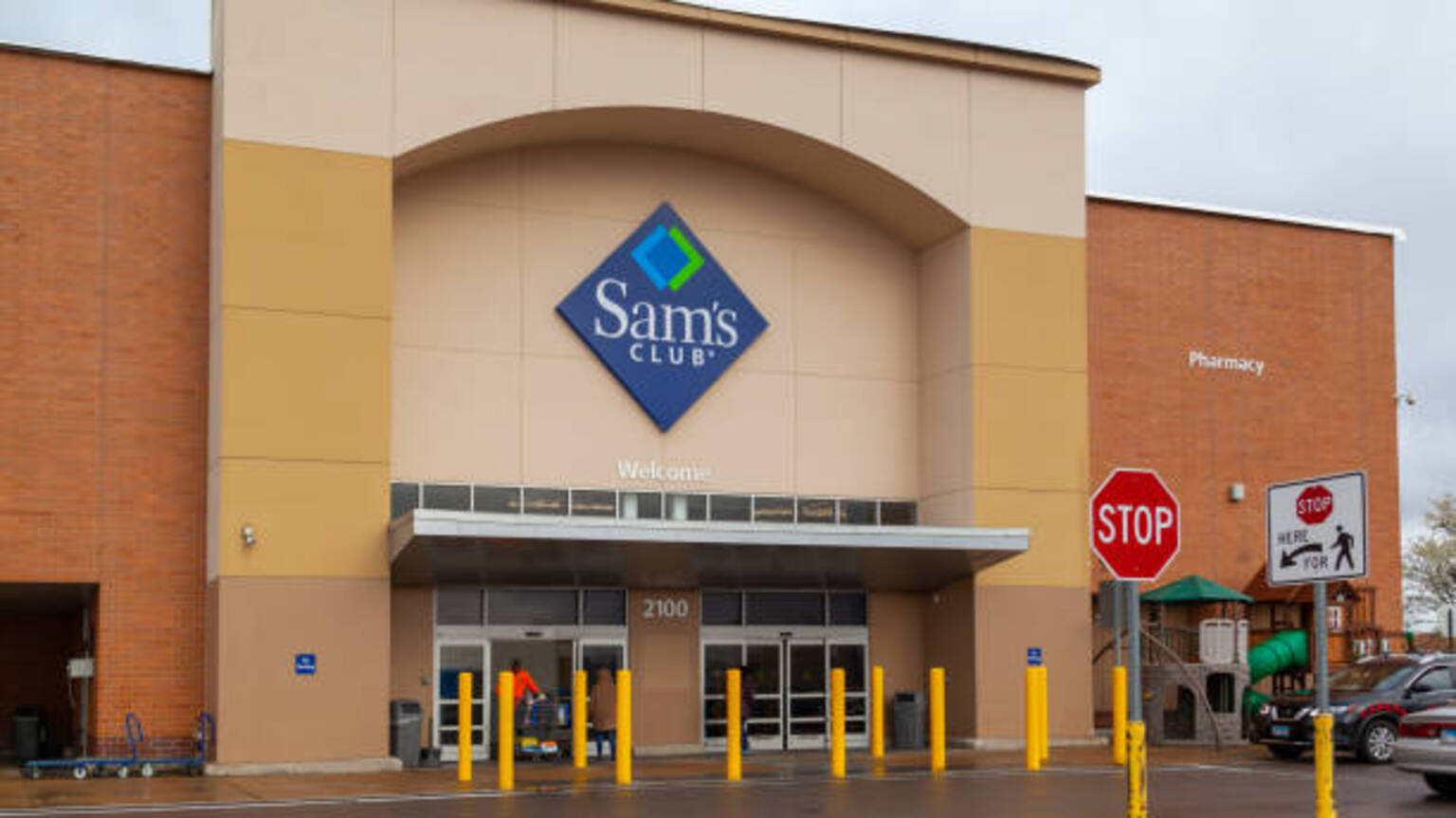
Sam's Club Raises Annual Membership Fee to $60

- Membership Fee Increase: Sam's Club announced a $10 increase in its basic membership fee to $60 and $120 for the higher-tier option, marking the first price hike since October 2022, effective May 1, aimed at enhancing member services.
- Market Competition Insight: The new fee structure remains below current rates charged by Costco (COST) but matches BJ's Wholesale Club (BJ), indicating Sam's strategic pricing approach in a competitive membership retail landscape.
- Membership Growth Momentum: Although specific figures were not disclosed, Sam's Club recorded its highest-ever membership count at the end of its last reporting period, reflecting success in attracting new members, which could further drive sales growth.
- Sales Performance Review: In Q4, Sam's Club achieved a 4.0% increase in comparable sales, with a 5.3% rise in transactions offsetting a 1.3% decline in average ticket size, while adjusted operating income rose by 3.8%, although it did not match the growth rates of Walmart's U.S. and International segments.
See More
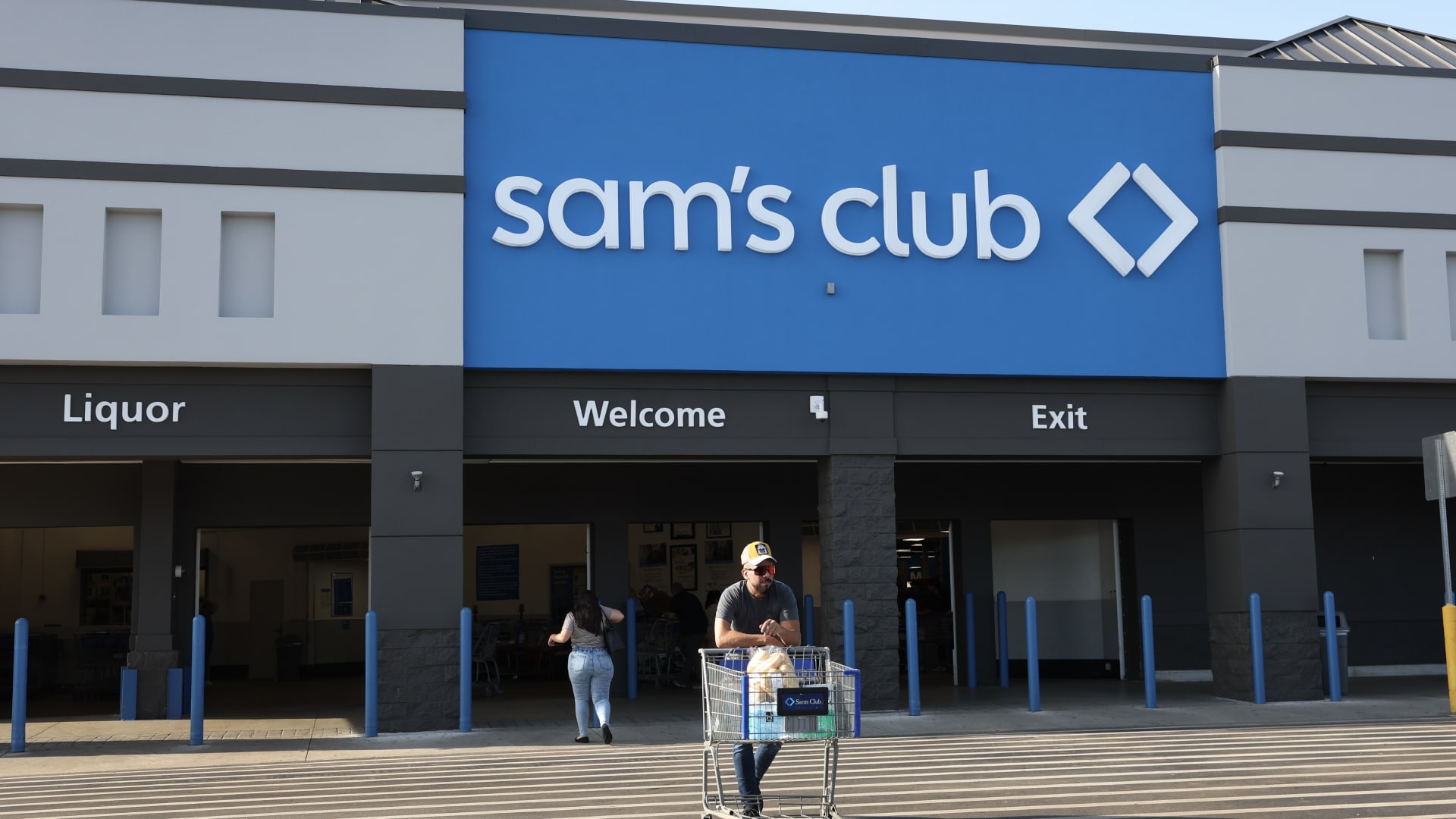
Sam's Club Raises Annual Membership Fee by $10
- Membership Fee Adjustment: Sam's Club announced an increase in its basic membership fee from $50 to $60 and the Plus membership fee from $110 to $120, effective May 1, aimed at supporting services that members love, although still below competitor Costco's pricing.
- Sales Growth: The U.S. net sales for Sam's Club grew by approximately 3.1% to $93 billion, partly driven by a 23% year-over-year increase in e-commerce sales during the holiday quarter, indicating strong performance in its digital business.
- Estimated Membership Count: While Sam's Club does not disclose specific membership numbers, it is estimated to exceed 30 million, with a similar proportion of high-tier members as Costco, and the fee increase is expected to boost annual income for parent company Walmart by over $200 million.
- Enhanced Rewards Program: Under the new fee structure, Plus members will be able to earn up to $750 per year in Sam's Cash rewards on eligible purchases, up from $500 previously, further enhancing the appeal of membership.
See More
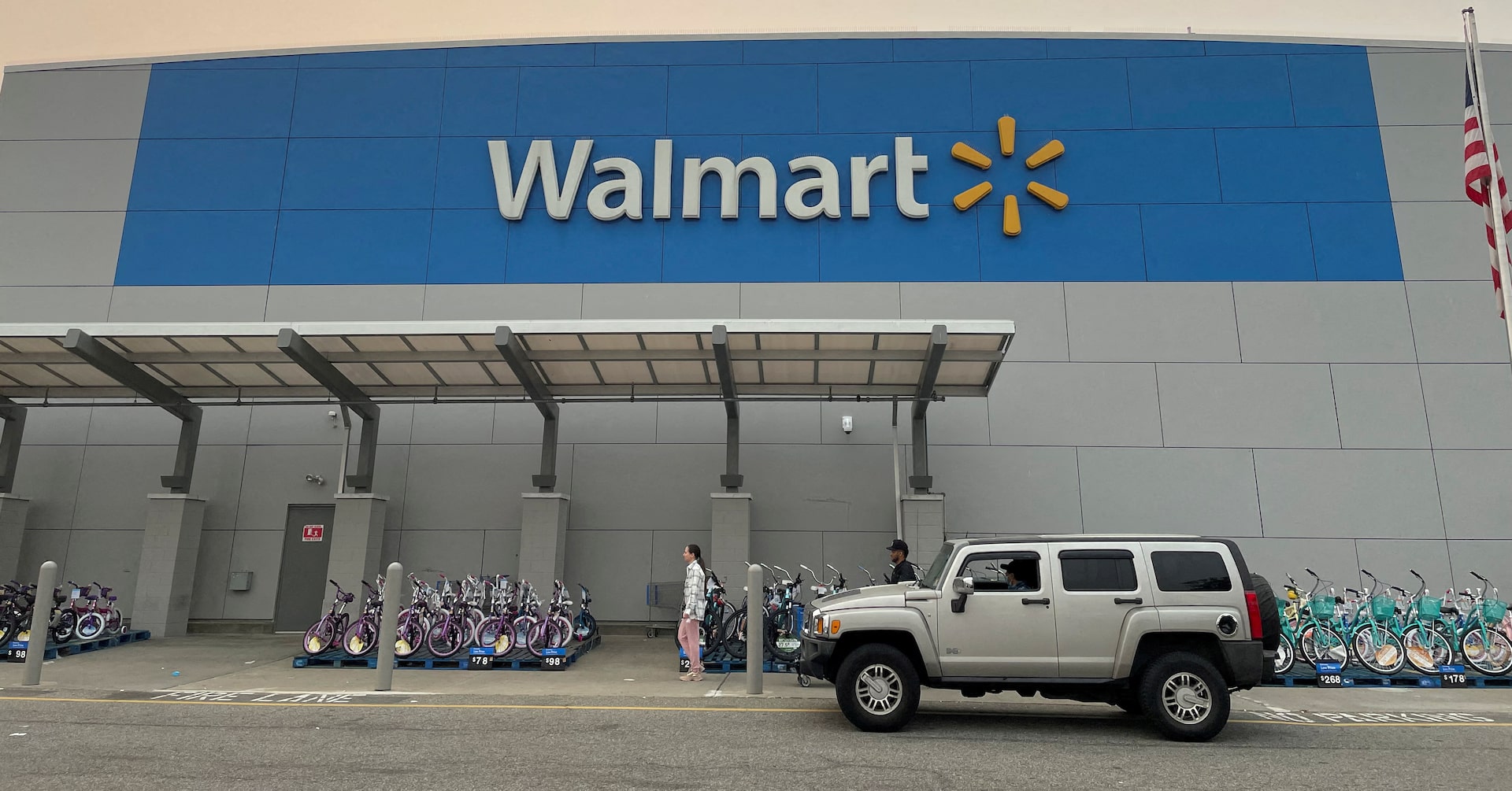
Sam's Club Raises Membership Fee by $10
- Membership Fee Adjustment: Sam's Club is increasing its basic membership fee from $50 to $60 and its Plus membership from $110 to $120, although these rates remain lower than Costco's, indicating its awareness of competitive pricing.
- Sales Growth: The warehouse club reported a 3.1% increase in net sales to $93 billion last fiscal year, partly driven by a 23% year-over-year rise in e-commerce sales, highlighting the effectiveness of its digital expansion strategy.
- Gas Price Impact: With the national average gas price hitting $4.018 due to the Iran war, more consumers are drawn to Sam's Club's fuel discounts, enhancing its value proposition for members amid rising fuel costs.
- Increased Member Rewards: The new fee structure allows Plus members to earn up to $750 in cash rewards annually, up from $500, aimed at boosting member loyalty and encouraging higher spending within the club.
See More

Top Five Blue Chip Dividend Stocks for Steady Returns


- Coca-Cola's Stability: Coca-Cola (KO) has increased its dividend for 64 consecutive years, currently yielding 2.8%, with an expected annual growth of 7% over the next 3-5 years, providing investors with stable cash flow and long-term growth potential.
- McDonald's Resilience: McDonald's (MCD) excels during economic slowdowns with over 45,000 locations and a 2.4% dividend yield, while analysts project an 8% annual earnings growth, ensuring continued returns for shareholders.
- Procter & Gamble's Brand Loyalty: Procter & Gamble (PG) has demonstrated resilience with 69 years of dividend increases and a current yield of 3%, with expected annual earnings growth of 4%, ensuring the sustainability of its dividends during economic downturns.
- Walmart's Market Advantage: Walmart (WMT), the world's largest retailer, boasts a 53-year history of dividend growth, currently yielding 0.8%, with a projected annual growth of 9%, providing strong market adaptability and growth potential for investors.
See More

Analysis of Dividend Stocks in Consumer Goods
- Coca-Cola's Stability: Coca-Cola (NYSE: KO) has increased its dividend for 64 consecutive years, currently yielding 2.8%, with an expected annual growth rate of 7% over the next 3 to 5 years, which will fund future dividend increases and bolster investor confidence.
- McDonald's Resilience: McDonald's (NYSE: MCD) benefits from consumers opting for cheaper dining options during economic slowdowns, boasting a dividend yield of 2.4% and an expected 8% annual earnings growth in the coming years, ensuring its record of 49 consecutive annual dividend increases.
- Procter & Gamble's Brand Loyalty: Procter & Gamble (NYSE: PG) has achieved 69 consecutive years of dividend increases with a current yield of 3%, demonstrating strong brand loyalty during tough economic times, with analysts projecting a 4% annual earnings growth to support future dividend hikes.
- Walmart's Market Advantage: Walmart (NYSE: WMT), the world's largest retailer, has a track record of 53 consecutive annual dividend increases and a yield of 0.8%, with a projected 9% annual growth, leveraging its vast market presence to maintain competitiveness in e-commerce.
See More

Investment Opportunity Analysis for Nasdaq-100 Index
- Historical Return Potential: The Nasdaq-100 has achieved an average five-year return of 103% over the past two decades, with historical data suggesting that it could nearly double investors' money in the next five years, making it an attractive option for investors.
- AI-Driven Growth: The Invesco QQQ Trust is heavily invested in AI-related stocks, with top holdings including tech giants like Nvidia and Apple, which are expected to benefit from the rapid development of AI technologies, further enhancing market performance.
- Market Correction Timing: The Nasdaq Composite is currently in a market correction, down over 10% from its all-time high, and historical data indicates that such corrections have led to an average five-year return of 146%, presenting a favorable investment opportunity.
- Concentration Risk Warning: While the Invesco QQQ Trust has a reasonable expense ratio of 0.18%, its top ten holdings account for nearly 50% of its performance, prompting investors to carefully consider the concentration risk and potential price volatility.
See More
Sam's Club Raises Annual Membership Fee to $60
- Membership Fee Increase: Sam's Club announced a $10 increase in its basic membership fee to $60 and $120 for the higher-tier option, marking the first price hike since October 2022, effective May 1, aimed at enhancing member services.
- Market Competition Insight: The new fee structure remains below current rates charged by Costco (COST) but matches BJ's Wholesale Club (BJ), indicating Sam's strategic pricing approach in a competitive membership retail landscape.
- Membership Growth Momentum: Although specific figures were not disclosed, Sam's Club recorded its highest-ever membership count at the end of its last reporting period, reflecting success in attracting new members, which could further drive sales growth.
- Sales Performance Review: In Q4, Sam's Club achieved a 4.0% increase in comparable sales, with a 5.3% rise in transactions offsetting a 1.3% decline in average ticket size, while adjusted operating income rose by 3.8%, although it did not match the growth rates of Walmart's U.S. and International segments.
See More
Sam's Club Raises Annual Membership Fee by $10
- Membership Fee Adjustment: Sam's Club announced an increase in its basic membership fee from $50 to $60 and the Plus membership fee from $110 to $120, effective May 1, aimed at supporting services that members love, although still below competitor Costco's pricing.
- Sales Growth: The U.S. net sales for Sam's Club grew by approximately 3.1% to $93 billion, partly driven by a 23% year-over-year increase in e-commerce sales during the holiday quarter, indicating strong performance in its digital business.
- Estimated Membership Count: While Sam's Club does not disclose specific membership numbers, it is estimated to exceed 30 million, with a similar proportion of high-tier members as Costco, and the fee increase is expected to boost annual income for parent company Walmart by over $200 million.
- Enhanced Rewards Program: Under the new fee structure, Plus members will be able to earn up to $750 per year in Sam's Cash rewards on eligible purchases, up from $500 previously, further enhancing the appeal of membership.
See More
Sam's Club Raises Membership Fee by $10
- Membership Fee Adjustment: Sam's Club is increasing its basic membership fee from $50 to $60 and its Plus membership from $110 to $120, although these rates remain lower than Costco's, indicating its awareness of competitive pricing.
- Sales Growth: The warehouse club reported a 3.1% increase in net sales to $93 billion last fiscal year, partly driven by a 23% year-over-year rise in e-commerce sales, highlighting the effectiveness of its digital expansion strategy.
- Gas Price Impact: With the national average gas price hitting $4.018 due to the Iran war, more consumers are drawn to Sam's Club's fuel discounts, enhancing its value proposition for members amid rising fuel costs.
- Increased Member Rewards: The new fee structure allows Plus members to earn up to $750 in cash rewards annually, up from $500, aimed at boosting member loyalty and encouraging higher spending within the club.
See More
Top Five Blue Chip Dividend Stocks for Steady Returns
- Coca-Cola's Stability: Coca-Cola (KO) has increased its dividend for 64 consecutive years, currently yielding 2.8%, with an expected annual growth of 7% over the next 3-5 years, providing investors with stable cash flow and long-term growth potential.
- McDonald's Resilience: McDonald's (MCD) excels during economic slowdowns with over 45,000 locations and a 2.4% dividend yield, while analysts project an 8% annual earnings growth, ensuring continued returns for shareholders.
- Procter & Gamble's Brand Loyalty: Procter & Gamble (PG) has demonstrated resilience with 69 years of dividend increases and a current yield of 3%, with expected annual earnings growth of 4%, ensuring the sustainability of its dividends during economic downturns.
- Walmart's Market Advantage: Walmart (WMT), the world's largest retailer, boasts a 53-year history of dividend growth, currently yielding 0.8%, with a projected annual growth of 9%, providing strong market adaptability and growth potential for investors.
See More
Analysis of Dividend Stocks in Consumer Goods
- Coca-Cola's Stability: Coca-Cola (NYSE: KO) has increased its dividend for 64 consecutive years, currently yielding 2.8%, with an expected annual growth rate of 7% over the next 3 to 5 years, which will fund future dividend increases and bolster investor confidence.
- McDonald's Resilience: McDonald's (NYSE: MCD) benefits from consumers opting for cheaper dining options during economic slowdowns, boasting a dividend yield of 2.4% and an expected 8% annual earnings growth in the coming years, ensuring its record of 49 consecutive annual dividend increases.
- Procter & Gamble's Brand Loyalty: Procter & Gamble (NYSE: PG) has achieved 69 consecutive years of dividend increases with a current yield of 3%, demonstrating strong brand loyalty during tough economic times, with analysts projecting a 4% annual earnings growth to support future dividend hikes.
- Walmart's Market Advantage: Walmart (NYSE: WMT), the world's largest retailer, has a track record of 53 consecutive annual dividend increases and a yield of 0.8%, with a projected 9% annual growth, leveraging its vast market presence to maintain competitiveness in e-commerce.
See More
Investment Opportunity Analysis for Nasdaq-100 Index
- Historical Return Potential: The Nasdaq-100 has achieved an average five-year return of 103% over the past two decades, with historical data suggesting that it could nearly double investors' money in the next five years, making it an attractive option for investors.
- AI-Driven Growth: The Invesco QQQ Trust is heavily invested in AI-related stocks, with top holdings including tech giants like Nvidia and Apple, which are expected to benefit from the rapid development of AI technologies, further enhancing market performance.
- Market Correction Timing: The Nasdaq Composite is currently in a market correction, down over 10% from its all-time high, and historical data indicates that such corrections have led to an average five-year return of 146%, presenting a favorable investment opportunity.
- Concentration Risk Warning: While the Invesco QQQ Trust has a reasonable expense ratio of 0.18%, its top ten holdings account for nearly 50% of its performance, prompting investors to carefully consider the concentration risk and potential price volatility.
See More