RTX, Leidos, and Additional Firms Collaborating to Enhance Air Traffic Management


Recent Tragedy: A tragic accident at LaGuardia airport resulted in the deaths of two pilots.
Air Traffic Control Scrutiny: The incident is expected to bring renewed attention to U.S. Air Traffic Control systems and their effectiveness.
Trade with 70% Backtested Accuracy
Analyst Views on RTX

About RTX
About the author

Industrials Post Best Start in 25 Years, Outlook Ahead


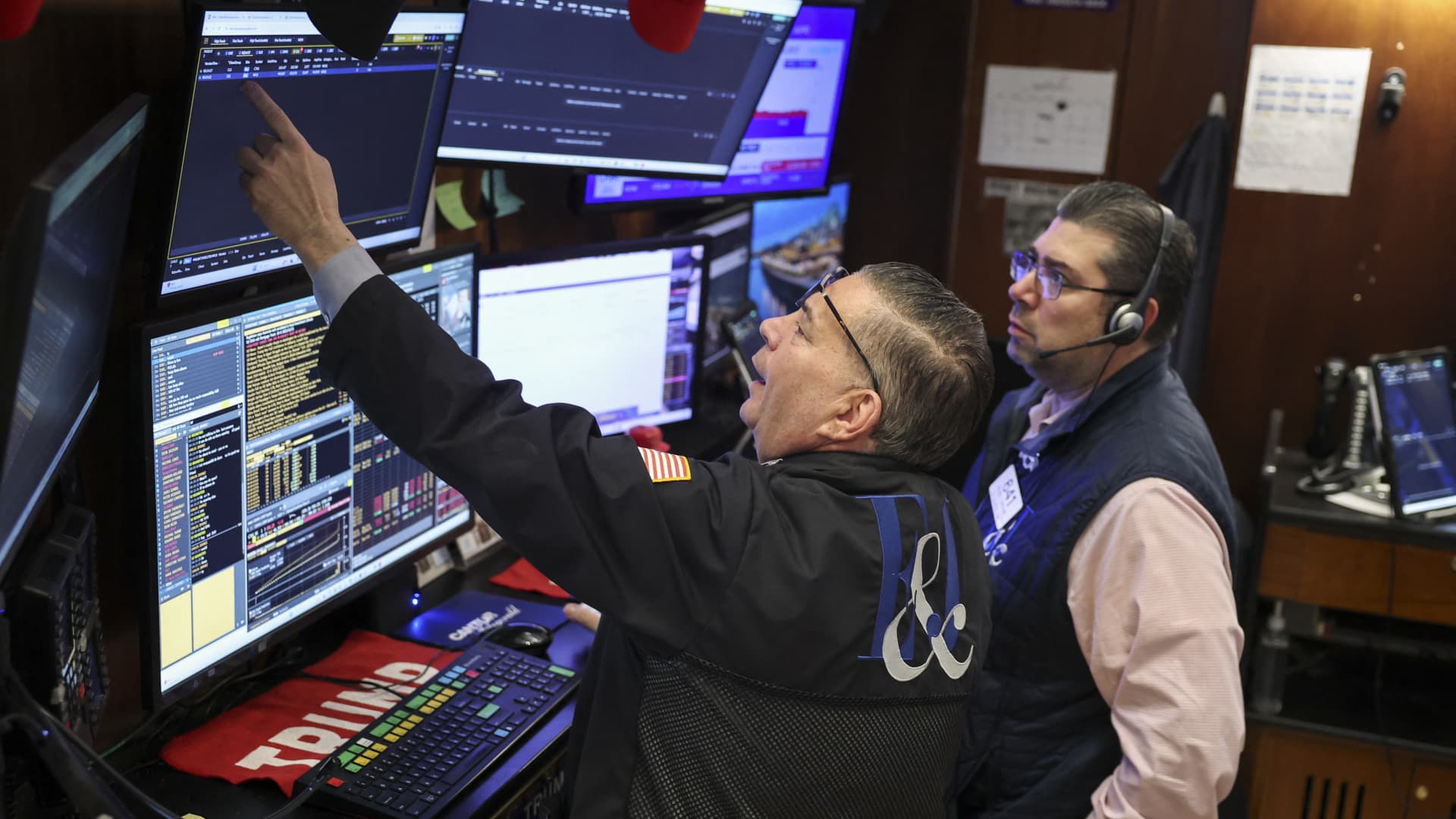
- Strong Sector Performance: In 2026, industrials have emerged as a star in the stock market, with the State Street Industrial Select Sector SPDR ETF (XLI) rallying over 5% year-to-date, showcasing robust market demand among the S&P 500 sectors.
- Significant Stock Gains: Among the top 20 stocks by market cap, 14 have risen this year, with GE Vernova up 37%, Caterpillar up 25%, and Lockheed Martin up 26%, reflecting a strong recovery in the sector and increased investor confidence.
- Market Challenges Intensify: Despite the strong performance of industrials, the S&P 500 index has declined nearly 4% due to geopolitical risks and ongoing concerns in artificial intelligence and private credit, highlighting the complexity and uncertainty of the market environment.
- Cautious Future Growth: Trivariate Research notes that industrials are trading at a forward price-to-earnings ratio of about 24, indicating high valuations, and future earnings revisions are necessary to sustain current performance, adding to investor scrutiny and challenges.
Sion Power Shifts Focus to Defense Battery Market Amid Rising Demand


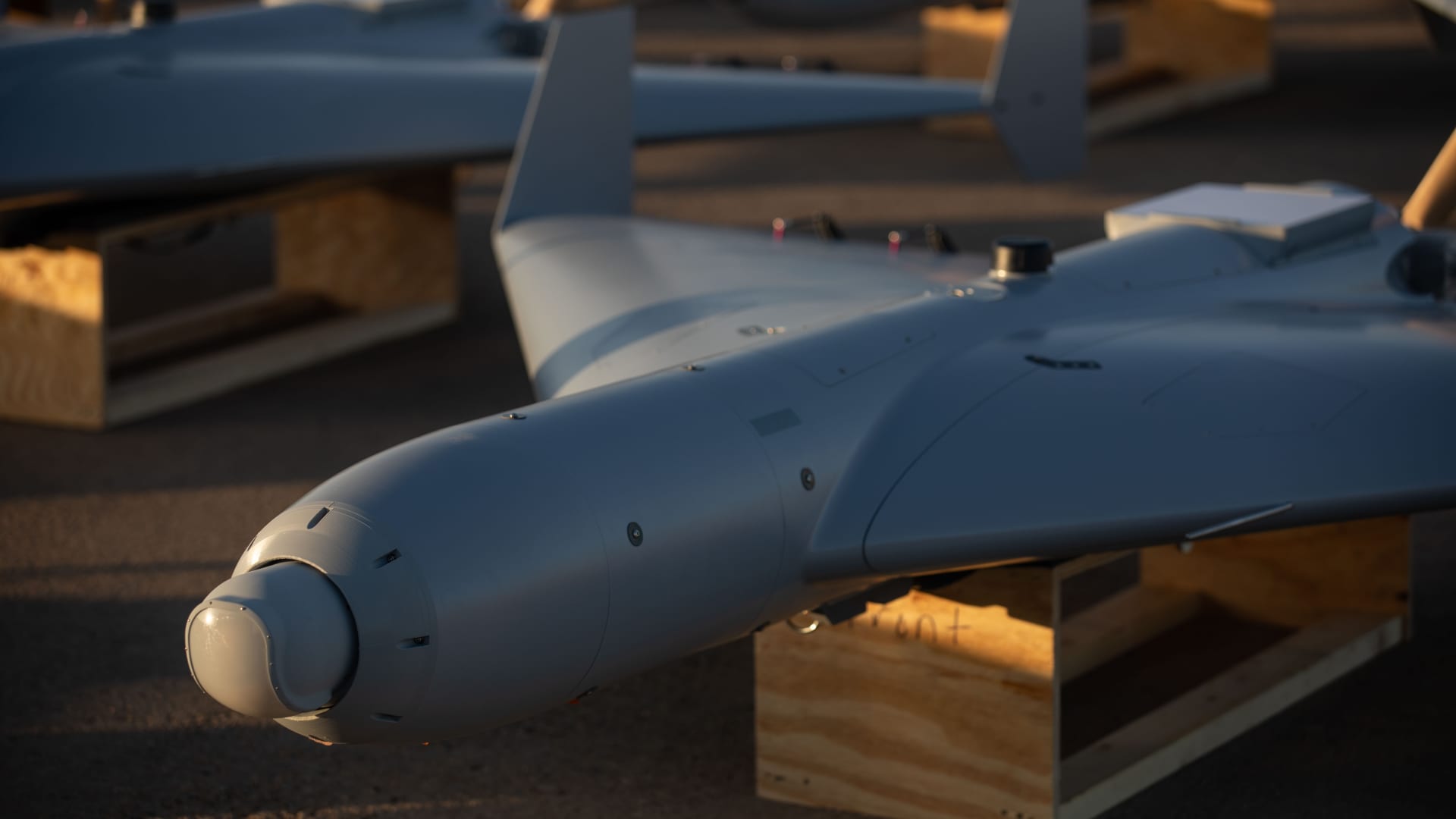
- Market Shift: Sion Power is transitioning from electric vehicle battery production to the defense sector, expecting to commercialize high-energy lithium-metal batteries later this year in response to rising U.S. drone demand, demonstrating the company's adaptability to market changes.
- Technological Advantage: The newly developed 'Licerion HE' lithium-metal battery cells boast energy densities exceeding 500 watt-hours per kilogram, significantly higher than the 300-350 Wh/kg of current lithium-ion batteries, making them suitable for drones and other critical platforms, enhancing competitiveness in the defense market.
- Production Capacity Enhancement: Sion Power's 110,000-square-foot facility in Arizona is being repurposed to focus on defense product manufacturing, with plans to convert production lines to meet the growing defense demand, further solidifying its market position.
- Investment and Funding: The company has raised over $200 million for lithium-metal cell development, with investors including LG Energy Solution, and plans to launch new products between the second half of 2026 and into 2027, indicating strong market prospects and growth potential.

RTX, Leidos, and Additional Firms Collaborating to Enhance Air Traffic Management


Recent Tragedy: A tragic accident at LaGuardia airport resulted in the deaths of two pilots.
Air Traffic Control Scrutiny: The incident is expected to bring renewed attention to U.S. Air Traffic Control systems and their effectiveness.

FINNAIR SIGNS DEALS WITH RTX'S PRATT & WHITNEY FOR SPARE ENGINES AND MAINTENANCE SERVICES FOR EMBRAER E2 ENGINES


Agreement Details: FINNAIR has signed agreements with RTX's Spratt & Whitney for the purchase of spare engines and maintenance services.
Engine Specifications: The engines involved are those that power the Embraer E2 aircraft, indicating a focus on enhancing operational efficiency.
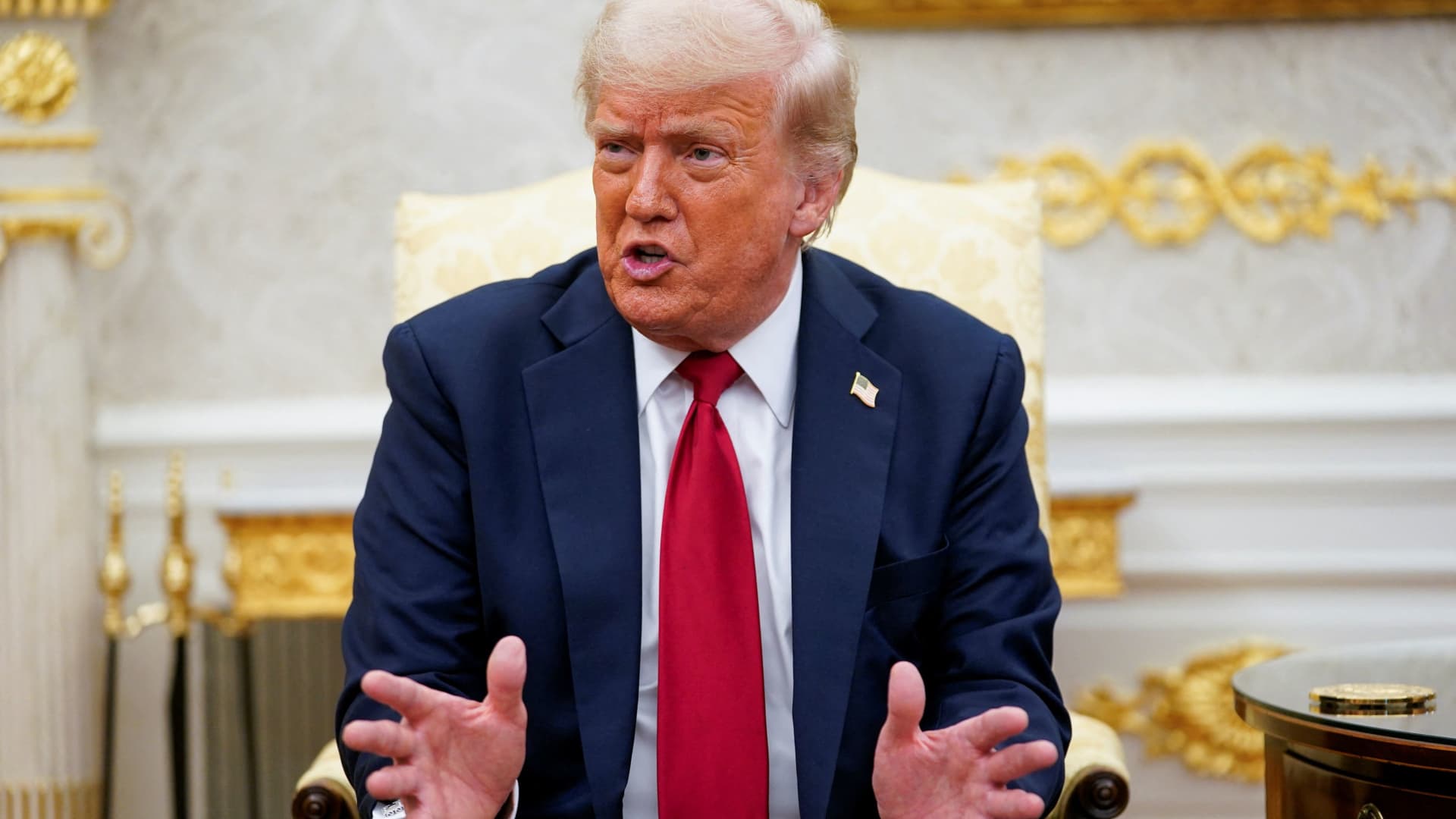
Trump Announces $23 Billion Arms Sales to Gulf Nations


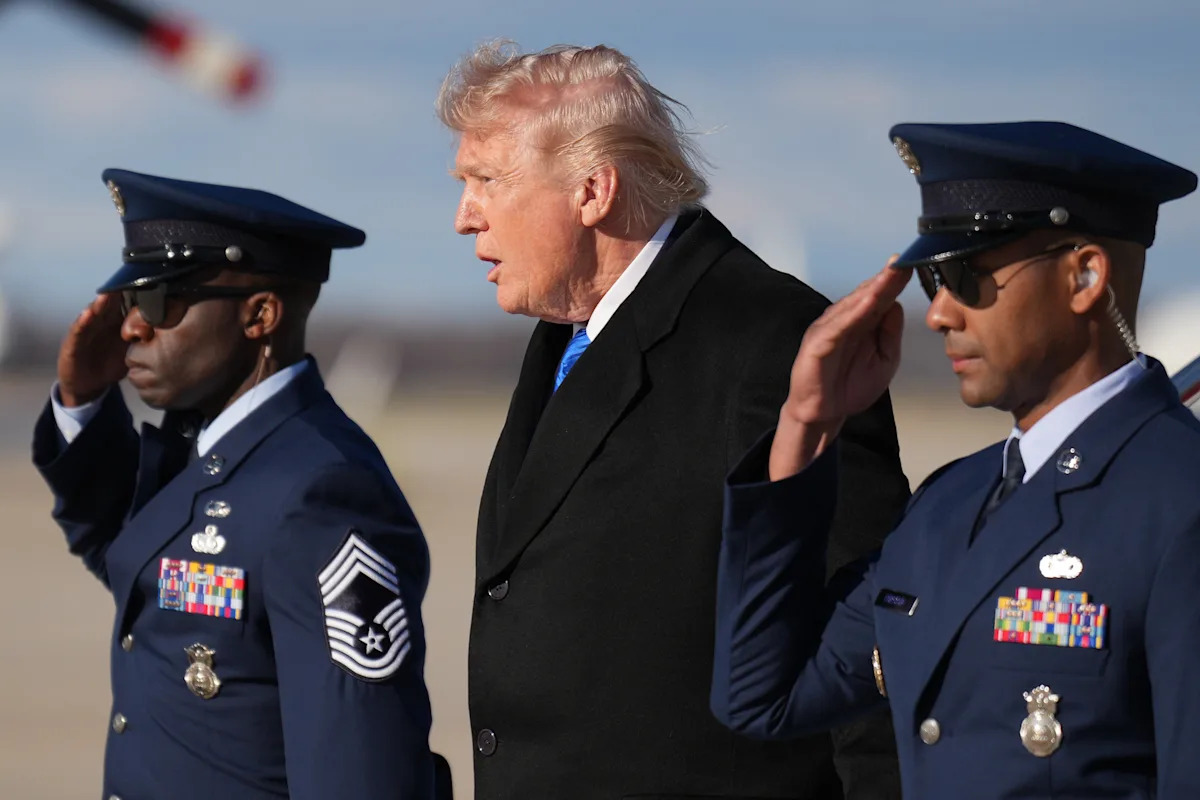
- Scale of Arms Sales: The Trump administration is advancing approximately $23 billion in arms sales to the UAE, Kuwait, and Jordan, aimed at bolstering their defenses amid escalating Middle East conflicts, highlighting U.S. commitment to regional security.
- Investment in Air Defense: Over $16 billion of the deal is allocated for air-defense systems, munitions, and radar equipment, enhancing the military capabilities of these nations and improving interoperability with U.S. Joint Forces and other regional forces.
- Emergency Clause Utilization: The U.S. government invoked the emergency clause of arms control law for some transactions, allowing them to proceed without the standard 30-day congressional review, reflecting an urgent need to address regional security threats.
- Future Threat Preparedness: The arms sales not only enhance the Gulf nations' capabilities to meet current and future threats but also include $5.6 billion worth of Patriot PAC-3 missiles and approximately $1.32 billion in CH-47 helicopters, further solidifying U.S. strategic influence in the region.
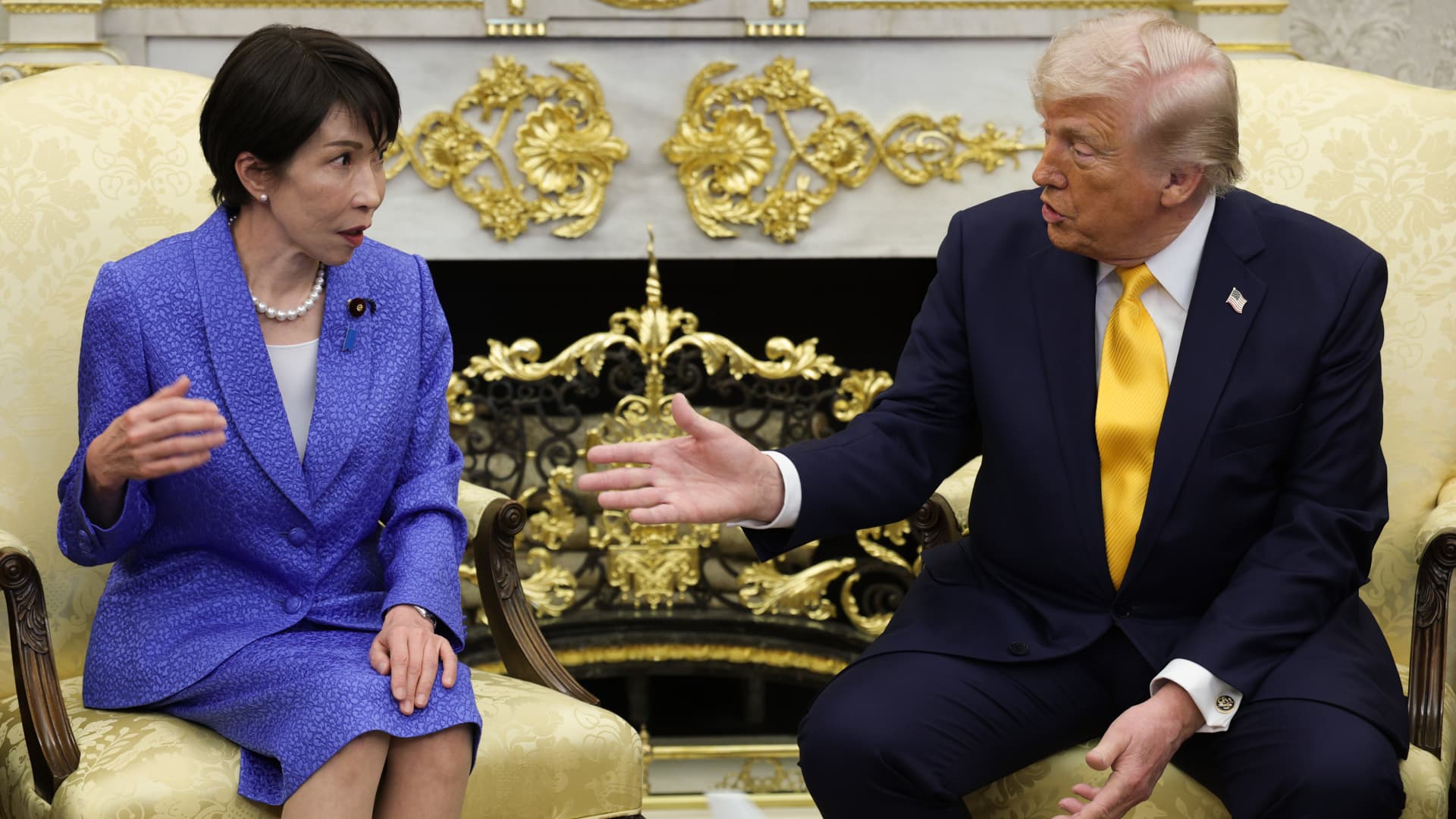
Japan's Prime Minister Meets Trump Amid Controversy

- Meeting Context: Japan's Prime Minister Sanae Takaichi met with U.S. President Donald Trump on March 19, 2026, in Washington, D.C., following her landslide electoral victory, highlighting Japan's significance in international affairs.
- Pearl Harbor Reference: Trump referenced the Pearl Harbor attack during the meeting, suggesting Japan should have informed allies about the surprise attack on Iran, which caused Takaichi to visibly react with unease, indicating the delicate nature of U.S.-Japan relations.
- Strait Security Cooperation: Trump praised Japan for its efforts to secure the Strait of Hormuz, although Takaichi stated there were no plans to dispatch naval vessels, reflecting Japan's legal constraints on military involvement and the complexities of its foreign policy.
- International Reactions: Prior to the meeting, Japan and other nations issued a joint statement expressing readiness to contribute to ensuring safe passage through the Strait, while Germany and France made it clear they would not engage in military actions, showcasing differing international stances on the regional situation.
Industrials Post Best Start in 25 Years, Outlook Ahead
- Strong Sector Performance: In 2026, industrials have emerged as a star in the stock market, with the State Street Industrial Select Sector SPDR ETF (XLI) rallying over 5% year-to-date, showcasing robust market demand among the S&P 500 sectors.
- Significant Stock Gains: Among the top 20 stocks by market cap, 14 have risen this year, with GE Vernova up 37%, Caterpillar up 25%, and Lockheed Martin up 26%, reflecting a strong recovery in the sector and increased investor confidence.
- Market Challenges Intensify: Despite the strong performance of industrials, the S&P 500 index has declined nearly 4% due to geopolitical risks and ongoing concerns in artificial intelligence and private credit, highlighting the complexity and uncertainty of the market environment.
- Cautious Future Growth: Trivariate Research notes that industrials are trading at a forward price-to-earnings ratio of about 24, indicating high valuations, and future earnings revisions are necessary to sustain current performance, adding to investor scrutiny and challenges.
Sion Power Shifts Focus to Defense Battery Market Amid Rising Demand
- Market Shift: Sion Power is transitioning from electric vehicle battery production to the defense sector, expecting to commercialize high-energy lithium-metal batteries later this year in response to rising U.S. drone demand, demonstrating the company's adaptability to market changes.
- Technological Advantage: The newly developed 'Licerion HE' lithium-metal battery cells boast energy densities exceeding 500 watt-hours per kilogram, significantly higher than the 300-350 Wh/kg of current lithium-ion batteries, making them suitable for drones and other critical platforms, enhancing competitiveness in the defense market.
- Production Capacity Enhancement: Sion Power's 110,000-square-foot facility in Arizona is being repurposed to focus on defense product manufacturing, with plans to convert production lines to meet the growing defense demand, further solidifying its market position.
- Investment and Funding: The company has raised over $200 million for lithium-metal cell development, with investors including LG Energy Solution, and plans to launch new products between the second half of 2026 and into 2027, indicating strong market prospects and growth potential.
RTX, Leidos, and Additional Firms Collaborating to Enhance Air Traffic Management
Recent Tragedy: A tragic accident at LaGuardia airport resulted in the deaths of two pilots.
Air Traffic Control Scrutiny: The incident is expected to bring renewed attention to U.S. Air Traffic Control systems and their effectiveness.
FINNAIR SIGNS DEALS WITH RTX'S PRATT & WHITNEY FOR SPARE ENGINES AND MAINTENANCE SERVICES FOR EMBRAER E2 ENGINES
Agreement Details: FINNAIR has signed agreements with RTX's Spratt & Whitney for the purchase of spare engines and maintenance services.
Engine Specifications: The engines involved are those that power the Embraer E2 aircraft, indicating a focus on enhancing operational efficiency.
Trump Announces $23 Billion Arms Sales to Gulf Nations
- Scale of Arms Sales: The Trump administration is advancing approximately $23 billion in arms sales to the UAE, Kuwait, and Jordan, aimed at bolstering their defenses amid escalating Middle East conflicts, highlighting U.S. commitment to regional security.
- Investment in Air Defense: Over $16 billion of the deal is allocated for air-defense systems, munitions, and radar equipment, enhancing the military capabilities of these nations and improving interoperability with U.S. Joint Forces and other regional forces.
- Emergency Clause Utilization: The U.S. government invoked the emergency clause of arms control law for some transactions, allowing them to proceed without the standard 30-day congressional review, reflecting an urgent need to address regional security threats.
- Future Threat Preparedness: The arms sales not only enhance the Gulf nations' capabilities to meet current and future threats but also include $5.6 billion worth of Patriot PAC-3 missiles and approximately $1.32 billion in CH-47 helicopters, further solidifying U.S. strategic influence in the region.
Japan's Prime Minister Meets Trump Amid Controversy
- Meeting Context: Japan's Prime Minister Sanae Takaichi met with U.S. President Donald Trump on March 19, 2026, in Washington, D.C., following her landslide electoral victory, highlighting Japan's significance in international affairs.
- Pearl Harbor Reference: Trump referenced the Pearl Harbor attack during the meeting, suggesting Japan should have informed allies about the surprise attack on Iran, which caused Takaichi to visibly react with unease, indicating the delicate nature of U.S.-Japan relations.
- Strait Security Cooperation: Trump praised Japan for its efforts to secure the Strait of Hormuz, although Takaichi stated there were no plans to dispatch naval vessels, reflecting Japan's legal constraints on military involvement and the complexities of its foreign policy.
- International Reactions: Prior to the meeting, Japan and other nations issued a joint statement expressing readiness to contribute to ensuring safe passage through the Strait, while Germany and France made it clear they would not engage in military actions, showcasing differing international stances on the regional situation.