Rockwell Automation Deepens Collaboration with Lucid Group to Support Saudi Arabia's First Vehicle Manufacturing Plant
Written by Emily J. Thompson, Senior Investment Analyst
Updated: Jan 21 2026
0mins

Source: Benzinga
- Strategic Collaboration: Rockwell Automation has deepened its collaboration with Lucid Group to support Saudi Arabia's first vehicle manufacturing plant, marking a significant milestone in the Kingdom's industrial development under Vision 2030.
- Production Efficiency Enhancement: Lucid will implement Rockwell's FactoryTalk manufacturing execution system (MES) to optimize production processes, ensuring real-time visibility and traceability, thereby enhancing operational efficiency and quality.
- Local Training Initiative: Rockwell will provide local training programs in Saudi Arabia aimed at developing domestic talent in electric vehicle manufacturing, supporting long-term industrial growth and enhancing local manufacturing capabilities.
- Technological Innovation Application: Lucid has also announced a partnership with Trimble to supply advanced positioning technology for its upcoming Gravity electric SUV, improving navigation and driver assistance reliability, with implementation expected in January 2026 for new models.
Trade with 70% Backtested Accuracy
Stop guessing "Should I Buy LCID?" and start using high-conviction signals backed by rigorous historical data.
Sign up today to access powerful investing tools and make smarter, data-driven decisions.
Analyst Views on LCID
Wall Street analysts forecast LCID stock price to rise
6 Analyst Rating
1 Buy
4 Hold
1 Sell
Hold
Current: 6.630

Low
10.00
Averages
17.00
High
30.00
Current: 6.630
Low
10.00
Averages
17.00
High
30.00
About LCID
Lucid Group, Inc. is a technology company, which designs, engineers, and manufactures electric vehicles (EVs), EV powertrains, and battery systems in-house using its equipment and factories. It sells vehicles directly to consumers through its retail sales network and through online channels. Its vehicles include Lucid Air and Lucid Gravity. Lucid Air is an advanced sedan, featuring powertrain technology. It offers 420 miles of Environmental Protection Agency (EPA)-estimated range, with an 84-kWh battery pack. The Lucid Air Sapphire is the highest-performance version of the Lucid Air, boasting 1,234 horsepower from three motors, 427 miles of an EPA-estimated range. The Lucid Gravity provides the interior space and practicality of a full-size sport utility vehicle (SUV) within the exterior footprint of a mid-size SUV. It provides space for up to seven adults. It has engineered the Lucid Gravity Grand Touring to deliver up to 450 miles of EPA-estimated range.
About the author

Emily J. Thompson
Emily J. Thompson, a Chartered Financial Analyst (CFA) with 12 years in investment research, graduated with honors from the Wharton School. Specializing in industrial and technology stocks, she provides in-depth analysis for Intellectia’s earnings and market brief reports.
Lucid Group Reports Increased Production and Deliveries in Q2
- Production Increase: Lucid Group's vehicle production in Q2 rose to 4,774 units from 3,863 units last year, marking a 23.5% increase that indicates the company's gradual expansion in the electric vehicle market and enhanced production capabilities.
- Delivery Growth: Vehicle deliveries increased from 3,309 units last year to 3,953 units this year, a 19.5% rise, demonstrating significant progress in meeting customer demand and market acceptance.
- Executive Change: CFO Taoufiq Boussaid has resigned and will be succeeded by Alexander De Bock, who brings over 20 years of automotive finance leadership experience, potentially introducing new financial strategies and management perspectives for the company.
- Stock Price Reaction: In pre-market trading, Lucid Group's shares rose by 3.62% to $6.87, reflecting market optimism regarding the company's improved performance and executive transition.
See More

Lucid Group Securities Class Action Notice
- Class Action Notice: Rosen Law Firm reminds investors who purchased Lucid Group securities between February 25 and April 13, 2026, to apply as lead plaintiffs by July 28, 2026, to potentially receive compensation without any out-of-pocket costs.
- Lawsuit Background: The lawsuit claims that during the Class Period, a supplier quality issue significantly disrupted deliveries of the Lucid Gravity, materially negatively impacting the company's business and financial results, leading to investor losses.
- Law Firm Credentials: Rosen Law Firm specializes in securities class actions and has achieved the largest securities class action settlement against a Chinese company, ranked No. 1 by ISS Securities Class Action Services in 2017, showcasing its expertise and success in this field.
- Investor Guidance: Investors are advised to carefully select law firms with proven success in leadership roles, avoiding those that merely act as intermediaries, to ensure effective legal representation in the class action.
See More
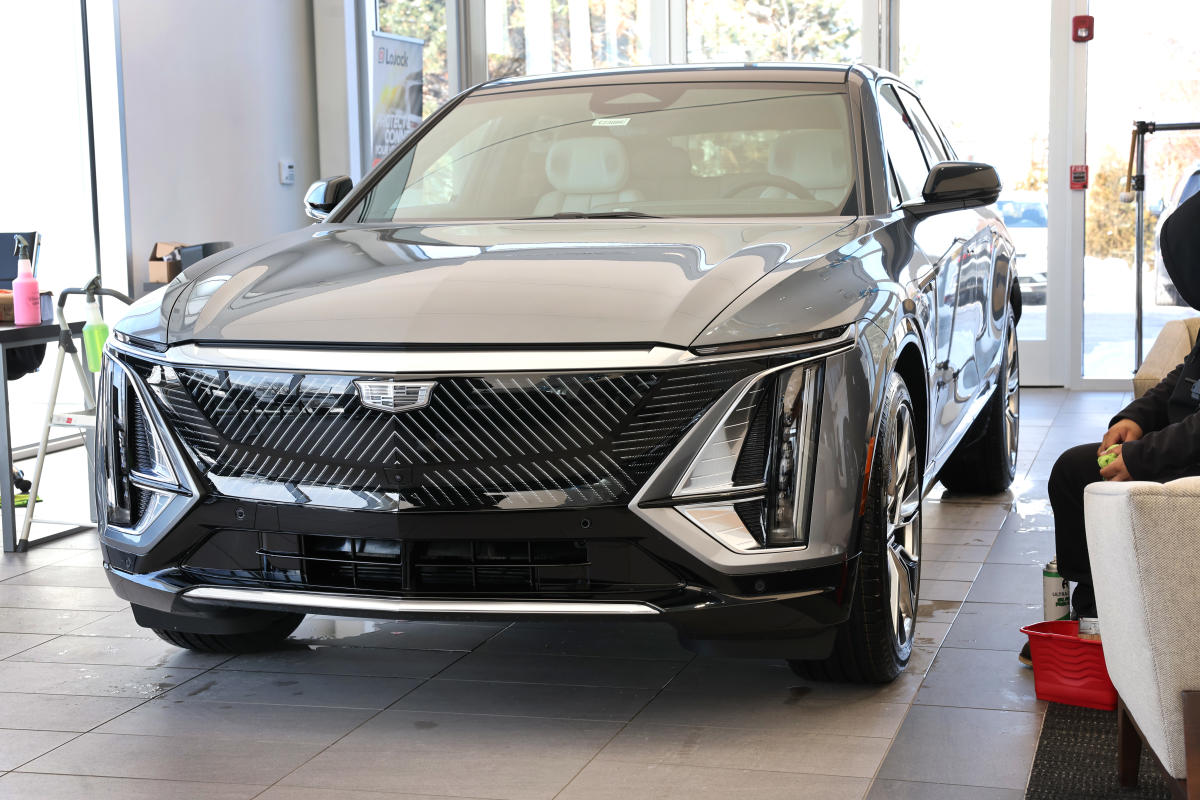
Investment Comparison: General Motors vs. Lucid Group

- GM Profitability: In FY 2025, General Motors reported nearly $185 billion in revenue, a slight 1.3% decrease year-over-year, yet achieved a net income of approximately $2.7 billion, demonstrating profitability and market stability during heavy capital investments.
- Lucid Growth Potential: Lucid generated nearly $1.4 billion in revenue in FY 2025, reflecting a significant growth rate of 67.6%, but reported a net loss of close to $2.7 billion, resulting in a negative net margin of approximately 199.3%, highlighting the intense competition and high-risk nature of the luxury EV market.
- Financial Health Comparison: As of December 2025, GM's current ratio stood at 1.2 and its debt-to-equity ratio at 2.1, indicating strong short-term debt coverage; in contrast, Lucid's current ratio was 1.02 with a debt-to-equity ratio of 4.05, suggesting a more vulnerable financial structure.
- Market Competition and Challenges: GM faces fierce competition from Tesla and declining profitability in China, while Lucid has implemented an 18% workforce reduction due to production delays and significant operating losses, illustrating the distinct challenges and strategies each company faces in their respective markets.
See More
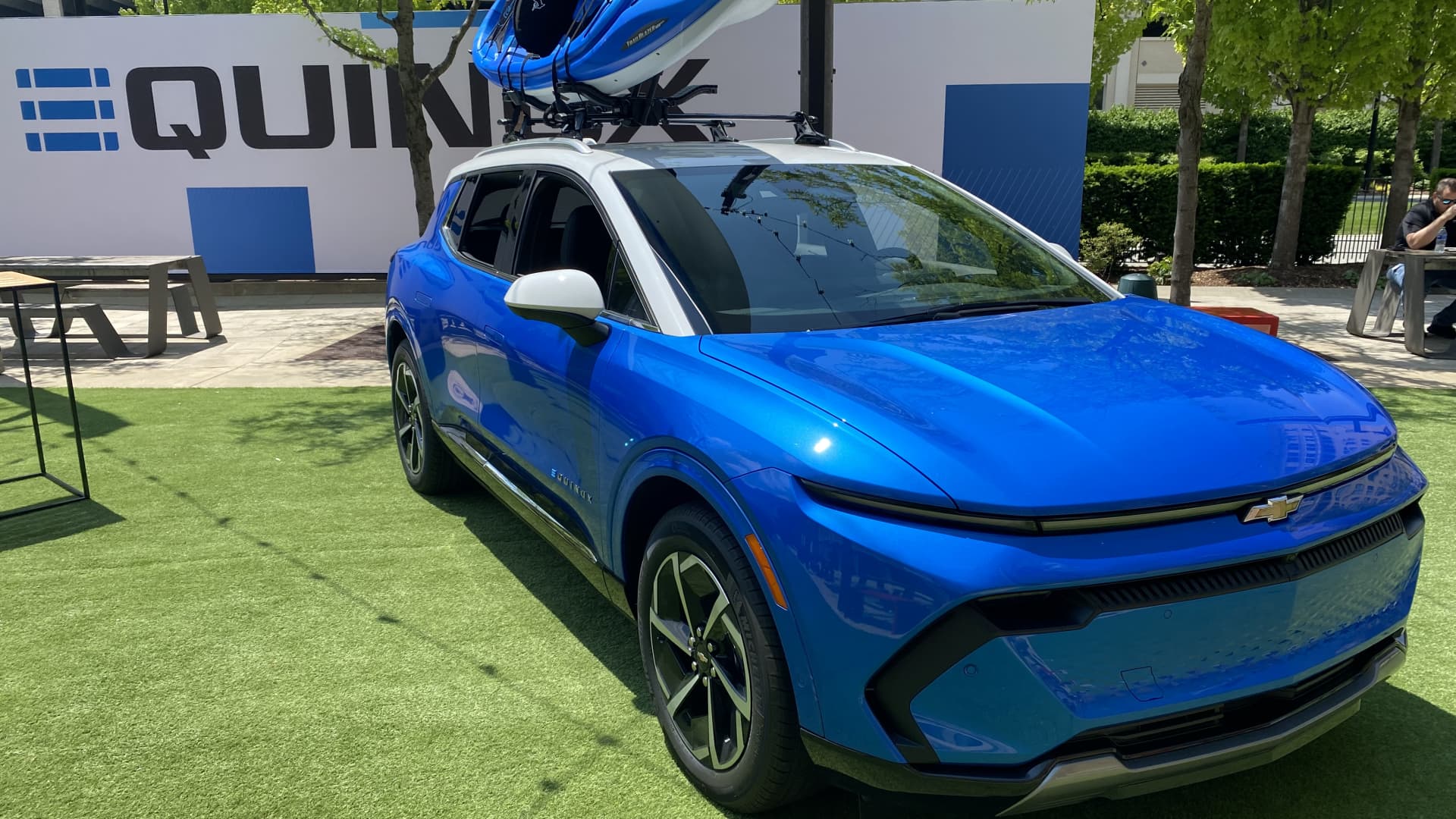
General Motors vs. Lucid: A Clash of Automotive Eras
- Market Advantage of GM: General Motors achieved nearly $185 billion in revenue for FY 2025, despite a slight 1.3% year-over-year decline, maintaining a net income of approximately $2.7 billion, which underscores its profitability and market leadership during a period of heavy capital investment.
- Lucid's Growth Potential: Lucid generated nearly $1.4 billion in revenue for FY 2025, reflecting a significant growth rate of 67.6%, yet faced a net loss of close to $2.7 billion, highlighting the tension between its expansion in the luxury EV market and profitability.
- Risks and Challenges: GM faces legal scrutiny following a settlement with the FTC, alongside declining profitability in China, while Lucid is grappling with financial distress due to an 18% workforce reduction and production delays, illustrating the differing risk profiles in their market competition.
- Valuation Comparison: GM's forward P/E ratio stands at 5.9x, significantly lower than the sector benchmark, while Lucid's P/S ratio is at 1.6x, indicating GM's appeal as a more conservative value investment choice.
See More
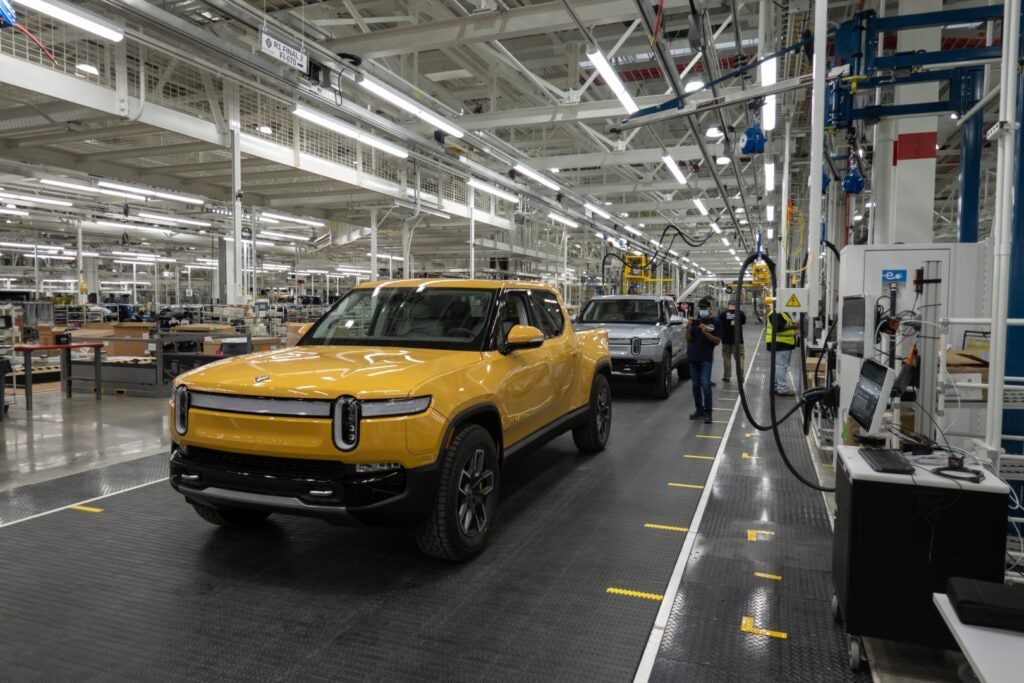
Investment Comparison Between Rivian and Lucid

- Lucid's Production and Financial Challenges: Lucid achieved a 55% year-over-year production increase and a 68% revenue rise to nearly $1.4 billion in 2025, yet it still faces a GAAP net loss of $12.09 per share, ongoing capital needs, and management uncertainty that cloud its future prospects.
- Lucid's Management Turmoil: The company has seen three CEOs in just four years, with current CEO Silvio Napoli taking over in June and already cutting 18% of the workforce to save $158 million, highlighting instability in management and operations.
- Rivian's Sales and Profitability Improvements: Despite a 14% decline in vehicle production and only an 8% sales increase in 2025, Rivian achieved two quarters of gross profitability driven by its software and services segment, indicating a positive shift in its financial health.
- Rivian's New Model Launch: The new R2 model starts at approximately $58,000, with plans to introduce a more affordable $45,000 base version next year, which is expected to broaden its customer base and enhance market competitiveness.
See More
Lucid Q2 Deliveries Miss Expectations, New CEO Sparks Investor Optimism

- Missed Delivery Expectations: In Q2, Lucid produced 4,774 EVs and delivered nearly 4,000, falling short of Wall Street's expectation of 5,000 units, indicating pressure in a competitive market.
- CEO-Driven Transformation: New CEO Silvio Napoli streamlined the executive team and brought in new talent, including a new CFO and CTO, aiming to enhance execution and accountability, which has boosted investor confidence.
- Stock Price Surge: Despite the disappointing delivery numbers, Lucid's shares rose 21% over the past five trading days, reflecting investor optimism regarding the company's turnaround plan and future growth potential.
- Focus on New Model: Lucid is shifting its focus to the upcoming Gravity SUV, with the successful launch of this model being crucial for the company's future, making it essential for investors to monitor its market performance closely.
See More
Lucid Group Reports Increased Production and Deliveries in Q2
- Production Increase: Lucid Group's vehicle production in Q2 rose to 4,774 units from 3,863 units last year, marking a 23.5% increase that indicates the company's gradual expansion in the electric vehicle market and enhanced production capabilities.
- Delivery Growth: Vehicle deliveries increased from 3,309 units last year to 3,953 units this year, a 19.5% rise, demonstrating significant progress in meeting customer demand and market acceptance.
- Executive Change: CFO Taoufiq Boussaid has resigned and will be succeeded by Alexander De Bock, who brings over 20 years of automotive finance leadership experience, potentially introducing new financial strategies and management perspectives for the company.
- Stock Price Reaction: In pre-market trading, Lucid Group's shares rose by 3.62% to $6.87, reflecting market optimism regarding the company's improved performance and executive transition.
See More
Lucid Group Securities Class Action Notice
- Class Action Notice: Rosen Law Firm reminds investors who purchased Lucid Group securities between February 25 and April 13, 2026, to apply as lead plaintiffs by July 28, 2026, to potentially receive compensation without any out-of-pocket costs.
- Lawsuit Background: The lawsuit claims that during the Class Period, a supplier quality issue significantly disrupted deliveries of the Lucid Gravity, materially negatively impacting the company's business and financial results, leading to investor losses.
- Law Firm Credentials: Rosen Law Firm specializes in securities class actions and has achieved the largest securities class action settlement against a Chinese company, ranked No. 1 by ISS Securities Class Action Services in 2017, showcasing its expertise and success in this field.
- Investor Guidance: Investors are advised to carefully select law firms with proven success in leadership roles, avoiding those that merely act as intermediaries, to ensure effective legal representation in the class action.
See More
Investment Comparison: General Motors vs. Lucid Group
- GM Profitability: In FY 2025, General Motors reported nearly $185 billion in revenue, a slight 1.3% decrease year-over-year, yet achieved a net income of approximately $2.7 billion, demonstrating profitability and market stability during heavy capital investments.
- Lucid Growth Potential: Lucid generated nearly $1.4 billion in revenue in FY 2025, reflecting a significant growth rate of 67.6%, but reported a net loss of close to $2.7 billion, resulting in a negative net margin of approximately 199.3%, highlighting the intense competition and high-risk nature of the luxury EV market.
- Financial Health Comparison: As of December 2025, GM's current ratio stood at 1.2 and its debt-to-equity ratio at 2.1, indicating strong short-term debt coverage; in contrast, Lucid's current ratio was 1.02 with a debt-to-equity ratio of 4.05, suggesting a more vulnerable financial structure.
- Market Competition and Challenges: GM faces fierce competition from Tesla and declining profitability in China, while Lucid has implemented an 18% workforce reduction due to production delays and significant operating losses, illustrating the distinct challenges and strategies each company faces in their respective markets.
See More
General Motors vs. Lucid: A Clash of Automotive Eras
- Market Advantage of GM: General Motors achieved nearly $185 billion in revenue for FY 2025, despite a slight 1.3% year-over-year decline, maintaining a net income of approximately $2.7 billion, which underscores its profitability and market leadership during a period of heavy capital investment.
- Lucid's Growth Potential: Lucid generated nearly $1.4 billion in revenue for FY 2025, reflecting a significant growth rate of 67.6%, yet faced a net loss of close to $2.7 billion, highlighting the tension between its expansion in the luxury EV market and profitability.
- Risks and Challenges: GM faces legal scrutiny following a settlement with the FTC, alongside declining profitability in China, while Lucid is grappling with financial distress due to an 18% workforce reduction and production delays, illustrating the differing risk profiles in their market competition.
- Valuation Comparison: GM's forward P/E ratio stands at 5.9x, significantly lower than the sector benchmark, while Lucid's P/S ratio is at 1.6x, indicating GM's appeal as a more conservative value investment choice.
See More
Investment Comparison Between Rivian and Lucid
- Lucid's Production and Financial Challenges: Lucid achieved a 55% year-over-year production increase and a 68% revenue rise to nearly $1.4 billion in 2025, yet it still faces a GAAP net loss of $12.09 per share, ongoing capital needs, and management uncertainty that cloud its future prospects.
- Lucid's Management Turmoil: The company has seen three CEOs in just four years, with current CEO Silvio Napoli taking over in June and already cutting 18% of the workforce to save $158 million, highlighting instability in management and operations.
- Rivian's Sales and Profitability Improvements: Despite a 14% decline in vehicle production and only an 8% sales increase in 2025, Rivian achieved two quarters of gross profitability driven by its software and services segment, indicating a positive shift in its financial health.
- Rivian's New Model Launch: The new R2 model starts at approximately $58,000, with plans to introduce a more affordable $45,000 base version next year, which is expected to broaden its customer base and enhance market competitiveness.
See More
Lucid Q2 Deliveries Miss Expectations, New CEO Sparks Investor Optimism
- Missed Delivery Expectations: In Q2, Lucid produced 4,774 EVs and delivered nearly 4,000, falling short of Wall Street's expectation of 5,000 units, indicating pressure in a competitive market.
- CEO-Driven Transformation: New CEO Silvio Napoli streamlined the executive team and brought in new talent, including a new CFO and CTO, aiming to enhance execution and accountability, which has boosted investor confidence.
- Stock Price Surge: Despite the disappointing delivery numbers, Lucid's shares rose 21% over the past five trading days, reflecting investor optimism regarding the company's turnaround plan and future growth potential.
- Focus on New Model: Lucid is shifting its focus to the upcoming Gravity SUV, with the successful launch of this model being crucial for the company's future, making it essential for investors to monitor its market performance closely.
See More