Rivian's R2 SUV Set to Broaden Market Reach
Written by Emily J. Thompson, Senior Investment Analyst
Updated: 5 hours ago
0mins
Should l Buy RIVN?
Source: NASDAQ.COM
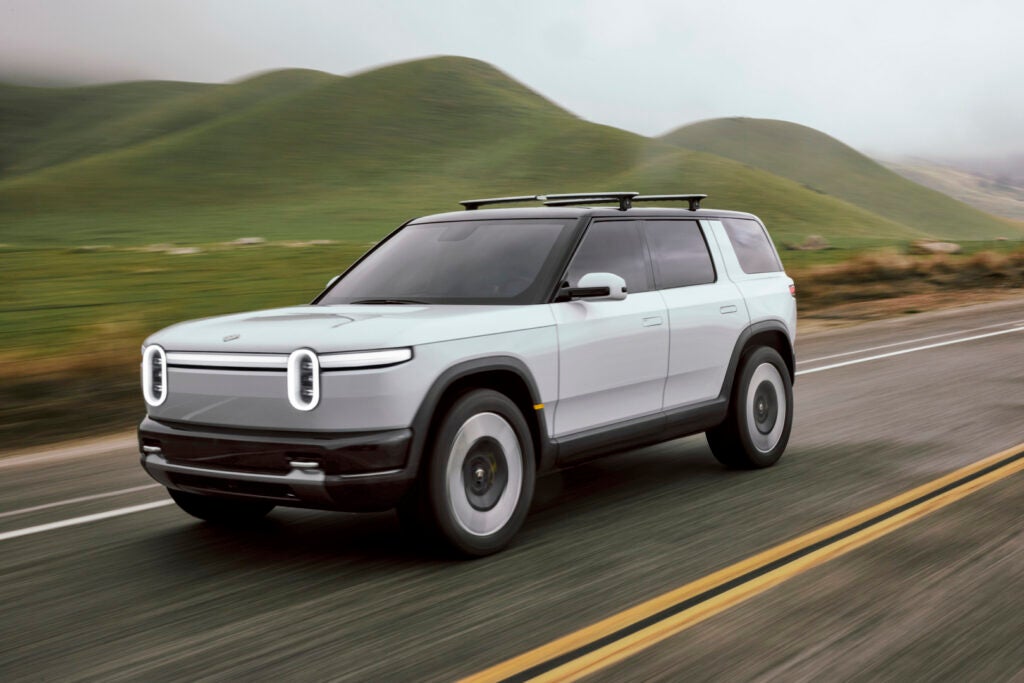
- New Model Launch: Rivian plans to unveil its R2 SUV on March 12, 2026, at the SXSW festival, with an expected price of around $45,000, which is $30,000 to $40,000 less than the current R1T and R1S, aiming to attract a broader consumer base and increase market share.
- Production Capacity Expansion: Rivian intends to triple its total production capacity by 2028 and open a new plant in Georgia to alleviate pressure from its Illinois facility, a move that will support the expansion of the R2 and enhance brand awareness.
- Improved Financial Outlook: Although Rivian's stock currently trades over 80% below its IPO price, analysts expect that if the R2 successfully launches and expands its market, the company's revenue could grow from $5.4 billion in 2025 to $16.3 billion by 2028, with adjusted EBITDA projected to turn positive by the final year.
- Market Competition Analysis: Rivian faces intense competition in the premium EV market, with production hampered by supply chain issues and high interest rates; however, the R2 launch could serve as a turning point similar to Tesla's Model 3, potentially attracting more investor attention to its stock.
Trade with 70% Backtested Accuracy
Stop guessing "Should I Buy RIVN?" and start using high-conviction signals backed by rigorous historical data.
Sign up today to access powerful investing tools and make smarter, data-driven decisions.
Analyst Views on RIVN
Wall Street analysts forecast RIVN stock price to rise
18 Analyst Rating
8 Buy
7 Hold
3 Sell
Moderate Buy
Current: 15.190

Low
10.00
Averages
17.78
High
25.00
Current: 15.190
Low
10.00
Averages
17.78
High
25.00
About RIVN
Rivian Automotive, Inc. is an automotive manufacturer, which is engaged in developing and building category-defining electric vehicles (EVs) and accessories, as well as software and services that address the entire lifecycle of the vehicle. The Company’s R1 platform consists of two vehicles: the R1T, a two-row five-passenger pickup truck, and the R1S, a three-row seven-passenger sport utility vehicle (SUV). In the commercial market, the Company offers a Rivian Commercial Vehicle (RCV) platform. The vehicle on this platform is the Electric Delivery Van (EDV), designed and engineered by Rivian in collaboration with Amazon. The Company also offers FleetOS, its proprietary, end-to-end centralized fleet management subscription platform. It also offers a variety of services, including vehicle repair and maintenance, financing, insurance, software subscriptions and FleetOS solutions. Its value-added services include vehicle electrical architecture and software development services, and more.
About the author

Emily J. Thompson
Emily J. Thompson, a Chartered Financial Analyst (CFA) with 12 years in investment research, graduated with honors from the Wharton School. Specializing in industrial and technology stocks, she provides in-depth analysis for Intellectia’s earnings and market brief reports.
Rivian Automotive: A Hidden AI Investment Opportunity

- AI Technology Development: Rivian plans to manufacture its own AI chips to reduce reliance on external vendors, addressing the shortage of next-gen chips due to demand outpacing supply, thereby enhancing its competitiveness in the autonomous driving sector.
- Voice Interface Innovation: Rivian will introduce a highly conversational AI voice interface in its R1 and R2 models, expected to enhance user experience and drive sales growth, further solidifying its position in the electric vehicle market.
- Autonomous Driving Goals: The company aims to enable universal hands-free driving on over 3.5 million miles of North American roads by the end of 2026, marking a significant step in its autonomous driving technology, despite fierce competition from other EV manufacturers and tech giants.
- Valuation Attractiveness: Rivian's current price-to-sales ratio stands at just 3.4, significantly lower than Nvidia's 25 and Tesla's 15, making it an appealing option for potential AI investments, especially for diversified investors seeking maximum growth potential.
See More
EV Market Competition Intensifies, Tesla Maintains Leadership

- Lucid Delivery Growth: In 2025, Lucid delivered 15,841 vehicles, marking a 55% year-over-year increase, with expectations to deliver 25,000 to 27,000 vehicles in 2026; however, the company reported a net loss of $2.7 billion, highlighting ongoing profitability challenges.
- Rivian Performance Pressure: Rivian delivered 42,247 vehicles in 2025 and expects to deliver between 62,000 and 67,000 vehicles in 2026; despite achieving positive gross profit, it still posted a net loss of $3.6 billion, reflecting ongoing financial strain.
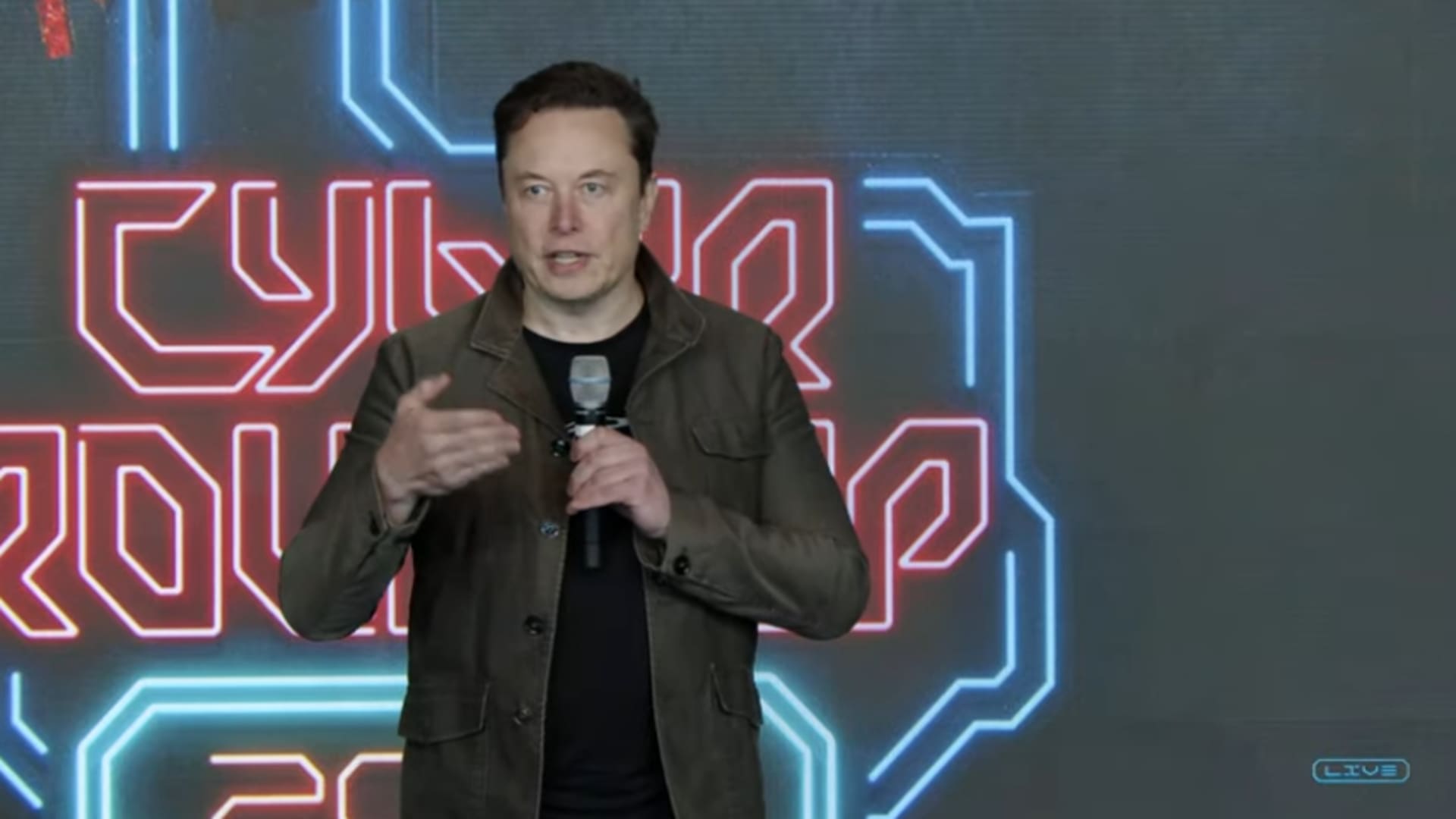
- Tesla Profitability: Tesla generated $94.8 billion in revenue and approximately $5.8 billion in non-GAAP profit in 2025, supporting its growth strategy despite pricing pressures, particularly in autonomous driving and energy storage sectors.
- Future Strategic Initiatives: Tesla plans to expand its robotaxi operations into seven new U.S. cities in the first half of 2026, with projections of generating $250 billion in revenue by 2035, showcasing its long-term potential and market expansion capabilities in the autonomous driving space.
See More

Tesla's Strong Finances Amidst Intensifying EV Market Competition
- Tesla Revenue Growth: In fiscal 2025, Tesla generated $94.8 billion in revenue, maintaining a non-GAAP profit of approximately $5.8 billion despite pricing pressures and a softer market, showcasing its robust financial strength and market leadership.
- Autonomous Driving Strategy Expansion: Tesla plans to expand its robotaxi operations into seven additional U.S. cities in the first half of 2026, which, if executed successfully, will significantly broaden its addressable market and drive long-term revenue growth.
- Energy Storage Business Growth: Tesla deployed 46.7 gigawatt-hours of energy storage in fiscal 2025, a 48% year-over-year increase, with energy revenues rising nearly 27% to $12.8 billion, indicating strong growth potential in the renewable energy sector.
- AI and Robotics Initiatives: Tesla is developing its own AI chips and the Optimus humanoid robot to enhance production efficiency and create new revenue streams, reflecting its forward-looking approach in technology innovation and long-term strategic planning.
See More

Rivian Set to Unveil R2 SUV, Paving Path for Future Growth

- New Model Launch: Rivian plans to unveil its R2 SUV on March 12, 2026, at the SXSW Festival, with an expected price of around $45,000, which is $30,000 to $40,000 less than the current R1T and R1S, aiming to attract a broader market.
- Production Capacity Enhancement: Although Rivian's production reached 57,232 vehicles in 2023, it is projected to decline to 49,476 in 2024 and further to 42,284 in 2025, primarily due to supply chain constraints and intense competition, prompting plans to open a new plant in Georgia to support production expansion.
- Cost Control Advantage: The R2's streamlined design, utilizing fewer electronic control units and an improved battery pack, allows for lower production costs compared to the R1T and R1S, thereby enhancing scalability while maintaining gross margins.
- Market Potential Outlook: Analysts expect that if Rivian successfully launches the R2 and expands its market, revenue will grow from $5.4 billion in 2025 to $16.3 billion by 2028, with adjusted EBITDA projected to turn positive by 2028, indicating strong growth potential.
See More
Rivian's R2 SUV Set to Broaden Market Reach
- New Model Launch: Rivian plans to unveil its R2 SUV on March 12, 2026, at the SXSW festival, with an expected price of around $45,000, which is $30,000 to $40,000 less than the current R1T and R1S, aiming to attract a broader consumer base and increase market share.
- Production Capacity Expansion: Rivian intends to triple its total production capacity by 2028 and open a new plant in Georgia to alleviate pressure from its Illinois facility, a move that will support the expansion of the R2 and enhance brand awareness.
- Improved Financial Outlook: Although Rivian's stock currently trades over 80% below its IPO price, analysts expect that if the R2 successfully launches and expands its market, the company's revenue could grow from $5.4 billion in 2025 to $16.3 billion by 2028, with adjusted EBITDA projected to turn positive by the final year.
- Market Competition Analysis: Rivian faces intense competition in the premium EV market, with production hampered by supply chain issues and high interest rates; however, the R2 launch could serve as a turning point similar to Tesla's Model 3, potentially attracting more investor attention to its stock.
See More
Rivian's R2 Vehicle Delivery Outlook
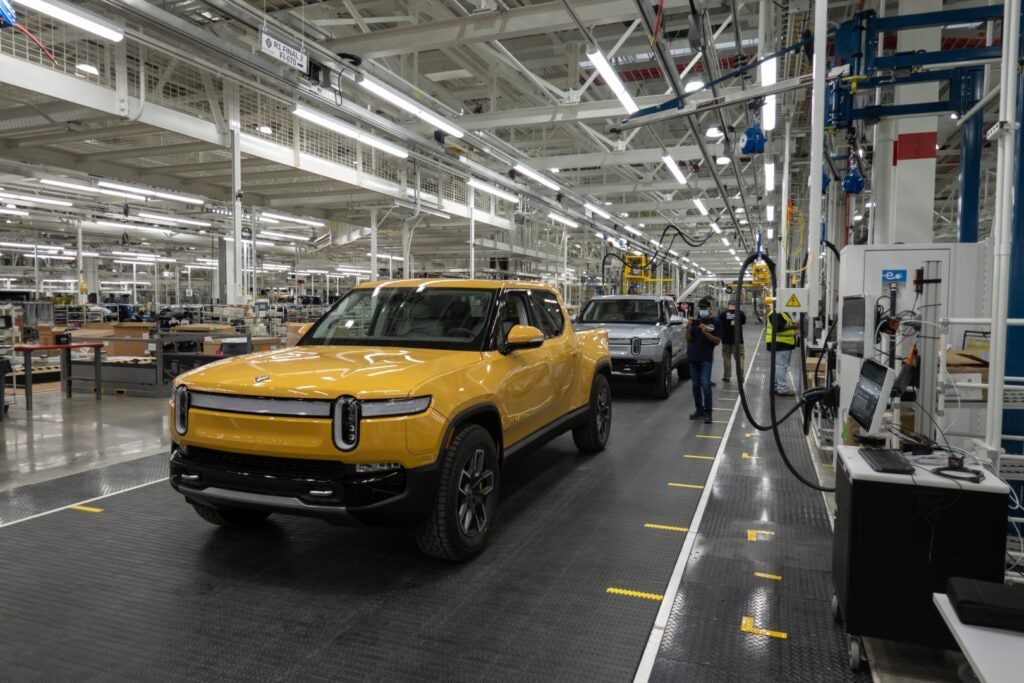
- R2 Delivery Goals: Rivian aims to deliver between 62,000 and 67,000 vehicles in 2026, with expectations of selling 20,000 to 25,000 R2 vehicles, reflecting strong confidence in the new model and its potential as a stock catalyst.
- Delivery Speed Comparison: If Rivian delivers 20,000 R2s within six months, it will be the first vehicle since Tesla's Model Y to achieve this milestone, further solidifying its market position and potentially attracting more investor interest.
- Factory Investment and Capacity: Rivian has paused plans for a new Georgia factory to focus on upgrading its Normal, Illinois facility, targeting an annual production of over 100,000 units to ensure timely R2 market entry, demonstrating the company's commitment to its existing operations.
- Market Pricing Strategy: With an estimated starting price of around $45,000, the R2 will be competitively priced near the Tesla Model Y and significantly lower than the R1S, aiming to attract a broader consumer base and enhance market competitiveness.
See More
Rivian Automotive: A Hidden AI Investment Opportunity
- AI Technology Development: Rivian plans to manufacture its own AI chips to reduce reliance on external vendors, addressing the shortage of next-gen chips due to demand outpacing supply, thereby enhancing its competitiveness in the autonomous driving sector.
- Voice Interface Innovation: Rivian will introduce a highly conversational AI voice interface in its R1 and R2 models, expected to enhance user experience and drive sales growth, further solidifying its position in the electric vehicle market.
- Autonomous Driving Goals: The company aims to enable universal hands-free driving on over 3.5 million miles of North American roads by the end of 2026, marking a significant step in its autonomous driving technology, despite fierce competition from other EV manufacturers and tech giants.
- Valuation Attractiveness: Rivian's current price-to-sales ratio stands at just 3.4, significantly lower than Nvidia's 25 and Tesla's 15, making it an appealing option for potential AI investments, especially for diversified investors seeking maximum growth potential.
See More
EV Market Competition Intensifies, Tesla Maintains Leadership
- Lucid Delivery Growth: In 2025, Lucid delivered 15,841 vehicles, marking a 55% year-over-year increase, with expectations to deliver 25,000 to 27,000 vehicles in 2026; however, the company reported a net loss of $2.7 billion, highlighting ongoing profitability challenges.
- Rivian Performance Pressure: Rivian delivered 42,247 vehicles in 2025 and expects to deliver between 62,000 and 67,000 vehicles in 2026; despite achieving positive gross profit, it still posted a net loss of $3.6 billion, reflecting ongoing financial strain.
- Tesla Profitability: Tesla generated $94.8 billion in revenue and approximately $5.8 billion in non-GAAP profit in 2025, supporting its growth strategy despite pricing pressures, particularly in autonomous driving and energy storage sectors.
- Future Strategic Initiatives: Tesla plans to expand its robotaxi operations into seven new U.S. cities in the first half of 2026, with projections of generating $250 billion in revenue by 2035, showcasing its long-term potential and market expansion capabilities in the autonomous driving space.
See More
Tesla's Strong Finances Amidst Intensifying EV Market Competition
- Tesla Revenue Growth: In fiscal 2025, Tesla generated $94.8 billion in revenue, maintaining a non-GAAP profit of approximately $5.8 billion despite pricing pressures and a softer market, showcasing its robust financial strength and market leadership.
- Autonomous Driving Strategy Expansion: Tesla plans to expand its robotaxi operations into seven additional U.S. cities in the first half of 2026, which, if executed successfully, will significantly broaden its addressable market and drive long-term revenue growth.
- Energy Storage Business Growth: Tesla deployed 46.7 gigawatt-hours of energy storage in fiscal 2025, a 48% year-over-year increase, with energy revenues rising nearly 27% to $12.8 billion, indicating strong growth potential in the renewable energy sector.
- AI and Robotics Initiatives: Tesla is developing its own AI chips and the Optimus humanoid robot to enhance production efficiency and create new revenue streams, reflecting its forward-looking approach in technology innovation and long-term strategic planning.
See More
Rivian Set to Unveil R2 SUV, Paving Path for Future Growth
- New Model Launch: Rivian plans to unveil its R2 SUV on March 12, 2026, at the SXSW Festival, with an expected price of around $45,000, which is $30,000 to $40,000 less than the current R1T and R1S, aiming to attract a broader market.
- Production Capacity Enhancement: Although Rivian's production reached 57,232 vehicles in 2023, it is projected to decline to 49,476 in 2024 and further to 42,284 in 2025, primarily due to supply chain constraints and intense competition, prompting plans to open a new plant in Georgia to support production expansion.
- Cost Control Advantage: The R2's streamlined design, utilizing fewer electronic control units and an improved battery pack, allows for lower production costs compared to the R1T and R1S, thereby enhancing scalability while maintaining gross margins.
- Market Potential Outlook: Analysts expect that if Rivian successfully launches the R2 and expands its market, revenue will grow from $5.4 billion in 2025 to $16.3 billion by 2028, with adjusted EBITDA projected to turn positive by 2028, indicating strong growth potential.
See More
Rivian's R2 SUV Set to Broaden Market Reach
- New Model Launch: Rivian plans to unveil its R2 SUV on March 12, 2026, at the SXSW festival, with an expected price of around $45,000, which is $30,000 to $40,000 less than the current R1T and R1S, aiming to attract a broader consumer base and increase market share.
- Production Capacity Expansion: Rivian intends to triple its total production capacity by 2028 and open a new plant in Georgia to alleviate pressure from its Illinois facility, a move that will support the expansion of the R2 and enhance brand awareness.
- Improved Financial Outlook: Although Rivian's stock currently trades over 80% below its IPO price, analysts expect that if the R2 successfully launches and expands its market, the company's revenue could grow from $5.4 billion in 2025 to $16.3 billion by 2028, with adjusted EBITDA projected to turn positive by the final year.
- Market Competition Analysis: Rivian faces intense competition in the premium EV market, with production hampered by supply chain issues and high interest rates; however, the R2 launch could serve as a turning point similar to Tesla's Model 3, potentially attracting more investor attention to its stock.
See More
Rivian's R2 Vehicle Delivery Outlook
- R2 Delivery Goals: Rivian aims to deliver between 62,000 and 67,000 vehicles in 2026, with expectations of selling 20,000 to 25,000 R2 vehicles, reflecting strong confidence in the new model and its potential as a stock catalyst.
- Delivery Speed Comparison: If Rivian delivers 20,000 R2s within six months, it will be the first vehicle since Tesla's Model Y to achieve this milestone, further solidifying its market position and potentially attracting more investor interest.
- Factory Investment and Capacity: Rivian has paused plans for a new Georgia factory to focus on upgrading its Normal, Illinois facility, targeting an annual production of over 100,000 units to ensure timely R2 market entry, demonstrating the company's commitment to its existing operations.
- Market Pricing Strategy: With an estimated starting price of around $45,000, the R2 will be competitively priced near the Tesla Model Y and significantly lower than the R1S, aiming to attract a broader consumer base and enhance market competitiveness.
See More