Rivian Shares Up 2.94%, Mixed Options Sentiment
Written by Emily J. Thompson, Senior Investment Analyst
Updated: 2 days ago
0mins
Should l Buy RIVN?
Mixed options sentiment in Rivian (RIVN), with shares up 42c, or 2.94%, near $14.69. Options volume roughly in line with average with 85k contracts traded and calls leading puts for a put/call ratio of 0.13, compared to a typical level near 0.41. Implied volatility (IV30) dropped 0.05 near 56.86,in the bottom quartile of the past year, suggesting an expected daily move of $0.53. Put-call skew steepened, indicating increased demand for downside protection.
Trade with 70% Backtested Accuracy
Stop guessing "Should I Buy RIVN?" and start using high-conviction signals backed by rigorous historical data.
Sign up today to access powerful investing tools and make smarter, data-driven decisions.
Analyst Views on RIVN
Wall Street analysts forecast RIVN stock price to rise
18 Analyst Rating
8 Buy
7 Hold
3 Sell
Moderate Buy
Current: 14.520

Low
10.00
Averages
17.78
High
25.00
Current: 14.520
Low
10.00
Averages
17.78
High
25.00
About RIVN
Rivian Automotive, Inc. is an automotive technology company, which is engaged in developing and manufacturing category-defining electric vehicles (EVs) as well as vertically integrated technologies and services. The Company's R1 platform consists of two vehicles: the R1T, a two-row five-passenger pickup truck, and the R1S, a three-row seven-passenger sport utility vehicle (SUV). In the commercial market, the Company offers a Rivian Commercial Vehicle (RCV) platform. The vehicle on this platform is the Electric Delivery Van (EDV), designed and engineered by Rivian in collaboration with Amazon. The Company also offers FleetOS, its proprietary, end-to-end centralized fleet management subscription platform. It also offers a variety of services, including vehicle repair and maintenance, financing, insurance, joint venture, software subscriptions, and vehicle accessories, among others. Its other services include vehicle electrical architecture and software development services, and more.
About the author

Emily J. Thompson
Emily J. Thompson, a Chartered Financial Analyst (CFA) with 12 years in investment research, graduated with honors from the Wharton School. Specializing in industrial and technology stocks, she provides in-depth analysis for Intellectia’s earnings and market brief reports.
Rivian Launches R2 Electric SUV Configurator Ahead of Deliveries

- R2 Model Launch: Rivian has unveiled its first mass-market model, the R2, designed to compete directly with the Tesla Model Y, with a base price starting at approximately $45,000, marking a significant step into the mainstream market.
- Configurator Launch: The online configurator for the R2 is now live, allowing users to customize paint colors, interiors, and wheels, which is expected to help convert over 100,000 reservations into actual sales, driving revenue growth.
- Delivery Timeline: Deliveries for the R2 will commence this spring with the Performance variant, followed by the Premium and Standard variants, with Rivian projecting to deliver between 62,000 and 67,000 vehicles in 2026, a substantial increase from 42,247 vehicles delivered in 2025.
- Market Sentiment: Despite RIVN stock falling 8% over the past year, retail sentiment on Stocktwits remains bullish, indicating investor optimism regarding the R2 model and its potential impact on the company's future performance.
See More

Rivian's R2 SUV Set to Drive Massive Growth Potential

- Significant Market Potential: Rivian's R2 SUV is set to begin deliveries in the coming months as the first model priced under $50,000, catering to the majority of American consumers and providing a crucial opportunity for the company to achieve mass production.
- Order-Driven Growth: Uber has placed an order for up to 50,000 Rivian R2 SUVs, totaling $1.25 billion, demonstrating strong confidence in Rivian's potential in the robotaxi market, which could be worth up to $10 trillion in the long term.
- Accelerated Tech Investment: Rivian's management has pushed back profitability timelines to increase investments in AI and autonomous driving technologies, indicating the company's commitment to future tech development and aiming to secure a competitive edge.
- Changing Competitive Landscape: Rivian is poised to become a key supplier in the robotaxi market, potentially attracting acquisition interest from major companies like Uber or Alphabet, thereby gaining greater production capacity and market share in a Tesla-dominated landscape.
See More
U.S. Automakers Cut Over 20,000 Jobs Amid AI Expansion

- Escalating Job Cuts: The Detroit Three automakers have collectively reduced over 20,000 white-collar jobs since recent employment peaks, representing 19% of their total workforce, highlighting significant challenges faced by the industry due to technological changes.
- GM Leads Layoffs: General Motors has cut approximately 11,000 employees from 2022 to 2023, despite having expanded to 58,000 white-collar workers in 2020, reflecting pressures as the company transitions towards software-defined and electric vehicles.
- AI's Profound Impact: Ford's CEO has stated that artificial intelligence could replace half of all white-collar jobs in the U.S., particularly in repetitive roles such as finance and IT, although positions in emerging areas like autonomous vehicles and cybersecurity are still on the rise.
- Hiring Amid Cuts: Despite layoffs, the three automakers are still hiring, particularly in AI-related fields, with GM planning to recruit over 250 AI positions, indicating a demand for new skills as companies navigate their transformation.
See More

Rivian Faces Production Challenges Ahead of R2 Launch

- Production Slowdown: Since its market debut, Rivian has seen a gradual increase in vehicle production, with only 24,337 units produced in 2022 and an expected 57,232 in 2023, as production has slowed due to supply chain constraints and intensified competition, leading to diminished market confidence in its future performance.
- Importance of R2 Model: Rivian aims to deliver 62,000 to 67,000 R2 SUVs by 2026, with analysts projecting a 30% revenue increase for the year, but the successful launch of the R2 is critical; failure to ramp up production could pose a significant threat to its stock price.
- Cost Advantages: The R2 is cheaper to manufacture than the R1 due to fewer electronic control units and an improved battery pack, which is expected to enhance gross margins, with the high-performance variant starting at $57,990 and a base version anticipated to launch in late 2027 at around $45,000.
- Macroeconomic Risks: Despite the R2 being priced lower than the R1, inflation and rising interest rates could suppress consumer demand, necessitating Rivian to closely monitor these macroeconomic challenges to avoid prolonged stock price pressure.
See More
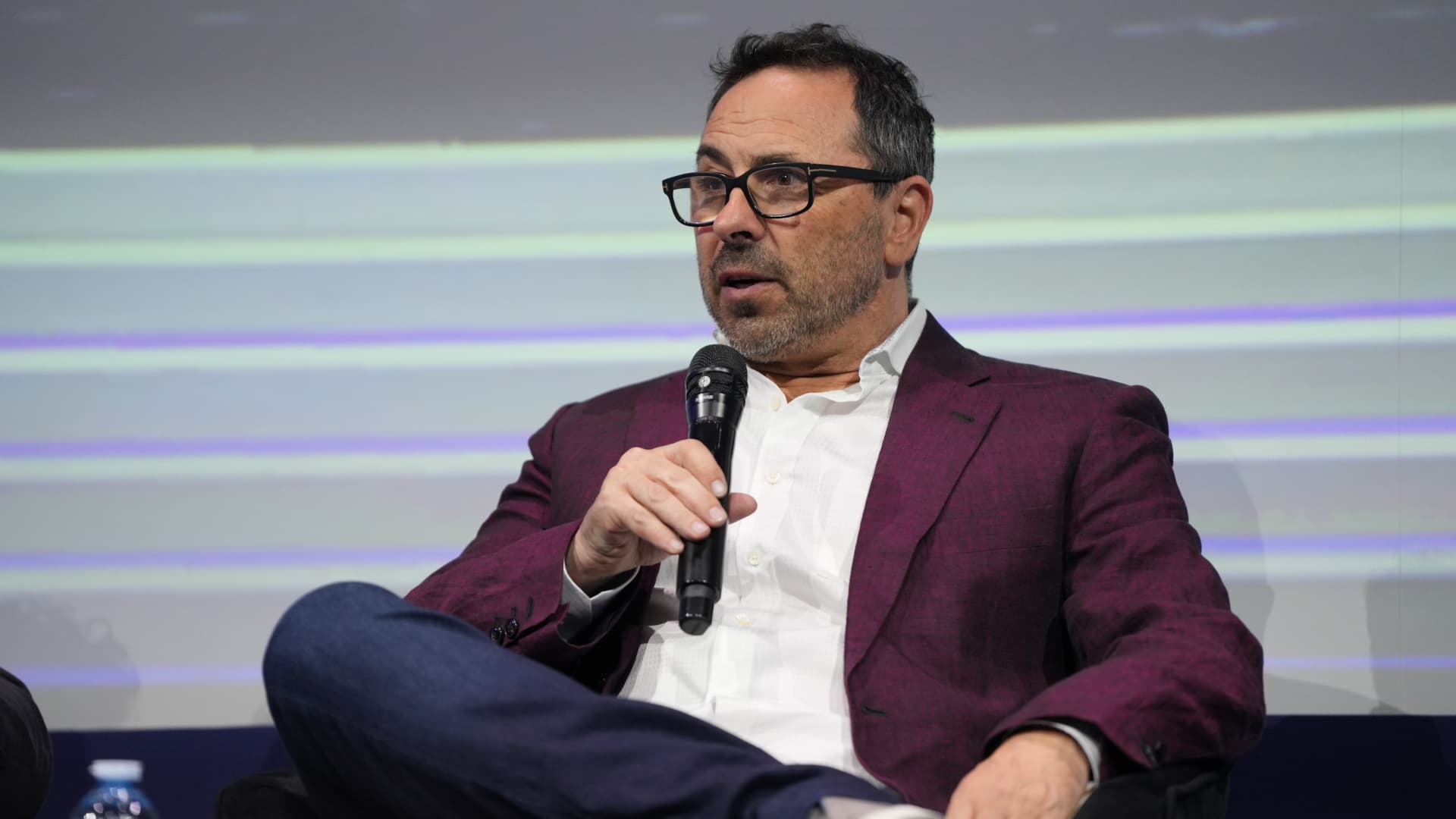
Cerebras Systems IPO Raises $5.55 Billion, Valuing Company at $56.4 Billion


- IPO Pricing Exceeds Expectations: Cerebras Systems priced its IPO at $185 per share, surpassing the expected range, successfully attracting investor interest and positioning the company for further growth in the AI chip market.
- Massive Fundraising: The IPO raised at least $5.55 billion for Cerebras, marking it as one of the largest tech IPOs in recent years, reflecting strong market demand and investor enthusiasm for AI technologies.
- Significant Valuation Increase: At the IPO price, Cerebras is valued at $56.4 billion, with co-founder and CEO Andrew Feldman's stake worth approximately $1.9 billion, highlighting the company's strategic position and future growth potential in the AI sector.
- Reduced Customer Dependency: In its updated prospectus, Cerebras disclosed that revenue from G42 accounted for only 24% last year, indicating a shift towards diversifying its customer base to mitigate reliance on a single client, thereby enhancing its competitive edge in the market.
See More

Cerebras IPO Raises Over $5.55 Billion Amid AI Boom
- IPO Fundraising Scale: Cerebras successfully raised at least $5.55 billion in its initial public offering, marking one of the largest tech IPOs in years, which reflects strong market demand for AI chips and is expected to attract more investor interest in the sector.
- CEO Stake Value: CEO Andrew Feldman holds a stake valued at approximately $1.9 billion at the IPO price of $185 per share, which not only reflects the company's increased market recognition but also provides a strong personal incentive for future growth.
- Reduced Customer Dependency: In its latest prospectus, Cerebras disclosed that revenue from its primary customer G42 accounted for only 24% last year, a significant drop from 85% in 2024, indicating the company's efforts to diversify its revenue streams and reduce reliance on a single client.
- Collaboration with OpenAI: Cerebras signed a deal worth over $20 billion with OpenAI to provide 750 megawatts of computing capacity, which not only enhances Cerebras' market position but also lays a foundation for future revenue growth, showcasing its technological edge in the AI sector.
See More
Rivian Launches R2 Electric SUV Configurator Ahead of Deliveries
- R2 Model Launch: Rivian has unveiled its first mass-market model, the R2, designed to compete directly with the Tesla Model Y, with a base price starting at approximately $45,000, marking a significant step into the mainstream market.
- Configurator Launch: The online configurator for the R2 is now live, allowing users to customize paint colors, interiors, and wheels, which is expected to help convert over 100,000 reservations into actual sales, driving revenue growth.
- Delivery Timeline: Deliveries for the R2 will commence this spring with the Performance variant, followed by the Premium and Standard variants, with Rivian projecting to deliver between 62,000 and 67,000 vehicles in 2026, a substantial increase from 42,247 vehicles delivered in 2025.
- Market Sentiment: Despite RIVN stock falling 8% over the past year, retail sentiment on Stocktwits remains bullish, indicating investor optimism regarding the R2 model and its potential impact on the company's future performance.
See More
Rivian's R2 SUV Set to Drive Massive Growth Potential
- Significant Market Potential: Rivian's R2 SUV is set to begin deliveries in the coming months as the first model priced under $50,000, catering to the majority of American consumers and providing a crucial opportunity for the company to achieve mass production.
- Order-Driven Growth: Uber has placed an order for up to 50,000 Rivian R2 SUVs, totaling $1.25 billion, demonstrating strong confidence in Rivian's potential in the robotaxi market, which could be worth up to $10 trillion in the long term.
- Accelerated Tech Investment: Rivian's management has pushed back profitability timelines to increase investments in AI and autonomous driving technologies, indicating the company's commitment to future tech development and aiming to secure a competitive edge.
- Changing Competitive Landscape: Rivian is poised to become a key supplier in the robotaxi market, potentially attracting acquisition interest from major companies like Uber or Alphabet, thereby gaining greater production capacity and market share in a Tesla-dominated landscape.
See More
U.S. Automakers Cut Over 20,000 Jobs Amid AI Expansion
- Escalating Job Cuts: The Detroit Three automakers have collectively reduced over 20,000 white-collar jobs since recent employment peaks, representing 19% of their total workforce, highlighting significant challenges faced by the industry due to technological changes.
- GM Leads Layoffs: General Motors has cut approximately 11,000 employees from 2022 to 2023, despite having expanded to 58,000 white-collar workers in 2020, reflecting pressures as the company transitions towards software-defined and electric vehicles.
- AI's Profound Impact: Ford's CEO has stated that artificial intelligence could replace half of all white-collar jobs in the U.S., particularly in repetitive roles such as finance and IT, although positions in emerging areas like autonomous vehicles and cybersecurity are still on the rise.
- Hiring Amid Cuts: Despite layoffs, the three automakers are still hiring, particularly in AI-related fields, with GM planning to recruit over 250 AI positions, indicating a demand for new skills as companies navigate their transformation.
See More
Rivian Faces Production Challenges Ahead of R2 Launch
- Production Slowdown: Since its market debut, Rivian has seen a gradual increase in vehicle production, with only 24,337 units produced in 2022 and an expected 57,232 in 2023, as production has slowed due to supply chain constraints and intensified competition, leading to diminished market confidence in its future performance.
- Importance of R2 Model: Rivian aims to deliver 62,000 to 67,000 R2 SUVs by 2026, with analysts projecting a 30% revenue increase for the year, but the successful launch of the R2 is critical; failure to ramp up production could pose a significant threat to its stock price.
- Cost Advantages: The R2 is cheaper to manufacture than the R1 due to fewer electronic control units and an improved battery pack, which is expected to enhance gross margins, with the high-performance variant starting at $57,990 and a base version anticipated to launch in late 2027 at around $45,000.
- Macroeconomic Risks: Despite the R2 being priced lower than the R1, inflation and rising interest rates could suppress consumer demand, necessitating Rivian to closely monitor these macroeconomic challenges to avoid prolonged stock price pressure.
See More
Cerebras Systems IPO Raises $5.55 Billion, Valuing Company at $56.4 Billion
- IPO Pricing Exceeds Expectations: Cerebras Systems priced its IPO at $185 per share, surpassing the expected range, successfully attracting investor interest and positioning the company for further growth in the AI chip market.
- Massive Fundraising: The IPO raised at least $5.55 billion for Cerebras, marking it as one of the largest tech IPOs in recent years, reflecting strong market demand and investor enthusiasm for AI technologies.
- Significant Valuation Increase: At the IPO price, Cerebras is valued at $56.4 billion, with co-founder and CEO Andrew Feldman's stake worth approximately $1.9 billion, highlighting the company's strategic position and future growth potential in the AI sector.
- Reduced Customer Dependency: In its updated prospectus, Cerebras disclosed that revenue from G42 accounted for only 24% last year, indicating a shift towards diversifying its customer base to mitigate reliance on a single client, thereby enhancing its competitive edge in the market.
See More
Cerebras IPO Raises Over $5.55 Billion Amid AI Boom
- IPO Fundraising Scale: Cerebras successfully raised at least $5.55 billion in its initial public offering, marking one of the largest tech IPOs in years, which reflects strong market demand for AI chips and is expected to attract more investor interest in the sector.
- CEO Stake Value: CEO Andrew Feldman holds a stake valued at approximately $1.9 billion at the IPO price of $185 per share, which not only reflects the company's increased market recognition but also provides a strong personal incentive for future growth.
- Reduced Customer Dependency: In its latest prospectus, Cerebras disclosed that revenue from its primary customer G42 accounted for only 24% last year, a significant drop from 85% in 2024, indicating the company's efforts to diversify its revenue streams and reduce reliance on a single client.
- Collaboration with OpenAI: Cerebras signed a deal worth over $20 billion with OpenAI to provide 750 megawatts of computing capacity, which not only enhances Cerebras' market position but also lays a foundation for future revenue growth, showcasing its technological edge in the AI sector.
See More