Reasons Behind the Significant Decline of Nvidia, Broadcom, and Other AI Stocks
Written by Emily J. Thompson, Senior Investment Analyst
Updated: Dec 17 2025
0mins

Should l Buy AMD?
Source: MarketWatch
Concerns Over Debt Financing: Recent fears regarding debt financing for data-center buildouts have negatively impacted the artificial-intelligence sector, particularly with new worries surrounding Oracle.
Broadcom's Stock Performance: Broadcom's stock (AVGO) fell over 5% late in the trading day, marking a total decline of more than 21% over the past five sessions, the worst performance since March 2020.
Trade with 70% Backtested Accuracy
Stop guessing "Should I Buy AMD?" and start using high-conviction signals backed by rigorous historical data.
Sign up today to access powerful investing tools and make smarter, data-driven decisions.
Analyst Views on AMD
Wall Street analysts forecast AMD stock price to rise
33 Analyst Rating
25 Buy
8 Hold
0 Sell
Strong Buy
Current: 205.370

Low
210.00
Averages
289.13
High
377.00
Current: 205.370
Low
210.00
Averages
289.13
High
377.00
About AMD
Advanced Micro Devices, Inc. is a global semiconductor company. The Company is focused on high-performance computing and artificial intelligence (AI). Its segments include Data Center, Client and Gaming, and Embedded. Data Center segment includes AI accelerators, microprocessors (CPUs) for servers, graphics processing units (GPUs), accelerated processing units (APUs), data processing units (DPUs), Field Programmable Gate Arrays (FPGAs), and Adaptive system-on-Chip (SoC) products for data centers. Client and Gaming segment includes CPUs, APUs, chipsets for desktops and notebooks, discrete GPUs, and semi-custom SoC products and development services. Embedded segment includes embedded CPUs, APUs, FPGAs, system on modules (SOMs), and Adaptive SoC products. It markets and sells its products under the AMD trademark. Its products include AMD EPYC, AMD Ryzen, AMD Ryzen PRO, Virtex UltraScale+, among others.
About the author

Emily J. Thompson
Emily J. Thompson, a Chartered Financial Analyst (CFA) with 12 years in investment research, graduated with honors from the Wharton School. Specializing in industrial and technology stocks, she provides in-depth analysis for Intellectia’s earnings and market brief reports.

ON Holding Leadership Shakeup Amid Growth Slowdown


- Leadership Change: ON Holding has appointed co-founders David Allemann and Caspar Coppetti as co-CEOs effective May 1, aiming to address disappointing sales forecasts that led to a stock price drop, with market concerns about whether this founder-led transition can maintain the innovative edge.
- Executive Overhaul: The leadership shakeup extends beyond the CEO role, with a new CFO and COO also set to take over in May as part of a comprehensive operational reset, intended to enhance management efficiency and market competitiveness.
- Premium Market Strategy: The new co-CEOs are focusing on selective high-margin product franchises, aiming to maintain the brand's
See More

Market Update: Oil Prices Slide Amid Tech Stock Performance

- Oil Price Impact: Oil prices have dropped below $90 per barrel due to hopes for a truce between the U.S. and Iran, which could positively influence the stock market, as falling oil prices generally lead to a more favorable outlook for equities despite Iran's denial of ceasefire intentions.
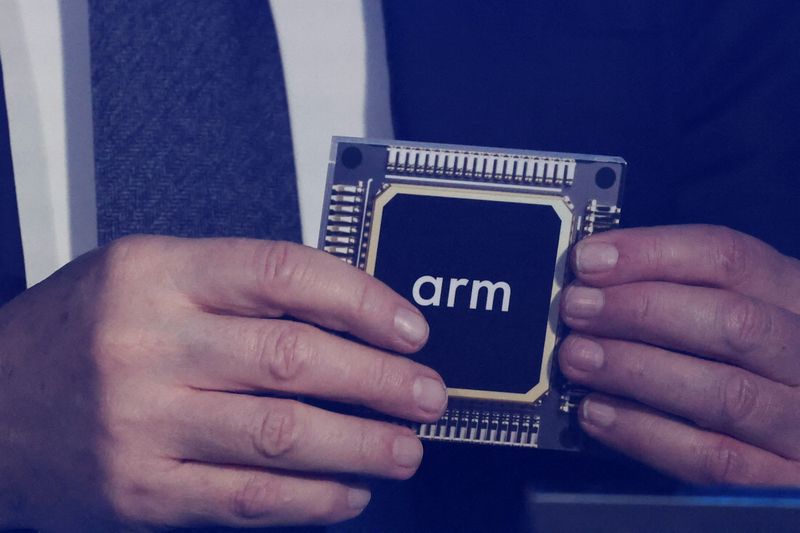
- Surge in Arm Chip Demand: Arm's first in-house designed AGI CPU chip has seen incredible demand, with projections of $15 billion in revenue by 2031, prompting Raymond James to upgrade its stock rating from hold to buy, resulting in a 12% increase in share price, aligning with Nvidia's GPU performance.
- OpenAI Fundraising Milestone: OpenAI has raised an additional $10 billion from investors, bringing its total fundraising in this round to over $120 billion, with significant participation from institutions like Microsoft, indicating strong market confidence in its future growth potential.
- Merck's Strategic Acquisition: Merck is acquiring cancer biotech Terns Pharmaceuticals for $6.7 billion to bolster its oncology portfolio ahead of the 2028 patent expiration of its top-selling drug Keytruda, highlighting Merck's strategic focus on cancer treatment advancements.
See More
Worsening CPU Supply Constraints Impact PC Market


- Supply Shortage Intensifies: The worsening supply constraints from Intel and AMD have led PC and server manufacturers to face extended delivery times, with average wait times now stretching from 1-2 weeks to 8-12 weeks, and in some cases, up to six months, severely disrupting market supply-demand balance.
- Price Increase Trend: Due to the supply shortage, CPU quote prices have risen by 10% to 15%, and both Intel and AMD plan to raise prices for all CPU series in March and April, reflecting sustained market demand and rising costs.
- Market Demand Shift: The growing demand for AI infrastructure has exacerbated the memory chip shortage, forcing PC manufacturers like HP and Dell to pivot towards Arm-based processors in their new designs to cope with the supply shortfalls from Intel and AMD.
- Focus on High-End Products: Intel and AMD are concentrating more resources on producing high-end chips, resulting in a widening supply gap for mid-range X-86 CPUs, a trend expected to continue, potentially impacting product diversity and competitiveness in the overall market.
See More

Intel and AMD Plan CPU Price Increases
- Price Increase Notification: Intel and AMD have informed clients of planned price hikes across their entire CPU product lines starting in March and April, with expected increases ranging from 10% to 15%, and some products seeing even higher hikes, reflecting sustained demand for high-performance processors.
- Supply Constraints Intensify: As supply constraints worsen, delivery lead times have surged from the previous one to two weeks to an average of eight to twelve weeks, with some cases extending to six months, which will put additional pressure on server manufacturers to reassess their production schedules.
- Positive Market Reaction: Following the price hike announcement, Intel's stock rose by 4% and AMD's by 2.5%, indicating investor optimism regarding the future profitability of both companies, especially in the context of supply-demand imbalances.
- Wider Industry Impact: This price increase not only affects Intel and AMD's clients but may also lead to price hikes across the entire semiconductor industry, further intensifying market competition and prompting other chip manufacturers to consider adjusting their pricing strategies in response to market changes.
See More

Meta Reinforces AI Strategy with Hugo Barra's Return

- Executive Return: Hugo Barra's return to Meta to lead Superintelligence Labs signifies a strategic pivot towards AI, aiming to enhance competitiveness against rivals like OpenAI and Google, thereby reinforcing the company's market position.
- Capital Expenditure Plans: Meta plans to invest up to $135 billion in AI infrastructure in 2023, demonstrating a strong commitment to AI technology and future growth, although a clear competitive strategy remains undefined.
- Acquisitions and Partnerships: Meta is diversifying its AI agent technology through a licensing agreement with Dreamer, alongside acquiring social media platform Moltbook and investing $2 billion in Singapore-based Manus, addressing various market needs.
- VR Transition: As Meta shifts focus from VR to AI, a 10% workforce reduction in the Reality Labs division indicates a prioritization of AI glasses and wearable devices, signaling a new direction for technological development.
See More

iShares Semiconductor ETF Averages 30% Returns Over a Decade


- Investment Return Potential: The iShares Semiconductor ETF has averaged a 30% annual return over the past decade, indicating that a $250,000 investment could grow to $1 million in the next ten years, showcasing its strong performance and growth potential in the semiconductor sector.
- Core Holdings Analysis: The ETF's largest holdings include Micron, Nvidia, and Advanced Micro Devices, which are critical suppliers of AI chips and components, with current demand for their products exceeding supply, driving their revenues and stock prices higher.
- Market Demand Drivers: With surging demand for semiconductors from the AI and cloud computing sectors, the iShares Semiconductor ETF has achieved a 12.8% compound annual return since its inception in 2001, with an accelerated annualized return of 30.1% over the last decade, reflecting the urgent need for high-performance chips.
- Future Outlook: Although future returns may slow, Nvidia CEO Jensen Huang predicts that data center operators could spend up to $4 trillion annually on infrastructure by 2030, providing strong support for the continued growth of the iShares ETF.
See More
ON Holding Leadership Shakeup Amid Growth Slowdown
- Leadership Change: ON Holding has appointed co-founders David Allemann and Caspar Coppetti as co-CEOs effective May 1, aiming to address disappointing sales forecasts that led to a stock price drop, with market concerns about whether this founder-led transition can maintain the innovative edge.
- Executive Overhaul: The leadership shakeup extends beyond the CEO role, with a new CFO and COO also set to take over in May as part of a comprehensive operational reset, intended to enhance management efficiency and market competitiveness.
- Premium Market Strategy: The new co-CEOs are focusing on selective high-margin product franchises, aiming to maintain the brand's
See More
Market Update: Oil Prices Slide Amid Tech Stock Performance
- Oil Price Impact: Oil prices have dropped below $90 per barrel due to hopes for a truce between the U.S. and Iran, which could positively influence the stock market, as falling oil prices generally lead to a more favorable outlook for equities despite Iran's denial of ceasefire intentions.
- Surge in Arm Chip Demand: Arm's first in-house designed AGI CPU chip has seen incredible demand, with projections of $15 billion in revenue by 2031, prompting Raymond James to upgrade its stock rating from hold to buy, resulting in a 12% increase in share price, aligning with Nvidia's GPU performance.
- OpenAI Fundraising Milestone: OpenAI has raised an additional $10 billion from investors, bringing its total fundraising in this round to over $120 billion, with significant participation from institutions like Microsoft, indicating strong market confidence in its future growth potential.
- Merck's Strategic Acquisition: Merck is acquiring cancer biotech Terns Pharmaceuticals for $6.7 billion to bolster its oncology portfolio ahead of the 2028 patent expiration of its top-selling drug Keytruda, highlighting Merck's strategic focus on cancer treatment advancements.
See More
Worsening CPU Supply Constraints Impact PC Market
- Supply Shortage Intensifies: The worsening supply constraints from Intel and AMD have led PC and server manufacturers to face extended delivery times, with average wait times now stretching from 1-2 weeks to 8-12 weeks, and in some cases, up to six months, severely disrupting market supply-demand balance.
- Price Increase Trend: Due to the supply shortage, CPU quote prices have risen by 10% to 15%, and both Intel and AMD plan to raise prices for all CPU series in March and April, reflecting sustained market demand and rising costs.
- Market Demand Shift: The growing demand for AI infrastructure has exacerbated the memory chip shortage, forcing PC manufacturers like HP and Dell to pivot towards Arm-based processors in their new designs to cope with the supply shortfalls from Intel and AMD.
- Focus on High-End Products: Intel and AMD are concentrating more resources on producing high-end chips, resulting in a widening supply gap for mid-range X-86 CPUs, a trend expected to continue, potentially impacting product diversity and competitiveness in the overall market.
See More
Intel and AMD Plan CPU Price Increases
- Price Increase Notification: Intel and AMD have informed clients of planned price hikes across their entire CPU product lines starting in March and April, with expected increases ranging from 10% to 15%, and some products seeing even higher hikes, reflecting sustained demand for high-performance processors.
- Supply Constraints Intensify: As supply constraints worsen, delivery lead times have surged from the previous one to two weeks to an average of eight to twelve weeks, with some cases extending to six months, which will put additional pressure on server manufacturers to reassess their production schedules.
- Positive Market Reaction: Following the price hike announcement, Intel's stock rose by 4% and AMD's by 2.5%, indicating investor optimism regarding the future profitability of both companies, especially in the context of supply-demand imbalances.
- Wider Industry Impact: This price increase not only affects Intel and AMD's clients but may also lead to price hikes across the entire semiconductor industry, further intensifying market competition and prompting other chip manufacturers to consider adjusting their pricing strategies in response to market changes.
See More
Meta Reinforces AI Strategy with Hugo Barra's Return
- Executive Return: Hugo Barra's return to Meta to lead Superintelligence Labs signifies a strategic pivot towards AI, aiming to enhance competitiveness against rivals like OpenAI and Google, thereby reinforcing the company's market position.
- Capital Expenditure Plans: Meta plans to invest up to $135 billion in AI infrastructure in 2023, demonstrating a strong commitment to AI technology and future growth, although a clear competitive strategy remains undefined.
- Acquisitions and Partnerships: Meta is diversifying its AI agent technology through a licensing agreement with Dreamer, alongside acquiring social media platform Moltbook and investing $2 billion in Singapore-based Manus, addressing various market needs.
- VR Transition: As Meta shifts focus from VR to AI, a 10% workforce reduction in the Reality Labs division indicates a prioritization of AI glasses and wearable devices, signaling a new direction for technological development.
See More
iShares Semiconductor ETF Averages 30% Returns Over a Decade
- Investment Return Potential: The iShares Semiconductor ETF has averaged a 30% annual return over the past decade, indicating that a $250,000 investment could grow to $1 million in the next ten years, showcasing its strong performance and growth potential in the semiconductor sector.
- Core Holdings Analysis: The ETF's largest holdings include Micron, Nvidia, and Advanced Micro Devices, which are critical suppliers of AI chips and components, with current demand for their products exceeding supply, driving their revenues and stock prices higher.
- Market Demand Drivers: With surging demand for semiconductors from the AI and cloud computing sectors, the iShares Semiconductor ETF has achieved a 12.8% compound annual return since its inception in 2001, with an accelerated annualized return of 30.1% over the last decade, reflecting the urgent need for high-performance chips.
- Future Outlook: Although future returns may slow, Nvidia CEO Jensen Huang predicts that data center operators could spend up to $4 trillion annually on infrastructure by 2030, providing strong support for the continued growth of the iShares ETF.
See More