Reasons Behind Buffett's Hold on American Express
Written by Emily J. Thompson, Senior Investment Analyst
Updated: 2 days ago
0mins

Source: Fool
- Portfolio Concentration: Under CEO Greg Abel's leadership, Berkshire Hathaway has streamlined its $330 billion equity portfolio from 42 to 29 high-conviction stocks, demonstrating a strong commitment to quality assets that is expected to enhance investment returns.
- Divestiture of Smaller Holdings: Abel sold off several smaller positions, including Visa and Mastercard, with Visa accounting for 1% of the total portfolio, indicating decisive action in optimizing the investment strategy, which may strengthen overall financial health.
- American Express Competitive Edge: American Express has successfully withstood economic pressures with its unique membership model and affluent customer focus, achieving an 18% year-over-year increase in fee revenue, which accounted for 14% of total revenue, showcasing the resilience and appeal of its business model.
- Outperformance Against Peers: Over the past five years of macroeconomic volatility, American Express has outperformed both Visa and Mastercard by more than double, reflecting its durable competitive advantage and solidifying its value as a reliable investment.
Trade with 70% Backtested Accuracy
Stop guessing "Should I Buy AXP?" and start using high-conviction signals backed by rigorous historical data.
Sign up today to access powerful investing tools and make smarter, data-driven decisions.
Analyst Views on AXP
Wall Street analysts forecast AXP stock price to rise
21 Analyst Rating
8 Buy
12 Hold
1 Sell
Moderate Buy
Current: 313.540

Low
280.00
Averages
379.06
High
425.00
Current: 313.540
Low
280.00
Averages
379.06
High
425.00
About AXP
American Express Company is a global payments and premium lifestyle brand powered by technology. Its card-issuing, merchant-acquiring and card network businesses offer products and services to a broad range of customers, including consumers, small businesses, mid-sized companies and large corporations around the world. Its range of products and services includes credit and charge cards and complementary products and services, including travel, dining, lifestyle and expense management products and services; banking and other payment and financing products and services, including deposits and non-card lending; merchant acquisition and processing, servicing and settlement, fraud prevention, and point-of-sale marketing and information products and services, and network services. These products and services are offered through various channels, including mobile and online applications, affiliate marketing, customer referral programs, third-party service providers, and business partners.
About the author

Emily J. Thompson
Emily J. Thompson, a Chartered Financial Analyst (CFA) with 12 years in investment research, graduated with honors from the Wharton School. Specializing in industrial and technology stocks, she provides in-depth analysis for Intellectia’s earnings and market brief reports.

American Express Attracts Young Consumers

- Young Consumer Trend: Millennials and Gen Z have become the largest consumer group for American Express, driving a projected 14% annual earnings growth over the next few years, highlighting the company's strong appeal in the younger market.
- Credit Card Market Position: American Express's credit card debt among U.S. households has reached a historic high of $1.25 trillion, indicating its significance in the U.S. economy and reflecting young consumers' preference for premium credit cards.
- Product Appeal: The Gold and Platinum cards from American Express, despite their high annual fees, offer lifestyle spending perks that attract younger consumers, further solidifying the company's position in the high-end market.
- Risks and Opportunities: While facing customer default risks, American Express's younger borrowers have an average credit score of 750 and lower default rates, showcasing its advantage among high-credit customers and the potential for continued growth.
See More

American Express Captures Young Consumers' Spending Power
- Young Consumer Trend: American Express's credit card borrowing is a cornerstone of the U.S. economy, with household credit card debt reaching $1.25 trillion, indicating a rising spending power among younger consumers, particularly Millennials and Gen Z.
- Product Appeal: American Express's premium cards, such as Gold and Platinum, charge high annual fees but offer various lifestyle perks, successfully attracting younger customers who have become a significant source of new clientele.
- Optimistic Growth Outlook: Analysts project a robust 14% annualized earnings growth rate for American Express over the next three to five years, making its current 18 times 2026 earnings multiple quite attractive, despite the risk of customer defaults.
- Brand Advantage: As a premium credit card brand, American Express attracts customers with higher credit scores, with younger borrowers averaging a score of 750 and lower default rates, establishing a solid foundation for long-term growth.
See More
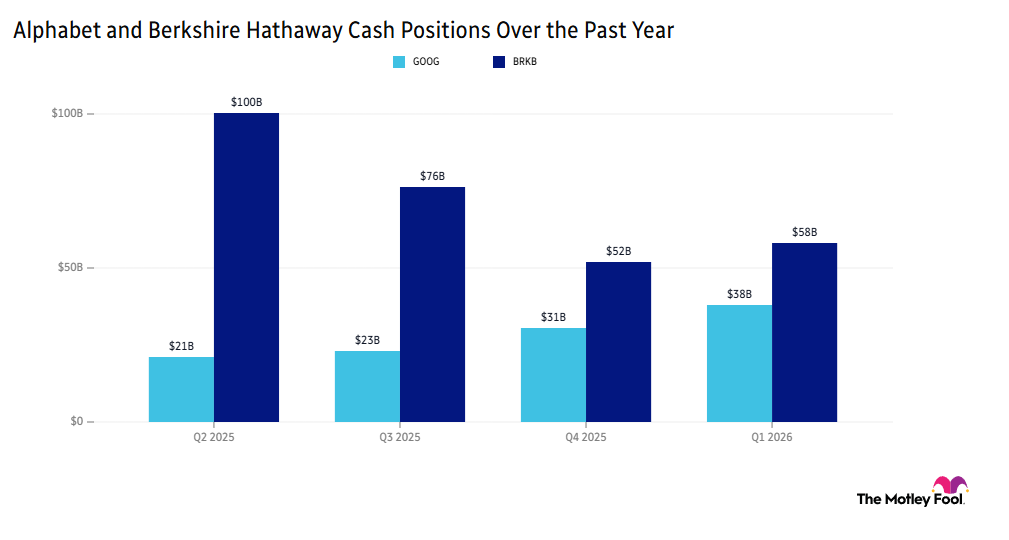
Alphabet's $80 Billion AI Investment Plan

- Historic Stock Sale: Alphabet confirmed it will sell $80 billion in stock, including a $10 billion stake to Berkshire Hathaway, to raise capital for AI compute infrastructure to meet unprecedented customer demand, although its stock fell about 2.5% ahead of the opening bell.
- Berkshire's Increased Stake: Berkshire's current holding in Alphabet is valued at around $20 billion, and this additional $10 billion investment is likely to make it the third-largest portfolio holding, behind Apple and American Express, reflecting confidence in Alphabet's growth potential.
- Strong HPE Performance: Hewlett Packard Enterprise's quarterly results exceeded expectations, with cloud and AI revenue driving its stock up over 25% in pre-market trading, and management now expects revenue growth of 29%-33% for the full year, indicating robust market demand.
- Space Stock Volatility: Ahead of the SpaceX IPO, space-related stocks like Rocket Lab and Redwire fell 14.7% and 15.83% respectively, as investors opted to reduce exposure due to concerns over short-term volatility, despite Rocket Lab outperforming the S&P 500 by 204% since July 2025.
See More

Middle East Conflict Drives Up Energy Prices


- Energy Price Impact: The geopolitical conflict in the Middle East has driven up global energy prices, with gas prices hitting consumers quickly, while the broader cost impact is beginning to show through as inflation rises, affecting the overall economy.
- Fed's Inflation Focus: The Federal Reserve highlighted inflation as a primary concern during its last meeting, indicating potential rate hikes to slow economic growth, which could directly impact financial companies that rely on interest rates.
- JPMorgan's Advantage: JPMorgan Chase's consumer and banking business held nearly $1.1 trillion in deposits at the end of Q1 2026, and as rates rise, its loan income will increase while the rates paid to depositors may not rise proportionately, enhancing profitability.
- American Express Resilience: American Express primarily issues credit cards to high-net-worth customers, who tend to maintain spending even in economic downturns, and while slowing economic growth may affect overall transaction volume, its affluent customer base is likely to sustain strong performance.
See More

How Financial Companies Adapt to Rate Hikes
- Rate Impact Analysis: JPMorgan Chase held nearly $1.1 trillion in deposits at the end of Q1 2026, and as the Federal Reserve raises rates, the bank's loan income is expected to increase while the rates paid to depositors may not rise proportionately, thereby enhancing profitability.
- Customer Base Advantage: American Express primarily serves high-net-worth clients who tend to maintain spending even during economic downturns, allowing the company to sustain stable transaction volumes and fee income, demonstrating resilience in its business model.
- Insurance Investment Income: Progressive generated over $900 million in investment income in Q1 2026, and with rising interest rates, the company can earn more interest on its float without taking on additional investment risk, further strengthening its financial stability.
- Market Expectations and Investment Strategy: While it is commonly perceived that rate hikes negatively impact the financial sector, companies like JPMorgan and Progressive may actually benefit, prompting investors to consider adding these resilient financial firms to their portfolios to navigate future economic fluctuations.
See More

Reasons Behind Buffett's Hold on American Express

- Portfolio Concentration: Under CEO Greg Abel's leadership, Berkshire Hathaway has streamlined its $330 billion equity portfolio from 42 to 29 high-conviction stocks, demonstrating a strong commitment to quality assets that is expected to enhance investment returns.
- Divestiture of Smaller Holdings: Abel sold off several smaller positions, including Visa and Mastercard, with Visa accounting for 1% of the total portfolio, indicating decisive action in optimizing the investment strategy, which may strengthen overall financial health.
- American Express Competitive Edge: American Express has successfully withstood economic pressures with its unique membership model and affluent customer focus, achieving an 18% year-over-year increase in fee revenue, which accounted for 14% of total revenue, showcasing the resilience and appeal of its business model.
- Outperformance Against Peers: Over the past five years of macroeconomic volatility, American Express has outperformed both Visa and Mastercard by more than double, reflecting its durable competitive advantage and solidifying its value as a reliable investment.
See More
American Express Attracts Young Consumers
- Young Consumer Trend: Millennials and Gen Z have become the largest consumer group for American Express, driving a projected 14% annual earnings growth over the next few years, highlighting the company's strong appeal in the younger market.
- Credit Card Market Position: American Express's credit card debt among U.S. households has reached a historic high of $1.25 trillion, indicating its significance in the U.S. economy and reflecting young consumers' preference for premium credit cards.
- Product Appeal: The Gold and Platinum cards from American Express, despite their high annual fees, offer lifestyle spending perks that attract younger consumers, further solidifying the company's position in the high-end market.
- Risks and Opportunities: While facing customer default risks, American Express's younger borrowers have an average credit score of 750 and lower default rates, showcasing its advantage among high-credit customers and the potential for continued growth.
See More
American Express Captures Young Consumers' Spending Power
- Young Consumer Trend: American Express's credit card borrowing is a cornerstone of the U.S. economy, with household credit card debt reaching $1.25 trillion, indicating a rising spending power among younger consumers, particularly Millennials and Gen Z.
- Product Appeal: American Express's premium cards, such as Gold and Platinum, charge high annual fees but offer various lifestyle perks, successfully attracting younger customers who have become a significant source of new clientele.
- Optimistic Growth Outlook: Analysts project a robust 14% annualized earnings growth rate for American Express over the next three to five years, making its current 18 times 2026 earnings multiple quite attractive, despite the risk of customer defaults.
- Brand Advantage: As a premium credit card brand, American Express attracts customers with higher credit scores, with younger borrowers averaging a score of 750 and lower default rates, establishing a solid foundation for long-term growth.
See More
Alphabet's $80 Billion AI Investment Plan
- Historic Stock Sale: Alphabet confirmed it will sell $80 billion in stock, including a $10 billion stake to Berkshire Hathaway, to raise capital for AI compute infrastructure to meet unprecedented customer demand, although its stock fell about 2.5% ahead of the opening bell.
- Berkshire's Increased Stake: Berkshire's current holding in Alphabet is valued at around $20 billion, and this additional $10 billion investment is likely to make it the third-largest portfolio holding, behind Apple and American Express, reflecting confidence in Alphabet's growth potential.
- Strong HPE Performance: Hewlett Packard Enterprise's quarterly results exceeded expectations, with cloud and AI revenue driving its stock up over 25% in pre-market trading, and management now expects revenue growth of 29%-33% for the full year, indicating robust market demand.
- Space Stock Volatility: Ahead of the SpaceX IPO, space-related stocks like Rocket Lab and Redwire fell 14.7% and 15.83% respectively, as investors opted to reduce exposure due to concerns over short-term volatility, despite Rocket Lab outperforming the S&P 500 by 204% since July 2025.
See More
Middle East Conflict Drives Up Energy Prices
- Energy Price Impact: The geopolitical conflict in the Middle East has driven up global energy prices, with gas prices hitting consumers quickly, while the broader cost impact is beginning to show through as inflation rises, affecting the overall economy.
- Fed's Inflation Focus: The Federal Reserve highlighted inflation as a primary concern during its last meeting, indicating potential rate hikes to slow economic growth, which could directly impact financial companies that rely on interest rates.
- JPMorgan's Advantage: JPMorgan Chase's consumer and banking business held nearly $1.1 trillion in deposits at the end of Q1 2026, and as rates rise, its loan income will increase while the rates paid to depositors may not rise proportionately, enhancing profitability.
- American Express Resilience: American Express primarily issues credit cards to high-net-worth customers, who tend to maintain spending even in economic downturns, and while slowing economic growth may affect overall transaction volume, its affluent customer base is likely to sustain strong performance.
See More
How Financial Companies Adapt to Rate Hikes
- Rate Impact Analysis: JPMorgan Chase held nearly $1.1 trillion in deposits at the end of Q1 2026, and as the Federal Reserve raises rates, the bank's loan income is expected to increase while the rates paid to depositors may not rise proportionately, thereby enhancing profitability.
- Customer Base Advantage: American Express primarily serves high-net-worth clients who tend to maintain spending even during economic downturns, allowing the company to sustain stable transaction volumes and fee income, demonstrating resilience in its business model.
- Insurance Investment Income: Progressive generated over $900 million in investment income in Q1 2026, and with rising interest rates, the company can earn more interest on its float without taking on additional investment risk, further strengthening its financial stability.
- Market Expectations and Investment Strategy: While it is commonly perceived that rate hikes negatively impact the financial sector, companies like JPMorgan and Progressive may actually benefit, prompting investors to consider adding these resilient financial firms to their portfolios to navigate future economic fluctuations.
See More
Reasons Behind Buffett's Hold on American Express
- Portfolio Concentration: Under CEO Greg Abel's leadership, Berkshire Hathaway has streamlined its $330 billion equity portfolio from 42 to 29 high-conviction stocks, demonstrating a strong commitment to quality assets that is expected to enhance investment returns.
- Divestiture of Smaller Holdings: Abel sold off several smaller positions, including Visa and Mastercard, with Visa accounting for 1% of the total portfolio, indicating decisive action in optimizing the investment strategy, which may strengthen overall financial health.
- American Express Competitive Edge: American Express has successfully withstood economic pressures with its unique membership model and affluent customer focus, achieving an 18% year-over-year increase in fee revenue, which accounted for 14% of total revenue, showcasing the resilience and appeal of its business model.
- Outperformance Against Peers: Over the past five years of macroeconomic volatility, American Express has outperformed both Visa and Mastercard by more than double, reflecting its durable competitive advantage and solidifying its value as a reliable investment.
See More