Rate Cut Buzz Grows: Are These ETFs Gearing Up For A Fed Pivot?
Written by Emily J. Thompson, Senior Investment Analyst
Updated: Aug 07 2025
0mins

Source: Benzinga
Market Shift to Defensive Sectors: As the U.S. labor market shows signs of weakness and discussions about rate cuts increase, investors are moving towards stable sectors like consumer staples, utilities, and real estate, with ETFs in these areas gaining popularity.
Fed's Cautious Stance on Rate Cuts: Recent comments from Fed officials highlight concerns over slowing job growth and inflation trends, suggesting that while core inflation is cooling, a policy shift may occur if economic conditions worsen, potentially benefiting defensive sector ETFs.
Trade with 70% Backtested Accuracy
Stop guessing "Should I Buy DUK?" and start using high-conviction signals backed by rigorous historical data.
Sign up today to access powerful investing tools and make smarter, data-driven decisions.
Analyst Views on DUK
Wall Street analysts forecast DUK stock price to rise
11 Analyst Rating
5 Buy
6 Hold
0 Sell
Moderate Buy
Current: 129.600

Low
115.00
Averages
132.09
High
146.00
Current: 129.600
Low
115.00
Averages
132.09
High
146.00
About DUK
Duke Energy Corporation is an energy-holding company. The Company's segments include Electric Utilities and Infrastructure (EU&I) and Gas Utilities and Infrastructure (GU&I). EU&I segment conducts operations primarily through the regulated public utilities of Duke Energy Carolinas, Duke Energy Progress, Duke Energy Florida, Duke Energy Indiana and Duke Energy Ohio. EU&I provides retail electric service through the generation, transmission, distribution and sale of electricity to approximately 8.7 million customers within the Southeast and Midwest regions of the U.S. GU&I segment conducts natural gas operations primarily through the regulated public utilities of Piedmont, Duke Energy Ohio and Duke Energy Kentucky. GU&I serves residential, commercial, industrial and power generation natural gas customers, including customers served by municipalities who are wholesale customers. It also purchases a diverse portfolio of transportation and storage services from interstate pipelines.
About the author

Emily J. Thompson
Emily J. Thompson, a Chartered Financial Analyst (CFA) with 12 years in investment research, graduated with honors from the Wharton School. Specializing in industrial and technology stocks, she provides in-depth analysis for Intellectia’s earnings and market brief reports.
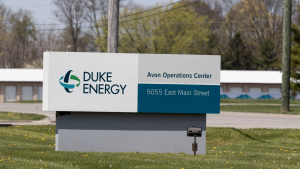
Duke Energy Terminates Offshore Wind Lease in $129M Settlement

- Lease Termination Agreement: The U.S. Interior Department has reached a settlement with Duke Energy, which will voluntarily terminate its offshore wind lease in the Carolina Long Bay Area valued at $129 million, effectively ending any prospects for offshore turbine installation in North Carolina in the near term.
- Reinvestment Strategy: Under the agreement, Duke Energy will reinvest nearly $129 million into additional generating capacity, which may include advancing new nuclear and natural gas generation projects, as well as grid enhancements to improve reliability and support ongoing growth in the Carolinas.
- Development Pause Context: Duke Energy acquired the lease in 2022, claiming the area could support up to 1.6 GW of wind energy, sufficient to power 375,000 homes by 2032, but announced a development pause in 2025 to reassess costs and conditions.
- Market Impact Analysis: The settlement not only halts potential offshore wind development but may also influence Duke Energy's strategic positioning in the renewable energy sector, particularly as it faces increasing energy demand and cost control pressures.
See More

Duke Energy Launches AI Bill Insights Feature for Customers
- AI Bill Insights Feature: Duke Energy has launched an AI-powered Bill Insights feature in its mobile app, providing personalized breakdowns of energy costs, which is expected to enhance customer satisfaction and reduce inquiries about bills.
- Increased Summer Energy Use: Cooling degree days have been reported to be 12% to 18% above the 1991-2020 normals, indicating that air conditioning systems are running longer during summer, leading to increased energy consumption and higher bills for customers.
- Humidity Impact: Average dew points in the Carolinas rise by about 25 degrees in summer, pushing air conditioning systems to operate at full capacity, with moisture removal potentially consuming over 30% of an AC unit's capacity, exacerbating energy usage.
- Customer Management Tips: Duke Energy encourages customers to utilize the Bill Insights feature and offers practical energy-saving tips to help manage summer energy use effectively, aiming to lower electricity costs while improving awareness and satisfaction with the company's services.
See More

Oklo Stock Declines for Third Day as Investor Confidence Wanes

- Stock Decline: Oklo's stock fell 5% on Wednesday to $54.51, marking a third consecutive day of losses, indicating a waning investor confidence in small modular reactors, which could adversely affect the company's market performance and funding capabilities.
- Government Support Shift: The U.S. Department of Energy announced $17.5 billion in loans to support the construction of Westinghouse AP1000 large nuclear reactors, which can generate over 1,100 megawatts, significantly overshadowing Oklo's 75 megawatts, highlighting a potential challenge for Oklo as funding and policy favor larger reactors.
- Increased Market Competition: While utilities like Duke Energy and Dominion remain interested in a mix of both small and large reactors, the shift in funding suggests that large reactors may receive more support, potentially weakening Oklo's competitive position in the market.
- Delayed Profit Expectations: Wall Street analysts predict that Oklo will not see profits until 2030, and the recent changes in funding direction may imply that investors could face an even longer wait for returns, leading to a more pessimistic outlook on Oklo's long-term prospects.
See More

U.S. Department of Energy Offers $17.5 Billion Loans for Large Nuclear Reactors
- Loan Support for Large Nuclear: The U.S. Department of Energy has announced $17.5 billion in loans to assist utilities in constructing Westinghouse AP1000 large nuclear reactors, each capable of generating over 1,100 megawatts, indicating strong governmental backing for large-scale nuclear projects.
- Setback for Small Reactors: In contrast, Oklo's small modular reactors produce only 75 megawatts, leading to a 5% drop in its stock on Wednesday as investors express doubts about the popularity of small nuclear reactors, reflecting a waning confidence in the small nuclear energy sector.
- Shifting Market Trends: While utilities like Duke Energy and Dominion show interest in both large and small reactors, the funding is clearly favoring large reactors, which may impact Oklo's future financing and project development opportunities.
- Delayed Profit Expectations: Wall Street analysts project that Oklo will not achieve profitability until 2030, and with increased funding for large nuclear projects, investors may face an even longer wait to see Oklo's financial viability, exacerbating market concerns about its future prospects.
See More
Duke Energy Foundation Funds Historical Preservation Projects
- Funding Amount: Duke Energy Foundation is providing over $260,000 in grants to 14 organizations in South Carolina, emphasizing the importance of local history preservation and civic learning initiatives.
- Project Background: This funding is part of the America250 initiative, completing a total investment of $550,000 in South Carolina, aimed at enhancing historical education and community engagement through community-driven projects.
- Community Impact: Tim Pearson, Duke Energy South Carolina president, highlighted that history is local and personal, and this funding will help communities share and reflect on their histories, fostering connections and a sense of identity among residents.
- Broader Investment: This funding round marks the completion of over $1 million in investments across six states, aiming to revitalize local history in more accessible ways and promote sustainable community development.
See More

Duke Energy Foundation Funds Historical Projects for America250 Initiative
- Total Funding: Duke Energy Foundation has awarded over $260,000 in grants to 14 nonprofits in South Carolina, completing a $550,000 investment under the America250 initiative aimed at preserving local history and expanding civic learning through community-driven projects.
- Beneficiary Organizations: The funding will support various organizations, including the South Carolina American Revolution Trust and the International African American Museum, which will help educate and share history at both statewide and local levels, thereby enhancing community engagement with historical narratives.
- Community Impact: Tim Pearson, Duke Energy South Carolina president, emphasized that supporting local history projects not only aids in celebrating the nation’s 250th anniversary but also fosters learning, reflection, and connection among community members, thereby strengthening social cohesion.
- Long-term Strategy: This funding marks the final round of the Foundation's over $1 million investment across six states, aimed at revitalizing local history in new, accessible ways, further reinforcing Duke Energy's commitment to social responsibility and community engagement.
See More
Duke Energy Terminates Offshore Wind Lease in $129M Settlement
- Lease Termination Agreement: The U.S. Interior Department has reached a settlement with Duke Energy, which will voluntarily terminate its offshore wind lease in the Carolina Long Bay Area valued at $129 million, effectively ending any prospects for offshore turbine installation in North Carolina in the near term.
- Reinvestment Strategy: Under the agreement, Duke Energy will reinvest nearly $129 million into additional generating capacity, which may include advancing new nuclear and natural gas generation projects, as well as grid enhancements to improve reliability and support ongoing growth in the Carolinas.
- Development Pause Context: Duke Energy acquired the lease in 2022, claiming the area could support up to 1.6 GW of wind energy, sufficient to power 375,000 homes by 2032, but announced a development pause in 2025 to reassess costs and conditions.
- Market Impact Analysis: The settlement not only halts potential offshore wind development but may also influence Duke Energy's strategic positioning in the renewable energy sector, particularly as it faces increasing energy demand and cost control pressures.
See More
Duke Energy Launches AI Bill Insights Feature for Customers
- AI Bill Insights Feature: Duke Energy has launched an AI-powered Bill Insights feature in its mobile app, providing personalized breakdowns of energy costs, which is expected to enhance customer satisfaction and reduce inquiries about bills.
- Increased Summer Energy Use: Cooling degree days have been reported to be 12% to 18% above the 1991-2020 normals, indicating that air conditioning systems are running longer during summer, leading to increased energy consumption and higher bills for customers.
- Humidity Impact: Average dew points in the Carolinas rise by about 25 degrees in summer, pushing air conditioning systems to operate at full capacity, with moisture removal potentially consuming over 30% of an AC unit's capacity, exacerbating energy usage.
- Customer Management Tips: Duke Energy encourages customers to utilize the Bill Insights feature and offers practical energy-saving tips to help manage summer energy use effectively, aiming to lower electricity costs while improving awareness and satisfaction with the company's services.
See More
Oklo Stock Declines for Third Day as Investor Confidence Wanes
- Stock Decline: Oklo's stock fell 5% on Wednesday to $54.51, marking a third consecutive day of losses, indicating a waning investor confidence in small modular reactors, which could adversely affect the company's market performance and funding capabilities.
- Government Support Shift: The U.S. Department of Energy announced $17.5 billion in loans to support the construction of Westinghouse AP1000 large nuclear reactors, which can generate over 1,100 megawatts, significantly overshadowing Oklo's 75 megawatts, highlighting a potential challenge for Oklo as funding and policy favor larger reactors.
- Increased Market Competition: While utilities like Duke Energy and Dominion remain interested in a mix of both small and large reactors, the shift in funding suggests that large reactors may receive more support, potentially weakening Oklo's competitive position in the market.
- Delayed Profit Expectations: Wall Street analysts predict that Oklo will not see profits until 2030, and the recent changes in funding direction may imply that investors could face an even longer wait for returns, leading to a more pessimistic outlook on Oklo's long-term prospects.
See More
U.S. Department of Energy Offers $17.5 Billion Loans for Large Nuclear Reactors
- Loan Support for Large Nuclear: The U.S. Department of Energy has announced $17.5 billion in loans to assist utilities in constructing Westinghouse AP1000 large nuclear reactors, each capable of generating over 1,100 megawatts, indicating strong governmental backing for large-scale nuclear projects.
- Setback for Small Reactors: In contrast, Oklo's small modular reactors produce only 75 megawatts, leading to a 5% drop in its stock on Wednesday as investors express doubts about the popularity of small nuclear reactors, reflecting a waning confidence in the small nuclear energy sector.
- Shifting Market Trends: While utilities like Duke Energy and Dominion show interest in both large and small reactors, the funding is clearly favoring large reactors, which may impact Oklo's future financing and project development opportunities.
- Delayed Profit Expectations: Wall Street analysts project that Oklo will not achieve profitability until 2030, and with increased funding for large nuclear projects, investors may face an even longer wait to see Oklo's financial viability, exacerbating market concerns about its future prospects.
See More
Duke Energy Foundation Funds Historical Preservation Projects
- Funding Amount: Duke Energy Foundation is providing over $260,000 in grants to 14 organizations in South Carolina, emphasizing the importance of local history preservation and civic learning initiatives.
- Project Background: This funding is part of the America250 initiative, completing a total investment of $550,000 in South Carolina, aimed at enhancing historical education and community engagement through community-driven projects.
- Community Impact: Tim Pearson, Duke Energy South Carolina president, highlighted that history is local and personal, and this funding will help communities share and reflect on their histories, fostering connections and a sense of identity among residents.
- Broader Investment: This funding round marks the completion of over $1 million in investments across six states, aiming to revitalize local history in more accessible ways and promote sustainable community development.
See More
Duke Energy Foundation Funds Historical Projects for America250 Initiative
- Total Funding: Duke Energy Foundation has awarded over $260,000 in grants to 14 nonprofits in South Carolina, completing a $550,000 investment under the America250 initiative aimed at preserving local history and expanding civic learning through community-driven projects.
- Beneficiary Organizations: The funding will support various organizations, including the South Carolina American Revolution Trust and the International African American Museum, which will help educate and share history at both statewide and local levels, thereby enhancing community engagement with historical narratives.
- Community Impact: Tim Pearson, Duke Energy South Carolina president, emphasized that supporting local history projects not only aids in celebrating the nation’s 250th anniversary but also fosters learning, reflection, and connection among community members, thereby strengthening social cohesion.
- Long-term Strategy: This funding marks the final round of the Foundation's over $1 million investment across six states, aimed at revitalizing local history in new, accessible ways, further reinforcing Duke Energy's commitment to social responsibility and community engagement.
See More