Pottery Barn Teen Collaborates with Billabong on New Collection
Pottery Barn Teen announced a new collaboration with Billabong. The company said, "The new Billabong for Pottery Barn Teen collection blends Billabong's laid-back, surf-inspired aesthetic with Pottery Barn Teen's signature focus on quality, function, and design for a collection that brings coastal style to teen and dorm spaces. Inspired by vintage surf graphics, ocean landscapes, and sun-washed color palettes, the collection features soft textiles, functional storage, and versatile decor designed for both style and practicality. Several pieces in the collection are crafted with sustainably sourced materials, aligning with Pottery Barn Teen's ongoing commitment to responsible design. The new Billabong for Pottery Barn Teen collection includes bedding inspired by rolling waves and tropical florals, durable water-resistant backpacks and lunch bags, decorative accessories including a surfboard holder, lighting, wall hooks, desk mats, no-nail pinboards, a laundry backpack, a shower caddy, and a storage cart, as well as ultra-soft beach towels with UPF 50+ sun protection."
Trade with 70% Backtested Accuracy
Analyst Views on WSM

About WSM
About the author


GameStop's $56B eBay Bid Rejected as Unviable


- Acquisition Proposal Rejected: eBay has officially rejected GameStop's unsolicited $56 billion acquisition bid, labeling it as 'neither credible nor attractive,' with concerns over a significant funding gap and high debt load, which could undermine GameStop's market confidence.
- Financing Challenges Emerge: Despite CEO Ryan Cohen's commitment to provide $20 billion in financing, analysts warn that GameStop's $10 billion market cap makes acquiring a $48 billion giant nearly impossible without extreme equity dilution, highlighting the fragility of its financing capabilities.
- Market Reaction Tepid: Following eBay's rejection, GameStop's stock fell 2.37% in pre-market trading, indicating investor concerns about its acquisition ability, which may impact its future stock performance and market positioning.
- Unclear Strategic Direction: eBay's board reiterated its focus on luxury goods and trading cards, believing this will yield superior shareholder returns, while GameStop's acquisition intentions could distract from its core resources and strategic focus.
Social Media Influencers Transform India's Food and Beverage Market


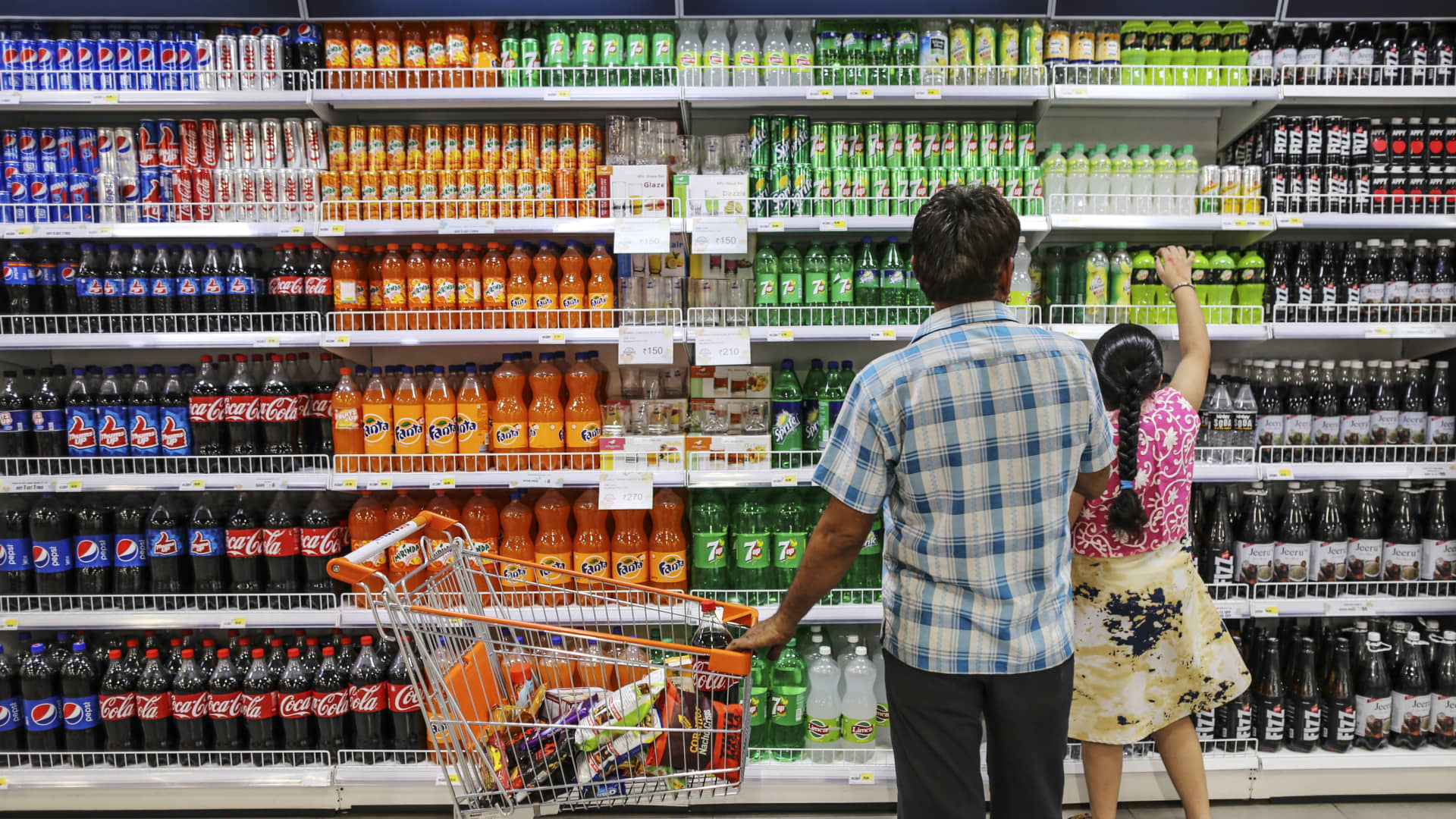
- Health Beverage Transformation: PepsiCo reports that over 50% of its beverage portfolio in India consists of low- to no-sugar options, with plans to increase this to 90%, reflecting a significant shift towards healthier consumer preferences in the market.
- Consumer Awareness Rise: Social media influencers are urging consumers to read labels, leading brands like Dabur and Mondelez to reduce sugar content; Dabur has cut sugar by 21% in its juices by 2023 and aims for an additional 20% reduction, highlighting the strong demand for healthier products.
- Rise of D2C Brands: The growth of social media is facilitating the rise of direct-to-consumer brands in India, posing a threat to traditional companies that fail to adapt, as experts indicate this trend will be a crucial lever for future personal care and food brands.
- Strengthened Food Safety Regulations: India's food safety regulator has banned certain beverages from using

US Housing Market Faces Continued Stagnation Amid High Mortgage Rates


- Stagnant Home Sales: Since the pandemic, existing home sales in the US have averaged around 4 million annually, significantly lower than the pre-pandemic level of 5.5 million, with insufficient inventory pushing prices up and indicating weak market demand.
- Rising Mortgage Rates: The 30-year fixed mortgage rate has reached 6.45%, the highest since April, and with inflation pressures, further increases are likely, which could suppress home-buying interest and exacerbate market stagnation.
- Declining Builder Stocks: Homebuilder stocks, which initially benefited from market opportunities, have slumped since late 2024, with significant revenue declines reported by D.R. Horton and NVR, highlighting the ongoing weakness in the housing market.
- Uncertain Market Outlook: Despite a housing shortage, the recovery in home sales and construction activity remains distant due to high rates and a weak labor market, suggesting that significant growth is unlikely in the near term.

India's IT Sector Faces Employment Crisis Amid AI Disruption

- Deepening Employment Crisis: Bernstein warns that the rise of AI may lead to a reduction in high-quality jobs in India's IT sector, affecting the income and consumption capacity of 10 to 15 million employees in IT services and outsourcing, thereby threatening the foundation of national economic growth.
- Shifting Hiring Trends: Net hiring by India's top five IT companies dropped by around 7,000 in FY26, with TCS planning to hire only 25,000 fresh graduates compared to an average of 40,000 over the past three years, indicating a diminishing reliance on large-scale recruitment in the industry.
- Skills Gap Challenge: While the Indian government emphasizes

Williams-Sonoma Launches Dormify Brand for Students
- Brand Expansion: Williams-Sonoma has increased its brand portfolio to ten with the launch of Dormify, aimed at meeting the needs of students and young consumers in dormitories and compact living spaces, thereby expanding its market share.
- Campus Pick-Up Program: Dormify will introduce a Pick-Up Campus Program leveraging Williams-Sonoma's network of over 450 stores, allowing students to conveniently collect orders at nearby locations, enhancing the shopping experience and mitigating common issues associated with campus mailrooms.
- Market Positioning: The launch of Dormify underscores Williams-Sonoma's ongoing commitment to portfolio expansion, particularly targeting the underpenetrated dorm and small-space living market by offering modern, stylish, and highly functional home furnishings.
- Brand Portfolio: The addition of Dormify enriches Williams-Sonoma's existing brand lineup, which includes Pottery Barn, Pottery Barn Kids, PBteen, and West Elm, thereby strengthening the company's competitive position in the home goods market.

Rapid Growth of Hybrid Vehicle Market in India
- Surge in Hybrid Sales: According to a report by Care Ratings, hybrid vehicle sales in India reached 362,866 units in the financial year ending March 2026, up nearly fourfold from 98,010 units in 2020, indicating a strong consumer demand for better fuel efficiency, with hybrids expected to account for 10% of total car sales by FY2027.
- Limited EV Market Share: Despite the rising demand for electric vehicles, only 131,865 units are projected to be sold by March 2026, reflecting a consumer preference for hybrids due to concerns over inadequate charging infrastructure.
- Market Leaders: Toyota and Maruti Suzuki dominate the hybrid vehicle market in India, with Toyota selling 366,896 cars including 91,536 strong hybrids in FY2026, while Maruti sold 20,466 strong hybrids, further solidifying their market positions.
- Future Model Launches: Experts predict that more hybrid models will be launched in the next 12 months than in the past five years combined, driven by increasing consumer acceptance of hybrids that require no change in refueling habits, thereby propelling market growth.
GameStop's $56B eBay Bid Rejected as Unviable
- Acquisition Proposal Rejected: eBay has officially rejected GameStop's unsolicited $56 billion acquisition bid, labeling it as 'neither credible nor attractive,' with concerns over a significant funding gap and high debt load, which could undermine GameStop's market confidence.
- Financing Challenges Emerge: Despite CEO Ryan Cohen's commitment to provide $20 billion in financing, analysts warn that GameStop's $10 billion market cap makes acquiring a $48 billion giant nearly impossible without extreme equity dilution, highlighting the fragility of its financing capabilities.
- Market Reaction Tepid: Following eBay's rejection, GameStop's stock fell 2.37% in pre-market trading, indicating investor concerns about its acquisition ability, which may impact its future stock performance and market positioning.
- Unclear Strategic Direction: eBay's board reiterated its focus on luxury goods and trading cards, believing this will yield superior shareholder returns, while GameStop's acquisition intentions could distract from its core resources and strategic focus.
Social Media Influencers Transform India's Food and Beverage Market
- Health Beverage Transformation: PepsiCo reports that over 50% of its beverage portfolio in India consists of low- to no-sugar options, with plans to increase this to 90%, reflecting a significant shift towards healthier consumer preferences in the market.
- Consumer Awareness Rise: Social media influencers are urging consumers to read labels, leading brands like Dabur and Mondelez to reduce sugar content; Dabur has cut sugar by 21% in its juices by 2023 and aims for an additional 20% reduction, highlighting the strong demand for healthier products.
- Rise of D2C Brands: The growth of social media is facilitating the rise of direct-to-consumer brands in India, posing a threat to traditional companies that fail to adapt, as experts indicate this trend will be a crucial lever for future personal care and food brands.
- Strengthened Food Safety Regulations: India's food safety regulator has banned certain beverages from using
US Housing Market Faces Continued Stagnation Amid High Mortgage Rates
- Stagnant Home Sales: Since the pandemic, existing home sales in the US have averaged around 4 million annually, significantly lower than the pre-pandemic level of 5.5 million, with insufficient inventory pushing prices up and indicating weak market demand.
- Rising Mortgage Rates: The 30-year fixed mortgage rate has reached 6.45%, the highest since April, and with inflation pressures, further increases are likely, which could suppress home-buying interest and exacerbate market stagnation.
- Declining Builder Stocks: Homebuilder stocks, which initially benefited from market opportunities, have slumped since late 2024, with significant revenue declines reported by D.R. Horton and NVR, highlighting the ongoing weakness in the housing market.
- Uncertain Market Outlook: Despite a housing shortage, the recovery in home sales and construction activity remains distant due to high rates and a weak labor market, suggesting that significant growth is unlikely in the near term.
India's IT Sector Faces Employment Crisis Amid AI Disruption
- Deepening Employment Crisis: Bernstein warns that the rise of AI may lead to a reduction in high-quality jobs in India's IT sector, affecting the income and consumption capacity of 10 to 15 million employees in IT services and outsourcing, thereby threatening the foundation of national economic growth.
- Shifting Hiring Trends: Net hiring by India's top five IT companies dropped by around 7,000 in FY26, with TCS planning to hire only 25,000 fresh graduates compared to an average of 40,000 over the past three years, indicating a diminishing reliance on large-scale recruitment in the industry.
- Skills Gap Challenge: While the Indian government emphasizes
Williams-Sonoma Launches Dormify Brand for Students
- Brand Expansion: Williams-Sonoma has increased its brand portfolio to ten with the launch of Dormify, aimed at meeting the needs of students and young consumers in dormitories and compact living spaces, thereby expanding its market share.
- Campus Pick-Up Program: Dormify will introduce a Pick-Up Campus Program leveraging Williams-Sonoma's network of over 450 stores, allowing students to conveniently collect orders at nearby locations, enhancing the shopping experience and mitigating common issues associated with campus mailrooms.
- Market Positioning: The launch of Dormify underscores Williams-Sonoma's ongoing commitment to portfolio expansion, particularly targeting the underpenetrated dorm and small-space living market by offering modern, stylish, and highly functional home furnishings.
- Brand Portfolio: The addition of Dormify enriches Williams-Sonoma's existing brand lineup, which includes Pottery Barn, Pottery Barn Kids, PBteen, and West Elm, thereby strengthening the company's competitive position in the home goods market.
Rapid Growth of Hybrid Vehicle Market in India
- Surge in Hybrid Sales: According to a report by Care Ratings, hybrid vehicle sales in India reached 362,866 units in the financial year ending March 2026, up nearly fourfold from 98,010 units in 2020, indicating a strong consumer demand for better fuel efficiency, with hybrids expected to account for 10% of total car sales by FY2027.
- Limited EV Market Share: Despite the rising demand for electric vehicles, only 131,865 units are projected to be sold by March 2026, reflecting a consumer preference for hybrids due to concerns over inadequate charging infrastructure.
- Market Leaders: Toyota and Maruti Suzuki dominate the hybrid vehicle market in India, with Toyota selling 366,896 cars including 91,536 strong hybrids in FY2026, while Maruti sold 20,466 strong hybrids, further solidifying their market positions.
- Future Model Launches: Experts predict that more hybrid models will be launched in the next 12 months than in the past five years combined, driven by increasing consumer acceptance of hybrids that require no change in refueling habits, thereby propelling market growth.