Peter Lynch's Top Consumer Discretionary Stocks from Validea - November 25, 2025


Top Rated Consumer Discretionary Stocks: The article highlights top-rated Consumer Discretionary stocks according to Validea's P/E/Growth Investor model, which is based on Peter Lynch's investment strategy focusing on reasonable pricing relative to earnings growth and strong balance sheets.
Lululemon Athletica Inc: Lululemon is rated 93% based on its fundamentals and valuation, indicating strong interest, and operates in the technical athletic apparel market across various global regions.
Dick's Sporting Goods Inc: Rated 91%, Dick's Sporting Goods is an omni-channel retailer with a diverse product range and operates over 3,200 stores globally, reflecting strong fundamentals and valuation.
NVR Inc and Monarch Casino & Resort Inc: Both companies are rated 91%, with NVR engaged in homebuilding and mortgage banking, while Monarch operates casinos and resorts, showcasing strong fundamentals in their respective industries.
Trade with 70% Backtested Accuracy
Analyst Views on LULU

About LULU
About the author


Lululemon Launches E-Commerce Platform in Mexico

- E-Commerce Launch: On April 20, Lululemon officially launched its e-commerce platform in Mexico, marking a significant milestone in its North American growth strategy aimed at meeting local demand for technical performance apparel.
- Omnichannel Experience: The new website, lululemon.mx, offers a full range of products while integrating digital capabilities with physical stores, enhancing the shopping experience and expected to strengthen the brand's competitive position in the Mexican market.
- Store Expansion Plans: Lululemon plans to open eight new stores in Mexico during FY26 as part of a broader strategy to add 15 locations across North America, projecting the total number of stores in Mexico to exceed 30 by the end of the fiscal year.
- Community Engagement: Lululemon deepens community ties through large-scale brand activations and its local Ambassador network, exemplified by the Lululemon 10K CDMX race in Mexico City, which attracted nearly 8,000 participants, further enhancing brand visibility.
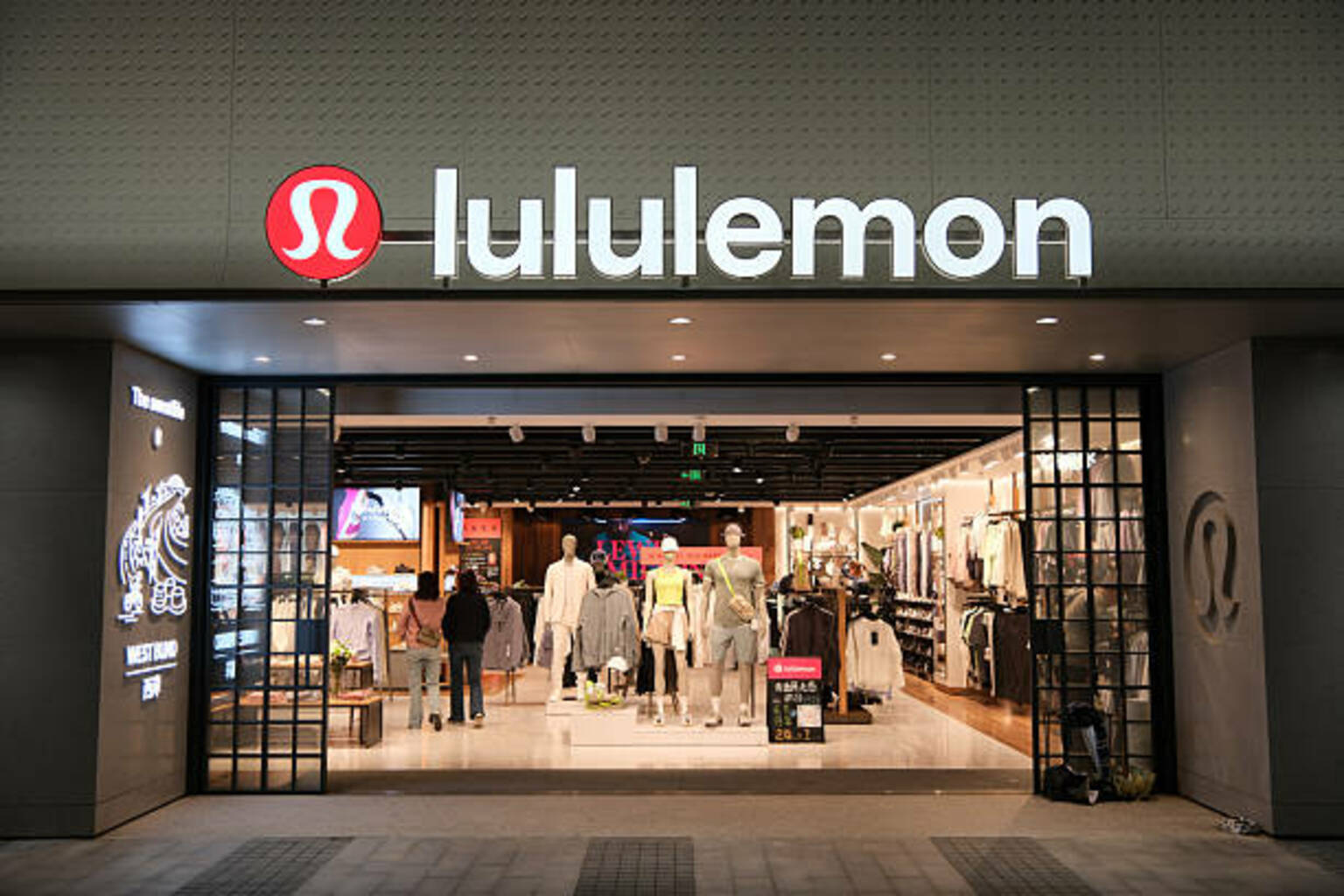
Lululemon Launches E-Commerce Channel in Mexico
- E-Commerce Launch: Lululemon has launched its e-commerce site Lululemon.mx in Mexico, allowing local guests to purchase technical performance apparel, footwear, and accessories online, thereby enhancing customer experience and increasing market penetration.
- Store Expansion Plans: The company plans to open eight new stores in Mexico by fiscal year 2026, along with approximately 15 new stores across North America, demonstrating Lululemon's confidence in continued growth opportunities in the region and supporting its strategic approach to regional expansion.
- Product Diversity: The new e-commerce platform features a wide range of premium men's and women's athletic products for yoga, Pilates, running, training, tennis, golf, and everyday movement, aimed at meeting diverse customer needs and enhancing brand appeal.
- Brand Activation Events: Lululemon hosted brand activation events in Mexico to showcase the new e-commerce platform, further strengthening its influence within the local community and reflecting the brand's strength and relevance.

lululemon Launches E-Commerce Platform in Mexico
- E-Commerce Expansion: lululemon has launched its e-commerce site lululemon.mx in Mexico, allowing local consumers to purchase its high-performance apparel, footwear, and accessories online, thereby enhancing the brand's market penetration in the region.
- Store Expansion Plans: The company plans to open approximately 15 new stores across North America in fiscal year 2026, including eight in Mexico, with expectations to operate over 30 stores in Mexico by the end of the fiscal year, indicating strong growth potential in the market.
- Brand Activations: Recently, lululemon hosted two brand activations in Mexico, including a 10K CDMX 2026 race that attracted nearly 8,000 participants, strengthening community ties and enhancing brand loyalty.
- Community Connection Strategy: Through partnerships with local athletes and instructors, lululemon's Ambassador network plays a crucial role in driving growth in the Mexican market, reflecting the company's strategy to build deep community connections globally.

Lululemon's Valuation Plummets, Investors Sell Off
- Valuation Decline: Lululemon's market cap has nearly halved over the past five years, with shares currently trading at $167.28, reflecting investor concerns about its growth potential since it hasn't reached these levels since 2020.
- Weak Growth: The company's year-over-year growth rate has plummeted to under 1% in the latest quarter, primarily due to rising inflation and a shift in consumer preference towards cheaper alternatives, indicating significant pressure on the brand's market position.
- Increased Competition: The rise of fast fashion and comparable offerings from Chinese online retailers pose substantial challenges for Lululemon, which, despite having a loyal customer base, must broaden its appeal to maintain market share amid fierce competition.
- Leadership Changes: Lululemon is currently searching for a new CEO following Calvin McDonald's resignation earlier this year, and the lack of clear leadership and strategic direction has diminished investor confidence, suggesting that the stock may face further declines in the near term.

Lululemon Faces Sales Growth Challenges Amid Competition
- Sales Growth Slowdown: Lululemon's sales rose by less than 1% last quarter, indicating severe challenges in a competitive market that could impact future market share.
- Significant Valuation Decline: The company's valuation has nearly halved over the past five years, with shares currently trading at just 12 times earnings, reflecting investor concerns about future growth; without a return to strong growth, investor confidence may further erode.
- Brand Loyalty vs. Market Challenges: While Lululemon maintains strong brand loyalty among teens and young adults, the rise of fast fashion and competition from online retailers in China complicates efforts to broaden its customer base, potentially affecting long-term profitability.
- Leadership Transition Risks: Following CEO Calvin McDonald's departure, the company is searching for new leadership, and the lack of a clear strategic direction and stable leadership increases the risks of investing in Lululemon, suggesting that investors should wait for clarity on leadership and strategy before making decisions.

Chip Wilson Launches New Athletic Brand Venture Amid Lululemon Struggles
- New Brand Creation: Chip Wilson, founder of Lululemon, is launching a new athletic brand venture focused on small brands to drive innovation in the technical apparel sector, highlighting his strong interest in the current market dynamics.
- Discontent with Lululemon: Wilson has expressed frustration with Lululemon's management, particularly criticizing its 'underwhelming' board and brand image, reflecting his concerns about the company's future direction.
- Poor Stock Performance: Over the past five years, Lululemon's shares have plummeted by 48%, significantly underperforming the S&P 500 by 116 percentage points, indicating the company's struggles in the competitive athleisure market.
- New Investment Structure: Wilson's new venture will incorporate both new and existing small brands, partnering with an operating partner, demonstrating his ongoing passion for supporting founders and leading innovation in the industry.
Lululemon Launches E-Commerce Platform in Mexico
- E-Commerce Launch: On April 20, Lululemon officially launched its e-commerce platform in Mexico, marking a significant milestone in its North American growth strategy aimed at meeting local demand for technical performance apparel.
- Omnichannel Experience: The new website, lululemon.mx, offers a full range of products while integrating digital capabilities with physical stores, enhancing the shopping experience and expected to strengthen the brand's competitive position in the Mexican market.
- Store Expansion Plans: Lululemon plans to open eight new stores in Mexico during FY26 as part of a broader strategy to add 15 locations across North America, projecting the total number of stores in Mexico to exceed 30 by the end of the fiscal year.
- Community Engagement: Lululemon deepens community ties through large-scale brand activations and its local Ambassador network, exemplified by the Lululemon 10K CDMX race in Mexico City, which attracted nearly 8,000 participants, further enhancing brand visibility.
Lululemon Launches E-Commerce Channel in Mexico
- E-Commerce Launch: Lululemon has launched its e-commerce site Lululemon.mx in Mexico, allowing local guests to purchase technical performance apparel, footwear, and accessories online, thereby enhancing customer experience and increasing market penetration.
- Store Expansion Plans: The company plans to open eight new stores in Mexico by fiscal year 2026, along with approximately 15 new stores across North America, demonstrating Lululemon's confidence in continued growth opportunities in the region and supporting its strategic approach to regional expansion.
- Product Diversity: The new e-commerce platform features a wide range of premium men's and women's athletic products for yoga, Pilates, running, training, tennis, golf, and everyday movement, aimed at meeting diverse customer needs and enhancing brand appeal.
- Brand Activation Events: Lululemon hosted brand activation events in Mexico to showcase the new e-commerce platform, further strengthening its influence within the local community and reflecting the brand's strength and relevance.
lululemon Launches E-Commerce Platform in Mexico
- E-Commerce Expansion: lululemon has launched its e-commerce site lululemon.mx in Mexico, allowing local consumers to purchase its high-performance apparel, footwear, and accessories online, thereby enhancing the brand's market penetration in the region.
- Store Expansion Plans: The company plans to open approximately 15 new stores across North America in fiscal year 2026, including eight in Mexico, with expectations to operate over 30 stores in Mexico by the end of the fiscal year, indicating strong growth potential in the market.
- Brand Activations: Recently, lululemon hosted two brand activations in Mexico, including a 10K CDMX 2026 race that attracted nearly 8,000 participants, strengthening community ties and enhancing brand loyalty.
- Community Connection Strategy: Through partnerships with local athletes and instructors, lululemon's Ambassador network plays a crucial role in driving growth in the Mexican market, reflecting the company's strategy to build deep community connections globally.
Lululemon's Valuation Plummets, Investors Sell Off
- Valuation Decline: Lululemon's market cap has nearly halved over the past five years, with shares currently trading at $167.28, reflecting investor concerns about its growth potential since it hasn't reached these levels since 2020.
- Weak Growth: The company's year-over-year growth rate has plummeted to under 1% in the latest quarter, primarily due to rising inflation and a shift in consumer preference towards cheaper alternatives, indicating significant pressure on the brand's market position.
- Increased Competition: The rise of fast fashion and comparable offerings from Chinese online retailers pose substantial challenges for Lululemon, which, despite having a loyal customer base, must broaden its appeal to maintain market share amid fierce competition.
- Leadership Changes: Lululemon is currently searching for a new CEO following Calvin McDonald's resignation earlier this year, and the lack of clear leadership and strategic direction has diminished investor confidence, suggesting that the stock may face further declines in the near term.
Lululemon Faces Sales Growth Challenges Amid Competition
- Sales Growth Slowdown: Lululemon's sales rose by less than 1% last quarter, indicating severe challenges in a competitive market that could impact future market share.
- Significant Valuation Decline: The company's valuation has nearly halved over the past five years, with shares currently trading at just 12 times earnings, reflecting investor concerns about future growth; without a return to strong growth, investor confidence may further erode.
- Brand Loyalty vs. Market Challenges: While Lululemon maintains strong brand loyalty among teens and young adults, the rise of fast fashion and competition from online retailers in China complicates efforts to broaden its customer base, potentially affecting long-term profitability.
- Leadership Transition Risks: Following CEO Calvin McDonald's departure, the company is searching for new leadership, and the lack of a clear strategic direction and stable leadership increases the risks of investing in Lululemon, suggesting that investors should wait for clarity on leadership and strategy before making decisions.
Chip Wilson Launches New Athletic Brand Venture Amid Lululemon Struggles
- New Brand Creation: Chip Wilson, founder of Lululemon, is launching a new athletic brand venture focused on small brands to drive innovation in the technical apparel sector, highlighting his strong interest in the current market dynamics.
- Discontent with Lululemon: Wilson has expressed frustration with Lululemon's management, particularly criticizing its 'underwhelming' board and brand image, reflecting his concerns about the company's future direction.
- Poor Stock Performance: Over the past five years, Lululemon's shares have plummeted by 48%, significantly underperforming the S&P 500 by 116 percentage points, indicating the company's struggles in the competitive athleisure market.
- New Investment Structure: Wilson's new venture will incorporate both new and existing small brands, partnering with an operating partner, demonstrating his ongoing passion for supporting founders and leading innovation in the industry.