Party City Files for Chapter 11 Bankruptcy Again, Plans to Close 700 Stores
Written by Emily J. Thompson, Senior Investment Analyst
Updated: Jan 11 2026
0mins


Source: Yahoo Finance
- Bankruptcy Filing: Party City filed for Chapter 11 bankruptcy on December 21, 2024, planning to close 700 stores in 2025, indicating ongoing struggles in the party supply market that could lead to significant job losses and further erosion of market share.
- Increased Competition: Following Party City's closures, retailers like Walmart, Target, and Dollar Tree are stepping in to fill the void, although their limited party supply offerings may still erode Party City's customer base further.
- Operational Challenges: Champion Party Supply also filed for bankruptcy in 2024 due to operational disruptions and rising lease rates, highlighting the economic pressures faced across the industry, which may lead to more retailers facing similar fates.
- Market Shifts: The bankruptcies of Party City and Champion Party Supply reflect significant challenges for traditional retailers in a rapidly changing market environment, exacerbated by global helium shortages and increased competition from e-commerce.
Trade with 70% Backtested Accuracy
Stop guessing "Should I Buy WMT?" and start using high-conviction signals backed by rigorous historical data.
Sign up today to access powerful investing tools and make smarter, data-driven decisions.
Analyst Views on WMT
Wall Street analysts forecast WMT stock price to fall
26 Analyst Rating
25 Buy
1 Hold
0 Sell
Strong Buy
Current: 125.990

Low
119.00
Averages
125.75
High
136.00
Current: 125.990
Low
119.00
Averages
125.75
High
136.00
About WMT
Walmart Inc. is a technology-powered omnichannel retailer. The Company is engaged in the operation of retail and wholesale stores and clubs, as well as eCommerce Websites and mobile applications, located throughout the United States (U.S.), Africa, Canada, Central America, Chile, China, India and Mexico. It operates in three reportable segments: Walmart U.S., Walmart International and Sam's Club U.S. The Walmart U.S. segment includes the Company's mass merchandising concept in the U.S., as well as eCommerce, which includes omni-channel initiatives and certain other business offerings such as advertising services. The Walmart International segment consists of the Company's operations outside of the U.S. through its subsidiaries, as well as eCommerce and omni-channel initiatives. The Sam's Club U.S. segment includes the warehouse membership clubs in the U.S., as well as samsclub.com and omni-channel initiatives.
About the author

Emily J. Thompson
Emily J. Thompson, a Chartered Financial Analyst (CFA) with 12 years in investment research, graduated with honors from the Wharton School. Specializing in industrial and technology stocks, she provides in-depth analysis for Intellectia’s earnings and market brief reports.

Walmart's Digital and Advertising Revenue Surge

- Significant Revenue Growth: Walmart's latest earnings report reveals a 5.6% year-over-year increase in total revenue for the fourth quarter, reaching $190.7 billion, showcasing the company's strong performance in the retail market, particularly with a 4.6% rise in comparable-store sales in the U.S.
- Surge in Digital Sales: Digital sales skyrocketed by 24% year-over-year, now accounting for nearly a quarter of total revenue, primarily driven by a 50% increase in store-fulfilled expedited delivery, indicating the company's successful pivot towards e-commerce.
- Advertising Business Expansion: Walmart's high-margin advertising unit grew by 37% globally, while membership fee revenue rose by 15.1%, demonstrating the company's strategy to enhance overall profitability through higher-margin revenue streams, thereby boosting its bottom line.
- Cautious Outlook: Despite strong fourth-quarter results, management's forward-looking commentary is more conservative, projecting net sales growth between 3.5% and 4.5% for fiscal 2027, reflecting a cautious stance amid macroeconomic uncertainties.
See More
Walmart's Earnings Report Highlights Strong Growth
- Significant Revenue Growth: Walmart's latest earnings report reveals a 5.6% year-over-year increase in total revenue for Q4 2023, reaching $190.7 billion, showcasing the company's successful pivot towards a more profitable retail model, particularly in high-margin digital sales.
- Surge in Digital Sales: Digital sales skyrocketed by 24% year-over-year, now accounting for nearly a quarter of total revenue, with store-fulfilled expedited delivery services jumping 50%, indicating Walmart's enhanced competitiveness in the e-commerce sector.
- Cautious Future Outlook: Despite strong Q4 performance, Walmart anticipates net sales growth to decelerate to between 3.5% and 4.5% for fiscal 2027, with adjusted earnings per share projected between $2.75 and $2.85, reflecting management's cautious stance on the economic environment ahead.
- Valuation Challenges: With a current price-to-earnings ratio of about 46, Walmart's stock reflects high market expectations for future profitability; however, in light of increasing economic uncertainties, investors face significant risks, particularly if consumer spending begins to falter.
See More

Lifeway Foods Achieves Record Sales Growth
- Record Sales Achievement: Lifeway Foods Inc reported a record net sales of $212.5 million for 2025, reflecting a 13.7% year-over-year increase, demonstrating the company's strong market performance and growth potential.
- Significant Margin Expansion: The company achieved a gross profit margin of 27.4% for the year, up 140 basis points from the previous year, indicating improved profitability driven by strong volume growth and manufacturing efficiencies.
- Strategic Market Expansion: The distribution of Lifeway Farmers cheese expanded to 2,000 Walmart stores nationwide, significantly increasing market footprint and enhancing brand visibility in a competitive landscape.
- Innovative Product Launches: Lifeway introduced several on-trend innovations, including probiotic smoothies with collagen and Lifeway Kefir Butter, which have been well-received by consumers, further driving sales growth and aligning with health trends.
See More
Oil Prices Rise, Boosting Stock Market Performance


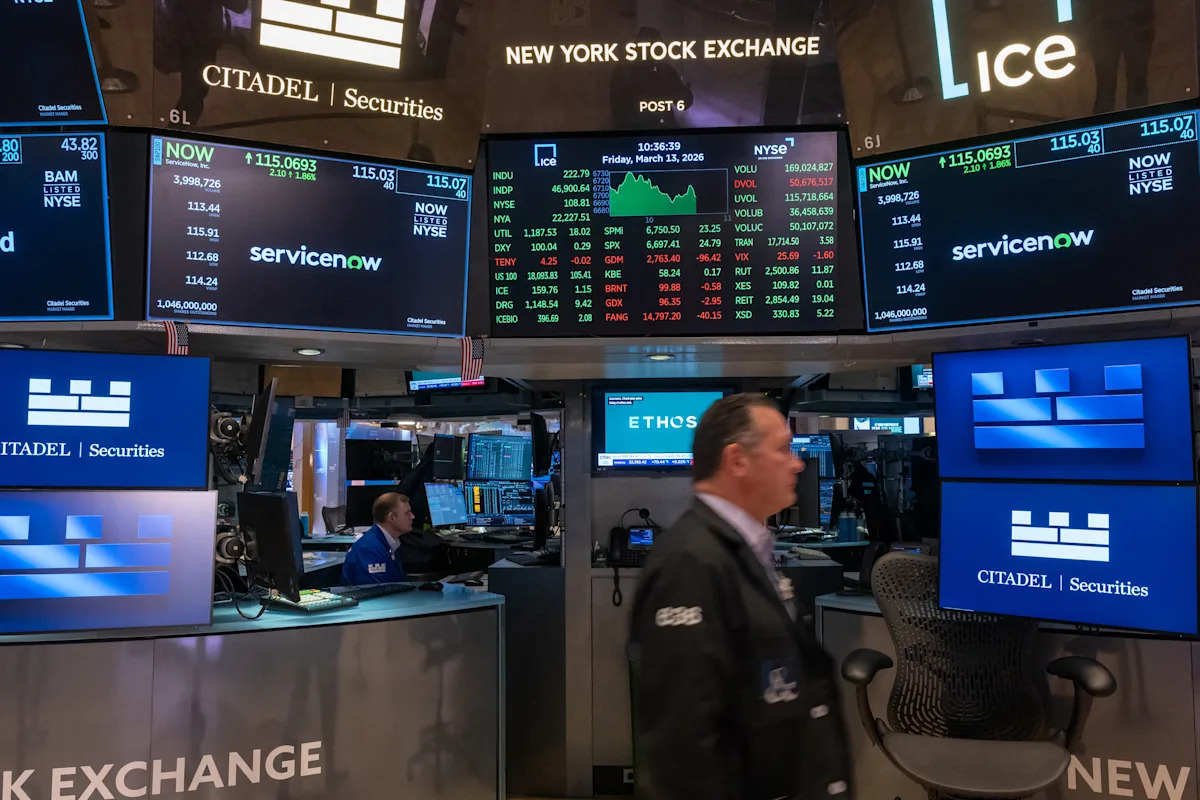
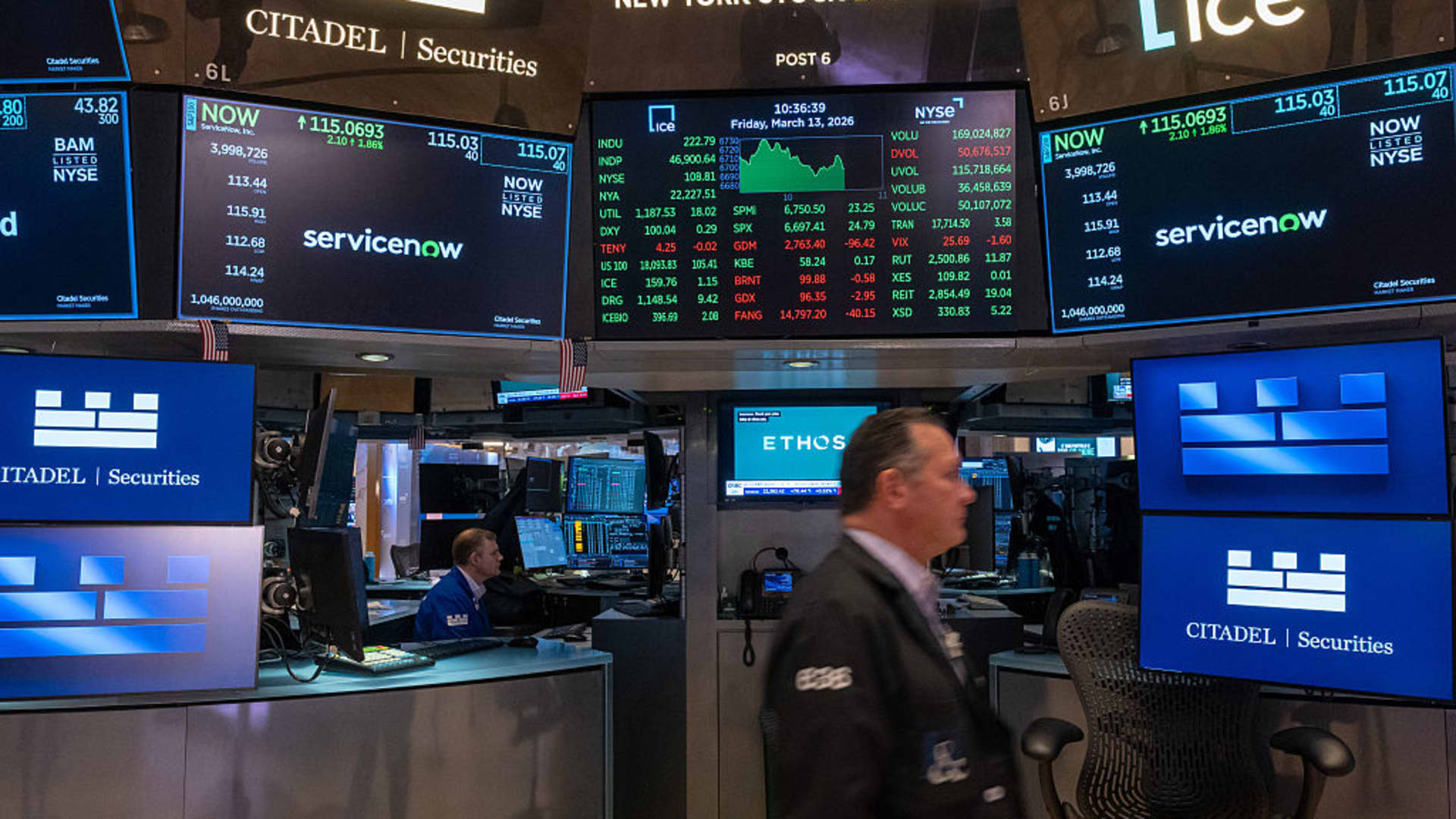
- Oil and Stock Market Dynamics: Oil prices rose on Tuesday as U.S. allies hesitated to provide tanker escorts through the Strait of Hormuz, leading major indices like the S&P 500, Nasdaq, and Dow to show gains in late afternoon trading, although they fell short of their daily highs.
- DuPont Divestiture: DuPont announced the divestiture of its Aramids business for $1.8 billion, expected to close on April 1, which will generate approximately $1.1 billion in cash proceeds, allowing management to pursue bolt-on acquisitions to enhance exposure in healthcare and water markets.
- Amazon's Fast Delivery: Amazon launched one-hour and three-hour delivery options in select U.S. areas, charging Prime members $9.99 and $4.99 respectively, aiming to capture spontaneous shopping trips traditionally driven by in-person visits to retailers, thereby strengthening its market position.
- Federal Reserve Meeting: The Federal Reserve will conclude its two-day monetary policy meeting on Wednesday, with expectations to hold interest rates steady, and market participants will closely watch Jerome Powell's comments regarding the war and high oil prices to gauge future economic policy directions.
See More

Amazon Launches Ultra-Fast Delivery Service
- Logistics War Escalation: Amazon has launched one-hour and three-hour delivery services across over 2,000 U.S. cities, covering 90,000 high-frequency items, aiming to boost shopping frequency through new specialized workstations, although Prime members must now pay a $9.99 surcharge, marking a shift from Amazon's traditional 'free shipping' model to a high-margin service.
- Fee Structure Adjustment: The new tiered fee structure ($9.99 for one-hour delivery and $4.99 for three-hour delivery) indicates Amazon's strategy to cover high variable costs of last-mile logistics while striving to maintain overall Prime margins, reflecting its pursuit of profitability amid competition.
- Operational Efficiency Improvement: By deploying predictive AI to pre-position inventory in smaller urban facilities, Amazon is transforming its same-day fulfillment hubs into high-velocity local storefronts, thereby accelerating delivery speeds and enhancing market competitiveness.
- Market Share Competition: This service launch is not only a direct response to Walmart's 'Express Delivery' network but also has the potential to further solidify Amazon's leadership in the e-commerce market by increasing customer loyalty and shopping frequency.
See More

Three Growth Stocks to Buy and Hold Forever

- Shopify's Growth Potential: Shopify is projected to achieve a 30% revenue growth by 2025, which, while consistent since its inception, indicates that as the market expands, profit margins will further increase, driving long-term profitability for the company.
- Cybersecurity Market Outlook: Palo Alto Networks is expanding its market share in cybersecurity, with the global market expected to grow from $280 billion to $593 billion by 2033, showcasing strong growth potential, especially with AI technology driving demand.
- Amazon's Innovative Capacity: Amazon's leadership in e-commerce and cloud computing makes it an ideal long-term investment, with advertising revenue reaching $69 billion last year, a 22% increase, demonstrating the flexibility and profitability of its business model.
- Sustained Market Demand: E-commerce currently accounts for only 18% of U.S. retail spending, indicating that there are still hundreds of billions of dollars in consumer spending to be tapped, with companies like Shopify and Amazon poised to capitalize on this significant market opportunity.
See More
Walmart's Digital and Advertising Revenue Surge
- Significant Revenue Growth: Walmart's latest earnings report reveals a 5.6% year-over-year increase in total revenue for the fourth quarter, reaching $190.7 billion, showcasing the company's strong performance in the retail market, particularly with a 4.6% rise in comparable-store sales in the U.S.
- Surge in Digital Sales: Digital sales skyrocketed by 24% year-over-year, now accounting for nearly a quarter of total revenue, primarily driven by a 50% increase in store-fulfilled expedited delivery, indicating the company's successful pivot towards e-commerce.
- Advertising Business Expansion: Walmart's high-margin advertising unit grew by 37% globally, while membership fee revenue rose by 15.1%, demonstrating the company's strategy to enhance overall profitability through higher-margin revenue streams, thereby boosting its bottom line.
- Cautious Outlook: Despite strong fourth-quarter results, management's forward-looking commentary is more conservative, projecting net sales growth between 3.5% and 4.5% for fiscal 2027, reflecting a cautious stance amid macroeconomic uncertainties.
See More
Walmart's Earnings Report Highlights Strong Growth
- Significant Revenue Growth: Walmart's latest earnings report reveals a 5.6% year-over-year increase in total revenue for Q4 2023, reaching $190.7 billion, showcasing the company's successful pivot towards a more profitable retail model, particularly in high-margin digital sales.
- Surge in Digital Sales: Digital sales skyrocketed by 24% year-over-year, now accounting for nearly a quarter of total revenue, with store-fulfilled expedited delivery services jumping 50%, indicating Walmart's enhanced competitiveness in the e-commerce sector.
- Cautious Future Outlook: Despite strong Q4 performance, Walmart anticipates net sales growth to decelerate to between 3.5% and 4.5% for fiscal 2027, with adjusted earnings per share projected between $2.75 and $2.85, reflecting management's cautious stance on the economic environment ahead.
- Valuation Challenges: With a current price-to-earnings ratio of about 46, Walmart's stock reflects high market expectations for future profitability; however, in light of increasing economic uncertainties, investors face significant risks, particularly if consumer spending begins to falter.
See More
Lifeway Foods Achieves Record Sales Growth
- Record Sales Achievement: Lifeway Foods Inc reported a record net sales of $212.5 million for 2025, reflecting a 13.7% year-over-year increase, demonstrating the company's strong market performance and growth potential.
- Significant Margin Expansion: The company achieved a gross profit margin of 27.4% for the year, up 140 basis points from the previous year, indicating improved profitability driven by strong volume growth and manufacturing efficiencies.
- Strategic Market Expansion: The distribution of Lifeway Farmers cheese expanded to 2,000 Walmart stores nationwide, significantly increasing market footprint and enhancing brand visibility in a competitive landscape.
- Innovative Product Launches: Lifeway introduced several on-trend innovations, including probiotic smoothies with collagen and Lifeway Kefir Butter, which have been well-received by consumers, further driving sales growth and aligning with health trends.
See More
Oil Prices Rise, Boosting Stock Market Performance
- Oil and Stock Market Dynamics: Oil prices rose on Tuesday as U.S. allies hesitated to provide tanker escorts through the Strait of Hormuz, leading major indices like the S&P 500, Nasdaq, and Dow to show gains in late afternoon trading, although they fell short of their daily highs.
- DuPont Divestiture: DuPont announced the divestiture of its Aramids business for $1.8 billion, expected to close on April 1, which will generate approximately $1.1 billion in cash proceeds, allowing management to pursue bolt-on acquisitions to enhance exposure in healthcare and water markets.
- Amazon's Fast Delivery: Amazon launched one-hour and three-hour delivery options in select U.S. areas, charging Prime members $9.99 and $4.99 respectively, aiming to capture spontaneous shopping trips traditionally driven by in-person visits to retailers, thereby strengthening its market position.
- Federal Reserve Meeting: The Federal Reserve will conclude its two-day monetary policy meeting on Wednesday, with expectations to hold interest rates steady, and market participants will closely watch Jerome Powell's comments regarding the war and high oil prices to gauge future economic policy directions.
See More
Amazon Launches Ultra-Fast Delivery Service
- Logistics War Escalation: Amazon has launched one-hour and three-hour delivery services across over 2,000 U.S. cities, covering 90,000 high-frequency items, aiming to boost shopping frequency through new specialized workstations, although Prime members must now pay a $9.99 surcharge, marking a shift from Amazon's traditional 'free shipping' model to a high-margin service.
- Fee Structure Adjustment: The new tiered fee structure ($9.99 for one-hour delivery and $4.99 for three-hour delivery) indicates Amazon's strategy to cover high variable costs of last-mile logistics while striving to maintain overall Prime margins, reflecting its pursuit of profitability amid competition.
- Operational Efficiency Improvement: By deploying predictive AI to pre-position inventory in smaller urban facilities, Amazon is transforming its same-day fulfillment hubs into high-velocity local storefronts, thereby accelerating delivery speeds and enhancing market competitiveness.
- Market Share Competition: This service launch is not only a direct response to Walmart's 'Express Delivery' network but also has the potential to further solidify Amazon's leadership in the e-commerce market by increasing customer loyalty and shopping frequency.
See More
Three Growth Stocks to Buy and Hold Forever
- Shopify's Growth Potential: Shopify is projected to achieve a 30% revenue growth by 2025, which, while consistent since its inception, indicates that as the market expands, profit margins will further increase, driving long-term profitability for the company.
- Cybersecurity Market Outlook: Palo Alto Networks is expanding its market share in cybersecurity, with the global market expected to grow from $280 billion to $593 billion by 2033, showcasing strong growth potential, especially with AI technology driving demand.
- Amazon's Innovative Capacity: Amazon's leadership in e-commerce and cloud computing makes it an ideal long-term investment, with advertising revenue reaching $69 billion last year, a 22% increase, demonstrating the flexibility and profitability of its business model.
- Sustained Market Demand: E-commerce currently accounts for only 18% of U.S. retail spending, indicating that there are still hundreds of billions of dollars in consumer spending to be tapped, with companies like Shopify and Amazon poised to capitalize on this significant market opportunity.
See More