Palo Alto Networks Plans to Acquire Portkey
Palo Alto Networks announced its intent to acquire Portkey, a pioneer in AI Gateways. Portkey delivers a critical centralized control plane to manage and protect autonomous AI agents, already processing trillions of tokens per month with the low latency required for agent-to-agent communication. By ensuring that security governance never comes at the expense of developer speed, Portkey allows enterprises to accelerate AI innovation with confidence. Following the close, Palo Alto Networks will continue to support existing and new Portkey customers, who will also be able to benefit from the tighter integration with Prisma AIRS as part of a comprehensive AI Security platform. Subject to customary closing conditions, the transaction is expected to close in Palo Alto Networks fourth quarter in fiscal 2026.
Trade with 70% Backtested Accuracy
Analyst Views on PANW

About PANW
About the author


Stocks Hit Record Highs Amid Mixed Economic Data

- Strong Market Performance: The S&P 500 rose 2.3% and the Nasdaq gained 4.5%, marking their longest winning streak since 2024 with six consecutive weeks of gains, reflecting investor confidence in economic recovery.
- Employment Data Impact: April's nonfarm payrolls increased by 115,000, significantly exceeding economists' expectations of 55,000, while the unemployment rate held steady at 4.3%, complicating the Federal Reserve's interest rate decisions amid resilient labor market conditions.
- Cybersecurity Stocks Rebound: Shares of CrowdStrike and Palo Alto Networks surged 16% and 15%, respectively, driven by Fortinet's strong earnings report and raised full-year billings guidance, indicating a renewed confidence in the cybersecurity sector.
- Optical Technology Partnership: Corning's stock jumped 18% following a major supply agreement with Nvidia, projecting a $20 billion annualized sales run rate by 2026 and a 50% increase in fiber production capacity to meet soaring AI infrastructure demands.
Tech Stocks Propel Market to New Record Highs


- Strong Market Performance: The S&P 500 gained over 2% this week, reaching new record highs on Friday, reflecting strong investor confidence in tech stocks, particularly those related to artificial intelligence.
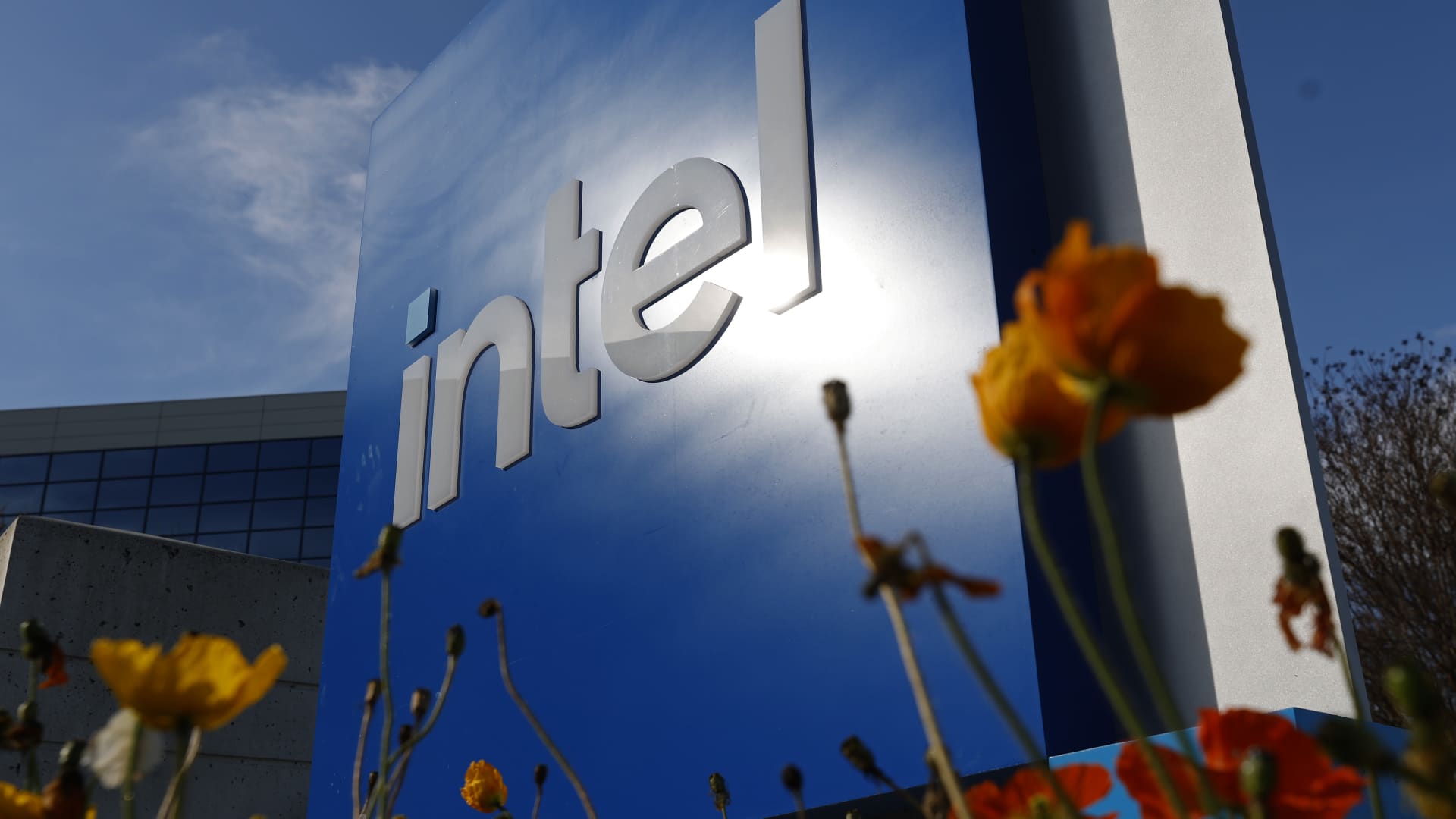
- Intel and Apple Collaboration: Intel has reached a preliminary agreement with Apple to manufacture chips for some of its devices, which will help diversify Apple's supply chain and alleviate future advanced-node production constraints amid growing demand for AI data center chips.
- Broadcom Financing Plans: Broadcom is in talks with private credit lenders, including Apollo Global Management and Blackstone, for approximately $35 billion in financing, which may support its rapidly growing AI chip business despite its strong financial profile.
- Cybersecurity Stocks Shine: Both Palo Alto Networks and CrowdStrike reached new highs for 2026, although still below their best levels over the past 12 months, indicating ongoing market interest and investment enthusiasm in the cybersecurity sector.

U.S. Stocks Rise, Nasdaq Hits Record High


- Nasdaq Hits Record High: The Nasdaq 100 index surged 1.32% to reach a new record high, primarily driven by chipmakers and AI infrastructure stocks, indicating strong market confidence in technology stocks that may attract further investor interest in the tech sector.
- Strong Employment Data: U.S. nonfarm payrolls rose by 115,000 in April, exceeding expectations of 65,000, while March figures were revised up to 185,000, demonstrating resilience in the labor market that could lead the Fed to maintain interest rates in upcoming policy meetings.
- Corporate Earnings Support Market: So far, 84% of the 425 S&P 500 companies have beaten earnings estimates, with Q1 earnings projected to climb 12% year-over-year, providing robust support for the stock market and reflecting the potential for economic recovery.
- Geopolitical Impact on Oil Prices: Iran's seizure of an oil tanker in the Strait of Hormuz has led to a slight increase in WTI crude oil prices, heightening concerns over future oil price volatility and potentially affecting the stability of global energy supply chains.

Palo Alto Networks: A Fortress in Cybersecurity Amid Software Sell-off


- Platform Transformation: Palo Alto Networks is shifting from selling individual 'point products' to offering an integrated platform, creating high switching costs through free trials and service consolidation, thereby locking in multiyear, high-value contracts and enhancing its position as the security operating system for Fortune 500 companies.
- Strong Cash Flow: Unlike many growth-at-all-cost software firms, Palo Alto Networks operates as a free cash flow machine with a 28% margin, and its remaining performance obligations (RPO) exceed $12.6 billion, reflecting a 20% year-over-year increase that indicates the 'platform' pipeline is not only intact but accelerating.
- AI Empowerment: Palo Alto Networks successfully embraces and monetizes AI through its Precision AI offerings, enabling customers to automate 90% of security operations and reducing threat remediation time from days to minutes, thereby enhancing customer security efficiency and responsiveness.
- Market Discount Opportunity: With earnings scheduled for June 2, the market is currently offering a 'discount' on Palo Alto Networks, and investors must be prepared to own the stock if it closes below $190, showcasing its 'de-risked' nature in the current market environment.

Anthropic's Mythos Model Triggers Cybersecurity Alarm

- Surge in Cybersecurity Risks: Anthropic's new model, Mythos, has uncovered thousands of software vulnerabilities, prompting global banks and tech giants like Apple and Amazon to swiftly implement measures to mitigate potential cyberattack risks, highlighting the escalating threat of AI in cybercrime.
- Government Oversight Considerations: The release of Mythos has raised concerns over AI models, leading the Trump administration to contemplate increased regulation of future models, which could impact innovation and development directions in the AI industry, particularly in cybersecurity.
- Vulnerability Detection Capabilities: While Mythos's capabilities have garnered widespread attention, cybersecurity experts note that existing models, including earlier versions from OpenAI, can also identify similar vulnerabilities, indicating that AI's application in cybersecurity is not new and has intensified industry panic.
- Offensive-Defensive Imbalance: Although companies like Anthropic and OpenAI are developing cybersecurity defense tools, researchers argue that the current advantage lies with attackers rather than defenders, resulting in heightened risks for financial institutions and a lag in the speed of vulnerability remediation compared to the frequency of attacks.
Signs of Recovery in Software Stocks Market

- ETF Performance Recovery: The iShares Expanded Tech-Software ETF (IGV) has risen nearly 14% over the past month, rebounding over 4% in April and ending a three-month decline, indicating a gradual restoration of market confidence in the software sector.
- Year-to-Date Weakness: Despite the recent uptick, IGV is still down 14% year-to-date, as investor concerns about artificial intelligence potentially eroding market share from software-as-a-service companies persist, leading to fears of a 'SaaSpocalypse.'
- Individual Stock Breakouts: Jason Hunter, a technical strategist at JPMorgan, noted that software stocks are less correlated than semiconductors recently, with several stocks breaking out from multi-week base patterns, including Palo Alto Networks, Oracle, Microsoft, and CrowdStrike.
- Oracle's Strong Performance: Among these stocks, Oracle has been the standout performer, surging over 35.5% in the past month to close at $194.59 on Thursday, nearing levels last seen in January, while Microsoft, after breaking back above $400 in April, closed at $420.77 on Thursday, indicating strong upward momentum.
Stocks Hit Record Highs Amid Mixed Economic Data
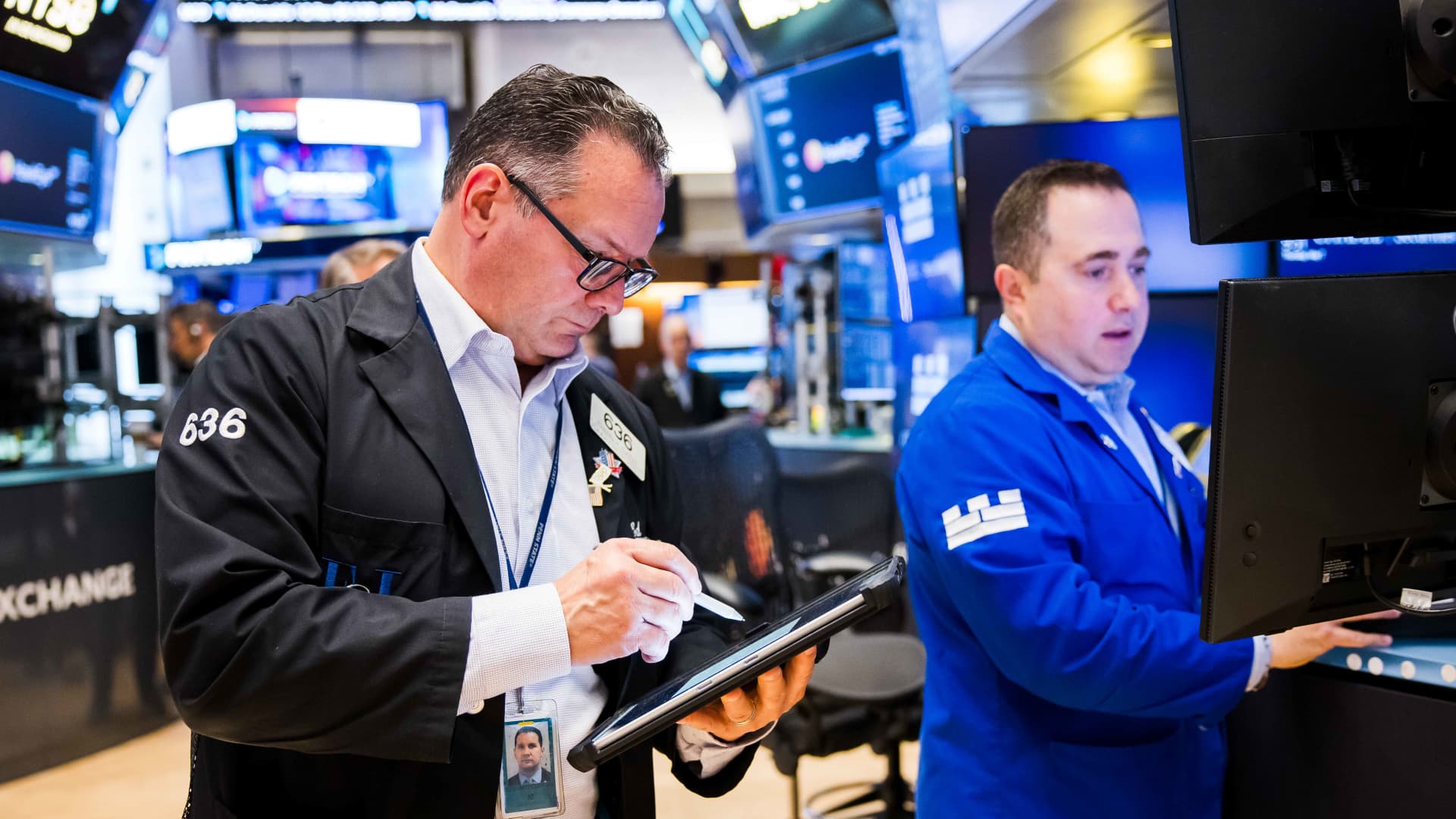
- Strong Market Performance: The S&P 500 rose 2.3% and the Nasdaq gained 4.5%, marking their longest winning streak since 2024 with six consecutive weeks of gains, reflecting investor confidence in economic recovery.
- Employment Data Impact: April's nonfarm payrolls increased by 115,000, significantly exceeding economists' expectations of 55,000, while the unemployment rate held steady at 4.3%, complicating the Federal Reserve's interest rate decisions amid resilient labor market conditions.
- Cybersecurity Stocks Rebound: Shares of CrowdStrike and Palo Alto Networks surged 16% and 15%, respectively, driven by Fortinet's strong earnings report and raised full-year billings guidance, indicating a renewed confidence in the cybersecurity sector.
- Optical Technology Partnership: Corning's stock jumped 18% following a major supply agreement with Nvidia, projecting a $20 billion annualized sales run rate by 2026 and a 50% increase in fiber production capacity to meet soaring AI infrastructure demands.
Tech Stocks Propel Market to New Record Highs
- Strong Market Performance: The S&P 500 gained over 2% this week, reaching new record highs on Friday, reflecting strong investor confidence in tech stocks, particularly those related to artificial intelligence.
- Intel and Apple Collaboration: Intel has reached a preliminary agreement with Apple to manufacture chips for some of its devices, which will help diversify Apple's supply chain and alleviate future advanced-node production constraints amid growing demand for AI data center chips.
- Broadcom Financing Plans: Broadcom is in talks with private credit lenders, including Apollo Global Management and Blackstone, for approximately $35 billion in financing, which may support its rapidly growing AI chip business despite its strong financial profile.
- Cybersecurity Stocks Shine: Both Palo Alto Networks and CrowdStrike reached new highs for 2026, although still below their best levels over the past 12 months, indicating ongoing market interest and investment enthusiasm in the cybersecurity sector.
U.S. Stocks Rise, Nasdaq Hits Record High
- Nasdaq Hits Record High: The Nasdaq 100 index surged 1.32% to reach a new record high, primarily driven by chipmakers and AI infrastructure stocks, indicating strong market confidence in technology stocks that may attract further investor interest in the tech sector.
- Strong Employment Data: U.S. nonfarm payrolls rose by 115,000 in April, exceeding expectations of 65,000, while March figures were revised up to 185,000, demonstrating resilience in the labor market that could lead the Fed to maintain interest rates in upcoming policy meetings.
- Corporate Earnings Support Market: So far, 84% of the 425 S&P 500 companies have beaten earnings estimates, with Q1 earnings projected to climb 12% year-over-year, providing robust support for the stock market and reflecting the potential for economic recovery.
- Geopolitical Impact on Oil Prices: Iran's seizure of an oil tanker in the Strait of Hormuz has led to a slight increase in WTI crude oil prices, heightening concerns over future oil price volatility and potentially affecting the stability of global energy supply chains.
Palo Alto Networks: A Fortress in Cybersecurity Amid Software Sell-off
- Platform Transformation: Palo Alto Networks is shifting from selling individual 'point products' to offering an integrated platform, creating high switching costs through free trials and service consolidation, thereby locking in multiyear, high-value contracts and enhancing its position as the security operating system for Fortune 500 companies.
- Strong Cash Flow: Unlike many growth-at-all-cost software firms, Palo Alto Networks operates as a free cash flow machine with a 28% margin, and its remaining performance obligations (RPO) exceed $12.6 billion, reflecting a 20% year-over-year increase that indicates the 'platform' pipeline is not only intact but accelerating.
- AI Empowerment: Palo Alto Networks successfully embraces and monetizes AI through its Precision AI offerings, enabling customers to automate 90% of security operations and reducing threat remediation time from days to minutes, thereby enhancing customer security efficiency and responsiveness.
- Market Discount Opportunity: With earnings scheduled for June 2, the market is currently offering a 'discount' on Palo Alto Networks, and investors must be prepared to own the stock if it closes below $190, showcasing its 'de-risked' nature in the current market environment.
Anthropic's Mythos Model Triggers Cybersecurity Alarm
- Surge in Cybersecurity Risks: Anthropic's new model, Mythos, has uncovered thousands of software vulnerabilities, prompting global banks and tech giants like Apple and Amazon to swiftly implement measures to mitigate potential cyberattack risks, highlighting the escalating threat of AI in cybercrime.
- Government Oversight Considerations: The release of Mythos has raised concerns over AI models, leading the Trump administration to contemplate increased regulation of future models, which could impact innovation and development directions in the AI industry, particularly in cybersecurity.
- Vulnerability Detection Capabilities: While Mythos's capabilities have garnered widespread attention, cybersecurity experts note that existing models, including earlier versions from OpenAI, can also identify similar vulnerabilities, indicating that AI's application in cybersecurity is not new and has intensified industry panic.
- Offensive-Defensive Imbalance: Although companies like Anthropic and OpenAI are developing cybersecurity defense tools, researchers argue that the current advantage lies with attackers rather than defenders, resulting in heightened risks for financial institutions and a lag in the speed of vulnerability remediation compared to the frequency of attacks.
Signs of Recovery in Software Stocks Market
- ETF Performance Recovery: The iShares Expanded Tech-Software ETF (IGV) has risen nearly 14% over the past month, rebounding over 4% in April and ending a three-month decline, indicating a gradual restoration of market confidence in the software sector.
- Year-to-Date Weakness: Despite the recent uptick, IGV is still down 14% year-to-date, as investor concerns about artificial intelligence potentially eroding market share from software-as-a-service companies persist, leading to fears of a 'SaaSpocalypse.'
- Individual Stock Breakouts: Jason Hunter, a technical strategist at JPMorgan, noted that software stocks are less correlated than semiconductors recently, with several stocks breaking out from multi-week base patterns, including Palo Alto Networks, Oracle, Microsoft, and CrowdStrike.
- Oracle's Strong Performance: Among these stocks, Oracle has been the standout performer, surging over 35.5% in the past month to close at $194.59 on Thursday, nearing levels last seen in January, while Microsoft, after breaking back above $400 in April, closed at $420.77 on Thursday, indicating strong upward momentum.