Palo Alto Networks Approves Additional $1 Billion Stock Buyback
In a regulatory filing, the company said, "On March 10, 2026, the Board of Directors of Palo Alto Networks approved the repurchase of up to an additional $1.0 billion of the company's common stock. This authorization is an increase to the existing $4.1 billion repurchase authorization, which was originally approved by the company's Board of Directors in February 2019 and extended in December 2020, August 2021, August 2022, November 2023, August 2024, and November 2025, of which $0.0 million remained available as of March 6, 2026. The company repurchased $1.0 billion of its common stock on the open market during February 20 and February 24, 2026, totaling approximately 6.8 million shares at an average price of $147.69 per share. The authorization allows the company to repurchase shares of its common stock opportunistically and will be funded from available working capital. Repurchases may be made at management's discretion from time to time in open market purchases, privately negotiated transactions, block purchase techniques, 10b5-1 trading plans, or a combination of the foregoing. The repurchase authorization period will expire on December 31, 2026 and may be suspended or discontinued by the company at any time without prior notice. The company had approximately 811 million shares of common stock outstanding as of March 6, 2026."
Trade with 70% Backtested Accuracy
Analyst Views on PANW

About PANW
About the author

Palo Alto Networks Set to Announce Q3 Earnings on June 2

- Earnings Expectations: Palo Alto Networks anticipates Q3 revenue between $2.941B and $2.945B, reflecting a 28.4% year-over-year growth, with EPS projected between $0.78 and $0.80, indicating sustained growth potential and market confidence.
- Market Performance: Since the beginning of the year, PANW shares have surged 56%, significantly outperforming the S&P 500's 11% increase, reflecting optimistic investor sentiment regarding the company's future performance.
- Analyst Optimism: Analysts from Mizuho Securities and Wedbush express positive outlooks for PANW, highlighting its unique unified coverage across network, cloud, and identity security post-CyberArk acquisition as a key growth driver.
- Performance Stability: PANW has beaten EPS and revenue estimates 100% of the time over the past two years, showcasing its strong market competitiveness and execution capabilities, further bolstering investor confidence.

Anthropic Expands Project Glasswing to 150 New Partners Across 15 Countries


- Project Expansion: Anthropic announced the expansion of Project Glasswing to 150 new partners across more than 15 countries, aiming to enhance software security and assist the industry in adapting to AI's impact on cybersecurity.
- Industry Coverage: This expansion includes sectors such as power, water, healthcare, communications, and hardware, which were underrepresented in the initial launch, indicating Anthropic's commitment to diverse partnerships and expected to enhance its market influence.
- Security Requirements: New partners must meet security requirements to gain access to the model, a measure that not only ensures project safety but also strengthens client trust in Anthropic's capabilities.
- Cybersecurity Vulnerabilities: Since the project's launch, partners have identified over 10,000 high or critical security flaws, demonstrating the project's effectiveness in identifying and addressing cybersecurity issues, which is expected to have a profound impact on future cybersecurity strategies.
Alphabet's $80 Billion AI Investment Plan
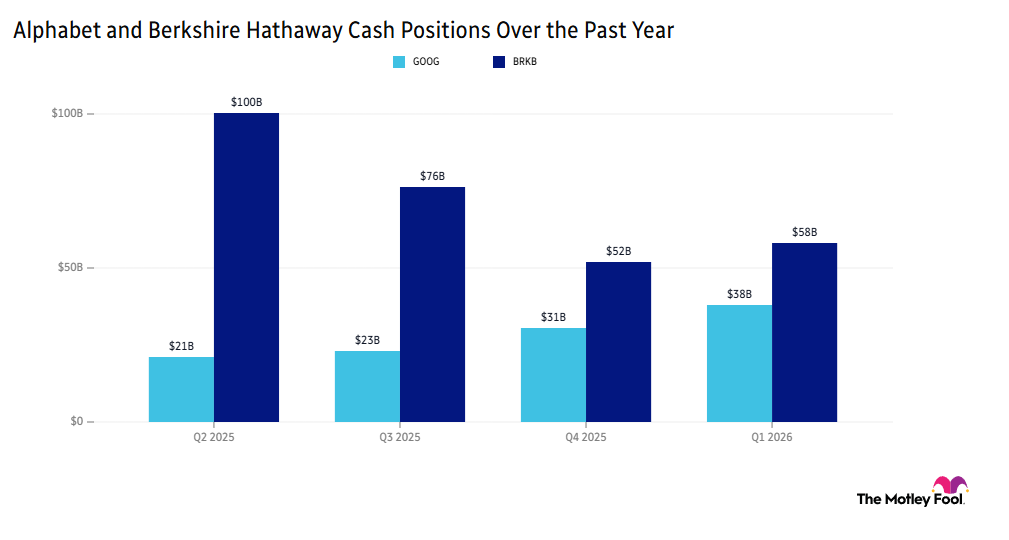
- Historic Stock Sale: Alphabet confirmed it will sell $80 billion in stock, including a $10 billion stake to Berkshire Hathaway, to raise capital for AI compute infrastructure to meet unprecedented customer demand, although its stock fell about 2.5% ahead of the opening bell.
- Berkshire's Increased Stake: Berkshire's current holding in Alphabet is valued at around $20 billion, and this additional $10 billion investment is likely to make it the third-largest portfolio holding, behind Apple and American Express, reflecting confidence in Alphabet's growth potential.
- Strong HPE Performance: Hewlett Packard Enterprise's quarterly results exceeded expectations, with cloud and AI revenue driving its stock up over 25% in pre-market trading, and management now expects revenue growth of 29%-33% for the full year, indicating robust market demand.
- Space Stock Volatility: Ahead of the SpaceX IPO, space-related stocks like Rocket Lab and Redwire fell 14.7% and 15.83% respectively, as investors opted to reduce exposure due to concerns over short-term volatility, despite Rocket Lab outperforming the S&P 500 by 204% since July 2025.

Software Stocks Surge Back, Cybersecurity Leads Rally

- Software Recovery: After a nearly 40% sell-off, software stocks surged about 6%, bringing the iShares Expanded Tech-Software Sector ETF (IGV) into positive territory for the year for the first time, indicating a restoration of market confidence.
- Cybersecurity Leads: The Amplify Cybersecurity ETF (HACK) is up over 30% year-to-date, with CrowdStrike and Palo Alto Networks gaining 67% and 63% respectively, highlighting the surge in cybersecurity demand driven by AI, which may trigger M&A activity in the sector.
- Active Options Trading: In the IGV ETF, call options traded more than twice as much as puts, reflecting strong investor confidence in the software rebound, contrasting sharply with the VanEck Semiconductor ETF (SMH), where put volume was three times that of calls.
- Upcoming Earnings Reports: With major earnings reports from Palo Alto Networks and CrowdStrike on the horizon, market expectations are high, as options pricing suggests an almost 9% move for CrowdStrike's stock, indicating significant investor interest in future performance.

Tech Rally Drives S&P 500 to New Records

- Executive Interview: Goldman Sachs CEO David Solomon will be interviewed during the 'Halftime Report' at the Economic Club of New York, where he is expected to discuss future strategies and market outlook, potentially influencing investor confidence.
- Stock Performance: Goldman Sachs shares have gained 5% in the past week and 13% in the past month, hitting a new high on Monday, indicating strong market demand and investor confidence in financial stocks.
- Competitor Dynamics: Cisco Systems' stock has surged 52% over the past three months, reaching a new high on Monday, showcasing its strong market performance, which may pressure other tech stocks.
- Market Trends: Despite the S&P Financials sector declining by 1% over the past week and month, the overall market remains strong, driven by tech stocks, reflecting investor optimism in the technology sector.
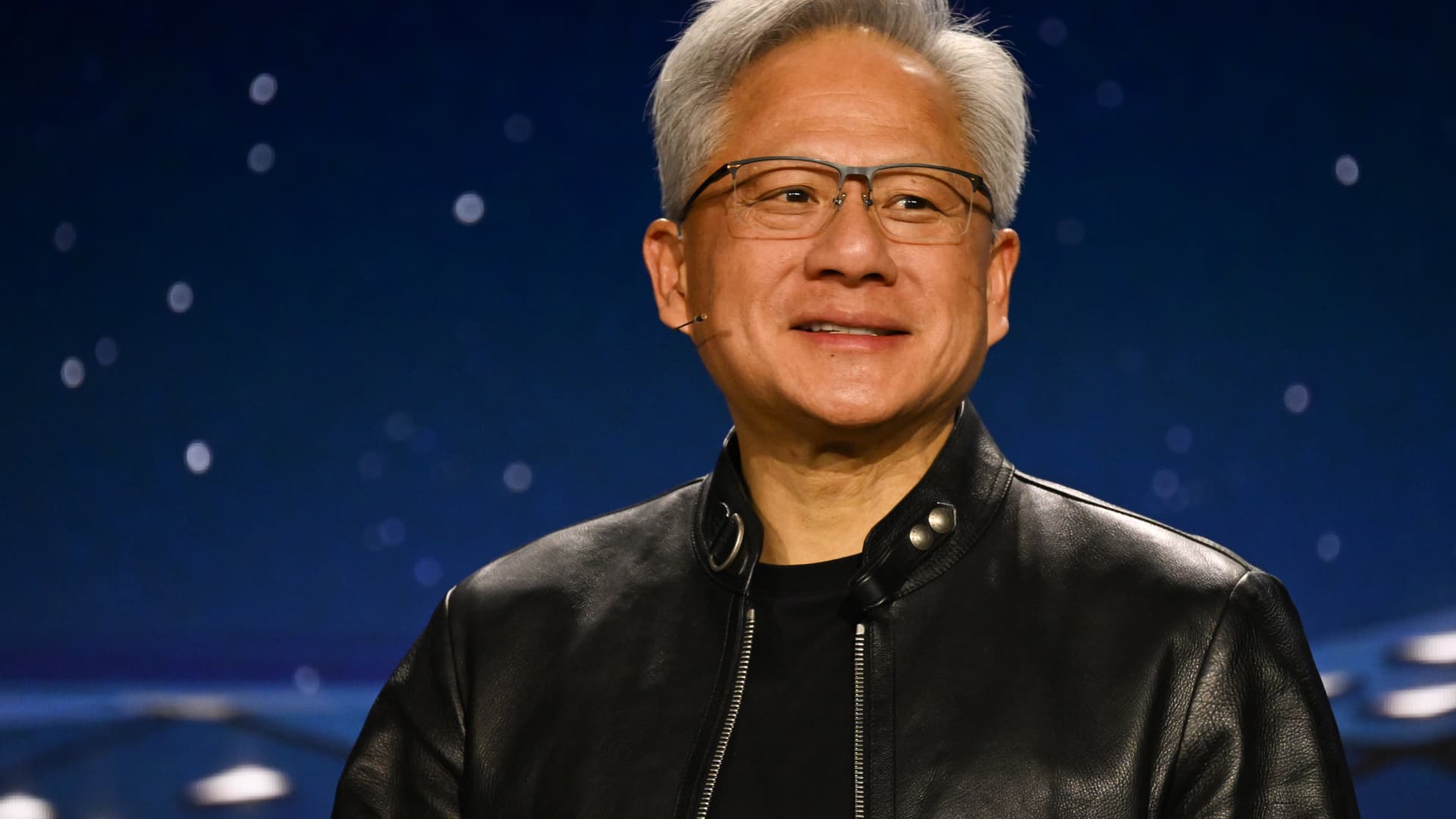
Nvidia Launches First PC Processor, Challenging Intel and AMD Dominance


- Nvidia Processor Launch: Nvidia unveiled its first-ever PC processor at Computex, utilizing the power-efficient Arm instruction set to challenge the dominance of Intel and AMD, indicating a strategic shift towards AI PCs and resulting in a 2% increase in its stock price.
- Arm Benefits: Nvidia's pursuit of PC technology benefits Arm, which licenses its intellectual property for Nvidia's CPUs, collecting royalties per chip; Arm's stock surged 11% in premarket trading and has tripled this year, reflecting strong market optimism about its future.
- Dell Rating Upgrade: Goldman Sachs raised its price target on Dell from $230 to $500 while maintaining a buy rating, highlighting Dell's superior supply chain management, particularly in collaboration with Nvidia on AI servers and new PCs, boosting market confidence in its outlook.
- Berkshire Acquisition Moves: Berkshire Hathaway agreed to acquire Taylor Morrison for $6.8 billion, a relatively small deal that indicates interest in undervalued homebuilders, potentially providing new growth opportunities for Berkshire in real estate investments.
Palo Alto Networks Set to Announce Q3 Earnings on June 2
- Earnings Expectations: Palo Alto Networks anticipates Q3 revenue between $2.941B and $2.945B, reflecting a 28.4% year-over-year growth, with EPS projected between $0.78 and $0.80, indicating sustained growth potential and market confidence.
- Market Performance: Since the beginning of the year, PANW shares have surged 56%, significantly outperforming the S&P 500's 11% increase, reflecting optimistic investor sentiment regarding the company's future performance.
- Analyst Optimism: Analysts from Mizuho Securities and Wedbush express positive outlooks for PANW, highlighting its unique unified coverage across network, cloud, and identity security post-CyberArk acquisition as a key growth driver.
- Performance Stability: PANW has beaten EPS and revenue estimates 100% of the time over the past two years, showcasing its strong market competitiveness and execution capabilities, further bolstering investor confidence.
Anthropic Expands Project Glasswing to 150 New Partners Across 15 Countries
- Project Expansion: Anthropic announced the expansion of Project Glasswing to 150 new partners across more than 15 countries, aiming to enhance software security and assist the industry in adapting to AI's impact on cybersecurity.
- Industry Coverage: This expansion includes sectors such as power, water, healthcare, communications, and hardware, which were underrepresented in the initial launch, indicating Anthropic's commitment to diverse partnerships and expected to enhance its market influence.
- Security Requirements: New partners must meet security requirements to gain access to the model, a measure that not only ensures project safety but also strengthens client trust in Anthropic's capabilities.
- Cybersecurity Vulnerabilities: Since the project's launch, partners have identified over 10,000 high or critical security flaws, demonstrating the project's effectiveness in identifying and addressing cybersecurity issues, which is expected to have a profound impact on future cybersecurity strategies.
Alphabet's $80 Billion AI Investment Plan
- Historic Stock Sale: Alphabet confirmed it will sell $80 billion in stock, including a $10 billion stake to Berkshire Hathaway, to raise capital for AI compute infrastructure to meet unprecedented customer demand, although its stock fell about 2.5% ahead of the opening bell.
- Berkshire's Increased Stake: Berkshire's current holding in Alphabet is valued at around $20 billion, and this additional $10 billion investment is likely to make it the third-largest portfolio holding, behind Apple and American Express, reflecting confidence in Alphabet's growth potential.
- Strong HPE Performance: Hewlett Packard Enterprise's quarterly results exceeded expectations, with cloud and AI revenue driving its stock up over 25% in pre-market trading, and management now expects revenue growth of 29%-33% for the full year, indicating robust market demand.
- Space Stock Volatility: Ahead of the SpaceX IPO, space-related stocks like Rocket Lab and Redwire fell 14.7% and 15.83% respectively, as investors opted to reduce exposure due to concerns over short-term volatility, despite Rocket Lab outperforming the S&P 500 by 204% since July 2025.
Software Stocks Surge Back, Cybersecurity Leads Rally
- Software Recovery: After a nearly 40% sell-off, software stocks surged about 6%, bringing the iShares Expanded Tech-Software Sector ETF (IGV) into positive territory for the year for the first time, indicating a restoration of market confidence.
- Cybersecurity Leads: The Amplify Cybersecurity ETF (HACK) is up over 30% year-to-date, with CrowdStrike and Palo Alto Networks gaining 67% and 63% respectively, highlighting the surge in cybersecurity demand driven by AI, which may trigger M&A activity in the sector.
- Active Options Trading: In the IGV ETF, call options traded more than twice as much as puts, reflecting strong investor confidence in the software rebound, contrasting sharply with the VanEck Semiconductor ETF (SMH), where put volume was three times that of calls.
- Upcoming Earnings Reports: With major earnings reports from Palo Alto Networks and CrowdStrike on the horizon, market expectations are high, as options pricing suggests an almost 9% move for CrowdStrike's stock, indicating significant investor interest in future performance.
Tech Rally Drives S&P 500 to New Records
- Executive Interview: Goldman Sachs CEO David Solomon will be interviewed during the 'Halftime Report' at the Economic Club of New York, where he is expected to discuss future strategies and market outlook, potentially influencing investor confidence.
- Stock Performance: Goldman Sachs shares have gained 5% in the past week and 13% in the past month, hitting a new high on Monday, indicating strong market demand and investor confidence in financial stocks.
- Competitor Dynamics: Cisco Systems' stock has surged 52% over the past three months, reaching a new high on Monday, showcasing its strong market performance, which may pressure other tech stocks.
- Market Trends: Despite the S&P Financials sector declining by 1% over the past week and month, the overall market remains strong, driven by tech stocks, reflecting investor optimism in the technology sector.
Nvidia Launches First PC Processor, Challenging Intel and AMD Dominance
- Nvidia Processor Launch: Nvidia unveiled its first-ever PC processor at Computex, utilizing the power-efficient Arm instruction set to challenge the dominance of Intel and AMD, indicating a strategic shift towards AI PCs and resulting in a 2% increase in its stock price.
- Arm Benefits: Nvidia's pursuit of PC technology benefits Arm, which licenses its intellectual property for Nvidia's CPUs, collecting royalties per chip; Arm's stock surged 11% in premarket trading and has tripled this year, reflecting strong market optimism about its future.
- Dell Rating Upgrade: Goldman Sachs raised its price target on Dell from $230 to $500 while maintaining a buy rating, highlighting Dell's superior supply chain management, particularly in collaboration with Nvidia on AI servers and new PCs, boosting market confidence in its outlook.
- Berkshire Acquisition Moves: Berkshire Hathaway agreed to acquire Taylor Morrison for $6.8 billion, a relatively small deal that indicates interest in undervalued homebuilders, potentially providing new growth opportunities for Berkshire in real estate investments.