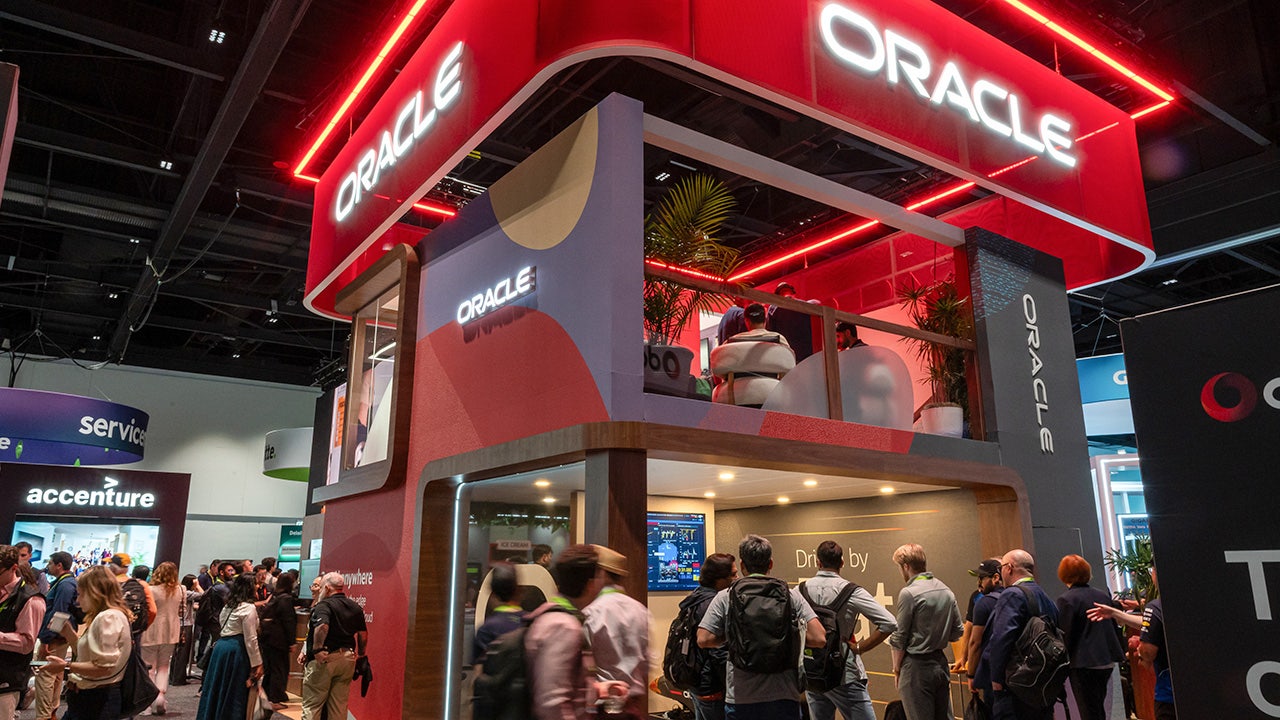
Palantir Partners with Centrus Energy to Expand Uranium Enrichment Capacity
Palantir (PLTR) and Centrus Energy (LEU), announced a partnership that will apply Palantir's AI-driven software tools in support of Centrus' multi-billion-dollar expansion of its uranium enrichment capacity. The partnership will be featured later at AIPCon 9. "Centrus has developed and proven America's most advanced uranium enrichment technology, and this expansion marks the moment when we scale it for commercial deployment. By integrating Palantir's powerful tools and proven techniques into our manufacturing we are positioned to meet and exceed all operational excellence goals," said Centrus President and CEO Amir Vexler. "The nearly $300 million in savings we have identified to date are only the beginning. This partnership builds on our recently announced EPC partnership with Fluor and demonstrates Centrus' day-one commitment to bring in lead times and reduce unit costs for this project. It strengthens our ability to deliver a reliable, American-owned source of enriched uranium to support the nation's energy security and the next generation of advanced reactors."
Trade with 70% Backtested Accuracy
Analyst Views on PLTR

About PLTR
About the author


Palantir Technologies Reports Impressive Financial Performance

- Significant Revenue Growth: Palantir's U.S. commercial revenue surged by 137% in the most recent quarter, significantly outpacing the 66% growth in government revenue, demonstrating its robust performance in the commercial sector and solidifying its market position.
- Profitability Improvement: The company has more than doubled its net income over the past three years, and despite generating less than $5 billion in revenue, the combination of strong profit growth and market demand has captivated many retail investors.
- Valuation Controversy: Currently trading at over 200 times earnings, Palantir's high valuation raises concerns among investors about potential growth slowdowns, which could increase investment risks despite its impressive growth potential.
- Market Capitalization: With a market cap of approximately $330 billion, Palantir remains a focal point for investors, even as its stock has declined by 23%, driven by strong growth prospects and market enthusiasm.

Palantir Deeply Embedded in U.S. Defense Systems Amid Rising Spending
- Rising Defense Spending: Congress has approved a $901 billion military budget for 2026, with the Pentagon seeking around $200 billion in supplemental funding, creating a robust market opportunity for Palantir, particularly in data analytics and AI.
- Strong Government Business: Palantir's U.S. government revenue surged 55% year-over-year to approximately $1.8 billion in 2025, reflecting expanding deployments across defense programs and enhancing the company's competitive edge in the government sector.
- Commercial Revenue Surge: In fiscal 2025, Palantir's U.S. commercial revenue soared 109% year-over-year to around $1.4 billion, showcasing strong traction of its AI platform and proprietary ontology framework in the commercial space.
- Valuation Risks: Despite Palantir's impressive performance amid rising defense spending, its valuation exceeds 77 times forward earnings, limiting future upside potential, prompting investors to adopt a cautious approach by gradually building positions rather than aggressively buying at elevated levels.

Buffett's Optimism for Apple's Growth in 2026


- Investor Focus Shift: As investors increasingly turn to emerging potential winners, Apple's status as Buffett's largest holding may lead to a stock price surge in 2026, particularly following its gradual entry into the AI space, which enhances market recognition of its safety and growth potential.
- Brand Loyalty: Apple continues to profit from sales of smartphones and Macs due to its strong brand effect and customer loyalty, with future growth drivers expected to stem from its services business, especially recurring revenue linked to over 2.5 billion active devices.
- Growth Potential in Services: Apple's services business has shown robust growth, as customers typically subscribe to additional digital entertainment or storage services after purchasing an iPhone, creating a steady revenue stream that further solidifies its market position.
- Strong Financial Performance: Apple has reported record services revenue in recent quarters, and with a gross margin of 47.33% and a dividend yield of 0.41%, the company demonstrates financial health and growth potential that attracts more investor interest.

Buffett's Optimism for Apple's Future Growth
- Buffett's Endorsement: Buffett praised Apple CEO Tim Cook at the recent shareholder meeting, indicating his ongoing confidence in the company, even as he has gradually reduced his stake; Apple remains the largest holding in Berkshire Hathaway's portfolio, underscoring its significance.
- Active Device Count: Apple now boasts over 2.5 billion active devices worldwide, providing a substantial user base that fuels recurring revenue through its services business, as customers typically subscribe to additional digital entertainment or storage services after purchasing an iPhone, leading to stable cash flow.
- Service Revenue Growth: The company has reported record service revenue in recent quarters, highlighting the strong growth potential of its services segment, and with ongoing demand for new products, this trend is expected to further enhance overall performance.
- AI Market Potential: Although Apple was late to the AI game, the increasing investor interest in AI stocks may position Apple as a new winner; combined with its strong brand loyalty and stable revenue streams, significant growth is anticipated in 2026.

Iran Threatens Attacks on U.S. Tech Firms


- Escalating Threats: The Islamic Revolutionary Guard Corps (IRGC) has declared intentions to attack 18 U.S. tech companies, including Nvidia, Apple, Microsoft, and Google, in retaliation for U.S. and Israeli strikes on Iran, indicating a significant escalation in regional tensions.
- Specific Attack Timeline: The IRGC warned that attacks would commence at 8 PM Tehran time on April 1, urging employees at these companies to evacuate immediately to safeguard their lives, highlighting the urgency and potential danger of the situation.
- Vulnerability of Tech Infrastructure: This threat follows Iranian strikes on AWS data centers in the Middle East, which caused outages in several apps and digital services in the UAE, underscoring the vulnerability of U.S. tech firms' infrastructure in the region and its impact on business operations.
- Corporate Response Strategies: Companies like Intel have stated that employee safety is their top priority and are implementing measures to protect their facilities in the Middle East, reflecting their adaptability to geopolitical risks and commitment to employee welfare.

Iran's IRGC Threatens U.S. Tech Firms Amid Rising Tensions

- Expanded Threat Scope: Iran's Islamic Revolutionary Guard Corps (IRGC) has designated 18 U.S. tech companies, including Nvidia, Apple, Microsoft, and Google, as 'legitimate targets' in retaliation for U.S. and Israeli strikes on Iran, highlighting escalating regional tensions.
- Attack Timeline Set: The IRGC announced via Telegram that attacks on these companies would commence at 8 p.m. Tehran time on April 1, warning employees to evacuate workplaces immediately to safeguard their lives, indicating the urgency of their threats.
- Enhanced Security Measures: An Intel spokesperson stated that the safety of their team is the top priority, and the company is implementing measures to protect workers and facilities in the Middle East, reflecting tech firms' strategies in response to security threats.
- Significant Market Impact: As U.S. tech companies have increased investments in the Middle East, particularly in AI infrastructure, the IRGC's threats may compel these firms to reassess their operations and investment strategies in the region, potentially affecting future market positioning.
Palantir Technologies Reports Impressive Financial Performance
- Significant Revenue Growth: Palantir's U.S. commercial revenue surged by 137% in the most recent quarter, significantly outpacing the 66% growth in government revenue, demonstrating its robust performance in the commercial sector and solidifying its market position.
- Profitability Improvement: The company has more than doubled its net income over the past three years, and despite generating less than $5 billion in revenue, the combination of strong profit growth and market demand has captivated many retail investors.
- Valuation Controversy: Currently trading at over 200 times earnings, Palantir's high valuation raises concerns among investors about potential growth slowdowns, which could increase investment risks despite its impressive growth potential.
- Market Capitalization: With a market cap of approximately $330 billion, Palantir remains a focal point for investors, even as its stock has declined by 23%, driven by strong growth prospects and market enthusiasm.
Palantir Deeply Embedded in U.S. Defense Systems Amid Rising Spending
- Rising Defense Spending: Congress has approved a $901 billion military budget for 2026, with the Pentagon seeking around $200 billion in supplemental funding, creating a robust market opportunity for Palantir, particularly in data analytics and AI.
- Strong Government Business: Palantir's U.S. government revenue surged 55% year-over-year to approximately $1.8 billion in 2025, reflecting expanding deployments across defense programs and enhancing the company's competitive edge in the government sector.
- Commercial Revenue Surge: In fiscal 2025, Palantir's U.S. commercial revenue soared 109% year-over-year to around $1.4 billion, showcasing strong traction of its AI platform and proprietary ontology framework in the commercial space.
- Valuation Risks: Despite Palantir's impressive performance amid rising defense spending, its valuation exceeds 77 times forward earnings, limiting future upside potential, prompting investors to adopt a cautious approach by gradually building positions rather than aggressively buying at elevated levels.
Buffett's Optimism for Apple's Growth in 2026
- Investor Focus Shift: As investors increasingly turn to emerging potential winners, Apple's status as Buffett's largest holding may lead to a stock price surge in 2026, particularly following its gradual entry into the AI space, which enhances market recognition of its safety and growth potential.
- Brand Loyalty: Apple continues to profit from sales of smartphones and Macs due to its strong brand effect and customer loyalty, with future growth drivers expected to stem from its services business, especially recurring revenue linked to over 2.5 billion active devices.
- Growth Potential in Services: Apple's services business has shown robust growth, as customers typically subscribe to additional digital entertainment or storage services after purchasing an iPhone, creating a steady revenue stream that further solidifies its market position.
- Strong Financial Performance: Apple has reported record services revenue in recent quarters, and with a gross margin of 47.33% and a dividend yield of 0.41%, the company demonstrates financial health and growth potential that attracts more investor interest.
Buffett's Optimism for Apple's Future Growth
- Buffett's Endorsement: Buffett praised Apple CEO Tim Cook at the recent shareholder meeting, indicating his ongoing confidence in the company, even as he has gradually reduced his stake; Apple remains the largest holding in Berkshire Hathaway's portfolio, underscoring its significance.
- Active Device Count: Apple now boasts over 2.5 billion active devices worldwide, providing a substantial user base that fuels recurring revenue through its services business, as customers typically subscribe to additional digital entertainment or storage services after purchasing an iPhone, leading to stable cash flow.
- Service Revenue Growth: The company has reported record service revenue in recent quarters, highlighting the strong growth potential of its services segment, and with ongoing demand for new products, this trend is expected to further enhance overall performance.
- AI Market Potential: Although Apple was late to the AI game, the increasing investor interest in AI stocks may position Apple as a new winner; combined with its strong brand loyalty and stable revenue streams, significant growth is anticipated in 2026.
Iran Threatens Attacks on U.S. Tech Firms
- Escalating Threats: The Islamic Revolutionary Guard Corps (IRGC) has declared intentions to attack 18 U.S. tech companies, including Nvidia, Apple, Microsoft, and Google, in retaliation for U.S. and Israeli strikes on Iran, indicating a significant escalation in regional tensions.
- Specific Attack Timeline: The IRGC warned that attacks would commence at 8 PM Tehran time on April 1, urging employees at these companies to evacuate immediately to safeguard their lives, highlighting the urgency and potential danger of the situation.
- Vulnerability of Tech Infrastructure: This threat follows Iranian strikes on AWS data centers in the Middle East, which caused outages in several apps and digital services in the UAE, underscoring the vulnerability of U.S. tech firms' infrastructure in the region and its impact on business operations.
- Corporate Response Strategies: Companies like Intel have stated that employee safety is their top priority and are implementing measures to protect their facilities in the Middle East, reflecting their adaptability to geopolitical risks and commitment to employee welfare.
Iran's IRGC Threatens U.S. Tech Firms Amid Rising Tensions
- Expanded Threat Scope: Iran's Islamic Revolutionary Guard Corps (IRGC) has designated 18 U.S. tech companies, including Nvidia, Apple, Microsoft, and Google, as 'legitimate targets' in retaliation for U.S. and Israeli strikes on Iran, highlighting escalating regional tensions.
- Attack Timeline Set: The IRGC announced via Telegram that attacks on these companies would commence at 8 p.m. Tehran time on April 1, warning employees to evacuate workplaces immediately to safeguard their lives, indicating the urgency of their threats.
- Enhanced Security Measures: An Intel spokesperson stated that the safety of their team is the top priority, and the company is implementing measures to protect workers and facilities in the Middle East, reflecting tech firms' strategies in response to security threats.
- Significant Market Impact: As U.S. tech companies have increased investments in the Middle East, particularly in AI infrastructure, the IRGC's threats may compel these firms to reassess their operations and investment strategies in the region, potentially affecting future market positioning.