Orion Completes First Crewed Deep Space Mission in 53 Years
Written by Emily J. Thompson, Senior Investment Analyst
Updated: 1 hour ago
0mins
Should l Buy LMT?
Source: PRnewswire
- Successful Mission Return: After completing a 694,481-mile round trip to the Moon, the Orion spacecraft successfully splashed down in the Pacific Ocean, marking a significant milestone for NASA's Artemis II mission and demonstrating its capability to safely transport astronauts beyond low Earth orbit, ensuring feasibility for future Artemis missions.
- Technical Validation: During the mission, Orion's heat shield withstood temperatures nearing 5,000 degrees Fahrenheit, while its parachute system executed a precise descent sequence to ensure astronaut safety upon return, validating its performance in extreme environments and laying the groundwork for future lunar exploration.
- Data Collection and Analysis: The astronauts gathered essential data during the mission, which will be used to refine systems and operations in preparation for Artemis III's critical docking with NASA's Human Landing System, further advancing the timeline for human return to the Moon.
- Long-term Exploration Strategy: Lockheed Martin, as the prime contractor for Orion, continues to collaborate with NASA and its partners to enable sustainable lunar exploration and support the agency's long-term goals for human exploration of Mars, showcasing the company's leadership in the aerospace sector.
Trade with 70% Backtested Accuracy
Stop guessing "Should I Buy LMT?" and start using high-conviction signals backed by rigorous historical data.
Sign up today to access powerful investing tools and make smarter, data-driven decisions.
Analyst Views on LMT
Wall Street analysts forecast LMT stock price to fall
12 Analyst Rating
4 Buy
7 Hold
1 Sell
Hold
Current: 623.870

Low
430.00
Averages
535.50
High
605.00
Current: 623.870
Low
430.00
Averages
535.50
High
605.00
About LMT
Lockheed Martin Corporation is a global aerospace and defense company. The Company is engaged in the research, design, development, manufacture, integration and sustainment of advanced technology systems, products and services. Its segments include Aeronautics, Missiles and Fire Control (MFC), Rotary and Mission Systems (RMS) and Space. Aeronautics segment is engaged in the research, design, development, manufacture, integration, sustainment, support and upgrade of advanced military aircraft. MFC segment provides air and missile defense systems, manned and unmanned ground vehicles, energy management solutions, and others. RMS segment designs, manufactures, services and supports various military and commercial helicopters, surface ships, sea and land-based missile defense systems, and others. Its Space segment is engaged in the research and design, development, engineering and production of satellites, space transportation systems, and strategic, advanced strike, and defensive systems.
About the author

Emily J. Thompson
Emily J. Thompson, a Chartered Financial Analyst (CFA) with 12 years in investment research, graduated with honors from the Wharton School. Specializing in industrial and technology stocks, she provides in-depth analysis for Intellectia’s earnings and market brief reports.
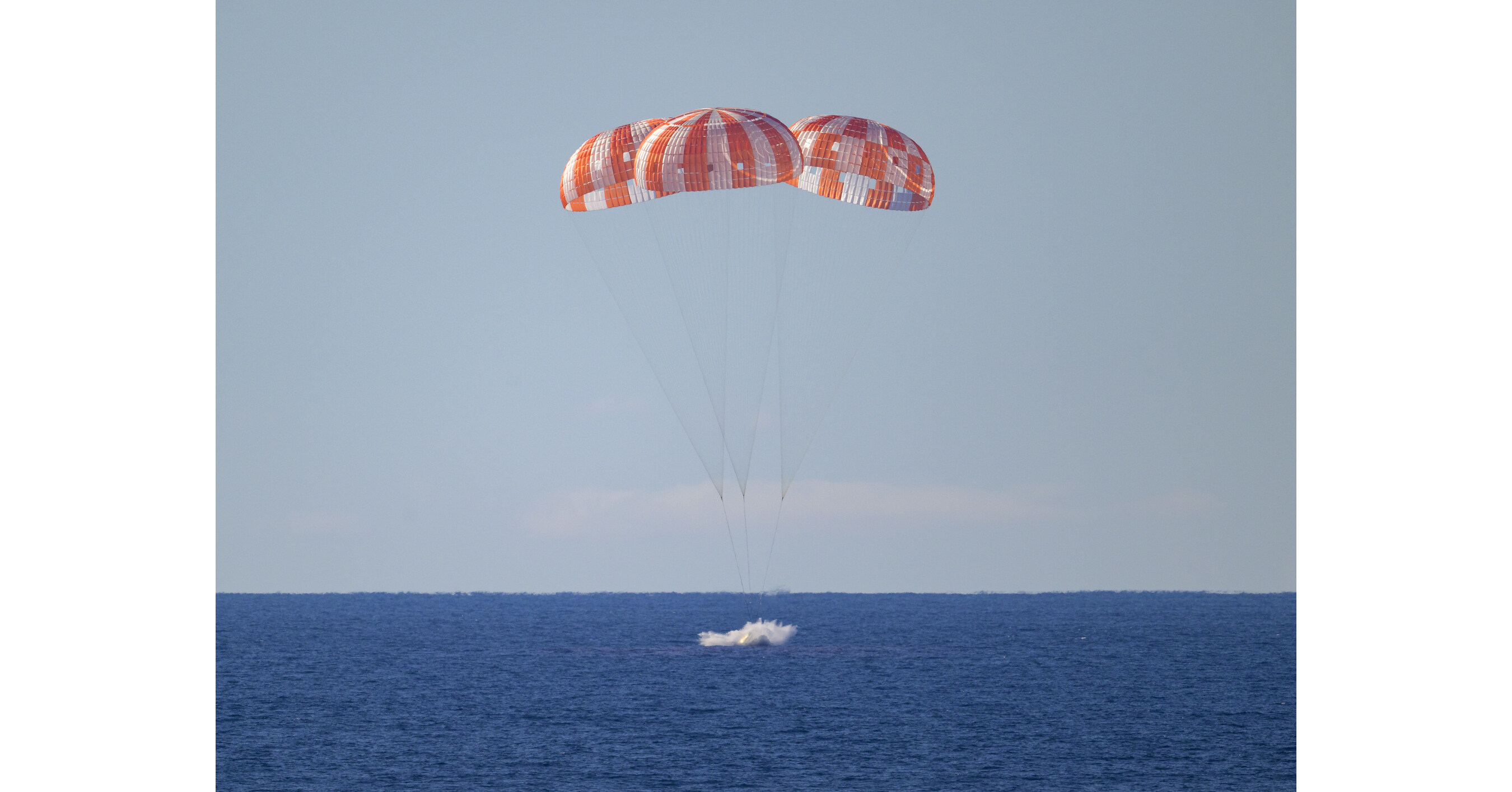
Orion Completes First Crewed Deep Space Mission in 53 Years

- Successful Mission Return: After completing a 694,481-mile round trip to the Moon, the Orion spacecraft successfully splashed down in the Pacific Ocean, marking a significant milestone for NASA's Artemis II mission and demonstrating its capability to safely transport astronauts beyond low Earth orbit, ensuring feasibility for future Artemis missions.
- Technical Validation: During the mission, Orion's heat shield withstood temperatures nearing 5,000 degrees Fahrenheit, while its parachute system executed a precise descent sequence to ensure astronaut safety upon return, validating its performance in extreme environments and laying the groundwork for future lunar exploration.
- Data Collection and Analysis: The astronauts gathered essential data during the mission, which will be used to refine systems and operations in preparation for Artemis III's critical docking with NASA's Human Landing System, further advancing the timeline for human return to the Moon.
- Long-term Exploration Strategy: Lockheed Martin, as the prime contractor for Orion, continues to collaborate with NASA and its partners to enable sustainable lunar exploration and support the agency's long-term goals for human exploration of Mars, showcasing the company's leadership in the aerospace sector.
See More

Orion Completes First Crewed Deep Space Mission in 53 Years
- Successful Mission Return: The Orion spacecraft completed a 694,481-mile round trip to the Moon, marking the successful execution of humanity's first crewed deep space mission in 53 years, boosting confidence in NASA's future Artemis missions.
- Exceptional Flight Performance: Re-entering Earth's atmosphere at speeds nearing 24,000 mph, Orion demonstrated reliability by withstanding temperatures close to 5,000 degrees Fahrenheit, laying the groundwork for future crewed lunar exploration.
- Scientific Data Collection: Astronauts recorded a record distance of 252,756 miles in human spaceflight and conducted critical evaluations of life support, navigation, and communication systems, providing essential data for the upcoming Artemis III docking tests.
- Long-term Exploration Strategy: Lockheed Martin, as the prime contractor for Orion, continues to collaborate with NASA to advance sustainable lunar exploration and support long-term human exploration goals for Mars, showcasing the company's leadership in the aerospace sector.
See More
Orion Successfully Completes Artemis II Mission
- Milestone in Deep Space: The Orion spacecraft successfully completed the Artemis II mission, safely splashing down after a journey of 694,481 miles, marking a significant achievement in humanity's first deep space mission in over fifty years and greatly enhancing NASA's confidence in future lunar exploration.
- Flight Performance Validation: During the mission, Orion re-entered Earth's atmosphere at speeds approaching 24,000 mph, successfully validating its performance in extreme environments, ensuring astronaut safety for future missions.
- Scientific Data Collection: Astronauts recorded a record distance of 252,756 miles, conducting critical evaluations of life support, navigation, and propulsion systems, providing essential data to support preparations for Artemis III and IV missions.
- Showcase of Technological Innovation: Orion's heat shield withstood temperatures nearing 5,000 degrees Fahrenheit, while its parachute system executed a precise descent, demonstrating Lockheed Martin's ongoing innovation in aerospace technology.
See More
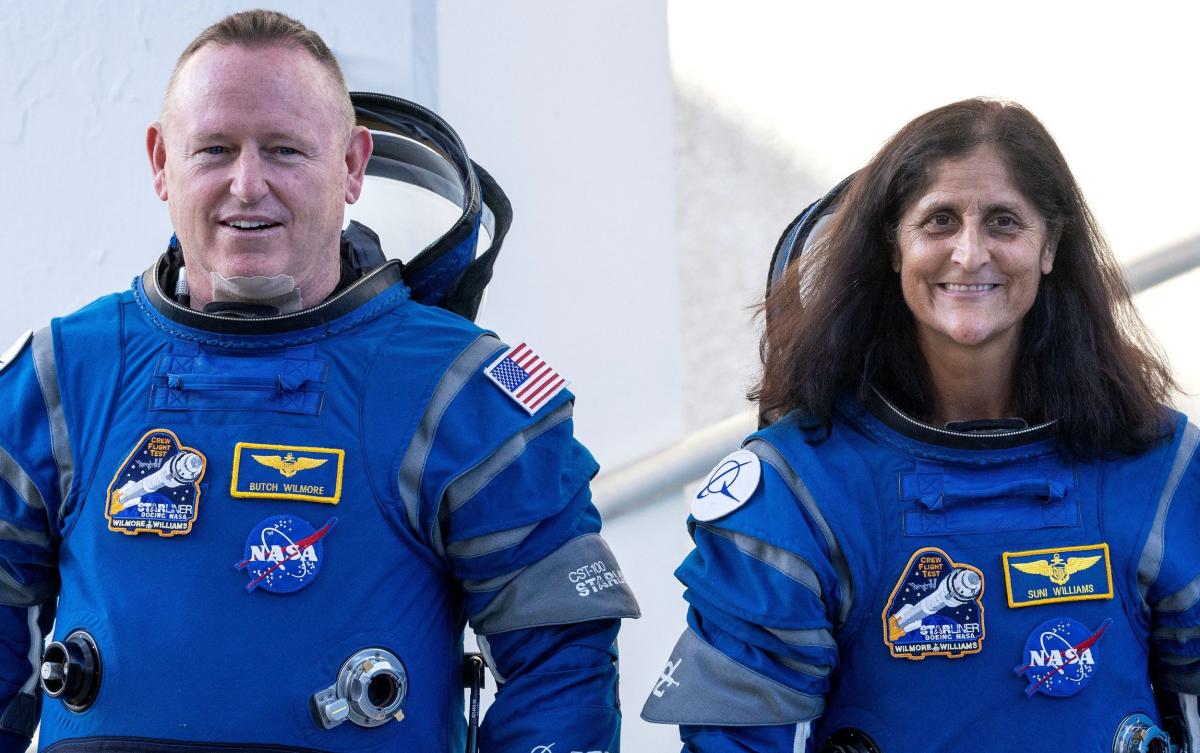
FOUR ASTRONAUTS FROM ARTEMIS II MISSION LAND SAFELY OFF SOUTHERN CALIFORNIA AFTER 10-DAY JOURNEY AROUND THE MOON

Mission Overview: Four astronauts from Artemis II are set to embark on a 10-day mission that will take them around the Moon and back.
Launch Location: The mission will launch from Southern California's coast, marking a significant step in lunar exploration.
See More
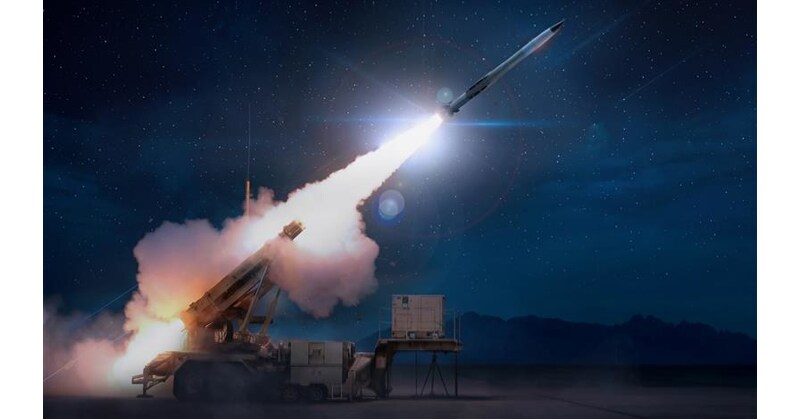
Lockheed Martin Secures $4.7 Billion PAC-3 MSE Contract
- Massive Contract Award: The U.S. government has awarded Lockheed Martin a $4.7 billion contract to accelerate the production of PAC-3 Missile Segment Enhancement (MSE), ensuring record deliveries of combat-proven interceptors for American and allied forces this year, thereby enhancing defense capabilities.
- Production Acceleration Strategy: This contract follows a framework agreement signed with the Department of War on January 6, aimed at ramping up PAC-3 MSE production as part of the government's Acquisition Transformation Strategy, ensuring that warfighters have an unmatched defensive shield.
- Significant Technological Edge: The PAC-3 MSE is recognized as the world's advanced air defense missile, proven effective in operations such as Operation Epic Fury, providing critical defense against a wide range of threats and further solidifying the security of the U.S. and its allies.
- Urgent National Response: Lockheed Martin emphasizes its commitment to accelerate production to meet urgent national needs, investing in facilities, workforce, and supply chain to ensure rapid, large-scale deliveries in support of warfighters and allies.
See More
Lockheed Martin Secures $4.7 Billion PAC-3 Contract
- Massive Contract Award: The U.S. government has awarded Lockheed Martin a $4.7 billion contract to accelerate the production of PAC-3 Missile Segment Enhancement, significantly enhancing defense capabilities for the U.S. and its allies.
- Production Acceleration Strategy: This contract follows a framework agreement with the Department of War aimed at tripling PAC-3 MSE production capacity as part of the government's Acquisition Transformation Strategy, providing unmatched defensive capabilities for warfighters.
- Investment and Innovation: Lockheed Martin has invested over $7 billion since President Trump's first term to expand capacity for priority systems, including $2 billion specifically for accelerating munitions production, ensuring readiness for future defense needs.
- American Job Growth: The company continues to expand its workforce, creating tens of thousands of high-quality American jobs, ensuring that the U.S. and its allies have the necessary capabilities to protect people and infrastructure while maintaining global freedom.
See More
Orion Completes First Crewed Deep Space Mission in 53 Years
- Successful Mission Return: After completing a 694,481-mile round trip to the Moon, the Orion spacecraft successfully splashed down in the Pacific Ocean, marking a significant milestone for NASA's Artemis II mission and demonstrating its capability to safely transport astronauts beyond low Earth orbit, ensuring feasibility for future Artemis missions.
- Technical Validation: During the mission, Orion's heat shield withstood temperatures nearing 5,000 degrees Fahrenheit, while its parachute system executed a precise descent sequence to ensure astronaut safety upon return, validating its performance in extreme environments and laying the groundwork for future lunar exploration.
- Data Collection and Analysis: The astronauts gathered essential data during the mission, which will be used to refine systems and operations in preparation for Artemis III's critical docking with NASA's Human Landing System, further advancing the timeline for human return to the Moon.
- Long-term Exploration Strategy: Lockheed Martin, as the prime contractor for Orion, continues to collaborate with NASA and its partners to enable sustainable lunar exploration and support the agency's long-term goals for human exploration of Mars, showcasing the company's leadership in the aerospace sector.
See More
Orion Completes First Crewed Deep Space Mission in 53 Years
- Successful Mission Return: The Orion spacecraft completed a 694,481-mile round trip to the Moon, marking the successful execution of humanity's first crewed deep space mission in 53 years, boosting confidence in NASA's future Artemis missions.
- Exceptional Flight Performance: Re-entering Earth's atmosphere at speeds nearing 24,000 mph, Orion demonstrated reliability by withstanding temperatures close to 5,000 degrees Fahrenheit, laying the groundwork for future crewed lunar exploration.
- Scientific Data Collection: Astronauts recorded a record distance of 252,756 miles in human spaceflight and conducted critical evaluations of life support, navigation, and communication systems, providing essential data for the upcoming Artemis III docking tests.
- Long-term Exploration Strategy: Lockheed Martin, as the prime contractor for Orion, continues to collaborate with NASA to advance sustainable lunar exploration and support long-term human exploration goals for Mars, showcasing the company's leadership in the aerospace sector.
See More
Orion Successfully Completes Artemis II Mission
- Milestone in Deep Space: The Orion spacecraft successfully completed the Artemis II mission, safely splashing down after a journey of 694,481 miles, marking a significant achievement in humanity's first deep space mission in over fifty years and greatly enhancing NASA's confidence in future lunar exploration.
- Flight Performance Validation: During the mission, Orion re-entered Earth's atmosphere at speeds approaching 24,000 mph, successfully validating its performance in extreme environments, ensuring astronaut safety for future missions.
- Scientific Data Collection: Astronauts recorded a record distance of 252,756 miles, conducting critical evaluations of life support, navigation, and propulsion systems, providing essential data to support preparations for Artemis III and IV missions.
- Showcase of Technological Innovation: Orion's heat shield withstood temperatures nearing 5,000 degrees Fahrenheit, while its parachute system executed a precise descent, demonstrating Lockheed Martin's ongoing innovation in aerospace technology.
See More
FOUR ASTRONAUTS FROM ARTEMIS II MISSION LAND SAFELY OFF SOUTHERN CALIFORNIA AFTER 10-DAY JOURNEY AROUND THE MOON
Mission Overview: Four astronauts from Artemis II are set to embark on a 10-day mission that will take them around the Moon and back.
Launch Location: The mission will launch from Southern California's coast, marking a significant step in lunar exploration.
See More
Lockheed Martin Secures $4.7 Billion PAC-3 MSE Contract
- Massive Contract Award: The U.S. government has awarded Lockheed Martin a $4.7 billion contract to accelerate the production of PAC-3 Missile Segment Enhancement (MSE), ensuring record deliveries of combat-proven interceptors for American and allied forces this year, thereby enhancing defense capabilities.
- Production Acceleration Strategy: This contract follows a framework agreement signed with the Department of War on January 6, aimed at ramping up PAC-3 MSE production as part of the government's Acquisition Transformation Strategy, ensuring that warfighters have an unmatched defensive shield.
- Significant Technological Edge: The PAC-3 MSE is recognized as the world's advanced air defense missile, proven effective in operations such as Operation Epic Fury, providing critical defense against a wide range of threats and further solidifying the security of the U.S. and its allies.
- Urgent National Response: Lockheed Martin emphasizes its commitment to accelerate production to meet urgent national needs, investing in facilities, workforce, and supply chain to ensure rapid, large-scale deliveries in support of warfighters and allies.
See More
Lockheed Martin Secures $4.7 Billion PAC-3 Contract
- Massive Contract Award: The U.S. government has awarded Lockheed Martin a $4.7 billion contract to accelerate the production of PAC-3 Missile Segment Enhancement, significantly enhancing defense capabilities for the U.S. and its allies.
- Production Acceleration Strategy: This contract follows a framework agreement with the Department of War aimed at tripling PAC-3 MSE production capacity as part of the government's Acquisition Transformation Strategy, providing unmatched defensive capabilities for warfighters.
- Investment and Innovation: Lockheed Martin has invested over $7 billion since President Trump's first term to expand capacity for priority systems, including $2 billion specifically for accelerating munitions production, ensuring readiness for future defense needs.
- American Job Growth: The company continues to expand its workforce, creating tens of thousands of high-quality American jobs, ensuring that the U.S. and its allies have the necessary capabilities to protect people and infrastructure while maintaining global freedom.
See More