Oracle's New CFO Receives $26 Million Stock Package Amid Layoffs
Written by Emily J. Thompson, Senior Investment Analyst
Updated: 1 day ago
0mins
Should l Buy ORCL?
Source: Yahoo Finance
- Executive Change: Oracle appointed Hilary Maxson as the new CFO with a base salary of $950,000 and a potential performance bonus of $2.5 million, indicating the company's focus on financial management post-restructuring.
- Layoff Controversy: Following the layoff of 30,000 employees, some former workers questioned the criteria for cuts, particularly targeting those with unvested stock options, suggesting potential algorithmic bias in the decision-making process.
- Financial Performance: Oracle reported a 95% increase in net income to $6.13 billion last quarter, with future contracted revenue reaching $130 billion, showcasing strong revenue growth, yet facing over $100 billion in debt pressure.
- AI Investment Plans: Oracle plans to invest $50 billion in AI infrastructure this fiscal year, with layoffs expected to free up $8 to $10 billion in cash flow to support its strategic transformation.
Trade with 70% Backtested Accuracy
Stop guessing "Should I Buy ORCL?" and start using high-conviction signals backed by rigorous historical data.
Sign up today to access powerful investing tools and make smarter, data-driven decisions.
Analyst Views on ORCL
Wall Street analysts forecast ORCL stock price to rise
34 Analyst Rating
25 Buy
9 Hold
0 Sell
Moderate Buy
Current: 137.860

Low
180.00
Averages
309.59
High
400.00
Current: 137.860
Low
180.00
Averages
309.59
High
400.00
About ORCL
Oracle Corporation offers integrated suites of applications plus secure, autonomous infrastructure in the Oracle Cloud. The Company operates through three businesses: cloud and license, hardware and service. Its cloud and license business is engaged in the sale, marketing and delivery of its enterprise applications and infrastructure technologies through cloud and on-premise deployment models including its cloud services and license support offerings, and its cloud license and on-premise license offerings. Its hardware business provides infrastructure technologies including Oracle Engineered Systems, servers, storage, industry-specific hardware, operating systems, virtualization, management and other hardware-related software to support diverse IT environments. Its services business provides services to customers and partners to help maximize the performance of their investments in Oracle applications and infrastructure technologies.
About the author

Emily J. Thompson
Emily J. Thompson, a Chartered Financial Analyst (CFA) with 12 years in investment research, graduated with honors from the Wharton School. Specializing in industrial and technology stocks, she provides in-depth analysis for Intellectia’s earnings and market brief reports.

Oracle Stock Faces Short Selling Pressure

- Significant Short Pressure: According to Hazeltree's report, Oracle has become one of the most shorted large-cap stocks in North America, with its stock price down approximately 29% year-to-date, reflecting market concerns over its high valuation and substantial debt, particularly amid escalating geopolitical tensions.
- Strong Earnings Report: Despite Oracle achieving a 24% year-over-year increase in earnings and a 22% rise in revenue in its latest quarterly report, along with a 44% surge in cloud revenue, the stock price failed to rebound significantly, indicating market caution regarding its future growth prospects.
- Massive Remaining Performance Obligations: Oracle's remaining performance obligations (RPO) stand at a staggering $553 billion, up 325% year-over-year; however, $300 billion of this is tied to a deal with OpenAI, raising investor concerns about the realization of these obligations, which could impact future cash flow.
- Heavy Debt Burden: With total debt around $162 billion and a debt-to-equity ratio of 415%, Oracle anticipates a 17% revenue growth, but much of this revenue will be allocated to debt repayment, potentially exerting pressure on earnings.
See More
Trump Orders Complete Blockade of Strait of Hormuz Amidst Stalled U.S.-Iran Talks


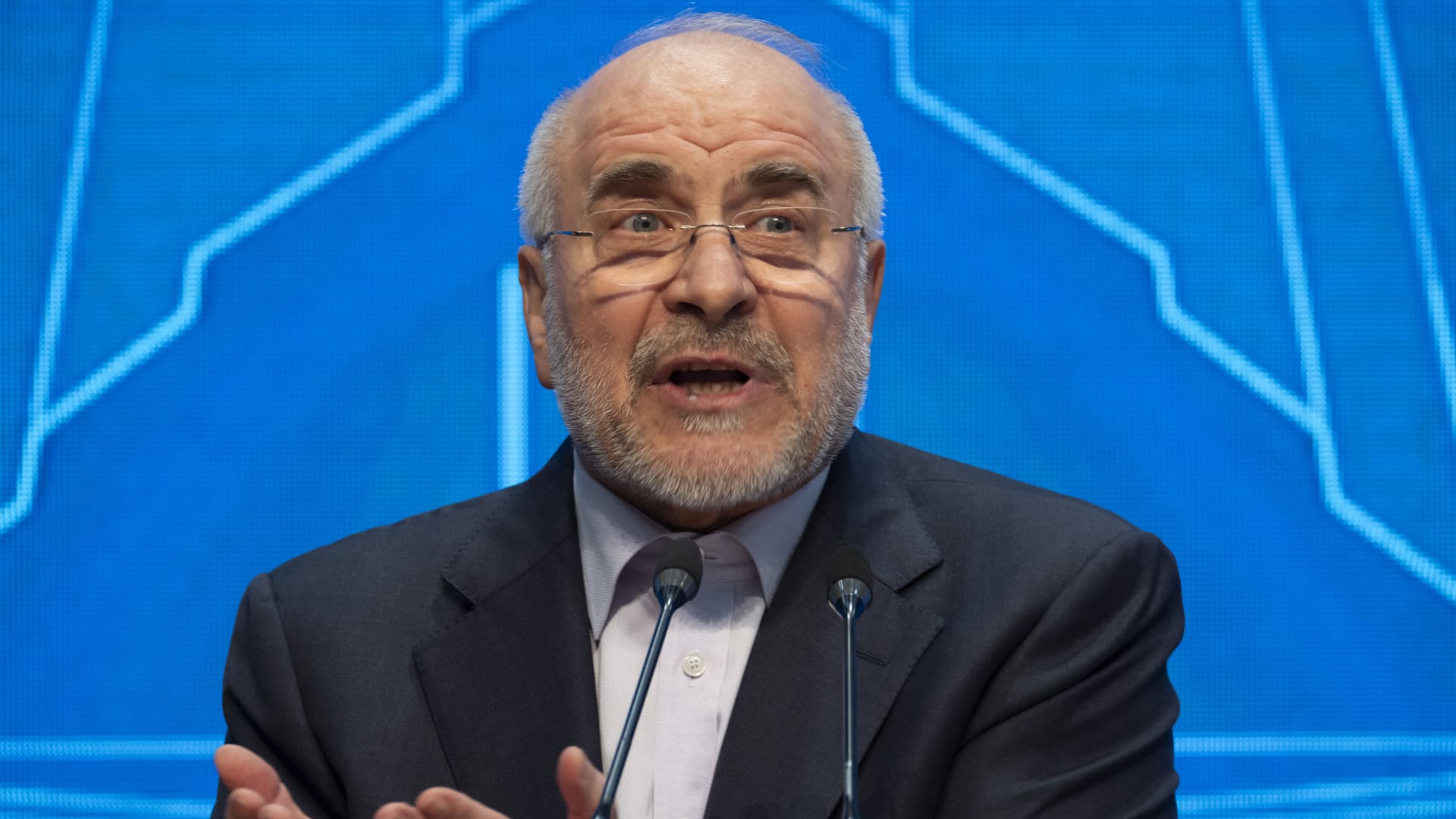
- Blockade Order: President Trump has ordered a complete blockade of the Strait of Hormuz, prohibiting all vessels from passing, aimed at pressuring Iran to abandon its nuclear weapons pursuit, which could lead to a tightening of global energy supplies.
- Surge in Oil Prices: Trump's announcement of the blockade caused oil prices to surge over 8%, reflecting market concerns over a potential energy crisis while exacerbating investor anxiety and impacting global market performance.
- Market Reaction: Following the blockade news, Asian markets fell in early Monday trading, and U.S. futures also tumbled, with Dow Jones Industrial Average futures losing 517 points, indicating a pessimistic sentiment among investors regarding the economic outlook.
- Decline in Consumer Confidence: American consumer confidence plunged to a record low in April, reflecting the domestic economic impact of the ongoing conflict, further intensifying market uncertainty.
See More

Oracle Stock Short-Term Outlook Analysis
- Stock Performance Decline: Oracle's stock has dropped about 29% year-to-date, primarily due to high valuation, AI spending, and debt issues, and it failed to make the list of AI stocks favored by hedge funds, indicating market concerns about its future growth.
- Strong Earnings but Tepid Response: Despite Oracle achieving a 24% year-over-year earnings increase and a 22% revenue growth in its latest earnings report, with cloud revenue surging 44%, the stock price did not rebound significantly, reflecting the overall pessimism in the tech sector.
- Massive Remaining Performance Obligations: Oracle's remaining performance obligations stand at $553 billion, up 325% year-over-year, but $300 billion of this is tied to a deal with OpenAI, raising investor concerns about its ability to fulfill these obligations, which could impact future revenue stability.
- Significant Debt Pressure: With total debt around $162 billion and a staggering debt-to-equity ratio of 415%, Oracle anticipates a 17% revenue growth in the coming fiscal year, yet most of this revenue will be allocated to debt repayment, potentially dragging down earnings.
See More

Market Focus on AI Bubble Risks

- Equity Market Analysis: In 2026, Oracle and Microsoft's poor stock performance is largely attributed to their significant reliance on OpenAI, with Oracle's $300 billion cloud computing agreement highlighting market concerns over an AI bubble.
- Debt Market Sentiment: Analysis of credit default swaps (CDS) reveals that the debt market is not particularly worried about default risks for Alphabet and Microsoft, but shows heightened concern for Oracle, indicating doubts about its earnings potential.
- OpenAI Funding Dynamics: OpenAI's recent funding round raised $122 billion, achieving a post-money valuation of $852 billion, suggesting that while investors are still willing to back AI growth, there are ongoing concerns about the costs associated with infrastructure development.
- Strategic Investment Choices: Given the current landscape, investors are advised to focus on well-funded companies like Alphabet that lead in engine model development, rather than Oracle, which is focused on building AI infrastructure for OpenAI.
See More

Debt Markets Show Increased Default Risk Concerns for Oracle
- Debt Market Concerns: The debt market shows heightened concern for Oracle's default risk, particularly due to its $300 billion cloud computing agreement with OpenAI, which may limit future profitability and impact investor confidence.
- Equity Underperformance: Oracle and Microsoft's stock performance in 2026 has been poor, primarily due to their significant reliance on OpenAI, leading to increased market worries about their earnings potential and long-term growth prospects.
- CDS Analysis: Credit default swap (CDS) data indicates that Oracle's default risk is priced higher in the market, while Alphabet and Microsoft are viewed as having lower risk, reflecting stronger investor confidence in these companies.
- AI Investment Outlook: Despite OpenAI's recent successful funding round of $122 billion indicating investor support for AI companies, concerns about Oracle's infrastructure capabilities persist, suggesting investors should favor well-funded firms like Alphabet.
See More
Oracle's New CFO Receives $26 Million Stock Package Amid Layoffs
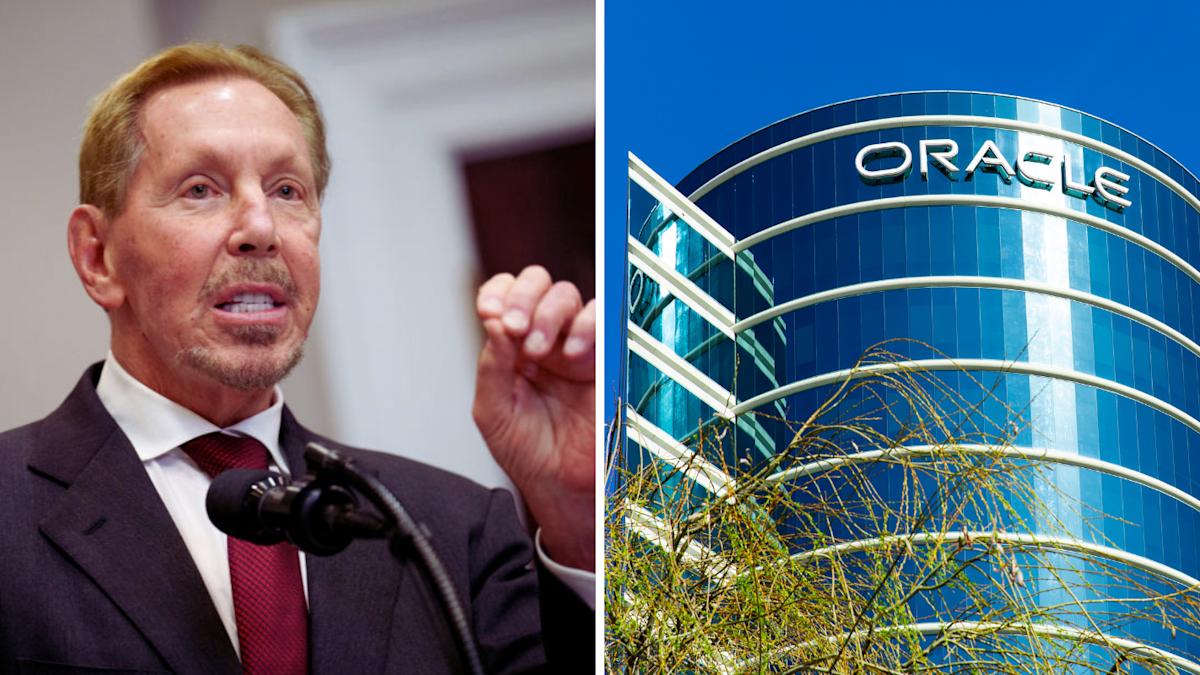
- Executive Change: Oracle appointed Hilary Maxson as the new CFO with a base salary of $950,000 and a potential performance bonus of $2.5 million, indicating the company's focus on financial management post-restructuring.
- Layoff Controversy: Following the layoff of 30,000 employees, some former workers questioned the criteria for cuts, particularly targeting those with unvested stock options, suggesting potential algorithmic bias in the decision-making process.
- Financial Performance: Oracle reported a 95% increase in net income to $6.13 billion last quarter, with future contracted revenue reaching $130 billion, showcasing strong revenue growth, yet facing over $100 billion in debt pressure.
- AI Investment Plans: Oracle plans to invest $50 billion in AI infrastructure this fiscal year, with layoffs expected to free up $8 to $10 billion in cash flow to support its strategic transformation.
See More
Oracle Stock Faces Short Selling Pressure
- Significant Short Pressure: According to Hazeltree's report, Oracle has become one of the most shorted large-cap stocks in North America, with its stock price down approximately 29% year-to-date, reflecting market concerns over its high valuation and substantial debt, particularly amid escalating geopolitical tensions.
- Strong Earnings Report: Despite Oracle achieving a 24% year-over-year increase in earnings and a 22% rise in revenue in its latest quarterly report, along with a 44% surge in cloud revenue, the stock price failed to rebound significantly, indicating market caution regarding its future growth prospects.
- Massive Remaining Performance Obligations: Oracle's remaining performance obligations (RPO) stand at a staggering $553 billion, up 325% year-over-year; however, $300 billion of this is tied to a deal with OpenAI, raising investor concerns about the realization of these obligations, which could impact future cash flow.
- Heavy Debt Burden: With total debt around $162 billion and a debt-to-equity ratio of 415%, Oracle anticipates a 17% revenue growth, but much of this revenue will be allocated to debt repayment, potentially exerting pressure on earnings.
See More
Trump Orders Complete Blockade of Strait of Hormuz Amidst Stalled U.S.-Iran Talks
- Blockade Order: President Trump has ordered a complete blockade of the Strait of Hormuz, prohibiting all vessels from passing, aimed at pressuring Iran to abandon its nuclear weapons pursuit, which could lead to a tightening of global energy supplies.
- Surge in Oil Prices: Trump's announcement of the blockade caused oil prices to surge over 8%, reflecting market concerns over a potential energy crisis while exacerbating investor anxiety and impacting global market performance.
- Market Reaction: Following the blockade news, Asian markets fell in early Monday trading, and U.S. futures also tumbled, with Dow Jones Industrial Average futures losing 517 points, indicating a pessimistic sentiment among investors regarding the economic outlook.
- Decline in Consumer Confidence: American consumer confidence plunged to a record low in April, reflecting the domestic economic impact of the ongoing conflict, further intensifying market uncertainty.
See More
Oracle Stock Short-Term Outlook Analysis
- Stock Performance Decline: Oracle's stock has dropped about 29% year-to-date, primarily due to high valuation, AI spending, and debt issues, and it failed to make the list of AI stocks favored by hedge funds, indicating market concerns about its future growth.
- Strong Earnings but Tepid Response: Despite Oracle achieving a 24% year-over-year earnings increase and a 22% revenue growth in its latest earnings report, with cloud revenue surging 44%, the stock price did not rebound significantly, reflecting the overall pessimism in the tech sector.
- Massive Remaining Performance Obligations: Oracle's remaining performance obligations stand at $553 billion, up 325% year-over-year, but $300 billion of this is tied to a deal with OpenAI, raising investor concerns about its ability to fulfill these obligations, which could impact future revenue stability.
- Significant Debt Pressure: With total debt around $162 billion and a staggering debt-to-equity ratio of 415%, Oracle anticipates a 17% revenue growth in the coming fiscal year, yet most of this revenue will be allocated to debt repayment, potentially dragging down earnings.
See More
Market Focus on AI Bubble Risks
- Equity Market Analysis: In 2026, Oracle and Microsoft's poor stock performance is largely attributed to their significant reliance on OpenAI, with Oracle's $300 billion cloud computing agreement highlighting market concerns over an AI bubble.
- Debt Market Sentiment: Analysis of credit default swaps (CDS) reveals that the debt market is not particularly worried about default risks for Alphabet and Microsoft, but shows heightened concern for Oracle, indicating doubts about its earnings potential.
- OpenAI Funding Dynamics: OpenAI's recent funding round raised $122 billion, achieving a post-money valuation of $852 billion, suggesting that while investors are still willing to back AI growth, there are ongoing concerns about the costs associated with infrastructure development.
- Strategic Investment Choices: Given the current landscape, investors are advised to focus on well-funded companies like Alphabet that lead in engine model development, rather than Oracle, which is focused on building AI infrastructure for OpenAI.
See More
Debt Markets Show Increased Default Risk Concerns for Oracle
- Debt Market Concerns: The debt market shows heightened concern for Oracle's default risk, particularly due to its $300 billion cloud computing agreement with OpenAI, which may limit future profitability and impact investor confidence.
- Equity Underperformance: Oracle and Microsoft's stock performance in 2026 has been poor, primarily due to their significant reliance on OpenAI, leading to increased market worries about their earnings potential and long-term growth prospects.
- CDS Analysis: Credit default swap (CDS) data indicates that Oracle's default risk is priced higher in the market, while Alphabet and Microsoft are viewed as having lower risk, reflecting stronger investor confidence in these companies.
- AI Investment Outlook: Despite OpenAI's recent successful funding round of $122 billion indicating investor support for AI companies, concerns about Oracle's infrastructure capabilities persist, suggesting investors should favor well-funded firms like Alphabet.
See More
Oracle's New CFO Receives $26 Million Stock Package Amid Layoffs
- Executive Change: Oracle appointed Hilary Maxson as the new CFO with a base salary of $950,000 and a potential performance bonus of $2.5 million, indicating the company's focus on financial management post-restructuring.
- Layoff Controversy: Following the layoff of 30,000 employees, some former workers questioned the criteria for cuts, particularly targeting those with unvested stock options, suggesting potential algorithmic bias in the decision-making process.
- Financial Performance: Oracle reported a 95% increase in net income to $6.13 billion last quarter, with future contracted revenue reaching $130 billion, showcasing strong revenue growth, yet facing over $100 billion in debt pressure.
- AI Investment Plans: Oracle plans to invest $50 billion in AI infrastructure this fiscal year, with layoffs expected to free up $8 to $10 billion in cash flow to support its strategic transformation.
See More