ORACLE CORP: ORACLE DISTANCES ITSELF FROM TRC AND DOES NOT SUPPORT TRC'S MINI-TENDER OFFER OR RELATED DOCUMENTS
Oracle's Relationship with TRC: Oracle Corporation is not affiliated with TRC and does not endorse TRC's mini-tender offer.
Mini-Tender Offer Clarification: The statement emphasizes that Oracle does not support or recommend TRC's offer to purchase shares from Oracle's shareholders.
Trade with 70% Backtested Accuracy
Analyst Views on ORCL

About ORCL
About the author

Oracle Shares Plunge Amidst AI Investment Pressures

- Strong Financials: Oracle's fiscal Q3 2026 total revenue rose 22% year-over-year to $17.2 billion, with cloud service revenue surging 44% to $8.9 billion, demonstrating robust demand and solidifying its market position in cloud computing.
- Rapid Cloud Infrastructure Growth: The cloud infrastructure segment saw an 84% year-over-year revenue increase to $4.9 billion, indicating rapid expansion in AI-related services, although this comes with significant capital expenditure pressures.
- Massive Debt Plans: To support its expansion, Oracle plans to raise $45 billion to $50 billion in debt and equity financing in 2026, which could strain free cash flow and elevate the stock's risk profile.
- Layoffs and Restructuring: The company recently initiated a layoff plan aimed at improving financial flexibility through cost-cutting, although this signals the impact of AI spending on current financial health, raising investor concerns.

Oracle Recognized as Leader in Supply Chain Planning by Gartner
- Industry Leadership: Oracle has been recognized as a Leader in the 2026 Gartner Magic Quadrant for Supply Chain Planning Solutions for both discrete and process industries, reflecting its exceptional performance in Ability to Execute and Completeness of Vision, thereby solidifying its market position in intelligent supply chain planning.
- AI-Driven Decision Support: With embedded AI and advanced analytics, Oracle's supply chain planning solutions enhance forecast accuracy and optimize supply and production decisions, enabling customers to respond to market changes in real-time and gain a competitive edge.
- Real-Time Analysis and Optimization: The platform's real-time analytical capabilities allow organizations to dynamically adjust inventory and production schedules, maximizing service levels and minimizing risks, ensuring swift action in the face of supply chain disruptions.
- Collaboration and Integration Capabilities: Oracle's unified platform enhances visibility and coordination among customers, manufacturers, and suppliers, enabling more effective collaboration across the supply chain network and driving business agility and adaptability.

Oracle Reports 22% Revenue Growth in Q3 Amidst Stock Decline
- Significant Revenue Growth: Oracle's fiscal Q3 revenue surged 22% year-over-year to $17.2 billion, primarily driven by an 84% increase in cloud infrastructure sales, indicating strong demand in the cloud services sector.
- Record Performance Obligations: The company's remaining performance obligations (RPO) soared to $553 billion, a staggering 325% year-over-year increase, reflecting success in large-scale AI agreements but also necessitating substantial investments to fulfill these commitments.
- Stock Price Volatility Risk: Despite strong performance, Oracle's stock has fallen over 26% this year, as investors express concerns over the company's $45 billion to $50 billion capital expenditure plans and recent layoffs, which may impact financial flexibility.
- Complex Market Outlook: Oracle plans to raise $45 billion to $50 billion in debt and equity financing in 2026 to support expansion; although a significant portion of new capacity is backed by customer contracts, the high-risk capital expenditures could affect future free cash flow.
Oracle's Stock Plummets Despite Record Sales Growth

- Strong Sales Growth: Oracle's total revenue for Q3 FY2026 rose 22% year-over-year to $17.2 billion, primarily driven by robust demand for cloud services, demonstrating the company's sustained competitiveness in the market.
- Outstanding Cloud Performance: Cloud revenue surged 44% to $8.9 billion, while the cloud infrastructure segment skyrocketed 84% year-over-year to $4.9 billion, marking Oracle's significant position in the rapidly growing AI market.
- Massive Backlog: Oracle's remaining performance obligations reached $553 billion, a staggering 325% increase year-over-year, indicating strong demand in large-scale AI agreements but also necessitating substantial investments to support future growth.
- High-Risk Capital Expenditures: The company plans to raise $45 billion to $50 billion in debt and equity financing in 2026 to fund its capital expenditures, which may pressure free cash flow; however, management noted that much of the new capacity is already backed by customer contracts, mitigating financial risks.
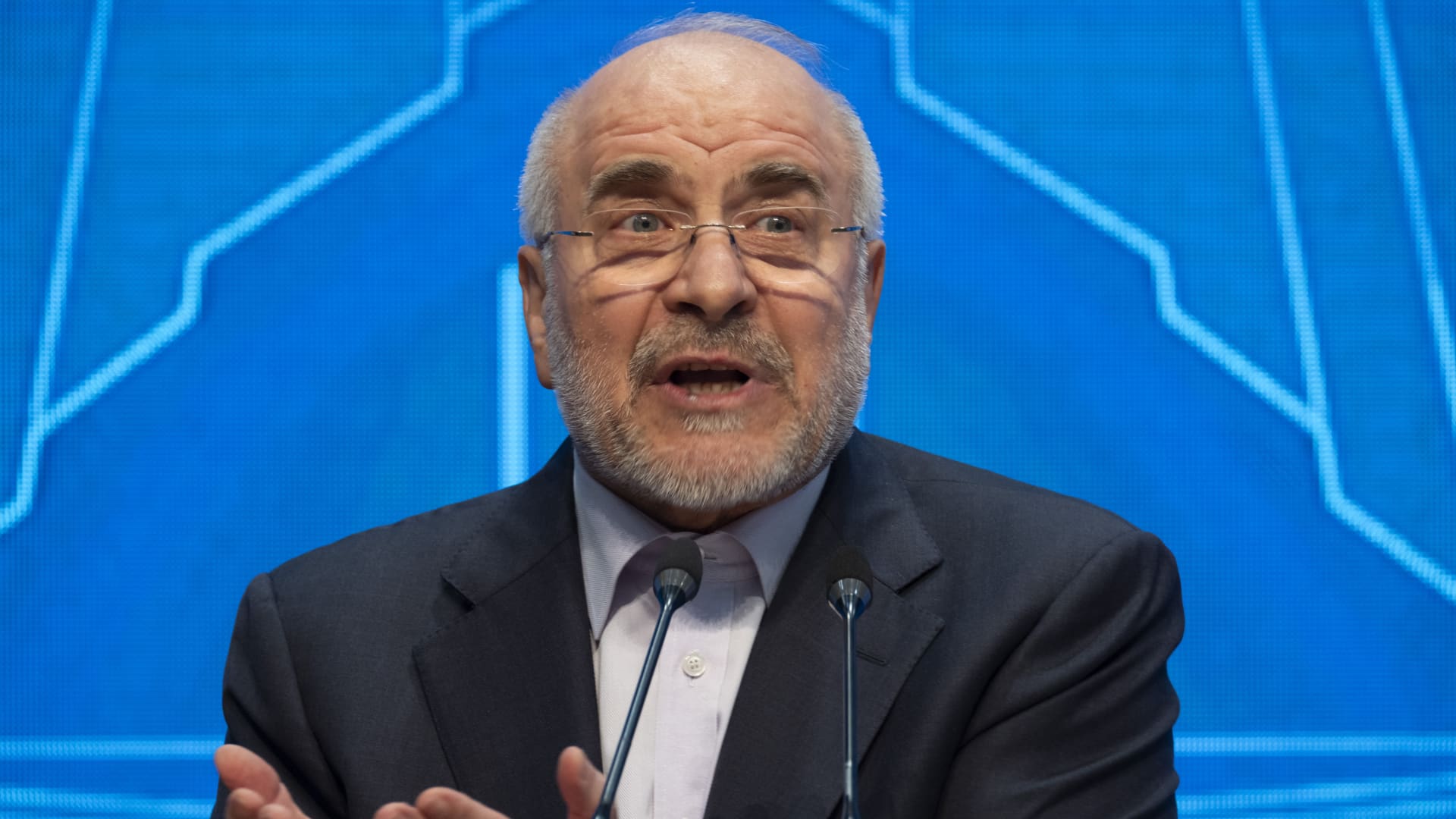
Fragile Ceasefire Agreement Between U.S. and Iran Raises Market Concerns


- Fragile Ceasefire: Just a day after the U.S.-Iran ceasefire was announced, Iranian parliamentary speaker Mohammad Bagher Ghalibaf accused the U.S. of violating three key terms, leading to a loss of market confidence and potential disruptions in global energy supply chains.
- Market Reaction: The ceasefire initially triggered a relief rally across global markets; however, following Iran's accusations, Brent crude and U.S. West Texas Intermediate futures rose in Asian trading, indicating market uncertainty about future developments.
- Strait of Hormuz Traffic: Although the ceasefire agreement mandates the reopening of the Strait of Hormuz to normal shipping traffic, actual vessel traffic remains low, raising concerns about energy supply and further contributing to oil price volatility.
- Fed Policy Signals: Minutes from the Federal Reserve's latest meeting indicate that officials still expect to lower interest rates this year, providing additional support for risk assets, but escalating geopolitical risks could undermine this outlook.
ORACLE CORP: COMPANY REMAINS NEUTRAL ON WHETHER STOCKHOLDERS SHOULD ACCEPT TRC'S OFFER TO TENDER SHARES
Oracle's Position: Oracle Corporation is expressing a neutral stance regarding whether its shareholders should tender their shares in response to TRC's offer.
Shareholder Decision: The company is not taking a definitive position on the tender offer, leaving the decision to its shareholders.
Oracle Shares Plunge Amidst AI Investment Pressures
- Strong Financials: Oracle's fiscal Q3 2026 total revenue rose 22% year-over-year to $17.2 billion, with cloud service revenue surging 44% to $8.9 billion, demonstrating robust demand and solidifying its market position in cloud computing.
- Rapid Cloud Infrastructure Growth: The cloud infrastructure segment saw an 84% year-over-year revenue increase to $4.9 billion, indicating rapid expansion in AI-related services, although this comes with significant capital expenditure pressures.
- Massive Debt Plans: To support its expansion, Oracle plans to raise $45 billion to $50 billion in debt and equity financing in 2026, which could strain free cash flow and elevate the stock's risk profile.
- Layoffs and Restructuring: The company recently initiated a layoff plan aimed at improving financial flexibility through cost-cutting, although this signals the impact of AI spending on current financial health, raising investor concerns.
Oracle Recognized as Leader in Supply Chain Planning by Gartner
- Industry Leadership: Oracle has been recognized as a Leader in the 2026 Gartner Magic Quadrant for Supply Chain Planning Solutions for both discrete and process industries, reflecting its exceptional performance in Ability to Execute and Completeness of Vision, thereby solidifying its market position in intelligent supply chain planning.
- AI-Driven Decision Support: With embedded AI and advanced analytics, Oracle's supply chain planning solutions enhance forecast accuracy and optimize supply and production decisions, enabling customers to respond to market changes in real-time and gain a competitive edge.
- Real-Time Analysis and Optimization: The platform's real-time analytical capabilities allow organizations to dynamically adjust inventory and production schedules, maximizing service levels and minimizing risks, ensuring swift action in the face of supply chain disruptions.
- Collaboration and Integration Capabilities: Oracle's unified platform enhances visibility and coordination among customers, manufacturers, and suppliers, enabling more effective collaboration across the supply chain network and driving business agility and adaptability.
Oracle Reports 22% Revenue Growth in Q3 Amidst Stock Decline
- Significant Revenue Growth: Oracle's fiscal Q3 revenue surged 22% year-over-year to $17.2 billion, primarily driven by an 84% increase in cloud infrastructure sales, indicating strong demand in the cloud services sector.
- Record Performance Obligations: The company's remaining performance obligations (RPO) soared to $553 billion, a staggering 325% year-over-year increase, reflecting success in large-scale AI agreements but also necessitating substantial investments to fulfill these commitments.
- Stock Price Volatility Risk: Despite strong performance, Oracle's stock has fallen over 26% this year, as investors express concerns over the company's $45 billion to $50 billion capital expenditure plans and recent layoffs, which may impact financial flexibility.
- Complex Market Outlook: Oracle plans to raise $45 billion to $50 billion in debt and equity financing in 2026 to support expansion; although a significant portion of new capacity is backed by customer contracts, the high-risk capital expenditures could affect future free cash flow.
Oracle's Stock Plummets Despite Record Sales Growth
- Strong Sales Growth: Oracle's total revenue for Q3 FY2026 rose 22% year-over-year to $17.2 billion, primarily driven by robust demand for cloud services, demonstrating the company's sustained competitiveness in the market.
- Outstanding Cloud Performance: Cloud revenue surged 44% to $8.9 billion, while the cloud infrastructure segment skyrocketed 84% year-over-year to $4.9 billion, marking Oracle's significant position in the rapidly growing AI market.
- Massive Backlog: Oracle's remaining performance obligations reached $553 billion, a staggering 325% increase year-over-year, indicating strong demand in large-scale AI agreements but also necessitating substantial investments to support future growth.
- High-Risk Capital Expenditures: The company plans to raise $45 billion to $50 billion in debt and equity financing in 2026 to fund its capital expenditures, which may pressure free cash flow; however, management noted that much of the new capacity is already backed by customer contracts, mitigating financial risks.
Fragile Ceasefire Agreement Between U.S. and Iran Raises Market Concerns
- Fragile Ceasefire: Just a day after the U.S.-Iran ceasefire was announced, Iranian parliamentary speaker Mohammad Bagher Ghalibaf accused the U.S. of violating three key terms, leading to a loss of market confidence and potential disruptions in global energy supply chains.
- Market Reaction: The ceasefire initially triggered a relief rally across global markets; however, following Iran's accusations, Brent crude and U.S. West Texas Intermediate futures rose in Asian trading, indicating market uncertainty about future developments.
- Strait of Hormuz Traffic: Although the ceasefire agreement mandates the reopening of the Strait of Hormuz to normal shipping traffic, actual vessel traffic remains low, raising concerns about energy supply and further contributing to oil price volatility.
- Fed Policy Signals: Minutes from the Federal Reserve's latest meeting indicate that officials still expect to lower interest rates this year, providing additional support for risk assets, but escalating geopolitical risks could undermine this outlook.
ORACLE CORP: COMPANY REMAINS NEUTRAL ON WHETHER STOCKHOLDERS SHOULD ACCEPT TRC'S OFFER TO TENDER SHARES
Oracle's Position: Oracle Corporation is expressing a neutral stance regarding whether its shareholders should tender their shares in response to TRC's offer.
Shareholder Decision: The company is not taking a definitive position on the tender offer, leaving the decision to its shareholders.