Opportunities and Challenges in the Footwear and Apparel Industry
Written by Emily J. Thompson, Senior Investment Analyst
Updated: Mar 02 2026
0mins
Source: NASDAQ.COM
- Premiumization Trend: The footwear and apparel industry is benefiting from consumers' preference for high-performance, high-quality products, which is driving price increases and enhancing brand loyalty, likely strengthening market competitiveness further.
- Digital Transformation: Brands are increasingly investing in e-commerce platforms and data analytics, improving customer relationships and inventory efficiency, which promotes growth in direct-to-consumer sales and enhances market responsiveness.
- Margin Pressure: Despite the overall optimistic outlook for the industry, frequent promotional activities, excess inventory, and cautious consumer spending are compressing profit margins, posing challenges to profitability.
- Industry Ranking: The Zacks Shoes and Retail Apparel industry ranks 89, placing it in the top 37%, indicating the sector's potential for future earnings growth, even though its overall performance has been poor over the past year.
Trade with 70% Backtested Accuracy
Stop guessing "Should I Buy NKE?" and start using high-conviction signals backed by rigorous historical data.
Sign up today to access powerful investing tools and make smarter, data-driven decisions.
Analyst Views on NKE
Wall Street analysts forecast NKE stock price to rise
21 Analyst Rating
14 Buy
7 Hold
0 Sell
Moderate Buy
Current: 44.140

Low
62.00
Averages
76.11
High
110.00
Current: 44.140
Low
62.00
Averages
76.11
High
110.00
About NKE
NIKE, Inc. is engaged in the designing, marketing and distributing of athletic footwear, apparel, equipment and accessories and services for sports and fitness activities. The Company's operating segments include North America; Europe, Middle East & Africa (EMEA); Greater China; and Asia Pacific & Latin America (APLA). It sells a line of equipment and accessories under the NIKE Brand name, including bags, socks, sport balls, eyewear, timepieces, digital devices, bats, gloves, protective equipment and other equipment designed for sports activities. It also designs products specifically for the Jordan Brand and Converse. The Jordan Brand designs, distributes and licenses athletic and casual footwear, apparel and accessories predominantly focused on basketball performance and culture using the Jumpman trademark. The Company also designs, distributes and licenses casual sneakers, apparel and accessories under the Chuck Taylor, All Star, One Star, Star Chevron and Jack Purcell trademarks.
About the author

Emily J. Thompson
Emily J. Thompson, a Chartered Financial Analyst (CFA) with 12 years in investment research, graduated with honors from the Wharton School. Specializing in industrial and technology stocks, she provides in-depth analysis for Intellectia’s earnings and market brief reports.
Markets Hit New Highs as Tech Stocks Surge


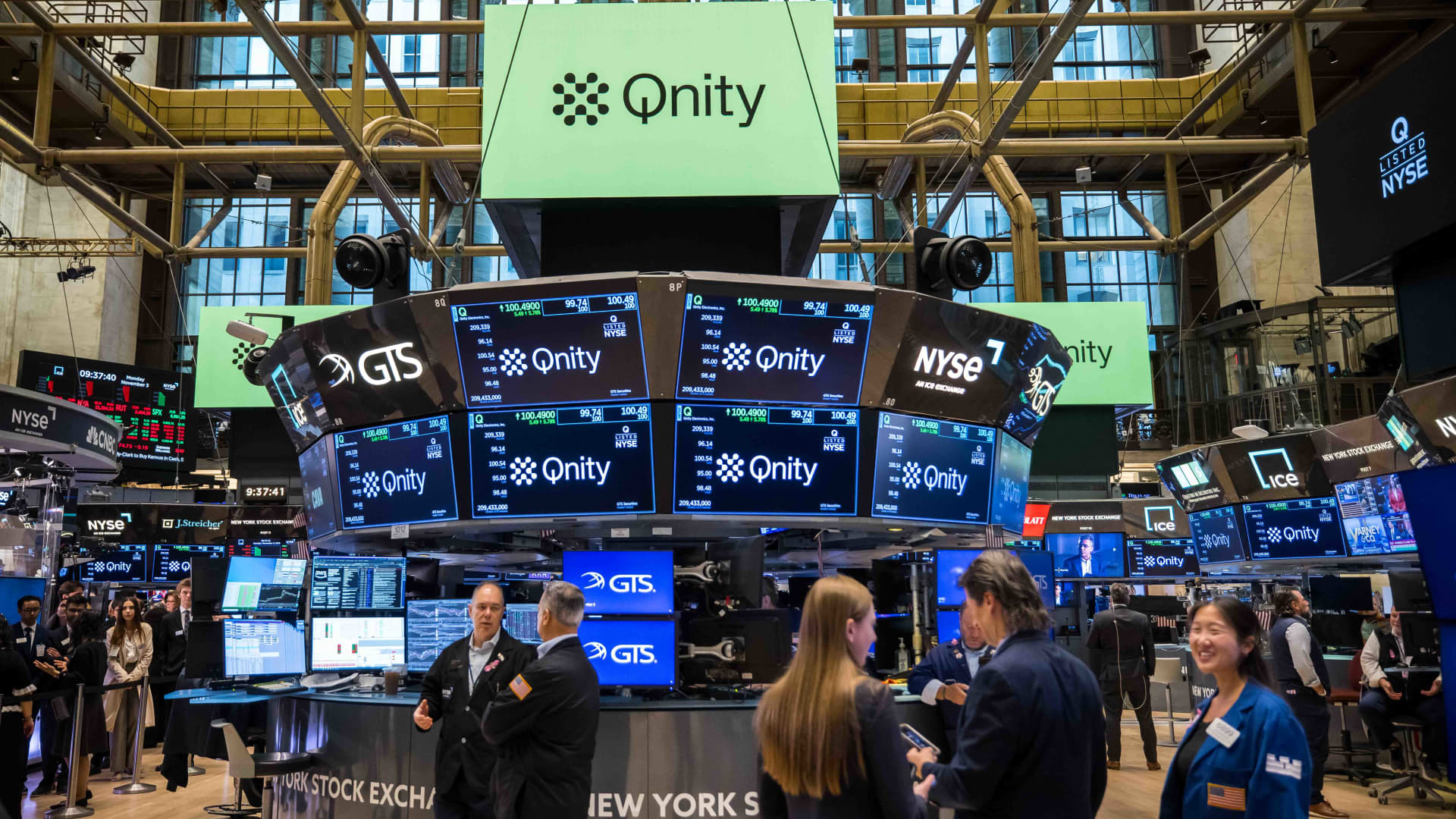
- Tech Stocks Surge: Stocks like Lumentum, Coherent, Corning, Western Digital, Micron, Seagate, Qualcomm, and Qnity Electronics have all risen over 5%, indicating strong market confidence in the tech sector, which may drive overall market gains further.
- Energy Stocks Rise: Energy stocks increased alongside oil prices after President Trump indicated challenges to the Iran ceasefire, reflecting market sensitivity to energy price fluctuations that could impact consumer spending and overall economic growth.
- Consumer Confidence Dips: Consumer-related stocks, including TJX Companies and Nike, faced declines, highlighting investor anxiety over the potential economic pressures from rising energy prices, which could dampen consumer spending.
- CPI Report Expectations: The upcoming Consumer Price Index report is expected to show a significant month-over-month increase, with economists predicting a 0.59% rise from March, which may prompt government actions to alleviate economic burdens on consumers, further influencing market sentiment.
See More

Nike Faces Lawsuit Over Tariff Refunds
- Customer Lawsuit: Nike is being sued by customers for allegedly failing to refund tariff-related fees, which could lead to legal liabilities and impact brand reputation and customer trust.
- Financial Risks: The lawsuit may impose additional financial burdens on Nike, and an unfavorable ruling could affect future profits and cash flow.
- Market Reaction: Nike's stock price may come under pressure due to the lawsuit news, with investor concerns about corporate governance and compliance potentially intensifying.
- Brand Image Challenge: This incident could negatively affect Nike's brand image, particularly in a context where consumers are increasingly focused on corporate social responsibility.
See More
Nike Faces Class Action Lawsuit Over Tariff Refunds
- Lawsuit Background: Nike is facing a proposed class action lawsuit for failing to refund consumers for tariff-related costs passed on through higher prices, filed in federal court in Portland, Oregon, reflecting consumer dissatisfaction with the company's pricing strategies.
- Tariff Impact: Nike disclosed that Trump's tariff policies forced it to pay approximately $1 billion in import levies, leading to price increases of $5 to $10 for footwear and $2 to $10 for apparel, directly affecting consumer purchasing power.
- Legal Controversy: Consumers argue in the lawsuit that Nike has made no legally binding commitment to return tariff-related overcharges, suggesting the company could profit twice—once from consumers through higher prices and again from the federal government through tariff refunds, undermining consumer rights.
- Industry Impact: In addition to Nike, other U.S. companies like Costco, FedEx, and EssilorLuxottica are facing similar lawsuits, indicating the widespread impact of tariff policies on the retail and import sectors, potentially triggering broader legal and market repercussions.
See More
Three Dividend Stocks with Stable Returns

- Target's Dividend Record: Target has paid dividends every quarter since going public in 1967, achieving 235 consecutive payments and raising its dividends for 54 years, earning it the title of Dividend King; despite a 45% drop from its 2021 peak, its current 3.5% yield presents a strong entry point for investors.
- Nike's Recovery Strategy: Nike's stock is near a 12-year low, down 76% from its 2021 peak, yet CEO Elliott Hill is executing a 'Wholesale Renaissance' with Q3 wholesale revenue up 8% globally and 24% in North America, while maintaining a 24-year streak of dividend increases, highlighting the brand's resilience and long-term investment potential.
- Constellation's Brand Strength: Constellation Brands owns the top-selling beer in the U.S., Modelo Especial, and despite a 50% decline from its 2023 peak, its dividend yield has risen to approximately 2.8%, returning over $900 million to shareholders in fiscal 2026, focusing on premium Mexican beer to enhance market position.
- Market Environment Challenges: Despite facing challenges such as consumer caution and rising tariff costs, Target, Nike, and Constellation Brands demonstrate strong brand resilience and consistent dividend payments, attracting long-term investor interest, especially during turbulent market conditions.
See More
Nike Sued Over Failure to Refund Tariff Costs
- Tariff Refund Lawsuit: Consumers filed a lawsuit against Nike on Friday, accusing the company of failing to refund significant tariff-related costs passed on through higher prices, arguing that Nike should not retain expected refunds.
- Price Increase Impact: Nike raised prices on some footwear by $5 to $10 and apparel by $2 to $10 due to tariffs, imposing additional costs on consumers and potentially damaging the brand's market reputation.
- Legal Liability Dispute: The complaint claims that Nike has made no legally binding commitment to return tariff-related overcharges, raising concerns that the company could profit twice—once from consumers through higher prices and again from the government through tariff refunds.
- Industry Context: Nike's lawsuit parallels similar cases against companies like Costco and EssilorLuxottica, highlighting growing consumer scrutiny regarding corporate transparency and accountability in the wake of tariff policy changes.
See More
Job Report Exceeds Expectations, Market Rallies


- Strong Job Market: The U.S. Labor Department reported a 115,000 increase in nonfarm payrolls for April, surpassing economists' expectations of 55,000, while the unemployment rate held steady at 4.3%, indicating labor market stability that may weaken the case for near-term Fed rate cuts.
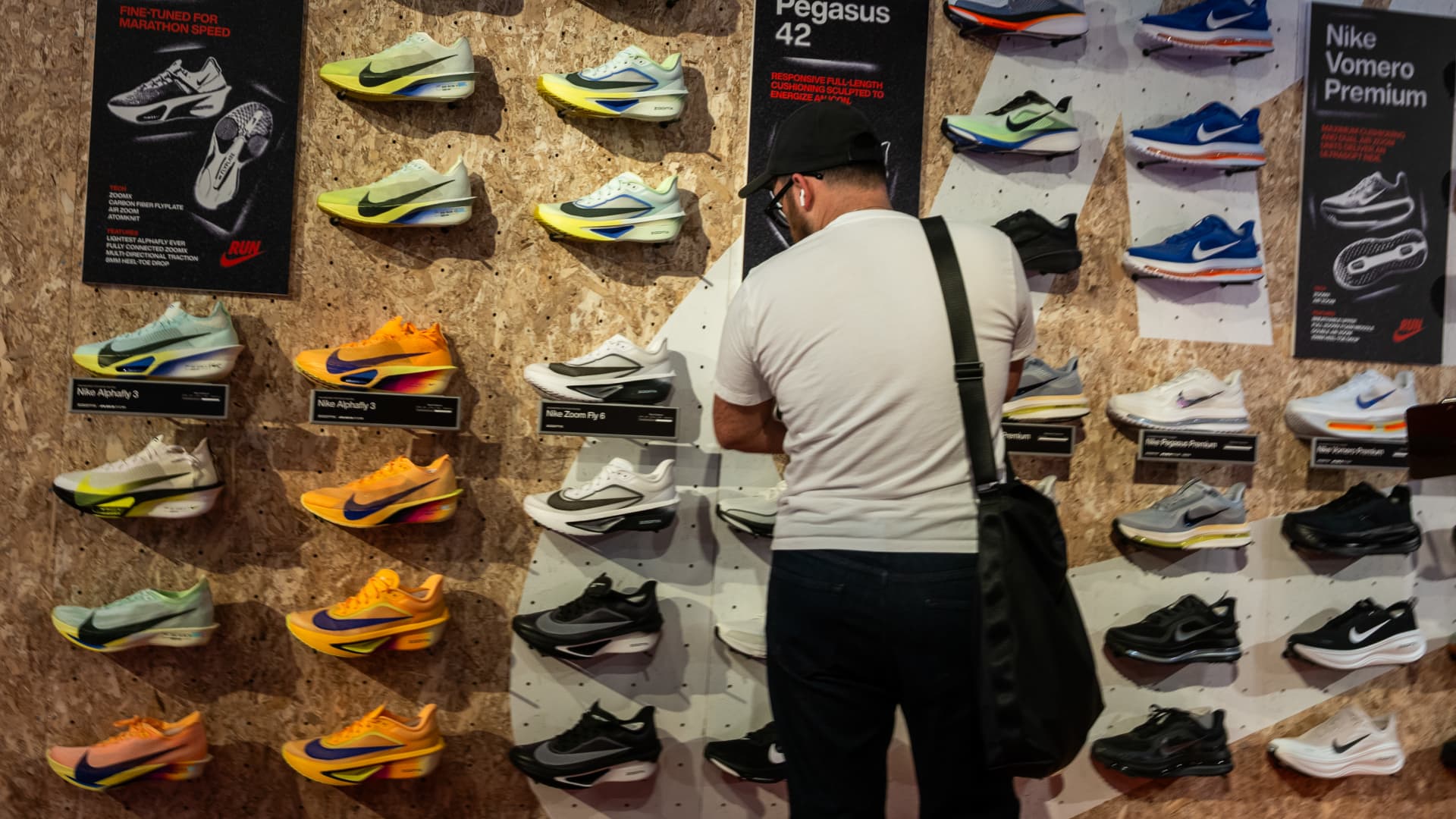
- Nike Downgrade: Wells Fargo downgraded Nike due to concerns that the company's turnaround could take longer than investors hoped, with shares down approximately 30% this year, making it the second-worst performer in the Dow, reflecting the increasingly challenging retail environment.
- Qnity Electronics Performance: Qnity Electronics is set to report earnings on Tuesday, following an impressive beat-and-raise quarter from its former parent, DuPont; Qnity shares have surged about 80% this year, with Deutsche Bank raising its price target from $140 to $170, driven by strong semiconductor demand.
- Rapid Fire Review: The rapid-fire segment at the end of the video covered stocks including CoreWeave, Texas Roadhouse, Cloudflare, DraftKings, and Airbnb, highlighting investor interest in diverse investment opportunities.
See More
Markets Hit New Highs as Tech Stocks Surge
- Tech Stocks Surge: Stocks like Lumentum, Coherent, Corning, Western Digital, Micron, Seagate, Qualcomm, and Qnity Electronics have all risen over 5%, indicating strong market confidence in the tech sector, which may drive overall market gains further.
- Energy Stocks Rise: Energy stocks increased alongside oil prices after President Trump indicated challenges to the Iran ceasefire, reflecting market sensitivity to energy price fluctuations that could impact consumer spending and overall economic growth.
- Consumer Confidence Dips: Consumer-related stocks, including TJX Companies and Nike, faced declines, highlighting investor anxiety over the potential economic pressures from rising energy prices, which could dampen consumer spending.
- CPI Report Expectations: The upcoming Consumer Price Index report is expected to show a significant month-over-month increase, with economists predicting a 0.59% rise from March, which may prompt government actions to alleviate economic burdens on consumers, further influencing market sentiment.
See More
Nike Faces Lawsuit Over Tariff Refunds
- Customer Lawsuit: Nike is being sued by customers for allegedly failing to refund tariff-related fees, which could lead to legal liabilities and impact brand reputation and customer trust.
- Financial Risks: The lawsuit may impose additional financial burdens on Nike, and an unfavorable ruling could affect future profits and cash flow.
- Market Reaction: Nike's stock price may come under pressure due to the lawsuit news, with investor concerns about corporate governance and compliance potentially intensifying.
- Brand Image Challenge: This incident could negatively affect Nike's brand image, particularly in a context where consumers are increasingly focused on corporate social responsibility.
See More
Nike Faces Class Action Lawsuit Over Tariff Refunds
- Lawsuit Background: Nike is facing a proposed class action lawsuit for failing to refund consumers for tariff-related costs passed on through higher prices, filed in federal court in Portland, Oregon, reflecting consumer dissatisfaction with the company's pricing strategies.
- Tariff Impact: Nike disclosed that Trump's tariff policies forced it to pay approximately $1 billion in import levies, leading to price increases of $5 to $10 for footwear and $2 to $10 for apparel, directly affecting consumer purchasing power.
- Legal Controversy: Consumers argue in the lawsuit that Nike has made no legally binding commitment to return tariff-related overcharges, suggesting the company could profit twice—once from consumers through higher prices and again from the federal government through tariff refunds, undermining consumer rights.
- Industry Impact: In addition to Nike, other U.S. companies like Costco, FedEx, and EssilorLuxottica are facing similar lawsuits, indicating the widespread impact of tariff policies on the retail and import sectors, potentially triggering broader legal and market repercussions.
See More
Three Dividend Stocks with Stable Returns
- Target's Dividend Record: Target has paid dividends every quarter since going public in 1967, achieving 235 consecutive payments and raising its dividends for 54 years, earning it the title of Dividend King; despite a 45% drop from its 2021 peak, its current 3.5% yield presents a strong entry point for investors.
- Nike's Recovery Strategy: Nike's stock is near a 12-year low, down 76% from its 2021 peak, yet CEO Elliott Hill is executing a 'Wholesale Renaissance' with Q3 wholesale revenue up 8% globally and 24% in North America, while maintaining a 24-year streak of dividend increases, highlighting the brand's resilience and long-term investment potential.
- Constellation's Brand Strength: Constellation Brands owns the top-selling beer in the U.S., Modelo Especial, and despite a 50% decline from its 2023 peak, its dividend yield has risen to approximately 2.8%, returning over $900 million to shareholders in fiscal 2026, focusing on premium Mexican beer to enhance market position.
- Market Environment Challenges: Despite facing challenges such as consumer caution and rising tariff costs, Target, Nike, and Constellation Brands demonstrate strong brand resilience and consistent dividend payments, attracting long-term investor interest, especially during turbulent market conditions.
See More
Nike Sued Over Failure to Refund Tariff Costs
- Tariff Refund Lawsuit: Consumers filed a lawsuit against Nike on Friday, accusing the company of failing to refund significant tariff-related costs passed on through higher prices, arguing that Nike should not retain expected refunds.
- Price Increase Impact: Nike raised prices on some footwear by $5 to $10 and apparel by $2 to $10 due to tariffs, imposing additional costs on consumers and potentially damaging the brand's market reputation.
- Legal Liability Dispute: The complaint claims that Nike has made no legally binding commitment to return tariff-related overcharges, raising concerns that the company could profit twice—once from consumers through higher prices and again from the government through tariff refunds.
- Industry Context: Nike's lawsuit parallels similar cases against companies like Costco and EssilorLuxottica, highlighting growing consumer scrutiny regarding corporate transparency and accountability in the wake of tariff policy changes.
See More
Job Report Exceeds Expectations, Market Rallies
- Strong Job Market: The U.S. Labor Department reported a 115,000 increase in nonfarm payrolls for April, surpassing economists' expectations of 55,000, while the unemployment rate held steady at 4.3%, indicating labor market stability that may weaken the case for near-term Fed rate cuts.
- Nike Downgrade: Wells Fargo downgraded Nike due to concerns that the company's turnaround could take longer than investors hoped, with shares down approximately 30% this year, making it the second-worst performer in the Dow, reflecting the increasingly challenging retail environment.
- Qnity Electronics Performance: Qnity Electronics is set to report earnings on Tuesday, following an impressive beat-and-raise quarter from its former parent, DuPont; Qnity shares have surged about 80% this year, with Deutsche Bank raising its price target from $140 to $170, driven by strong semiconductor demand.
- Rapid Fire Review: The rapid-fire segment at the end of the video covered stocks including CoreWeave, Texas Roadhouse, Cloudflare, DraftKings, and Airbnb, highlighting investor interest in diverse investment opportunities.
See More