OpenAI Annualized Revenue Exceeds $25 Billion


Catch up on the top artificial intelligence news and commentary by Wall Street analysts on publicly traded companies in the space with this daily recap compiled by The Fly.SCALING BACK:OpenAI is scaling back plans to enable direct checkout within ChatGPT, opting instead to complete transactions through integrated third-party apps, The Information's Ann Gehan and Sri Muppidi. Due to users' habit of "browsing without buying" and technical barriers such as inventory synchronization and fraud prevention, only about a dozen of the millions of Shopifymerchants have actually integrated, according to the report.AI CHIP SHIPMENTS:White House officials have drafted regulations that would restrict AI chip shipments to anywhere in the world without American approval, Mackenzie Hawkins of Bloomberg reports, citing people familiar with the matter. The proposed regulations would require companies to seek U.S. permission for virtually all exports of AI accelerators from companies like Nvidiaand AMD, an expansion of curbs that currently cover around 40 countries, sources tell Bloomberg.ANNUALIZED REVENUE:AI startup OpenAI topped $25B in annualized revenue as of the end of last month, The Information's Sri Muppidi, citing a person familiar with the matter. This is a 17% increase from the $21.4B in annualized revenue that the company generated at the end of the year, the author adds.EXTREME REASONING:OpenAI is preparing to launch GPT-5.4, with an "extreme" reasoning mode and a 1M-token context window, matching past models but up from GPT-5.2's 400K, The Information's Stephanie Palazzolo.SUPPLY CHAIN RISK:An industry group of big tech companies has expressed concern to U.S. Secretary of Defense Pete Hegseth about his declaring Anthropic a supply chain risk, saying it creates uncertainty for companies that could threaten the military's access to the best products and services, Karen Freifeld of Reuters. "We are concerned by recent reports regarding the Department of War's consideration of imposing a supply chain risk designation in response to a procurement dispute," the Information Technology Industry Council, whose members include Nvidia, Amazon, and Apple, said in a letter dated Wednesday. The letter states that the declaration threatens "to undermine the government's access to the best-in-class products and services from American companies that serve all agencies and components of the federal government."HUMANOID ROBOTS:Texas Instrumentsannounced it is accelerating the safe deployment of humanoid robots into the real world with Nvidia. By combining TI's real-time motor control, sensing, radar and power technologies with Nvidia's advanced robotics compute, ethernet based sensing and simulation technologies, robotics developers can validate perception, actuation and safety earlier and more accurately. TI connects Nvidia physical AI compute to real-world applications with deterministic control, sensing, power and safety at every joint and subsystem. This partnership will help developers move faster from virtual development to production-ready, scalable and safety-compliant systems. As part of this collaboration, TI designed a sensor fusion solution by integrating its mmWave radar technology with Nvidia Jetson Thor using Nvidia Holoscan Sensor Bridge to enable low-latency, 3D perception and safety awareness for humanoid robots. TI will showcase the solution at Nvidia GTC, March 16-19, in San Jose, California.JOB CUTS:Amazoncut jobs inside its robotics division this week, the latest reductions in a sweeping cost-cutting campaign, Business Insider's Eugene Kim. In a message to employees on Tuesday, seen by Business Insider, Amazon Robotics VP Scott Dresser described the changes as "difficult but necessary." He stressed that robotics remains a "strategic priority" even as the company restructures and pares back certain efforts. It's unclear how many employees were affected by Tuesday's cuts, the author adds.
Trade with 70% Backtested Accuracy
Analyst Views on MSFT

About MSFT
About the author

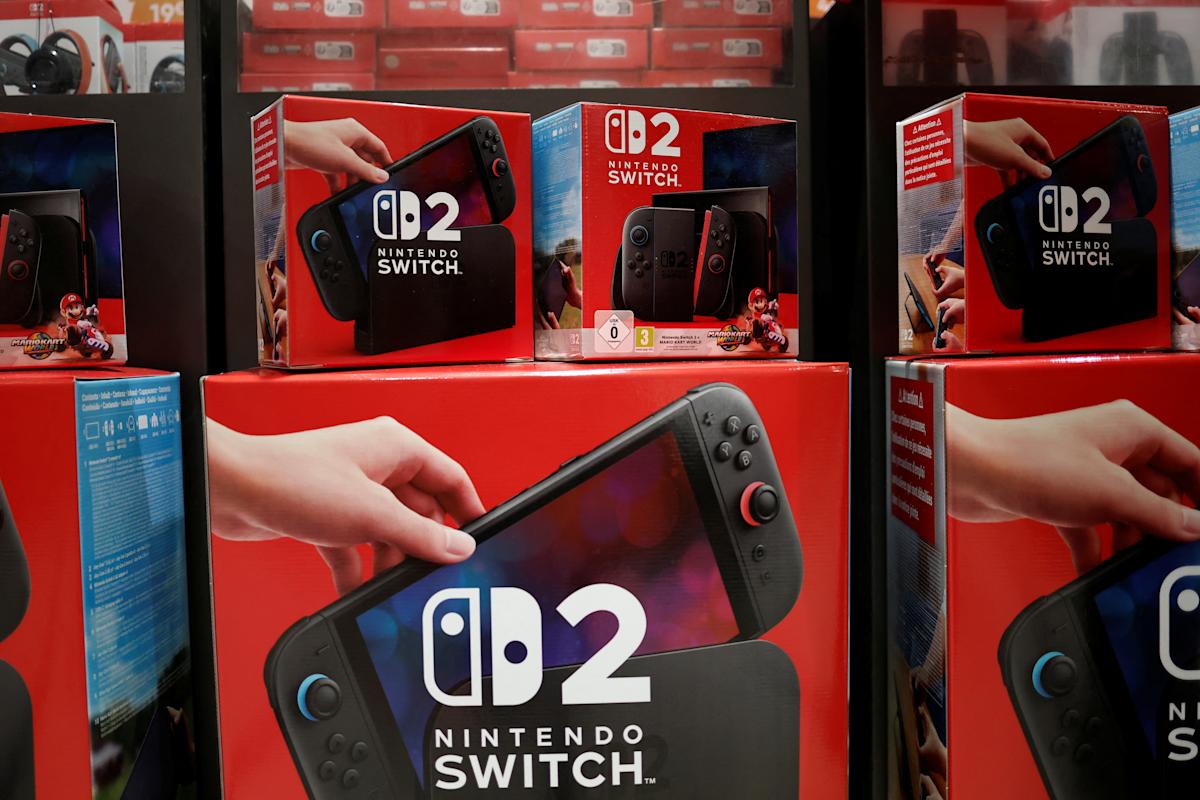
Video Game Industry Faces Price Hikes Amid Supply Shortages

- Price Increase Impact: Nintendo's decision to raise the Switch 2 price from $449 to $499, despite being a top seller in under a year, could hinder its market share and user base growth.
- Competitor Reactions: Microsoft and Sony have raised Xbox and PS5 prices, resulting in a 33% decline in Xbox hardware revenue and a 46% drop in PS5 unit sales in the latest quarter, indicating direct negative impacts from price hikes.
- Market Trend Shift: Typically, game consoles decrease in price over time to boost sales, but current memory and storage shortages have forced manufacturers to raise prices, a reversal that may affect future sales strategies.
- Uncertain Future Outlook: With shortages expected to last until 2030, Microsoft and Sony may face increased cost pressures and market challenges as they prepare for next-generation consoles, impacting their long-term profitability.

Commonwealth Bank Appoints First Chief AI Scientist in Australia
- First Chief AI Scientist: Commonwealth Bank appoints Mary-Anne Williams as its chief AI scientist, marking the first such role in the Australian banking sector, aimed at enhancing the bank's leadership in AI.
- Strong Academic Background: Williams joins from the University of New South Wales, where she serves as deputy director of the AI Institute, bringing extensive frontier research and global industry partnership experience that will bolster the bank's AI strategy.
- Focus on Societal Impact: She will concentrate on improving the understanding of AI's societal implications and promoting the bank's ongoing commitment to responsible AI innovation, ensuring technology applications align with ethical standards.
- Expansion of AI Investments: This appointment is part of the bank's broader AI investment strategy, which includes collaborations with Anthropic, Amazon Web Services, Microsoft, and OpenAI, demonstrating the bank's strategic positioning and foresight in the AI domain.

Analysis of Three Stable Dividend Stocks


- Walmart's Market Advantage: With a vast network of 5,212 U.S. retail units and a 15.1% growth in global membership revenue, Walmart demonstrates strong market competitiveness, ensuring the safety of its dividend payments and long-term growth potential.
- Coca-Cola's Brand Power: Coca-Cola, with a 64-year dividend growth history and a gross margin of 61.82%, consistently maintains stable dividend returns amid economic fluctuations; although its annual growth rate is modest, its dividend appeal remains strong.
- McDonald's Asset-Light Model: By owning most of its restaurant real estate and charging franchisees rent, McDonald's showcases higher profit margins than traditional restaurant chains; while it has not yet reached
Lumen Technologies Stock Rebounds 660% Amid AI Pivot

- Stock Rebound: Lumen Technologies' shares have surged 660% over the past 24 months, rebounding from around $1 to the current price of $10.05, indicating significant recovery potential in the telecommunications sector despite ongoing profitability challenges.
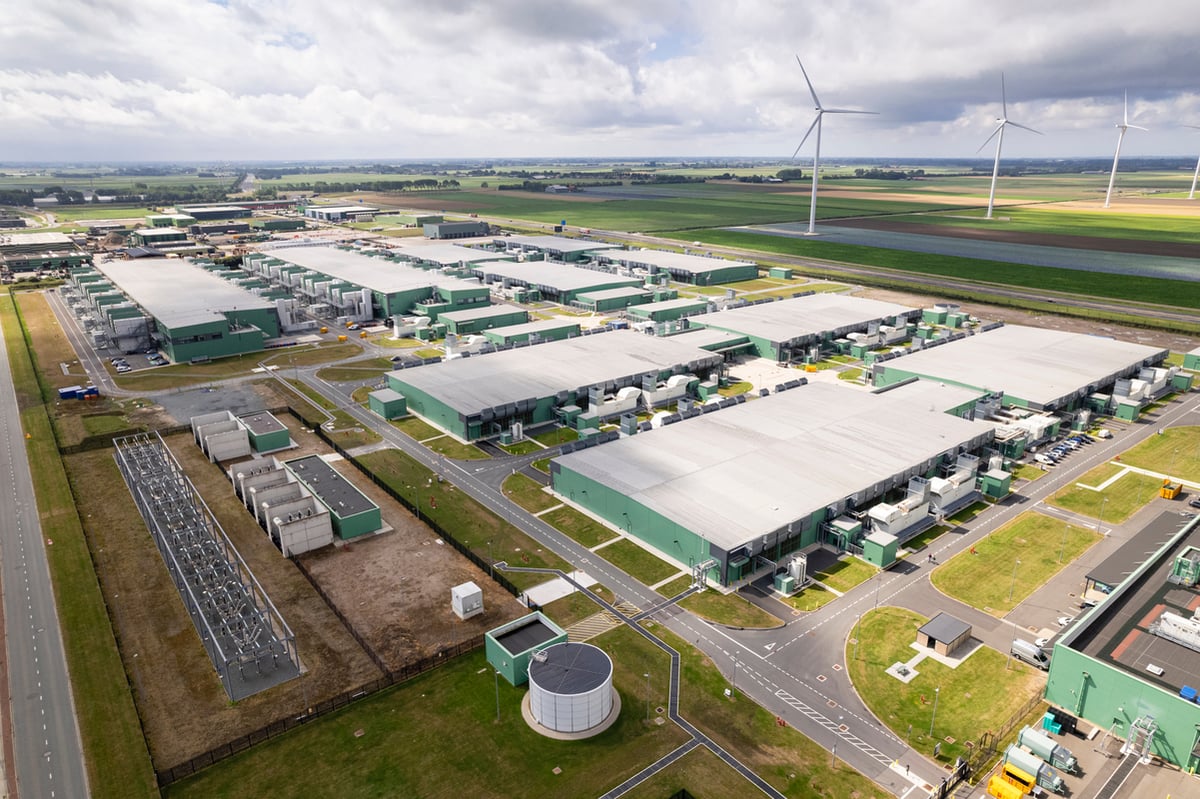
- Strategic Shift: The company has pivoted towards AI data services, entering nearly $13 billion in 'private connectivity fabric' contracts with tech giants like Microsoft and Anthropic, showcasing its proactive positioning in emerging markets.
- Asset Sales and Debt Reduction: By selling its residential fiber business to AT&T, Lumen has successfully reduced debt by nearly $5 billion, which not only improves its financial health but also lays a solid foundation for future growth.
- Future Outlook: Although analysts do not expect Lumen to achieve profitability in the next two years, the company continues to secure new AI data center connectivity deals, highlighting its potential and market opportunities in the technology sector.

Musk's Legal Battle with OpenAI Unfolds

- Legal Dispute Background: Musk sued OpenAI and CEO Altman in 2024 for allegedly breaching commitments to keep OpenAI a nonprofit, with OpenAI currently valued at over $850 billion and Musk's SpaceX at $1.25 trillion, highlighting fierce competition in the AI sector.
- Allegations Details: During the trial, Musk emphasized his pivotal role in OpenAI's inception and growth, including initial funding and talent recruitment, while Altman countered that no commitments regarding corporate structure were made to Musk, revealing a significant trust crisis.
- Public Opinion Impact: A professor from UC Berkeley noted that the public may not favor either billionaire in this dispute, potentially leading to negative perceptions that could affect their future business collaborations and public support.
- Technological Development and Competition: Despite escalating internal conflicts, OpenAI achieved breakthroughs, notably defeating top players in Dota 2 in 2017, demonstrating its leading position in AI, while Musk expressed dissatisfaction on social media regarding OpenAI's shift away from its original nonprofit mission.
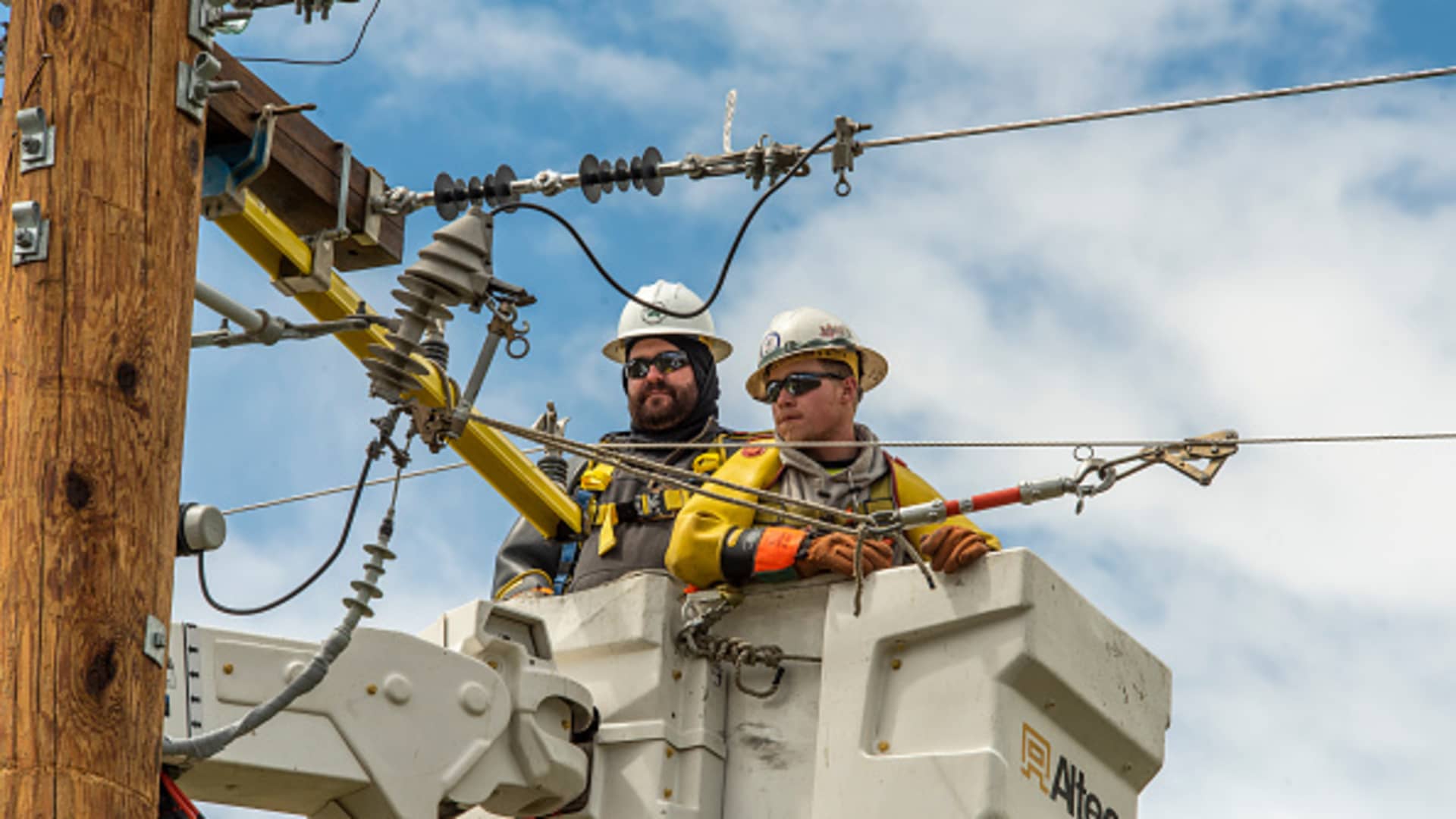
Europe's AI Ambitions Threatened by Soaring Energy Prices

- Energy Cost Challenges: Last year, energy prices in Europe were approximately double those in the U.S. and 50% higher than in China and India, making data center investments increasingly difficult and potentially jeopardizing technological leadership.
- Data Center Development Lag: Experts indicate that Europe is significantly behind the U.S. in data center construction, requiring more investment to catch up, with the current scale ratio of data centers being 100:1 in favor of the U.S., highlighting a substantial development gap.
- Regional Electricity Price Disparities: The average price per MW of electricity in the U.K. was $111.65, compared to $88.97 in Germany, $44.19 in France, and only $28 in the U.S., leading to a migration of data center projects to regions with lower energy costs.
- Future Investment Trends: Although Europe plans to boost its compute capacity and data center buildout, high electricity prices and slow infrastructure development will continue to hinder its competitiveness in AI, especially against lower-cost countries like the Nordics and France.
Video Game Industry Faces Price Hikes Amid Supply Shortages
- Price Increase Impact: Nintendo's decision to raise the Switch 2 price from $449 to $499, despite being a top seller in under a year, could hinder its market share and user base growth.
- Competitor Reactions: Microsoft and Sony have raised Xbox and PS5 prices, resulting in a 33% decline in Xbox hardware revenue and a 46% drop in PS5 unit sales in the latest quarter, indicating direct negative impacts from price hikes.
- Market Trend Shift: Typically, game consoles decrease in price over time to boost sales, but current memory and storage shortages have forced manufacturers to raise prices, a reversal that may affect future sales strategies.
- Uncertain Future Outlook: With shortages expected to last until 2030, Microsoft and Sony may face increased cost pressures and market challenges as they prepare for next-generation consoles, impacting their long-term profitability.
Commonwealth Bank Appoints First Chief AI Scientist in Australia
- First Chief AI Scientist: Commonwealth Bank appoints Mary-Anne Williams as its chief AI scientist, marking the first such role in the Australian banking sector, aimed at enhancing the bank's leadership in AI.
- Strong Academic Background: Williams joins from the University of New South Wales, where she serves as deputy director of the AI Institute, bringing extensive frontier research and global industry partnership experience that will bolster the bank's AI strategy.
- Focus on Societal Impact: She will concentrate on improving the understanding of AI's societal implications and promoting the bank's ongoing commitment to responsible AI innovation, ensuring technology applications align with ethical standards.
- Expansion of AI Investments: This appointment is part of the bank's broader AI investment strategy, which includes collaborations with Anthropic, Amazon Web Services, Microsoft, and OpenAI, demonstrating the bank's strategic positioning and foresight in the AI domain.
Analysis of Three Stable Dividend Stocks
- Walmart's Market Advantage: With a vast network of 5,212 U.S. retail units and a 15.1% growth in global membership revenue, Walmart demonstrates strong market competitiveness, ensuring the safety of its dividend payments and long-term growth potential.
- Coca-Cola's Brand Power: Coca-Cola, with a 64-year dividend growth history and a gross margin of 61.82%, consistently maintains stable dividend returns amid economic fluctuations; although its annual growth rate is modest, its dividend appeal remains strong.
- McDonald's Asset-Light Model: By owning most of its restaurant real estate and charging franchisees rent, McDonald's showcases higher profit margins than traditional restaurant chains; while it has not yet reached
Lumen Technologies Stock Rebounds 660% Amid AI Pivot
- Stock Rebound: Lumen Technologies' shares have surged 660% over the past 24 months, rebounding from around $1 to the current price of $10.05, indicating significant recovery potential in the telecommunications sector despite ongoing profitability challenges.
- Strategic Shift: The company has pivoted towards AI data services, entering nearly $13 billion in 'private connectivity fabric' contracts with tech giants like Microsoft and Anthropic, showcasing its proactive positioning in emerging markets.
- Asset Sales and Debt Reduction: By selling its residential fiber business to AT&T, Lumen has successfully reduced debt by nearly $5 billion, which not only improves its financial health but also lays a solid foundation for future growth.
- Future Outlook: Although analysts do not expect Lumen to achieve profitability in the next two years, the company continues to secure new AI data center connectivity deals, highlighting its potential and market opportunities in the technology sector.
Musk's Legal Battle with OpenAI Unfolds
- Legal Dispute Background: Musk sued OpenAI and CEO Altman in 2024 for allegedly breaching commitments to keep OpenAI a nonprofit, with OpenAI currently valued at over $850 billion and Musk's SpaceX at $1.25 trillion, highlighting fierce competition in the AI sector.
- Allegations Details: During the trial, Musk emphasized his pivotal role in OpenAI's inception and growth, including initial funding and talent recruitment, while Altman countered that no commitments regarding corporate structure were made to Musk, revealing a significant trust crisis.
- Public Opinion Impact: A professor from UC Berkeley noted that the public may not favor either billionaire in this dispute, potentially leading to negative perceptions that could affect their future business collaborations and public support.
- Technological Development and Competition: Despite escalating internal conflicts, OpenAI achieved breakthroughs, notably defeating top players in Dota 2 in 2017, demonstrating its leading position in AI, while Musk expressed dissatisfaction on social media regarding OpenAI's shift away from its original nonprofit mission.
Europe's AI Ambitions Threatened by Soaring Energy Prices
- Energy Cost Challenges: Last year, energy prices in Europe were approximately double those in the U.S. and 50% higher than in China and India, making data center investments increasingly difficult and potentially jeopardizing technological leadership.
- Data Center Development Lag: Experts indicate that Europe is significantly behind the U.S. in data center construction, requiring more investment to catch up, with the current scale ratio of data centers being 100:1 in favor of the U.S., highlighting a substantial development gap.
- Regional Electricity Price Disparities: The average price per MW of electricity in the U.K. was $111.65, compared to $88.97 in Germany, $44.19 in France, and only $28 in the U.S., leading to a migration of data center projects to regions with lower energy costs.
- Future Investment Trends: Although Europe plans to boost its compute capacity and data center buildout, high electricity prices and slow infrastructure development will continue to hinder its competitiveness in AI, especially against lower-cost countries like the Nordics and France.