Okta set to join S&P MidCap 400
Written by Emily J. Thompson, Senior Investment Analyst
Updated: Apr 29 2025
0mins
Source: SeekingAlpha
S&P MidCap 400 Update: Okta will replace Berry Global Group in the S&P MidCap 400 effective May 1, following Amcor's acquisition of Berry Global Group.
Market Sentiment on Okta: Analysts have expressed skepticism about Okta's management and performance, leading to recent downgrades in ratings for the company.
Trade with 70% Backtested Accuracy
Stop guessing "Should I Buy OKTA?" and start using high-conviction signals backed by rigorous historical data.
Sign up today to access powerful investing tools and make smarter, data-driven decisions.
Analyst Views on OKTA
Wall Street analysts forecast OKTA stock price to rise
31 Analyst Rating
22 Buy
8 Hold
1 Sell
Moderate Buy
Current: 89.440

Low
75.00
Averages
114.03
High
145.00
Current: 89.440
Low
75.00
Averages
114.03
High
145.00
About OKTA
Okta, Inc. is an independent identity partner. The Company's Okta Platform and Auth0 Platform enable its customers to securely connect the right people to the right technologies and services at the right time. It offers independent and neutral cloud-based identity solutions that allow customers to integrate with nearly any application, service or cloud that they choose through its platforms. Organizations use the Company's platforms to securely access a wide range of cloud, mobile, web and Software-as-a-Service applications, on-premises servers, application programming interfaces, IT infrastructure providers, and services from a multitude of devices. Developers leverage its Okta Platform and Auth0 Platform to securely and efficiently embed identity for both human users and, increasingly, AI agents into the software they build. Auth0 for AI Agents enables developers to leverage the Auth0 Platform to secure and scale agentic applications from pilot to production.
About the author

Emily J. Thompson
Emily J. Thompson, a Chartered Financial Analyst (CFA) with 12 years in investment research, graduated with honors from the Wharton School. Specializing in industrial and technology stocks, she provides in-depth analysis for Intellectia’s earnings and market brief reports.

Companies with Cash Hoards Approved by Wall Street


- Cash Reserve Analysis: Wolfe Research identified companies with market caps over $250 million and top quintile net cash-to-market cap ratios, indicating strong financial capacity for business development and stock buybacks.
- Deckers Outdoor Performance: Deckers Outdoor boasts a 12% net cash-to-market cap ratio, with shares rising nearly 3% in 2026 after a 49% decline last year, reflecting market confidence in its future growth.
- Airbnb Forecast: Airbnb has an 11% net cash-to-market cap ratio, and despite a 2% drop in stock price this year, analysts expect nearly 20% upside in the next 12 months, indicating optimism about its recovery.
- Okta Growth Potential: Okta's net cash-to-market cap ratio stands at 15%, with shares up over 6% in 2026, and analysts predict an additional 8% increase in the next year, showcasing its competitive position in the market.
See More

ShawSpring Partners Exits Entire Position in monday.com Amid 73% Stock Drop

- Complete Exit: On May 14, 2026, ShawSpring Partners disclosed in an SEC filing that it sold its entire position of 253,959 shares in monday.com, with an estimated transaction value of $24.37 million, indicating a pessimistic outlook on the company's future performance.
- Significant Market Value Decline: The sale resulted in a $37.47 million decrease in monday.com's quarter-end position value, reflecting a 73% drop in stock price over the past year, significantly underperforming the S&P 500's 28% gain, highlighting market concerns about its prospects.
- Strong Performance Growth: Despite the steep decline in stock price, monday.com reported a 24% year-over-year revenue increase to $351.3 million in Q1, with GAAP operating income doubling to $19.8 million, suggesting that the company's fundamentals remain robust and may attract value investors.
- Aggressive Buyback Plan: The company authorized a stock repurchase of approximately $553 million during the quarter, demonstrating management's confidence in future growth, as it continues to enhance profitability and market share despite intense competition.
See More
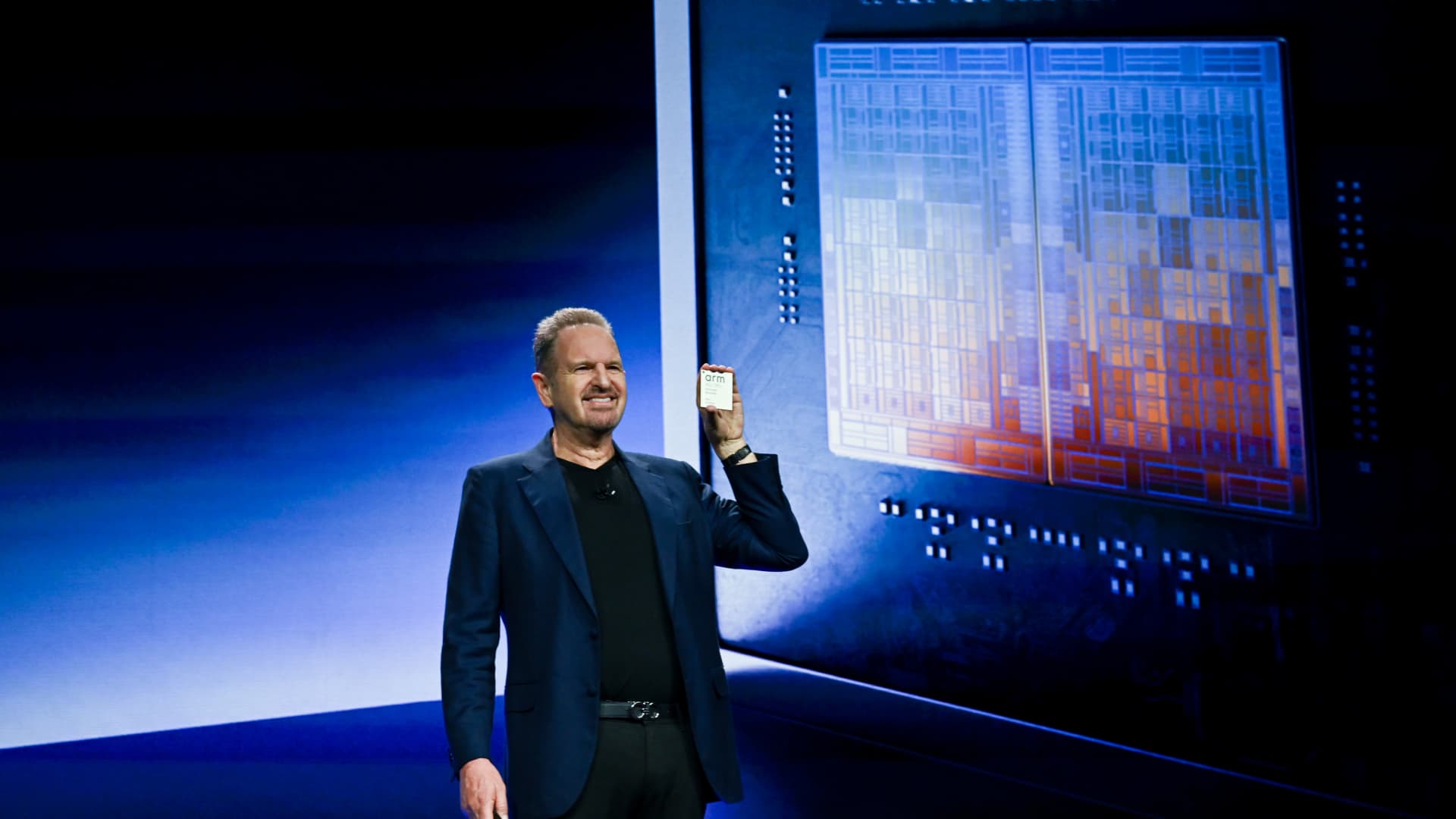
U.S. Stocks Close Higher, S&P 500 Approaches 7,500


- Market Performance: The S&P 500 is nearing 7,500, on track for its eighth consecutive week of gains, reflecting strong market performance driven by sectors like healthcare and information technology, indicating investor confidence in economic recovery.
- Stock Dynamics: Merck leads the healthcare sector with encouraging trial results, while Dell's stock surges over 16%, showcasing a robust rebound in tech stocks that may attract more investor interest in these sectors' growth potential.
- Arm Holdings Surge: Arm Holdings rallies nearly 50% this week, and despite trimming shares on Monday, it still locked in a 20% gain, highlighting its significance and growth potential within the portfolio, reflecting optimistic market expectations for its future performance.
- Starbucks AI Project Adjustment: Starbucks has ended an AI program for automating inventory accounting, which may impact its $2 billion cost savings target; however, CEO Brian Niccol is set to discuss this goal at next week's conference, indicating the company's ongoing focus on cost control during its turnaround efforts.
See More
Automation Anywhere Launches EnterpriseClaw AI Agents for Enhanced Enterprise Operations

- New AI Agent Capability: Automation Anywhere, in collaboration with Cisco, NVIDIA, Okta, and OpenAI, has launched EnterpriseClaw, enabling organizations to securely run AI agents across cloud, desktop, and on-premises systems, thereby enhancing operational efficiency and ensuring data security.
- Centralized Control and Governance: EnterpriseClaw maintains compliance and observability by centrally managing access and activities, significantly enhancing enterprise control over complex workflows and operations.
- Enhanced Security: By integrating Cisco AI Defense and NVIDIA OpenShell, EnterpriseClaw provides a dedicated security layer for AI agents, ensuring that businesses can confidently deploy autonomous AI while effectively mitigating potential security threats.
- Future Technology Trends: The design of EnterpriseClaw allows compatibility with various AI agent frameworks, enabling organizations to flexibly deploy custom or third-party developed agents alongside existing automation systems, thus driving further technological advancement.
See More

U.S. Software Stocks Rise for Fourth Consecutive Day

- Market Rebound: U.S. software stocks are experiencing their fourth consecutive day of gains on Tuesday after a prolonged downturn, with the iShares Expanded Tech-Software Sector ETF rising 1.1% to its highest level since January, indicating a potential shift in investor sentiment.
- Stock Performance: Companies like Workday, ServiceNow, and Salesforce saw their shares increase between 3.7% and 4.3%, while cybersecurity firms such as CrowdStrike and Zscaler gained between 1.2% and 2.5%, reflecting a renewed confidence among investors in the software sector.
- Analyst Rating Divergence: Analysts at BofA Global Research rated ServiceNow as a
See More

Zscaler Shares Surge 8.5% Driven by AI Security Demand

- Stock Performance: Zscaler shares rose 8.5% in the last trading session, closing at $174.69 with significantly higher-than-average trading volume, indicating strong market confidence in its future growth.
- Strong Demand: The surge in Zscaler's stock is driven by robust demand for its AI security and Zero Trust solutions as enterprises increase spending on securing AI applications and cloud workloads, fostering investor optimism.
- Earnings Expectations: Zscaler is expected to report quarterly earnings of $1.00 per share, reflecting a year-over-year increase of 19.1%, with revenues projected at $834.39 million, up 23.1% from the previous year, highlighting the company's strong financial growth potential.
- Market Trends: Although the consensus EPS estimate has remained unchanged over the past 30 days, the stock's upward momentum suggests investor confidence in Zscaler's future performance, warranting close monitoring to confirm this trend.
See More
Companies with Cash Hoards Approved by Wall Street
- Cash Reserve Analysis: Wolfe Research identified companies with market caps over $250 million and top quintile net cash-to-market cap ratios, indicating strong financial capacity for business development and stock buybacks.
- Deckers Outdoor Performance: Deckers Outdoor boasts a 12% net cash-to-market cap ratio, with shares rising nearly 3% in 2026 after a 49% decline last year, reflecting market confidence in its future growth.
- Airbnb Forecast: Airbnb has an 11% net cash-to-market cap ratio, and despite a 2% drop in stock price this year, analysts expect nearly 20% upside in the next 12 months, indicating optimism about its recovery.
- Okta Growth Potential: Okta's net cash-to-market cap ratio stands at 15%, with shares up over 6% in 2026, and analysts predict an additional 8% increase in the next year, showcasing its competitive position in the market.
See More
ShawSpring Partners Exits Entire Position in monday.com Amid 73% Stock Drop
- Complete Exit: On May 14, 2026, ShawSpring Partners disclosed in an SEC filing that it sold its entire position of 253,959 shares in monday.com, with an estimated transaction value of $24.37 million, indicating a pessimistic outlook on the company's future performance.
- Significant Market Value Decline: The sale resulted in a $37.47 million decrease in monday.com's quarter-end position value, reflecting a 73% drop in stock price over the past year, significantly underperforming the S&P 500's 28% gain, highlighting market concerns about its prospects.
- Strong Performance Growth: Despite the steep decline in stock price, monday.com reported a 24% year-over-year revenue increase to $351.3 million in Q1, with GAAP operating income doubling to $19.8 million, suggesting that the company's fundamentals remain robust and may attract value investors.
- Aggressive Buyback Plan: The company authorized a stock repurchase of approximately $553 million during the quarter, demonstrating management's confidence in future growth, as it continues to enhance profitability and market share despite intense competition.
See More
U.S. Stocks Close Higher, S&P 500 Approaches 7,500
- Market Performance: The S&P 500 is nearing 7,500, on track for its eighth consecutive week of gains, reflecting strong market performance driven by sectors like healthcare and information technology, indicating investor confidence in economic recovery.
- Stock Dynamics: Merck leads the healthcare sector with encouraging trial results, while Dell's stock surges over 16%, showcasing a robust rebound in tech stocks that may attract more investor interest in these sectors' growth potential.
- Arm Holdings Surge: Arm Holdings rallies nearly 50% this week, and despite trimming shares on Monday, it still locked in a 20% gain, highlighting its significance and growth potential within the portfolio, reflecting optimistic market expectations for its future performance.
- Starbucks AI Project Adjustment: Starbucks has ended an AI program for automating inventory accounting, which may impact its $2 billion cost savings target; however, CEO Brian Niccol is set to discuss this goal at next week's conference, indicating the company's ongoing focus on cost control during its turnaround efforts.
See More
Automation Anywhere Launches EnterpriseClaw AI Agents for Enhanced Enterprise Operations
- New AI Agent Capability: Automation Anywhere, in collaboration with Cisco, NVIDIA, Okta, and OpenAI, has launched EnterpriseClaw, enabling organizations to securely run AI agents across cloud, desktop, and on-premises systems, thereby enhancing operational efficiency and ensuring data security.
- Centralized Control and Governance: EnterpriseClaw maintains compliance and observability by centrally managing access and activities, significantly enhancing enterprise control over complex workflows and operations.
- Enhanced Security: By integrating Cisco AI Defense and NVIDIA OpenShell, EnterpriseClaw provides a dedicated security layer for AI agents, ensuring that businesses can confidently deploy autonomous AI while effectively mitigating potential security threats.
- Future Technology Trends: The design of EnterpriseClaw allows compatibility with various AI agent frameworks, enabling organizations to flexibly deploy custom or third-party developed agents alongside existing automation systems, thus driving further technological advancement.
See More
U.S. Software Stocks Rise for Fourth Consecutive Day
- Market Rebound: U.S. software stocks are experiencing their fourth consecutive day of gains on Tuesday after a prolonged downturn, with the iShares Expanded Tech-Software Sector ETF rising 1.1% to its highest level since January, indicating a potential shift in investor sentiment.
- Stock Performance: Companies like Workday, ServiceNow, and Salesforce saw their shares increase between 3.7% and 4.3%, while cybersecurity firms such as CrowdStrike and Zscaler gained between 1.2% and 2.5%, reflecting a renewed confidence among investors in the software sector.
- Analyst Rating Divergence: Analysts at BofA Global Research rated ServiceNow as a
See More
Zscaler Shares Surge 8.5% Driven by AI Security Demand
- Stock Performance: Zscaler shares rose 8.5% in the last trading session, closing at $174.69 with significantly higher-than-average trading volume, indicating strong market confidence in its future growth.
- Strong Demand: The surge in Zscaler's stock is driven by robust demand for its AI security and Zero Trust solutions as enterprises increase spending on securing AI applications and cloud workloads, fostering investor optimism.
- Earnings Expectations: Zscaler is expected to report quarterly earnings of $1.00 per share, reflecting a year-over-year increase of 19.1%, with revenues projected at $834.39 million, up 23.1% from the previous year, highlighting the company's strong financial growth potential.
- Market Trends: Although the consensus EPS estimate has remained unchanged over the past 30 days, the stock's upward momentum suggests investor confidence in Zscaler's future performance, warranting close monitoring to confirm this trend.
See More