Oil Prices Drop as Iran Allows Tankers Passage
Written by Emily J. Thompson, Senior Investment Analyst
Updated: 1 hour ago
0mins

Source: CNBC
- Oil Price Decline: International benchmark Brent crude futures fell by 1.92% to $105.94 per barrel, while U.S. West Texas Intermediate futures dropped 1.76% to $92.82 per barrel, indicating a potential easing of supply concerns in the market.
- Iran's Goodwill Gesture: President Trump stated that Iran allowed 10 oil tankers to pass through the Strait of Hormuz as a 'gift' to the U.S., suggesting a possible thaw in tensions, although analysts warn that the market remains vulnerable to volatility.
- Monitoring Market Dynamics: The situation in the Strait of Hormuz is critical for global crude flows, and while isolated shipments may resume, the overall oil market is still fragile, lacking the capacity to absorb further shocks effectively.
- Supply Disruption Assessment: Rystad Energy estimates that nearly 17.8 million barrels per day of oil and fuel flows have been disrupted in the Strait of Hormuz, with total liquid losses nearing 500 million barrels, highlighting the market's sensitivity to supply interruptions.
Trade with 70% Backtested Accuracy
Stop guessing "Should I Buy CVX?" and start using high-conviction signals backed by rigorous historical data.
Sign up today to access powerful investing tools and make smarter, data-driven decisions.
Analyst Views on CVX
Wall Street analysts forecast CVX stock price to fall
19 Analyst Rating
15 Buy
4 Hold
0 Sell
Strong Buy
Current: 205.150

Low
158.00
Averages
176.95
High
206.00
Current: 205.150
Low
158.00
Averages
176.95
High
206.00
About CVX
Chevron Corporation is an integrated energy company. The Company produces crude oil and natural gas; manufactures transportation fuels, lubricants, petrochemicals and additives; and develops technologies that enhance its business and industry. The Company’s segments include Upstream and Downstream. Upstream operations consist primarily of exploring for, developing, producing and transporting crude oil and natural gas; liquefaction, transportation and regasification associated with LNG; transporting crude oil by major international oil export pipelines; processing, transporting, storage and marketing of natural gas; carbon capture and storage; and a gas-to-liquids plant. Downstream operations consist primarily of the refining of crude oil into petroleum products; marketing crude oil, refined products, and lubricants; manufacturing and marketing of renewable fuels, and transporting of crude oil and refined products by pipeline, marine vessel, motor equipment and rail car.
About the author

Emily J. Thompson
Emily J. Thompson, a Chartered Financial Analyst (CFA) with 12 years in investment research, graduated with honors from the Wharton School. Specializing in industrial and technology stocks, she provides in-depth analysis for Intellectia’s earnings and market brief reports.
CHEVRON CORP AMENDS BY-LAWS TO ENABLE JOHN HESS TO PARTICIPATE FULLY ON BOARD AS A NON-EMPLOYEE DIRECTOR - SEC FILING

Chevron Corp By-Laws Amended: Chevron has amended its by-laws to allow John Hess to fully participate as a non-employee director on the board.
Non-Employee Director Participation: The amendment specifically enables non-employee directors to engage more actively in board activities, enhancing governance and oversight.
See More

Oil Prices Drop as Iran Allows Tankers Passage

- Oil Price Decline: International benchmark Brent crude futures fell by 1.92% to $105.94 per barrel, while U.S. West Texas Intermediate futures dropped 1.76% to $92.82 per barrel, indicating a potential easing of supply concerns in the market.
- Iran's Goodwill Gesture: President Trump stated that Iran allowed 10 oil tankers to pass through the Strait of Hormuz as a 'gift' to the U.S., suggesting a possible thaw in tensions, although analysts warn that the market remains vulnerable to volatility.
- Monitoring Market Dynamics: The situation in the Strait of Hormuz is critical for global crude flows, and while isolated shipments may resume, the overall oil market is still fragile, lacking the capacity to absorb further shocks effectively.
- Supply Disruption Assessment: Rystad Energy estimates that nearly 17.8 million barrels per day of oil and fuel flows have been disrupted in the Strait of Hormuz, with total liquid losses nearing 500 million barrels, highlighting the market's sensitivity to supply interruptions.
See More

Iran War's Escalating Impact on Global Economy


- Market Impact from Oil Surge: The ongoing Iran war has led to rising oil prices, causing U.S. stock indexes to fall again, with market participants expressing skepticism towards Trump's optimistic outlook, indicating growing concerns about future economic conditions.
- Strait of Hormuz Developments: Trump noted that Iran allowed 10 oil tankers to pass through the Strait of Hormuz this week as a 'gesture of goodwill' towards the U.S., although Iran has not publicly commented, highlighting the delicate nature of the situation.
- Shipping Legislation Impact: Iran is preparing legislation to impose tolls on ships passing through the Strait of Hormuz, which could further affect global shipping costs and increase uncertainty in international trade.
- OECD Economic Forecast Downgrade: The OECD predicts that the UK will be the most affected developed economy by the Iran war, forecasting inflation to reach 4% this year and downgrading growth expectations for 2026 to 0.5%, reflecting the war's profound economic implications.
See More
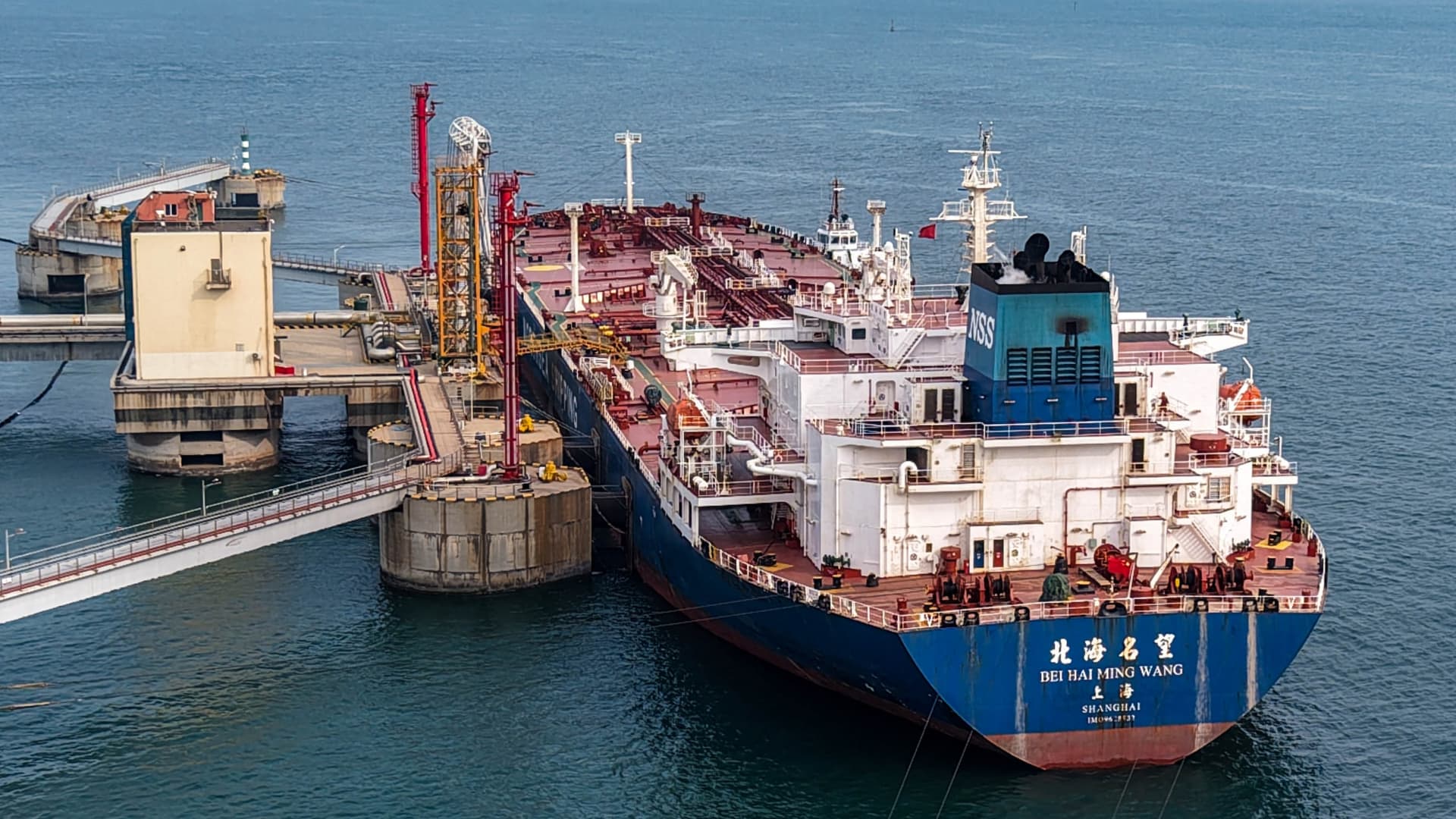
China's Industrial Profits Surge 15.2% Amid Economic Recovery


- Industrial Profit Recovery: According to the National Bureau of Statistics, China's industrial profits surged 15.2% year-on-year in January-February 2026, continuing the strong rebound from a 5.3% increase in December 2025, indicating significant improvement in corporate profitability amid government efforts to address industrial overcapacity and weak consumer demand.
- Annual Profit Growth: In 2025, China's industrial profits rose by 0.6% year-on-year, ending three consecutive years of decline, reflecting the effectiveness of government measures to curb aggressive price competition and boost exports, thereby enhancing corporate market confidence.
- Energy Price Adjustments: In response to disruptions in oil shipments from the Middle East, the Chinese government raised retail gasoline and diesel prices earlier this week, although the increase was moderated to about half of the normal level to cushion the impact on consumers, demonstrating a cautious approach amid global energy market volatility.
- Market Resilience: Despite soaring global oil prices, China's massive oil reserves and alternative energy sources are expected to mitigate the impact less than in other countries, indicating the resilience and adaptability of the Chinese economy in facing external shocks.
See More

Asia-Pacific Markets Decline Amid Uncertainty Over Middle East Peace Talks

- Market Volatility: Asia-Pacific markets fell broadly on Friday following a volatile session on Wall Street, with South Korea's Kospi index dropping 3.6%, reflecting investor anxiety over the uncertain situation in the Middle East.
- Oil Price Decline: Oil prices fell as tensions in the Middle East eased, with West Texas Intermediate dropping 1.8% to $92.82 per barrel, indicating a more optimistic outlook on future supply.
- U.S. Futures Rise: Despite major indexes closing lower on Thursday, with the S&P 500 down 1.7%, Dow Jones Industrial Average futures rose by 175 points, or 0.4%, showing market response to the decline in oil prices.
- China's Industrial Profit Data: China is set to release industrial profit figures for the first two months of 2026 on Friday, which will provide early insights into the financial health of the manufacturing sector amid intense competition and sluggish demand.
See More

U.S. Stocks Plummet Amid Rising Oil Prices and Iran Negotiation Concerns


- Nasdaq Index Plunge: The Nasdaq 100 experienced its worst one-day drop since October, while the S&P 500 and Nasdaq Composite recorded their worst performance since January 20, indicating heightened market concerns over economic outlook.
- Sector Performance Divergence: Tech stocks have fallen 15.5% from their October highs, whereas the energy sector has risen 10.5% since the onset of the Iran conflict, suggesting a potential reevaluation of asset allocation by investors based on sector resilience.
- Oversold Stocks: Only five stocks in the Nasdaq 100 are considered 'oversold' with an RSI of 30, indicating a bearish market sentiment that may lead to selling pressure, particularly affecting well-known companies like Microsoft and Disney.
- Cruise Line Performance Decline: Carnival Cruise Line's shares have dropped 17.6% over the past three months and 25% since the February 6 high, reflecting a sluggish recovery in the travel industry that could undermine future investor confidence.
See More
CHEVRON CORP AMENDS BY-LAWS TO ENABLE JOHN HESS TO PARTICIPATE FULLY ON BOARD AS A NON-EMPLOYEE DIRECTOR - SEC FILING
Chevron Corp By-Laws Amended: Chevron has amended its by-laws to allow John Hess to fully participate as a non-employee director on the board.
Non-Employee Director Participation: The amendment specifically enables non-employee directors to engage more actively in board activities, enhancing governance and oversight.
See More
Oil Prices Drop as Iran Allows Tankers Passage
- Oil Price Decline: International benchmark Brent crude futures fell by 1.92% to $105.94 per barrel, while U.S. West Texas Intermediate futures dropped 1.76% to $92.82 per barrel, indicating a potential easing of supply concerns in the market.
- Iran's Goodwill Gesture: President Trump stated that Iran allowed 10 oil tankers to pass through the Strait of Hormuz as a 'gift' to the U.S., suggesting a possible thaw in tensions, although analysts warn that the market remains vulnerable to volatility.
- Monitoring Market Dynamics: The situation in the Strait of Hormuz is critical for global crude flows, and while isolated shipments may resume, the overall oil market is still fragile, lacking the capacity to absorb further shocks effectively.
- Supply Disruption Assessment: Rystad Energy estimates that nearly 17.8 million barrels per day of oil and fuel flows have been disrupted in the Strait of Hormuz, with total liquid losses nearing 500 million barrels, highlighting the market's sensitivity to supply interruptions.
See More
Iran War's Escalating Impact on Global Economy
- Market Impact from Oil Surge: The ongoing Iran war has led to rising oil prices, causing U.S. stock indexes to fall again, with market participants expressing skepticism towards Trump's optimistic outlook, indicating growing concerns about future economic conditions.
- Strait of Hormuz Developments: Trump noted that Iran allowed 10 oil tankers to pass through the Strait of Hormuz this week as a 'gesture of goodwill' towards the U.S., although Iran has not publicly commented, highlighting the delicate nature of the situation.
- Shipping Legislation Impact: Iran is preparing legislation to impose tolls on ships passing through the Strait of Hormuz, which could further affect global shipping costs and increase uncertainty in international trade.
- OECD Economic Forecast Downgrade: The OECD predicts that the UK will be the most affected developed economy by the Iran war, forecasting inflation to reach 4% this year and downgrading growth expectations for 2026 to 0.5%, reflecting the war's profound economic implications.
See More
China's Industrial Profits Surge 15.2% Amid Economic Recovery
- Industrial Profit Recovery: According to the National Bureau of Statistics, China's industrial profits surged 15.2% year-on-year in January-February 2026, continuing the strong rebound from a 5.3% increase in December 2025, indicating significant improvement in corporate profitability amid government efforts to address industrial overcapacity and weak consumer demand.
- Annual Profit Growth: In 2025, China's industrial profits rose by 0.6% year-on-year, ending three consecutive years of decline, reflecting the effectiveness of government measures to curb aggressive price competition and boost exports, thereby enhancing corporate market confidence.
- Energy Price Adjustments: In response to disruptions in oil shipments from the Middle East, the Chinese government raised retail gasoline and diesel prices earlier this week, although the increase was moderated to about half of the normal level to cushion the impact on consumers, demonstrating a cautious approach amid global energy market volatility.
- Market Resilience: Despite soaring global oil prices, China's massive oil reserves and alternative energy sources are expected to mitigate the impact less than in other countries, indicating the resilience and adaptability of the Chinese economy in facing external shocks.
See More
Asia-Pacific Markets Decline Amid Uncertainty Over Middle East Peace Talks
- Market Volatility: Asia-Pacific markets fell broadly on Friday following a volatile session on Wall Street, with South Korea's Kospi index dropping 3.6%, reflecting investor anxiety over the uncertain situation in the Middle East.
- Oil Price Decline: Oil prices fell as tensions in the Middle East eased, with West Texas Intermediate dropping 1.8% to $92.82 per barrel, indicating a more optimistic outlook on future supply.
- U.S. Futures Rise: Despite major indexes closing lower on Thursday, with the S&P 500 down 1.7%, Dow Jones Industrial Average futures rose by 175 points, or 0.4%, showing market response to the decline in oil prices.
- China's Industrial Profit Data: China is set to release industrial profit figures for the first two months of 2026 on Friday, which will provide early insights into the financial health of the manufacturing sector amid intense competition and sluggish demand.
See More
U.S. Stocks Plummet Amid Rising Oil Prices and Iran Negotiation Concerns
- Nasdaq Index Plunge: The Nasdaq 100 experienced its worst one-day drop since October, while the S&P 500 and Nasdaq Composite recorded their worst performance since January 20, indicating heightened market concerns over economic outlook.
- Sector Performance Divergence: Tech stocks have fallen 15.5% from their October highs, whereas the energy sector has risen 10.5% since the onset of the Iran conflict, suggesting a potential reevaluation of asset allocation by investors based on sector resilience.
- Oversold Stocks: Only five stocks in the Nasdaq 100 are considered 'oversold' with an RSI of 30, indicating a bearish market sentiment that may lead to selling pressure, particularly affecting well-known companies like Microsoft and Disney.
- Cruise Line Performance Decline: Carnival Cruise Line's shares have dropped 17.6% over the past three months and 25% since the February 6 high, reflecting a sluggish recovery in the travel industry that could undermine future investor confidence.
See More