Oil Nears $100: Invest in Energy Firms for Portfolio Protection
Written by Emily J. Thompson, Senior Investment Analyst
Updated: 1 hour ago
0mins

Should l Buy CVX?
Source: Fool
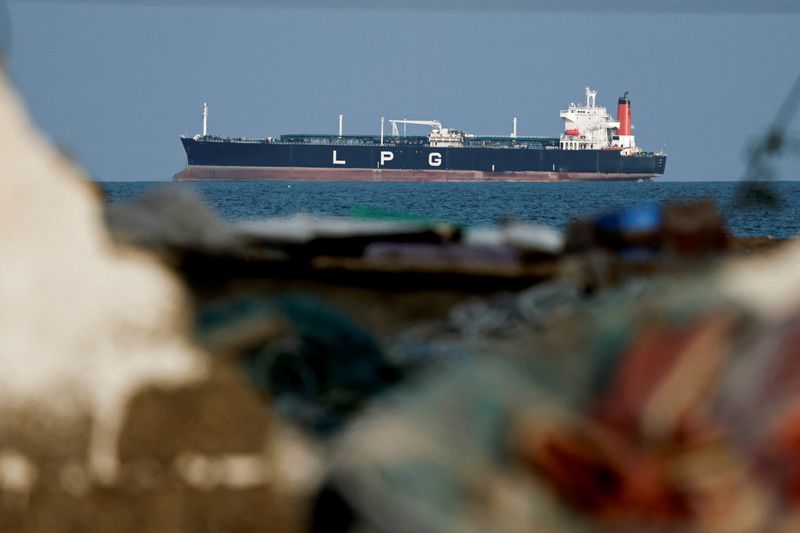
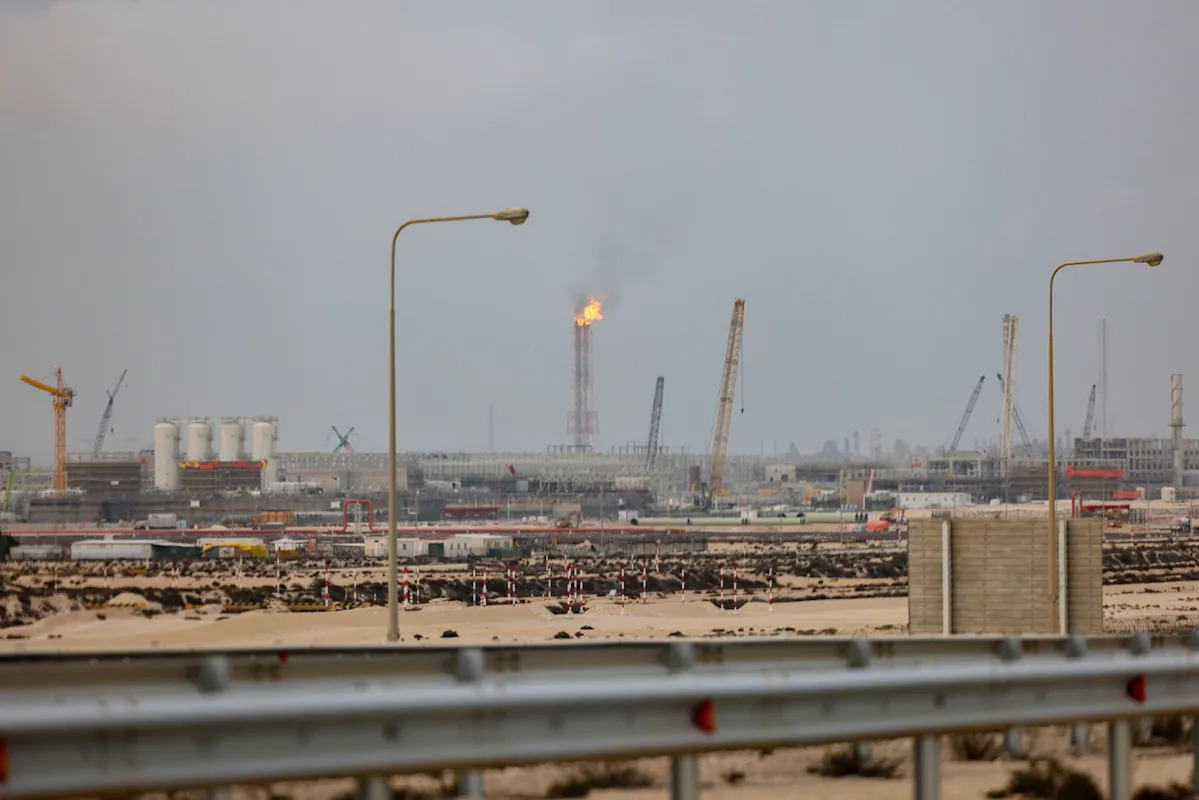
- Energy Price Risk: With oil prices nearing $100 per barrel and energy infrastructure in the Persian Gulf under attack, investors should consider buying stocks in energy companies like Equinor, PBF Energy, and Chevron to hedge against the risk of prolonged high energy prices.
- Equinor's Positive Outlook: The International Energy Agency estimates that 80% of oil passing through the Strait of Hormuz is destined for Asia, and as Norway's largest natural gas supplier, Equinor's projected earnings per share for 2026 have risen from $2.66 to $3.26, indicating strong market demand.
- PBF Energy's Strong Performance: PBF Energy's 3-2-1 crack spread has widened from $19.80 per barrel at the start of the year to $52, reflecting significant profits due to difficulties faced by competitors in sourcing crude oil, which has driven up the company's stock price.
- Chevron's Risk Mitigation: While PBF Energy faces risks from potential demand destruction amid high oil prices, Chevron, as an integrated major primarily focused on crude production, stands to benefit from rising oil prices, thus providing a risk balance for investors.
Trade with 70% Backtested Accuracy
Stop guessing "Should I Buy CVX?" and start using high-conviction signals backed by rigorous historical data.
Sign up today to access powerful investing tools and make smarter, data-driven decisions.
Analyst Views on CVX
Wall Street analysts forecast CVX stock price to fall
19 Analyst Rating
15 Buy
4 Hold
0 Sell
Strong Buy
Current: 201.440

Low
158.00
Averages
176.95
High
206.00
Current: 201.440
Low
158.00
Averages
176.95
High
206.00
About CVX
Chevron Corporation is an integrated energy company. The Company produces crude oil and natural gas; manufactures transportation fuels, lubricants, petrochemicals and additives; and develops technologies that enhance its business and industry. The Company’s segments include Upstream and Downstream. Upstream operations consist primarily of exploring for, developing, producing and transporting crude oil and natural gas; liquefaction, transportation and regasification associated with LNG; transporting crude oil by major international oil export pipelines; processing, transporting, storage and marketing of natural gas; carbon capture and storage; and a gas-to-liquids plant. Downstream operations consist primarily of the refining of crude oil into petroleum products; marketing crude oil, refined products, and lubricants; manufacturing and marketing of renewable fuels, and transporting of crude oil and refined products by pipeline, marine vessel, motor equipment and rail car.
About the author

Emily J. Thompson
Emily J. Thompson, a Chartered Financial Analyst (CFA) with 12 years in investment research, graduated with honors from the Wharton School. Specializing in industrial and technology stocks, she provides in-depth analysis for Intellectia’s earnings and market brief reports.

Chevron: A Strong Investment Choice for the Next Decade

- Business Stability: Chevron operates across all three major phases of the oil and gas ecosystem—upstream, midstream, and downstream—allowing it to maintain relative stability when one segment faces challenges, as the other segments can compensate for losses.
- Stock Performance: As of March 16, Chevron's stock has risen over 26% year-to-date; however, investors should not expect this performance to continue indefinitely, yet its consistent dividend yield is nearly three times that of the S&P 500, making it a solid income source.
- Market Attention: Despite being a noteworthy energy company, Chevron was not included in the current best stock picks by The Motley Fool Stock Advisor analyst team, indicating a cautious market sentiment regarding its future performance.
- Investment Potential: Given Chevron's stability and dividend yield, while it may not be on the best stock list, it still holds potential for reliable returns over the next decade, especially in the context of rising energy prices.
See More

Oil Nears $100: Invest in Energy Firms for Portfolio Protection

- Energy Price Risk: With oil prices nearing $100 per barrel and energy infrastructure in the Persian Gulf under attack, investors should consider buying stocks in energy companies like Equinor, PBF Energy, and Chevron to hedge against the risk of prolonged high energy prices.
- Equinor's Positive Outlook: The International Energy Agency estimates that 80% of oil passing through the Strait of Hormuz is destined for Asia, and as Norway's largest natural gas supplier, Equinor's projected earnings per share for 2026 have risen from $2.66 to $3.26, indicating strong market demand.
- PBF Energy's Strong Performance: PBF Energy's 3-2-1 crack spread has widened from $19.80 per barrel at the start of the year to $52, reflecting significant profits due to difficulties faced by competitors in sourcing crude oil, which has driven up the company's stock price.
- Chevron's Risk Mitigation: While PBF Energy faces risks from potential demand destruction amid high oil prices, Chevron, as an integrated major primarily focused on crude production, stands to benefit from rising oil prices, thus providing a risk balance for investors.
See More

Investment Opportunities Amid High Oil Prices
- Energy Price Risk Management: With oil prices nearing $100 per barrel, investing in Equinor, PBF Energy, and Chevron offers investors a diversified set of themes to mitigate potential high energy price risks, thereby enhancing portfolio resilience.
- Market Demand Shifts: The International Energy Agency estimates that 80% of oil and 90% of LNG passing through the Strait of Hormuz is destined for Asia, and a closure of this strait would lead Asian countries to compete for energy supplies, further driving up prices for Europe and impacting the global market.
- PBF Energy's Strong Performance: PBF Energy's 3-2-1 crack spread has widened from $19.80 per barrel at the start of the year to $52 currently, showcasing its robust performance in the refining sector, although high oil prices may lead to demand destruction, potentially affecting its stock price.
- Equinor's Rising Earnings Expectations: According to S&P Global Market Intelligence, Equinor's 2026 earnings per share forecast has been raised from $2.66 to $3.26, reflecting market optimism about its future profitability, while its 3.9% dividend yield also adds extra appeal for investors.
See More

Iran's Missile Attack on UK-US Base Fails


- Missile Attack Incident: Iran fired two missiles at the UK-US joint military base Diego Garcia, which failed to hit the target, marking Iran's first operational use of intermediate-range ballistic missiles and indicating its capability to threaten US interests beyond the Middle East.
- Enhanced Defense Measures: The UK Ministry of Defence confirmed that despite the unsuccessful missile strike, Royal Air Force jets and other military assets are reinforcing defenses in the region to protect personnel and facilities, reflecting heightened vigilance against Iranian threats.
- International Response: US President Trump threatened to strike Iran's power plants if the Strait of Hormuz is not fully reopened within 48 hours, a move that could escalate regional tensions and impact global energy markets significantly.
- Energy Market Volatility: The tensions in the Strait of Hormuz have led to Brent crude futures rising to $112.19 per barrel, the highest close since July 2022, indicating growing market concerns over potential supply disruptions.
See More
Berkshire Hathaway Resumes Stock Buybacks After Two Years


- Buyback Program Resumption: Berkshire Hathaway has resumed its stock buyback program after nearly two years, repurchasing 309 Class A shares on March 4 for approximately $226 million, marking its first buyback since May 2024, despite shares not being particularly cheap.
- Intrinsic Value Discount: UBS estimates that as of March 4, Berkshire's shares were trading at about a 5% discount to intrinsic value, compared to an average 15% discount during the last buyback program that began in Q3 2018, indicating limited support from current buybacks.
- Management Decision: New CEO Greg Abel discussed the buyback decision directly with Chairman Warren Buffett, evaluating both valuation and timing; while the company typically does not highlight the start of buybacks, this time it was emphasized due to the recent leadership transition.
- Market Reaction: As of March 3, Berkshire's stock price remained unchanged, down 4% year-to-date, with investors closely monitoring the upcoming shareholder meeting in May for cues from Abel and his deputies.
See More

Market Volatility from Iran Conflict Boosts Oil Dividend Stocks as Investment Choices

- Investment Opportunities in Oil Stocks: Amid market volatility triggered by the Iran conflict, investors are increasingly turning to oil stocks, particularly Chevron and Diamondback Energy, with the former boasting a 39-year streak of dividend increases that underscores its financial health and stability.
- Chevron's Dividend Appeal: With a forward dividend yield of 3.6%, Chevron maintains its dividend growth even during oil price fluctuations, asserting it can achieve breakeven from 2026 to 2030 even if oil prices fall to $50 per barrel, enhancing its attractiveness as a passive income investment.
- Value Potential of Diamondback Energy: Diamondback Energy offers a base dividend of $4.20 with a current yield of 2.4%, protected even if oil drops to $37 per barrel, and is projected to generate free cash flow of $3.1 billion at $50 oil prices in 2026, showcasing strong financial management and growth potential.
- Diversity in Investor Choices: For investors seeking stable passive income, Chevron presents an ideal option, while those inclined towards value investments may find Diamondback Energy more appealing, reflecting the diversity of investment goals.
See More
Chevron: A Strong Investment Choice for the Next Decade
- Business Stability: Chevron operates across all three major phases of the oil and gas ecosystem—upstream, midstream, and downstream—allowing it to maintain relative stability when one segment faces challenges, as the other segments can compensate for losses.
- Stock Performance: As of March 16, Chevron's stock has risen over 26% year-to-date; however, investors should not expect this performance to continue indefinitely, yet its consistent dividend yield is nearly three times that of the S&P 500, making it a solid income source.
- Market Attention: Despite being a noteworthy energy company, Chevron was not included in the current best stock picks by The Motley Fool Stock Advisor analyst team, indicating a cautious market sentiment regarding its future performance.
- Investment Potential: Given Chevron's stability and dividend yield, while it may not be on the best stock list, it still holds potential for reliable returns over the next decade, especially in the context of rising energy prices.
See More
Oil Nears $100: Invest in Energy Firms for Portfolio Protection
- Energy Price Risk: With oil prices nearing $100 per barrel and energy infrastructure in the Persian Gulf under attack, investors should consider buying stocks in energy companies like Equinor, PBF Energy, and Chevron to hedge against the risk of prolonged high energy prices.
- Equinor's Positive Outlook: The International Energy Agency estimates that 80% of oil passing through the Strait of Hormuz is destined for Asia, and as Norway's largest natural gas supplier, Equinor's projected earnings per share for 2026 have risen from $2.66 to $3.26, indicating strong market demand.
- PBF Energy's Strong Performance: PBF Energy's 3-2-1 crack spread has widened from $19.80 per barrel at the start of the year to $52, reflecting significant profits due to difficulties faced by competitors in sourcing crude oil, which has driven up the company's stock price.
- Chevron's Risk Mitigation: While PBF Energy faces risks from potential demand destruction amid high oil prices, Chevron, as an integrated major primarily focused on crude production, stands to benefit from rising oil prices, thus providing a risk balance for investors.
See More
Investment Opportunities Amid High Oil Prices
- Energy Price Risk Management: With oil prices nearing $100 per barrel, investing in Equinor, PBF Energy, and Chevron offers investors a diversified set of themes to mitigate potential high energy price risks, thereby enhancing portfolio resilience.
- Market Demand Shifts: The International Energy Agency estimates that 80% of oil and 90% of LNG passing through the Strait of Hormuz is destined for Asia, and a closure of this strait would lead Asian countries to compete for energy supplies, further driving up prices for Europe and impacting the global market.
- PBF Energy's Strong Performance: PBF Energy's 3-2-1 crack spread has widened from $19.80 per barrel at the start of the year to $52 currently, showcasing its robust performance in the refining sector, although high oil prices may lead to demand destruction, potentially affecting its stock price.
- Equinor's Rising Earnings Expectations: According to S&P Global Market Intelligence, Equinor's 2026 earnings per share forecast has been raised from $2.66 to $3.26, reflecting market optimism about its future profitability, while its 3.9% dividend yield also adds extra appeal for investors.
See More
Iran's Missile Attack on UK-US Base Fails
- Missile Attack Incident: Iran fired two missiles at the UK-US joint military base Diego Garcia, which failed to hit the target, marking Iran's first operational use of intermediate-range ballistic missiles and indicating its capability to threaten US interests beyond the Middle East.
- Enhanced Defense Measures: The UK Ministry of Defence confirmed that despite the unsuccessful missile strike, Royal Air Force jets and other military assets are reinforcing defenses in the region to protect personnel and facilities, reflecting heightened vigilance against Iranian threats.
- International Response: US President Trump threatened to strike Iran's power plants if the Strait of Hormuz is not fully reopened within 48 hours, a move that could escalate regional tensions and impact global energy markets significantly.
- Energy Market Volatility: The tensions in the Strait of Hormuz have led to Brent crude futures rising to $112.19 per barrel, the highest close since July 2022, indicating growing market concerns over potential supply disruptions.
See More
Berkshire Hathaway Resumes Stock Buybacks After Two Years
- Buyback Program Resumption: Berkshire Hathaway has resumed its stock buyback program after nearly two years, repurchasing 309 Class A shares on March 4 for approximately $226 million, marking its first buyback since May 2024, despite shares not being particularly cheap.
- Intrinsic Value Discount: UBS estimates that as of March 4, Berkshire's shares were trading at about a 5% discount to intrinsic value, compared to an average 15% discount during the last buyback program that began in Q3 2018, indicating limited support from current buybacks.
- Management Decision: New CEO Greg Abel discussed the buyback decision directly with Chairman Warren Buffett, evaluating both valuation and timing; while the company typically does not highlight the start of buybacks, this time it was emphasized due to the recent leadership transition.
- Market Reaction: As of March 3, Berkshire's stock price remained unchanged, down 4% year-to-date, with investors closely monitoring the upcoming shareholder meeting in May for cues from Abel and his deputies.
See More
Market Volatility from Iran Conflict Boosts Oil Dividend Stocks as Investment Choices
- Investment Opportunities in Oil Stocks: Amid market volatility triggered by the Iran conflict, investors are increasingly turning to oil stocks, particularly Chevron and Diamondback Energy, with the former boasting a 39-year streak of dividend increases that underscores its financial health and stability.
- Chevron's Dividend Appeal: With a forward dividend yield of 3.6%, Chevron maintains its dividend growth even during oil price fluctuations, asserting it can achieve breakeven from 2026 to 2030 even if oil prices fall to $50 per barrel, enhancing its attractiveness as a passive income investment.
- Value Potential of Diamondback Energy: Diamondback Energy offers a base dividend of $4.20 with a current yield of 2.4%, protected even if oil drops to $37 per barrel, and is projected to generate free cash flow of $3.1 billion at $50 oil prices in 2026, showcasing strong financial management and growth potential.
- Diversity in Investor Choices: For investors seeking stable passive income, Chevron presents an ideal option, while those inclined towards value investments may find Diamondback Energy more appealing, reflecting the diversity of investment goals.
See More