Nvidia Projects Accelerating Data Center Growth Through 2030
Written by Emily J. Thompson, Senior Investment Analyst
Updated: 2 hours ago
0mins
Should l Buy NVDA?
Source: NASDAQ.COM
- Market Mispricing: Despite Nvidia projecting global data center capital expenditures to rise from $600 billion in 2025 to $3 trillion to $4 trillion by 2030, the market only considers 2026 as a good year, indicating a significant underestimation of Nvidia's future growth and presenting a rare opportunity for investors.
- Strong Earnings Outlook: Nvidia anticipates a 79% growth next quarter, 85% in Q2, and a full-year growth of 71%, with a conservative estimate of 30% growth next year; however, its current P/E ratio of 22.8 times forward earnings is close to market averages, suggesting substantial undervaluation potential.
- AI Investment Opportunities: With the AI build-out trend starting in 2023, Nvidia, as an industry leader, is positioned in a resource-constrained computing realm, and the accelerating spending in the coming years will likely capture significant market share, further solidifying its dominance in the AI sector.
- Investor Confidence: Although the Motley Fool analyst team did not include Nvidia in their current top investment stocks, historical performance indicates that early investors have seen extremely high returns, suggesting that Nvidia remains a compelling investment opportunity worth considering.
Trade with 70% Backtested Accuracy
Stop guessing "Should I Buy NVDA?" and start using high-conviction signals backed by rigorous historical data.
Sign up today to access powerful investing tools and make smarter, data-driven decisions.
Analyst Views on NVDA
Wall Street analysts forecast NVDA stock price to rise
41 Analyst Rating
39 Buy
1 Hold
1 Sell
Strong Buy
Current: 198.350

Low
200.00
Averages
264.97
High
352.00
Current: 198.350
Low
200.00
Averages
264.97
High
352.00
About NVDA
NVIDIA Corporation is an artificial intelligence (AI) infrastructure company. The Company is engaged in accelerated computing to help solve the challenging computational problems. Its segments include Compute & Networking and Graphics. The Compute & Networking segment includes its Data Center accelerated computing and networking platforms and AI solutions and software, and automotive platforms and autonomous and electric vehicle solutions, including software. The Graphics segment includes GeForce GPUs for gaming and personal computers (PCs), and Quadro/NVIDIA RTX GPUs for enterprise workstation graphics. Its technology stack includes the foundational NVIDIA CUDA development platform that runs on all NVIDIA GPUs, as well as hundreds of domain-specific software libraries, frameworks, algorithms, software development kits (SDKs), and application programming interfaces (APIs). Its platforms address four markets, which include Data Center, Gaming, Professional Visualization, and Automotive.
About the author

Emily J. Thompson
Emily J. Thompson, a Chartered Financial Analyst (CFA) with 12 years in investment research, graduated with honors from the Wharton School. Specializing in industrial and technology stocks, she provides in-depth analysis for Intellectia’s earnings and market brief reports.

Cursor Secures $2B Funding Round, Valuation Exceeds $50B

- Massive Funding Round: Cursor is currently engaged in a $2 billion funding round that is expected to elevate its valuation to over $50 billion, providing substantial support for future expansion and technological innovation.
- Strong Investor Lineup: The funding round is co-led by tech-focused venture capital firm Andreessen Horowitz, with participation from Nvidia and Thrive Capital, reflecting the market's high regard for Cursor and its AI coding technology.
- High Market Penetration: As of February, Cursor's annualized revenue has surpassed $2 billion, with approximately 67% of Fortune 500 companies utilizing its platform, indicating widespread adoption and strong demand in the enterprise market.
- Significant Technological Impact: Cursor generates 150 million lines of enterprise code daily, establishing itself as a leader in the AI-assisted coding space and further solidifying its position in the rapidly evolving technology market.
See More

Nvidia Surpasses $4 Trillion Market Value

- Market Milestone: Nvidia has become the first company to surpass a $4 trillion market value, overtaking Microsoft and Apple, which underscores its leadership in the AI chip market and further solidifies its competitive advantage in the tech industry.
- Revenue Growth Potential: Analysts project Nvidia's revenue to surge over 72% year-over-year to approximately $370 billion in the current fiscal year, indicating that sustained demand in the AI sector will drive future growth.
- Valuation Model Analysis: UBS analyst highlights that Nvidia's HOLT valuation model suggests its stock price should be 400% higher, potentially reaching a staggering $22 trillion market value, although this target is highly ambitious, it reflects strong investment returns.
- Improving Market Environment: As optimism returns to the tech sector, Nvidia's stock price is expected to continue climbing, despite lingering doubts about AI profitability, its unique position in the industry will support its future development.
See More

Nvidia Surpasses $4 Trillion Market Value
- Market Leadership: Nvidia surpassed a market value of $4 trillion last year, becoming the first company to reach this milestone, outpacing Microsoft and Apple, which solidifies its dominant position in the AI chip market and showcases its strong competitive edge in technology.
- Revenue Growth Potential: Analysts project Nvidia's revenue to surge over 72% year-over-year to approximately $370 billion in the current fiscal year, driven by sustained investments in AI and surging market demand, indicating further enhancement in profitability in the future.
- Valuation Model Analysis: UBS analyst John Talbott's HOLT valuation model suggests Nvidia's stock price should be 400% higher, potentially bringing its market value to a staggering $22 trillion; while this prediction is highly ambitious, it reflects Nvidia's advantages in investment returns and market competition.
- Market Environment Impact: Despite facing uncertainties in the broader market, Nvidia continues to perform strongly, with its stock trading at only 23 times forward earnings estimates, indicating significant growth potential in the AI boom, which has captured investors' attention.
See More

Nasdaq-100 Index Reaches New High Amid Market Recovery

- Market Recovery: The Nasdaq-100 surged 17% between March 30 and April 17, marking the highest return over 13 trading days since the pandemic recovery in 2020, reflecting optimism as the U.S.-Iran conflict eases.
- Oil Price Impact: The index previously fell 12% due to soaring oil prices affecting consumer spending and corporate earnings, but the reopening of the Strait of Hormuz by Iran led to a drop in oil prices and further market gains.
- Uncertain AI Investment: OpenAI's revised spending plan to $600 billion by 2030 from $1.4 trillion may lead to reduced infrastructure spending by cloud providers like Oracle and Microsoft, impacting revenue across the tech sector.
- Strong Historical Performance: Despite risks in the AI sector, the Nasdaq-100 has recovered from five bear markets over the past 26 years, indicating long-term growth potential with a compound annual return of 10.1%.
See More

Nasdaq-100 Index Faces AI Industry Risks Amid Oil Price Surge
- Market Volatility: The Nasdaq-100 index recently fell by 12% due to soaring oil prices triggered by the U.S.-Iran conflict, highlighting investor concerns about consumer spending and corporate earnings, particularly regarding the sustainability of AI spending.
- AI Spending Downgrade: OpenAI's announcement to reduce its computing capacity spending from $1.4 trillion to $600 billion by 2030 may impact infrastructure investments by cloud providers like Oracle and Microsoft, leading to a ripple effect across the tech industry.
- Data Center Delays: Approximately half of the data centers planned to open in the U.S. this year are expected to be delayed or canceled due to component shortages and rising energy costs, exacerbating market concerns about the AI sector, especially given that tech stocks account for 60% of the Nasdaq-100's value.
- Historical Performance and Future Outlook: Despite short-term risks, the Nasdaq-100 index rebounded 17% over 13 days from March to April 2020, indicating strong long-term growth potential, as it has historically recovered from five bear markets, suggesting that the market may continue to rise after volatility.
See More
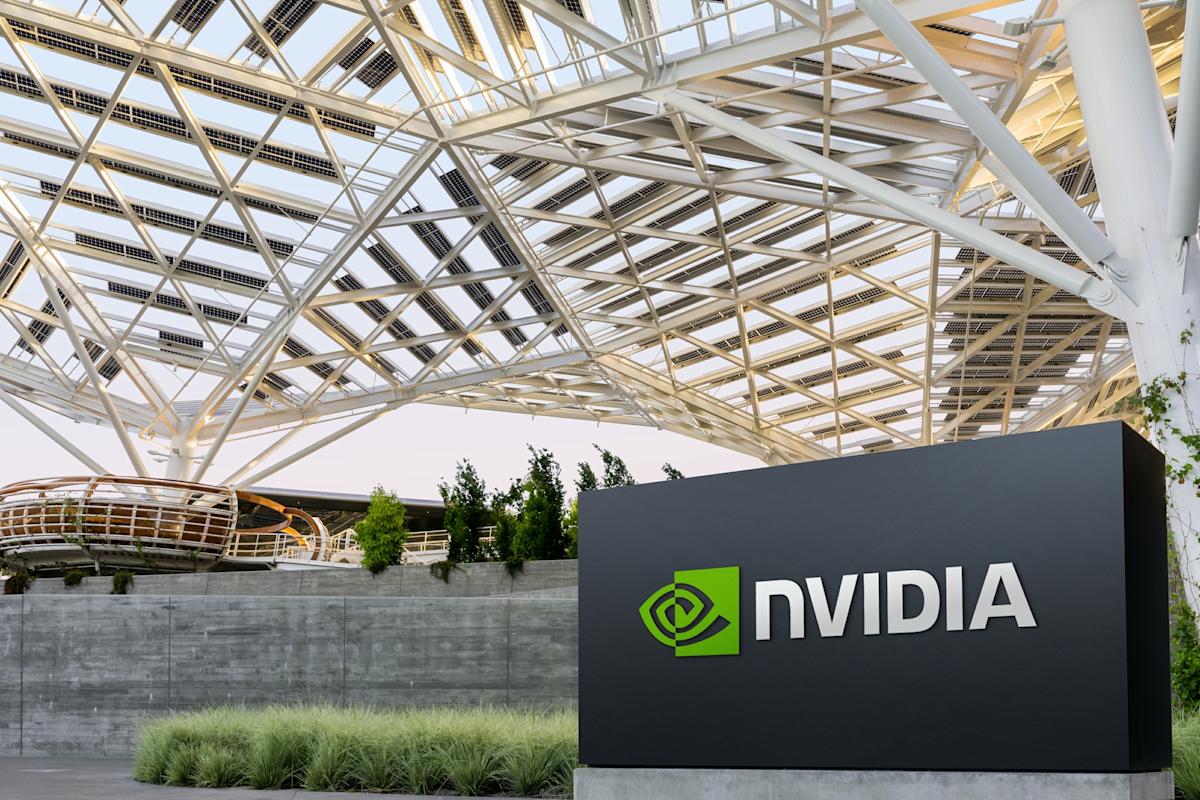
NVIDIA Named One of the Best Long-Term Data Center Stocks
- Significant Stock Growth: Over the past year, NVIDIA's stock surged by 95.44%, with a year-to-date increase of 5.03%, reflecting strong market performance and investor confidence, further solidifying its leadership in the data center sector.
- Quantum AI Model Launch: On April 14, NVIDIA unveiled the world's first family of open-source quantum AI models, NVIDIA Ising, designed to assist researchers and enterprises in building quantum processors capable of running practical applications, enhancing the potential for quantum computing.
- Surge in Data Center Revenue: NVIDIA reported fourth-quarter data center revenue of $62.3 billion, a 75% year-over-year increase, primarily driven by significant platform shifts towards accelerated computing and AI, indicating robust demand in the rapidly evolving AI market.
- Accelerated Enterprise Adoption: CEO Jensen Huang emphasized that enterprise adoption of AI computing is skyrocketing, with customers racing to invest in AI infrastructure to drive the AI industrial revolution and future growth, highlighting the strong market demand for AI technologies.
See More
Cursor Secures $2B Funding Round, Valuation Exceeds $50B
- Massive Funding Round: Cursor is currently engaged in a $2 billion funding round that is expected to elevate its valuation to over $50 billion, providing substantial support for future expansion and technological innovation.
- Strong Investor Lineup: The funding round is co-led by tech-focused venture capital firm Andreessen Horowitz, with participation from Nvidia and Thrive Capital, reflecting the market's high regard for Cursor and its AI coding technology.
- High Market Penetration: As of February, Cursor's annualized revenue has surpassed $2 billion, with approximately 67% of Fortune 500 companies utilizing its platform, indicating widespread adoption and strong demand in the enterprise market.
- Significant Technological Impact: Cursor generates 150 million lines of enterprise code daily, establishing itself as a leader in the AI-assisted coding space and further solidifying its position in the rapidly evolving technology market.
See More
Nvidia Surpasses $4 Trillion Market Value
- Market Milestone: Nvidia has become the first company to surpass a $4 trillion market value, overtaking Microsoft and Apple, which underscores its leadership in the AI chip market and further solidifies its competitive advantage in the tech industry.
- Revenue Growth Potential: Analysts project Nvidia's revenue to surge over 72% year-over-year to approximately $370 billion in the current fiscal year, indicating that sustained demand in the AI sector will drive future growth.
- Valuation Model Analysis: UBS analyst highlights that Nvidia's HOLT valuation model suggests its stock price should be 400% higher, potentially reaching a staggering $22 trillion market value, although this target is highly ambitious, it reflects strong investment returns.
- Improving Market Environment: As optimism returns to the tech sector, Nvidia's stock price is expected to continue climbing, despite lingering doubts about AI profitability, its unique position in the industry will support its future development.
See More
Nvidia Surpasses $4 Trillion Market Value
- Market Leadership: Nvidia surpassed a market value of $4 trillion last year, becoming the first company to reach this milestone, outpacing Microsoft and Apple, which solidifies its dominant position in the AI chip market and showcases its strong competitive edge in technology.
- Revenue Growth Potential: Analysts project Nvidia's revenue to surge over 72% year-over-year to approximately $370 billion in the current fiscal year, driven by sustained investments in AI and surging market demand, indicating further enhancement in profitability in the future.
- Valuation Model Analysis: UBS analyst John Talbott's HOLT valuation model suggests Nvidia's stock price should be 400% higher, potentially bringing its market value to a staggering $22 trillion; while this prediction is highly ambitious, it reflects Nvidia's advantages in investment returns and market competition.
- Market Environment Impact: Despite facing uncertainties in the broader market, Nvidia continues to perform strongly, with its stock trading at only 23 times forward earnings estimates, indicating significant growth potential in the AI boom, which has captured investors' attention.
See More
Nasdaq-100 Index Reaches New High Amid Market Recovery
- Market Recovery: The Nasdaq-100 surged 17% between March 30 and April 17, marking the highest return over 13 trading days since the pandemic recovery in 2020, reflecting optimism as the U.S.-Iran conflict eases.
- Oil Price Impact: The index previously fell 12% due to soaring oil prices affecting consumer spending and corporate earnings, but the reopening of the Strait of Hormuz by Iran led to a drop in oil prices and further market gains.
- Uncertain AI Investment: OpenAI's revised spending plan to $600 billion by 2030 from $1.4 trillion may lead to reduced infrastructure spending by cloud providers like Oracle and Microsoft, impacting revenue across the tech sector.
- Strong Historical Performance: Despite risks in the AI sector, the Nasdaq-100 has recovered from five bear markets over the past 26 years, indicating long-term growth potential with a compound annual return of 10.1%.
See More
Nasdaq-100 Index Faces AI Industry Risks Amid Oil Price Surge
- Market Volatility: The Nasdaq-100 index recently fell by 12% due to soaring oil prices triggered by the U.S.-Iran conflict, highlighting investor concerns about consumer spending and corporate earnings, particularly regarding the sustainability of AI spending.
- AI Spending Downgrade: OpenAI's announcement to reduce its computing capacity spending from $1.4 trillion to $600 billion by 2030 may impact infrastructure investments by cloud providers like Oracle and Microsoft, leading to a ripple effect across the tech industry.
- Data Center Delays: Approximately half of the data centers planned to open in the U.S. this year are expected to be delayed or canceled due to component shortages and rising energy costs, exacerbating market concerns about the AI sector, especially given that tech stocks account for 60% of the Nasdaq-100's value.
- Historical Performance and Future Outlook: Despite short-term risks, the Nasdaq-100 index rebounded 17% over 13 days from March to April 2020, indicating strong long-term growth potential, as it has historically recovered from five bear markets, suggesting that the market may continue to rise after volatility.
See More
NVIDIA Named One of the Best Long-Term Data Center Stocks
- Significant Stock Growth: Over the past year, NVIDIA's stock surged by 95.44%, with a year-to-date increase of 5.03%, reflecting strong market performance and investor confidence, further solidifying its leadership in the data center sector.
- Quantum AI Model Launch: On April 14, NVIDIA unveiled the world's first family of open-source quantum AI models, NVIDIA Ising, designed to assist researchers and enterprises in building quantum processors capable of running practical applications, enhancing the potential for quantum computing.
- Surge in Data Center Revenue: NVIDIA reported fourth-quarter data center revenue of $62.3 billion, a 75% year-over-year increase, primarily driven by significant platform shifts towards accelerated computing and AI, indicating robust demand in the rapidly evolving AI market.
- Accelerated Enterprise Adoption: CEO Jensen Huang emphasized that enterprise adoption of AI computing is skyrocketing, with customers racing to invest in AI infrastructure to drive the AI industrial revolution and future growth, highlighting the strong market demand for AI technologies.
See More