Nvidia Earnings Preview: Impact of Trump's China Trip
Written by Emily J. Thompson, Senior Investment Analyst
Updated: 19 hours ago
0mins
Should l Buy TSM?
Source: CNBC
- Earnings Call Anticipation: Nvidia is set to report its fiscal first-quarter earnings on Wednesday after the market closes, with traders speculating a 50% chance that CEO Jensen Huang will mention President Trump during the call.
- Chip Sales Uncertainty: Although Trump stated that the H200 chip was not discussed with China, the U.S. government has approved several Chinese firms to purchase the model, indicating a complex demand landscape.
- Tariff Discussion Likelihood: There is a 57% chance that Nvidia will address tariffs during its earnings call, which could significantly influence its sales strategy in the Chinese market moving forward.
- Emerging Robot Topic: The likelihood of Nvidia discussing humanoid robots stands at 55%, as Huang mentioned at CES the expectation of robots with human-level capabilities this year, highlighting the company's strategic focus on new technology areas.
Trade with 70% Backtested Accuracy
Stop guessing "Should I Buy TSM?" and start using high-conviction signals backed by rigorous historical data.
Sign up today to access powerful investing tools and make smarter, data-driven decisions.
Analyst Views on TSM
Wall Street analysts forecast TSM stock price to fall
8 Analyst Rating
7 Buy
1 Hold
0 Sell
Strong Buy
Current: 404.350

Low
63.24
Averages
313.46
High
390.00
Current: 404.350
Low
63.24
Averages
313.46
High
390.00
About TSM
Taiwan Semiconductor Manufacturing Co Ltd is a Taiwan-based integrated circuit foundry service provider. The Company is primarily engaged in integrated circuit manufacturing services. It offers advanced process technologies, specialised process solutions, advanced photomask and silicon stacking, and packaging-related technologies, while supporting a comprehensive design ecosystem. The Company's products serve diverse electronic sectors including artificial intelligence, high-performance computing, wired and wireless communications, automotive and industrial equipment, personal computing, information applications, consumer electronics, smart internet of things, and wearable devices.
About the author

Emily J. Thompson
Emily J. Thompson, a Chartered Financial Analyst (CFA) with 12 years in investment research, graduated with honors from the Wharton School. Specializing in industrial and technology stocks, she provides in-depth analysis for Intellectia’s earnings and market brief reports.
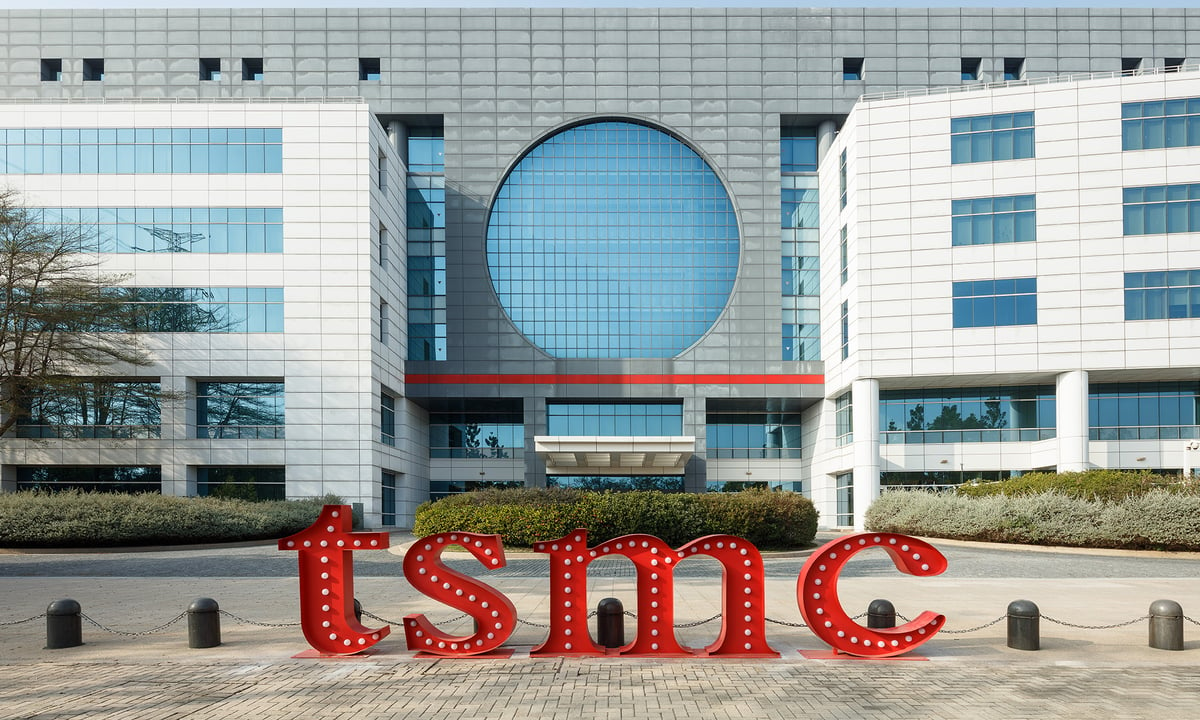
Nvidia's Earnings Report Sparks Investor Interest


- Earnings Report Anticipation: Nvidia is set to release its fiscal Q1 2027 results on May 20, with investors keenly awaiting insights into the AI economy, despite a modest 21% stock gain over the past six months compared to a 73% rise in the semiconductor index.
- TSMC's Strong Performance: As Nvidia's foundry partner, TSMC's stock surged 33% in 2026, significantly outperforming Nvidia, while controlling 72% of the pure-play foundry market by the end of 2025, highlighting its competitive edge.
- Growth in Foundry 2.0 Market: Counterpoint Research indicates that the Foundry 2.0 market grew by 16% to $320 billion in 2025, with TSMC capturing 38% of this market, underscoring its leadership in the AI era.
- Future Growth Potential: TSMC plans to increase its 2nm production capacity at a 70% CAGR from 2026 to 2028, and with anticipated price hikes, it is poised for significant profit growth, further solidifying its dominant market position.
See More

Nvidia Earnings Outlook and TSMC Investment Opportunities
- Earnings Release Outlook: Nvidia is set to report its fiscal Q1 results on May 20, and despite expectations for solid performance, historical trends indicate that its stock often faces pressure post-earnings, with five out of the last seven reports resulting in stock declines, reflecting market caution regarding its future performance.
- TSMC Market Dominance: As Nvidia's largest customer, TSMC controlled 72% of the pure-play foundry market by the end of 2025, significantly ahead of its closest competitor at 7%, and held a 38% share in the Foundry 2.0 market, showcasing its strong competitive position amid surging AI chip demand.
- Production Capacity Expansion: TSMC plans to increase its 2nm production capacity at a 70% CAGR from 2026 to 2028, which is expected to meet the robust demand from Nvidia and other AI chip designers, thereby driving the company's revenue growth in the future.
- Optimistic Profit Projections: Analysts predict that if TSMC achieves $24.95 in earnings per share by 2028 and trades at a 26.2x earnings multiple, its stock price could reach $653, representing a 62% increase from current levels, reflecting market recognition of its long-term growth potential in the AI chip sector.
See More
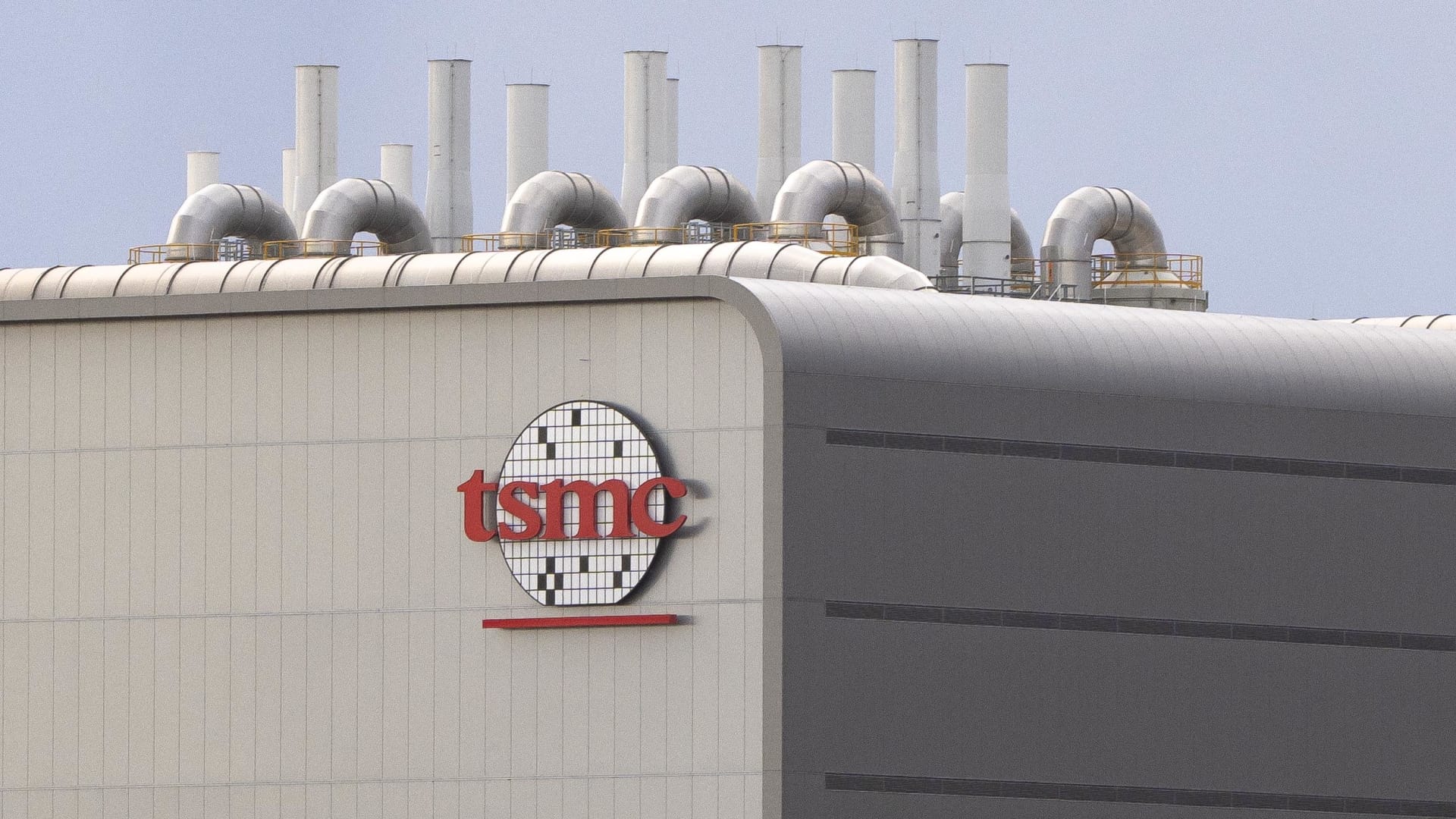
Middle East Conflict's Impact on Semiconductor Industry


- Supply Chain Strain: The ongoing conflict in the Middle East has led to shortages of critical materials, particularly helium, which is crucial for semiconductor manufacturing, with TSMC warning that this situation could negatively impact its profitability.
- Rising Cost Risks: Companies like Foxconn and Infineon have highlighted that the war is driving up costs for precious metals, energy, and freight, which could adversely affect their earnings outlook for 2026, especially amid soaring energy prices.
- Inventory Strategy Adjustments: In response to supply chain disruptions, TSMC is building inventory buffers and diversifying its sourcing strategies to reduce dependence on specific regions, thereby enhancing the resilience of its global supply chain.
- Long-term Impact Concerns: Analysts warn that if the conflict persists, the second and third-order impacts on component costs and vendor margins could lead to increased earnings pressure in the coming quarters, particularly if the U.S.-Iran stalemate continues unresolved.
See More

Middle East Conflict's Impact on Chip Sector
- Supply Chain Strain: The ongoing Iran war has intensified dual pressures on the global chip sector regarding supply chains and costs, with TSMC, Foxconn, and Infineon all indicating negative impacts on profitability in their earnings reports, leading to anticipated shortages of critical materials that could hinder production capacity.
- Soaring Energy Costs: Analysts have noted that energy and freight costs have reached historical highs and are expected to remain elevated for several quarters, particularly with rising prices for natural gas and helium directly affecting semiconductor manufacturers' margins, exacerbating cost pressures in the industry.
- Diversification Strategy: In response to supply chain disruptions, TSMC is building inventory buffers and diversifying sourcing to reduce dependence on specific regions, with CFO Wendell Huang stating that the company will continuously develop a well-diversified global supplier base to enhance local supply chain resilience.
- Strong Market Confidence: Despite facing numerous challenges, the AI boom continues to bolster investor confidence, with the Nasdaq Semiconductor Index rising 41% over the past three months, reflecting optimistic sentiment towards chip companies, although potential supply chain issues may impact future earnings performance.
See More

Analysis of Trends in International Stock ETF Investments

- U.S. Stock Underperformance: Over the past year, the S&P 500 has underperformed compared to international markets like Japan's Nikkei 225 and Canada's S&P/TSX, indicating a potential shift in investor confidence away from U.S. equities, which could lead to capital outflows.
- International ETF Returns: The iShares Core MSCI Total International Stock ETF has delivered an annualized return of 17.7% over the past three years, holding 4,160 stocks with a low expense ratio of 0.07%, providing investors with a cost-effective way to gain exposure to international markets.
- High Dividend ETF Performance: The Vanguard International High Dividend Yield ETF has outperformed the other two funds with a 21% annualized return over three years and a trailing dividend yield of 3.47%, showcasing its competitiveness in high-yield investments.
- Strategy for Choosing International ETFs: While the S&P 500 has outperformed these international ETFs over the past five years, the Vanguard International High Dividend Yield ETF has excelled in the past year, suggesting that investors should select international ETFs based on their specific goals and investment styles.
See More

Semiconductor Sector Reshapes Investment Diversification
- Rising Semiconductor Weight: Over the past decade, the semiconductor sector's weight in the S&P 500 has surged from 2% to 18%, a shift that not only reflects rapid industry growth but also poses challenges to portfolio diversification, particularly amid concentrated AI capital expenditures.
- NVIDIA's Market Leadership: NVIDIA commands a market cap of $5.46 trillion, with a 65.53% stock price increase over the past year and data center revenue contributing $62.31 billion, driving a 73.2% overall revenue growth, underscoring its dominance in the semiconductor sector.
- Micron and TSMC's Strong Performance: Micron's stock has skyrocketed 625.69% in the past year due to HBM demand, while Taiwan Semiconductor boasts a $2.1 trillion market cap, with 61% of its revenue derived from AI/HPC workloads, highlighting the semiconductor industry's significant impact on emerging markets.
- Ineffectiveness of Traditional Diversification: As the semiconductor industry becomes more concentrated, traditional diversification strategies are proving ineffective, prompting investors to reassess their portfolios to mitigate current market correlation risks.
See More
Nvidia's Earnings Report Sparks Investor Interest
- Earnings Report Anticipation: Nvidia is set to release its fiscal Q1 2027 results on May 20, with investors keenly awaiting insights into the AI economy, despite a modest 21% stock gain over the past six months compared to a 73% rise in the semiconductor index.
- TSMC's Strong Performance: As Nvidia's foundry partner, TSMC's stock surged 33% in 2026, significantly outperforming Nvidia, while controlling 72% of the pure-play foundry market by the end of 2025, highlighting its competitive edge.
- Growth in Foundry 2.0 Market: Counterpoint Research indicates that the Foundry 2.0 market grew by 16% to $320 billion in 2025, with TSMC capturing 38% of this market, underscoring its leadership in the AI era.
- Future Growth Potential: TSMC plans to increase its 2nm production capacity at a 70% CAGR from 2026 to 2028, and with anticipated price hikes, it is poised for significant profit growth, further solidifying its dominant market position.
See More
Nvidia Earnings Outlook and TSMC Investment Opportunities
- Earnings Release Outlook: Nvidia is set to report its fiscal Q1 results on May 20, and despite expectations for solid performance, historical trends indicate that its stock often faces pressure post-earnings, with five out of the last seven reports resulting in stock declines, reflecting market caution regarding its future performance.
- TSMC Market Dominance: As Nvidia's largest customer, TSMC controlled 72% of the pure-play foundry market by the end of 2025, significantly ahead of its closest competitor at 7%, and held a 38% share in the Foundry 2.0 market, showcasing its strong competitive position amid surging AI chip demand.
- Production Capacity Expansion: TSMC plans to increase its 2nm production capacity at a 70% CAGR from 2026 to 2028, which is expected to meet the robust demand from Nvidia and other AI chip designers, thereby driving the company's revenue growth in the future.
- Optimistic Profit Projections: Analysts predict that if TSMC achieves $24.95 in earnings per share by 2028 and trades at a 26.2x earnings multiple, its stock price could reach $653, representing a 62% increase from current levels, reflecting market recognition of its long-term growth potential in the AI chip sector.
See More
Middle East Conflict's Impact on Semiconductor Industry
- Supply Chain Strain: The ongoing conflict in the Middle East has led to shortages of critical materials, particularly helium, which is crucial for semiconductor manufacturing, with TSMC warning that this situation could negatively impact its profitability.
- Rising Cost Risks: Companies like Foxconn and Infineon have highlighted that the war is driving up costs for precious metals, energy, and freight, which could adversely affect their earnings outlook for 2026, especially amid soaring energy prices.
- Inventory Strategy Adjustments: In response to supply chain disruptions, TSMC is building inventory buffers and diversifying its sourcing strategies to reduce dependence on specific regions, thereby enhancing the resilience of its global supply chain.
- Long-term Impact Concerns: Analysts warn that if the conflict persists, the second and third-order impacts on component costs and vendor margins could lead to increased earnings pressure in the coming quarters, particularly if the U.S.-Iran stalemate continues unresolved.
See More
Middle East Conflict's Impact on Chip Sector
- Supply Chain Strain: The ongoing Iran war has intensified dual pressures on the global chip sector regarding supply chains and costs, with TSMC, Foxconn, and Infineon all indicating negative impacts on profitability in their earnings reports, leading to anticipated shortages of critical materials that could hinder production capacity.
- Soaring Energy Costs: Analysts have noted that energy and freight costs have reached historical highs and are expected to remain elevated for several quarters, particularly with rising prices for natural gas and helium directly affecting semiconductor manufacturers' margins, exacerbating cost pressures in the industry.
- Diversification Strategy: In response to supply chain disruptions, TSMC is building inventory buffers and diversifying sourcing to reduce dependence on specific regions, with CFO Wendell Huang stating that the company will continuously develop a well-diversified global supplier base to enhance local supply chain resilience.
- Strong Market Confidence: Despite facing numerous challenges, the AI boom continues to bolster investor confidence, with the Nasdaq Semiconductor Index rising 41% over the past three months, reflecting optimistic sentiment towards chip companies, although potential supply chain issues may impact future earnings performance.
See More
Analysis of Trends in International Stock ETF Investments
- U.S. Stock Underperformance: Over the past year, the S&P 500 has underperformed compared to international markets like Japan's Nikkei 225 and Canada's S&P/TSX, indicating a potential shift in investor confidence away from U.S. equities, which could lead to capital outflows.
- International ETF Returns: The iShares Core MSCI Total International Stock ETF has delivered an annualized return of 17.7% over the past three years, holding 4,160 stocks with a low expense ratio of 0.07%, providing investors with a cost-effective way to gain exposure to international markets.
- High Dividend ETF Performance: The Vanguard International High Dividend Yield ETF has outperformed the other two funds with a 21% annualized return over three years and a trailing dividend yield of 3.47%, showcasing its competitiveness in high-yield investments.
- Strategy for Choosing International ETFs: While the S&P 500 has outperformed these international ETFs over the past five years, the Vanguard International High Dividend Yield ETF has excelled in the past year, suggesting that investors should select international ETFs based on their specific goals and investment styles.
See More
Semiconductor Sector Reshapes Investment Diversification
- Rising Semiconductor Weight: Over the past decade, the semiconductor sector's weight in the S&P 500 has surged from 2% to 18%, a shift that not only reflects rapid industry growth but also poses challenges to portfolio diversification, particularly amid concentrated AI capital expenditures.
- NVIDIA's Market Leadership: NVIDIA commands a market cap of $5.46 trillion, with a 65.53% stock price increase over the past year and data center revenue contributing $62.31 billion, driving a 73.2% overall revenue growth, underscoring its dominance in the semiconductor sector.
- Micron and TSMC's Strong Performance: Micron's stock has skyrocketed 625.69% in the past year due to HBM demand, while Taiwan Semiconductor boasts a $2.1 trillion market cap, with 61% of its revenue derived from AI/HPC workloads, highlighting the semiconductor industry's significant impact on emerging markets.
- Ineffectiveness of Traditional Diversification: As the semiconductor industry becomes more concentrated, traditional diversification strategies are proving ineffective, prompting investors to reassess their portfolios to mitigate current market correlation risks.
See More