NVIDIA Accelerates Autonomous Driving Partnerships
Written by Emily J. Thompson, Senior Investment Analyst
Updated: Mar 23 2026
0mins


Should l Buy UBER?
Source: NASDAQ.COM
- Autonomous Driving Outlook: NVIDIA's announcement of partnerships with Uber and Lyft to advance autonomous driving technology is expected to significantly enhance market demand and future growth potential for both companies.
- Positive Market Reaction: Following Jensen Huang's remarks at the GTC conference, Uber and Lyft's stock prices surged, reflecting investor confidence in the future of autonomous driving.
- Supply Chain Expansion: The addition of more suppliers for autonomous driving indicates increased support for demand aggregators, further driving technological advancements and competitiveness within the industry.
- Investor Focus: Although Uber and Lyft's stock prices experienced a decline later, the market remains optimistic about their long-term prospects in autonomous driving, indicating strong investor expectations for future returns.
Trade with 70% Backtested Accuracy
Stop guessing "Should I Buy UBER?" and start using high-conviction signals backed by rigorous historical data.
Sign up today to access powerful investing tools and make smarter, data-driven decisions.
Analyst Views on UBER
Wall Street analysts forecast UBER stock price to rise
32 Analyst Rating
28 Buy
3 Hold
1 Sell
Strong Buy
Current: 73.930

Low
72.00
Averages
107.10
High
150.00
Current: 73.930
Low
72.00
Averages
107.10
High
150.00
About UBER
Uber Technologies, Inc. operates a technology platform that uses network and technology to power movement from point A to point B. It develops and operates technology applications supporting a variety of offerings on its platform (platform(s)). Its segments include Mobility, Delivery and Freight. Mobility products connect consumers with drivers who provide rides in a variety of vehicles, such as cars, auto rickshaws, motorbikes, minibuses, or taxis. Delivery offerings allow consumers to search for and discover local restaurants, order a meal, and either pick-up at the restaurant or have the meal delivered. In certain markets, the Delivery segment provides offerings for grocery, alcohol, and convenience store delivery as well as select other goods. The Freight segment connects carriers with shippers on its platform, and gives carriers upfront, pricing and the ability to book a shipment. The Freight segment also includes transportation management and other logistics service offerings.
About the author

Emily J. Thompson
Emily J. Thompson, a Chartered Financial Analyst (CFA) with 12 years in investment research, graduated with honors from the Wharton School. Specializing in industrial and technology stocks, she provides in-depth analysis for Intellectia’s earnings and market brief reports.
Uber Earnings Report May Trigger Share Price Rally


- Earnings Preview: Uber is set to release its first-quarter earnings report before Wednesday's opening bell, with market expectations that strong results could trigger a share price rally, closing at $75.12 on Friday.
- Support Level Analysis: Market strategist Jay Woods highlights strong support for Uber's stock in the $70 to $72 range, recommending investors buy shares in this area to capitalize on potential price fluctuations.
- Trend Shift: Woods notes that Uber's stock has recently broken a downtrend, having fallen for six consecutive months until April, when it rebounded nearly 4%, indicating a recovery in market confidence.
- Future Outlook: Should the stock surpass $78, it is expected to smoothly rise to the $85 level, which aligns with the 200-day moving average, suggesting a growing bullish sentiment towards Uber's long-term prospects.
See More
Strong Earnings in Industrials Sector, Caterpillar Shines
- Earnings Beat: Out of 32 companies in the S&P 500 industrials sector, 26 exceeded both earnings and revenue estimates, highlighting robust demand in infrastructure, aerospace, and electrification, which reflects overall market resilience.
- Caterpillar's Strong Results: Caterpillar reported an EPS of $5.54, beating estimates by $0.90, with revenue reaching $17.42 billion, a 21% increase from last year, driven by strong demand in construction and energy transportation sectors.
- UPS and Others: UPS reported an EPS of $1.07, surpassing estimates by $0.05, while revenue came in at $21.55 billion, exceeding expectations by $228 million, although earnings declined from last year, indicating resilient shipping demand.
- Market Outlook Uncertainty: Despite the strong overall performance of the industrial sector, investor sentiment has weakened due to trade policy uncertainties and macroeconomic risks, with the Industrial Select Sector SPDR Fund pulling back approximately 9-10% from recent highs.
See More
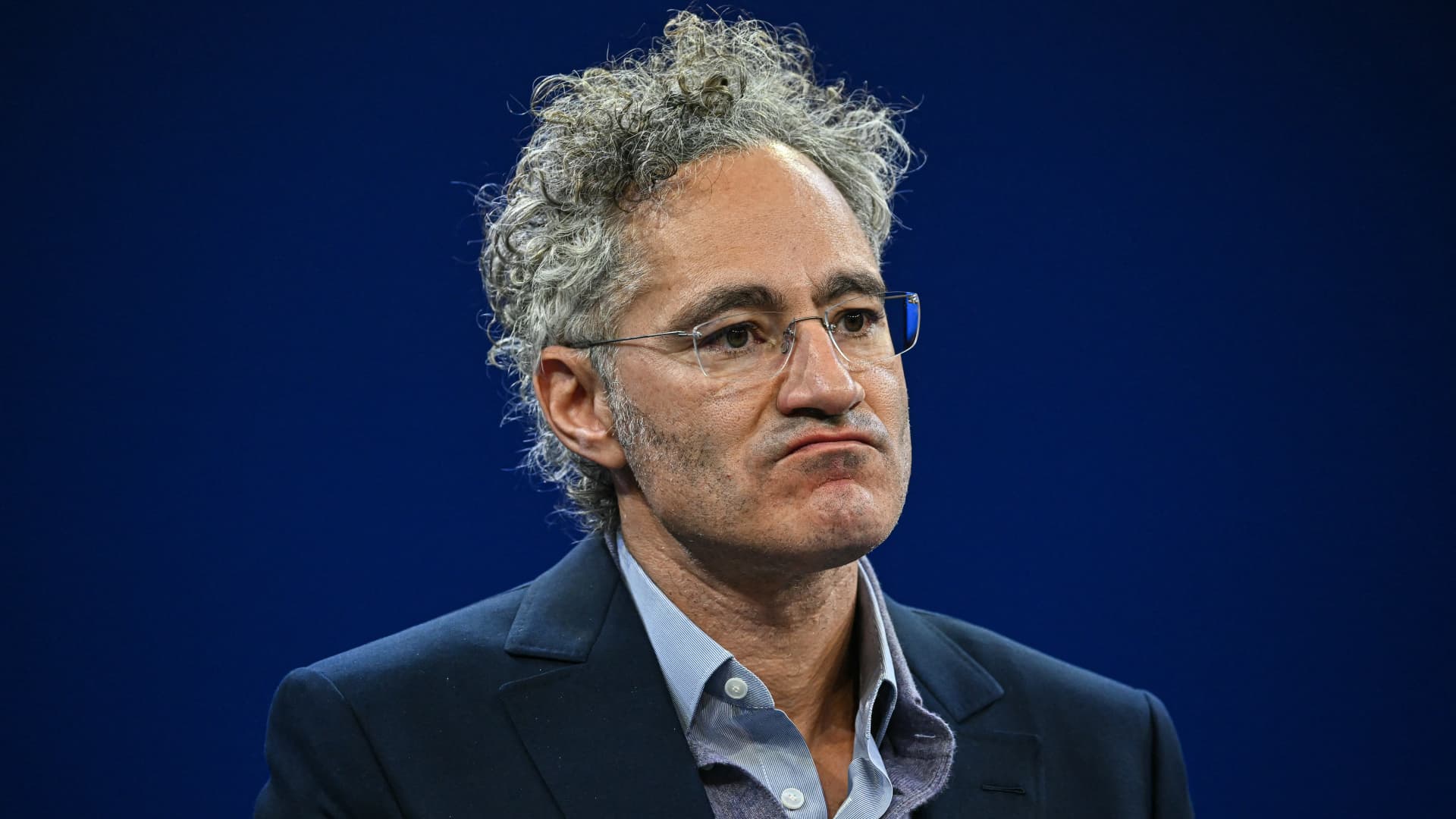
AMD and Palantir Earnings Week Outlook

- Strong Market Performance: The U.S. stock market continues to rise despite elevated crude oil prices and geopolitical tensions, with five standout earnings reports from the S&P 500 boosting market sentiment, indicating robust economic recovery signs.
- AMD Earnings Preview: AMD is set to report earnings after the bell on Tuesday, having surged 270% over the past year, positioning it as a key driver behind the AI boom, which is expected to significantly impact the market, particularly in the semiconductor sector.
- Palantir Options Trading: Options trading for Palantir reflects bullish sentiment, with 62% of total volume in call options and 72% of premiums in calls, indicating investor optimism about its future performance, despite the stock being down 30% from all-time highs.
- Hardware and Software Synergy: The simultaneous earnings reports from AMD and Palantir present an opportunity for hardware and software themes to rally together, with positive market sentiment as the S&P 500, Nasdaq 100, and Russell 2000 all reaching new highs, showcasing investor confidence in tech stocks.
See More

STOP & SHOP ENHANCES GROCERY DELIVERY OPTIONS THROUGH UBER EATS
Expansion of Grocery Delivery: Stop & Shop is expanding its grocery delivery services to enhance customer convenience.
Partnership with Uber Eats: The grocery chain has partnered with Uber Eats to facilitate the delivery of groceries to customers.
See More

Berkshire Hathaway Annual Meeting Highlights


- Record Cash Reserves: Berkshire Hathaway's cash pile reached a record $397.4 billion in Q1, indicating the company's strong financial flexibility even in a less-than-ideal investment environment, thus laying the groundwork for future investment opportunities.
- Insurance Business Recovery: The growth in operating earnings was partly attributed to a rebound in the insurance sector, highlighting that insurance remains a crucial pillar for Berkshire, enhancing its overall profitability amid economic fluctuations.
- Lackluster Shareholder Meeting: Although CEO Greg Abel performed well at the annual meeting, the turnout for the 'Berkshire Bazaar of Bargains' was noticeably lower than in previous years, reflecting waning investor interest without Warren Buffett at the helm.
- Cautious Market Outlook: Buffett noted that the current investment environment is not ideal, yet Abel's leadership style mirrors Buffett's, which may continue to attract investor confidence in the future.
See More

Berkshire's New CEO Discusses Company Performance at First Meeting
- Berkshire's Leadership Transition: At Berkshire Hathaway's first annual meeting since Warren Buffett stepped down, CEO Greg Abel addressed company performance amidst an “not ideal” investing environment, with cash reserves hitting a record $397.4 billion in Q1, reflecting a rebound in its insurance business.
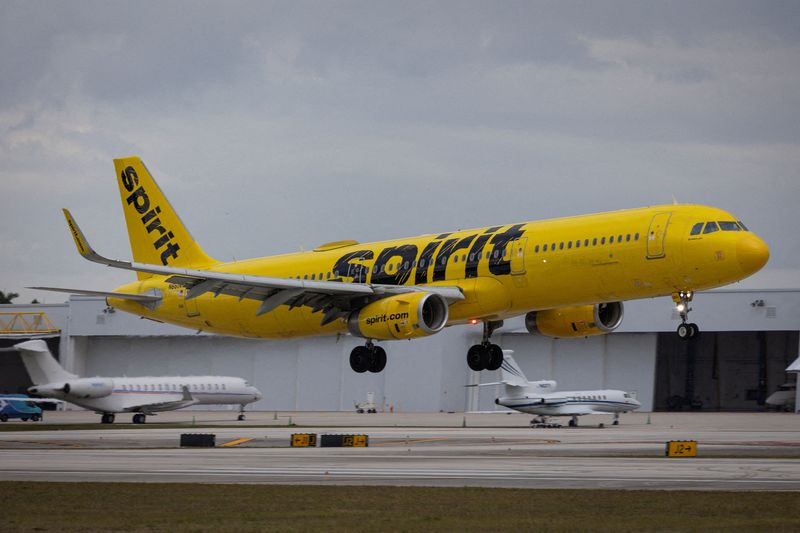
- Spirit Airlines Ceases Operations: Spirit Airlines halted operations after failing to secure a $500 million government bailout, resulting in 17,000 job losses and marking the end of an era in discount travel, while other airlines pledged to cap fares to assist stranded travelers.
- Oil Price Surge: President Trump announced efforts to “free” ships stuck in the Strait of Hormuz, with oil prices rising after reports of missile strikes near U.S. vessels, leading to a drop of over 200 points in Dow futures, exerting pressure on the stock market.
- Meta's Legal Challenges: Meta returns to court in New Mexico over a child safety case, with the state attorney general seeking approximately $3.7 billion in abatement costs, and a ruling against Meta could force significant product changes, highlighting increasing scrutiny on tech companies.
See More
Uber Earnings Report May Trigger Share Price Rally
- Earnings Preview: Uber is set to release its first-quarter earnings report before Wednesday's opening bell, with market expectations that strong results could trigger a share price rally, closing at $75.12 on Friday.
- Support Level Analysis: Market strategist Jay Woods highlights strong support for Uber's stock in the $70 to $72 range, recommending investors buy shares in this area to capitalize on potential price fluctuations.
- Trend Shift: Woods notes that Uber's stock has recently broken a downtrend, having fallen for six consecutive months until April, when it rebounded nearly 4%, indicating a recovery in market confidence.
- Future Outlook: Should the stock surpass $78, it is expected to smoothly rise to the $85 level, which aligns with the 200-day moving average, suggesting a growing bullish sentiment towards Uber's long-term prospects.
See More
Strong Earnings in Industrials Sector, Caterpillar Shines
- Earnings Beat: Out of 32 companies in the S&P 500 industrials sector, 26 exceeded both earnings and revenue estimates, highlighting robust demand in infrastructure, aerospace, and electrification, which reflects overall market resilience.
- Caterpillar's Strong Results: Caterpillar reported an EPS of $5.54, beating estimates by $0.90, with revenue reaching $17.42 billion, a 21% increase from last year, driven by strong demand in construction and energy transportation sectors.
- UPS and Others: UPS reported an EPS of $1.07, surpassing estimates by $0.05, while revenue came in at $21.55 billion, exceeding expectations by $228 million, although earnings declined from last year, indicating resilient shipping demand.
- Market Outlook Uncertainty: Despite the strong overall performance of the industrial sector, investor sentiment has weakened due to trade policy uncertainties and macroeconomic risks, with the Industrial Select Sector SPDR Fund pulling back approximately 9-10% from recent highs.
See More
AMD and Palantir Earnings Week Outlook
- Strong Market Performance: The U.S. stock market continues to rise despite elevated crude oil prices and geopolitical tensions, with five standout earnings reports from the S&P 500 boosting market sentiment, indicating robust economic recovery signs.
- AMD Earnings Preview: AMD is set to report earnings after the bell on Tuesday, having surged 270% over the past year, positioning it as a key driver behind the AI boom, which is expected to significantly impact the market, particularly in the semiconductor sector.
- Palantir Options Trading: Options trading for Palantir reflects bullish sentiment, with 62% of total volume in call options and 72% of premiums in calls, indicating investor optimism about its future performance, despite the stock being down 30% from all-time highs.
- Hardware and Software Synergy: The simultaneous earnings reports from AMD and Palantir present an opportunity for hardware and software themes to rally together, with positive market sentiment as the S&P 500, Nasdaq 100, and Russell 2000 all reaching new highs, showcasing investor confidence in tech stocks.
See More
STOP & SHOP ENHANCES GROCERY DELIVERY OPTIONS THROUGH UBER EATS
Expansion of Grocery Delivery: Stop & Shop is expanding its grocery delivery services to enhance customer convenience.
Partnership with Uber Eats: The grocery chain has partnered with Uber Eats to facilitate the delivery of groceries to customers.
See More
Berkshire Hathaway Annual Meeting Highlights
- Record Cash Reserves: Berkshire Hathaway's cash pile reached a record $397.4 billion in Q1, indicating the company's strong financial flexibility even in a less-than-ideal investment environment, thus laying the groundwork for future investment opportunities.
- Insurance Business Recovery: The growth in operating earnings was partly attributed to a rebound in the insurance sector, highlighting that insurance remains a crucial pillar for Berkshire, enhancing its overall profitability amid economic fluctuations.
- Lackluster Shareholder Meeting: Although CEO Greg Abel performed well at the annual meeting, the turnout for the 'Berkshire Bazaar of Bargains' was noticeably lower than in previous years, reflecting waning investor interest without Warren Buffett at the helm.
- Cautious Market Outlook: Buffett noted that the current investment environment is not ideal, yet Abel's leadership style mirrors Buffett's, which may continue to attract investor confidence in the future.
See More
Berkshire's New CEO Discusses Company Performance at First Meeting
- Berkshire's Leadership Transition: At Berkshire Hathaway's first annual meeting since Warren Buffett stepped down, CEO Greg Abel addressed company performance amidst an “not ideal” investing environment, with cash reserves hitting a record $397.4 billion in Q1, reflecting a rebound in its insurance business.
- Spirit Airlines Ceases Operations: Spirit Airlines halted operations after failing to secure a $500 million government bailout, resulting in 17,000 job losses and marking the end of an era in discount travel, while other airlines pledged to cap fares to assist stranded travelers.
- Oil Price Surge: President Trump announced efforts to “free” ships stuck in the Strait of Hormuz, with oil prices rising after reports of missile strikes near U.S. vessels, leading to a drop of over 200 points in Dow futures, exerting pressure on the stock market.
- Meta's Legal Challenges: Meta returns to court in New Mexico over a child safety case, with the state attorney general seeking approximately $3.7 billion in abatement costs, and a ruling against Meta could force significant product changes, highlighting increasing scrutiny on tech companies.
See More