Novo Nordisk Expands Obesity Treatment Access in Japan
Written by Emily J. Thompson, Senior Investment Analyst
Updated: Mar 19 2026
0mins
Should l Buy NVO?
Source: seekingalpha
- Self-Funded Treatment Pathways: Novo Nordisk aims to broaden access to GLP-1 drug Wegovy by collaborating with physicians and patients on self-funded treatment options, addressing the issue that many individuals cannot access treatment for various reasons.
- Intensifying Market Competition: The company is experiencing a significant sales slowdown due to cheaper copycat treatments from U.S. rival Eli Lilly & Co, with its stock plummeting approximately 48% in 2025 and an additional ~26% drop in 2026.
- Decline in Asset Management: Novo Holdings A/S reported a decrease in assets under management from DKK 1,060B (€142B) in 2024 to DKK 694B (€93B) last year, primarily reflecting a substantial decline in Novo Nordisk's market value.
- Shareholder Return Initiatives: The board proposed a final dividend of DKK 7.95 for 2025 and initiated a DKK 15B buyback program, aiming to bolster shareholder confidence and stabilize the stock price.
Trade with 70% Backtested Accuracy
Stop guessing "Should I Buy NVO?" and start using high-conviction signals backed by rigorous historical data.
Sign up today to access powerful investing tools and make smarter, data-driven decisions.
Analyst Views on NVO
Wall Street analysts forecast NVO stock price to rise
8 Analyst Rating
4 Buy
3 Hold
1 Sell
Moderate Buy
Current: 40.460

Low
42.00
Averages
54.67
High
70.00
Current: 40.460
Low
42.00
Averages
54.67
High
70.00
About NVO
Novo Nordisk A/S is a global healthcare company engaged in diabetes care. The Company is also engaged in the discovery, development, manufacturing and marketing of pharmaceutical products. The Company operates through two business segments: diabetes and obesity care, and biopharmaceuticals. The Company's diabetes and obesity care segment covers insulin, GLP-1, other protein-related products, such as glucagon, protein-related delivery systems and needles, and oral anti-diabetic drugs. The Company's biopharmaceuticals segment covers the therapy areas of hemophilia care, growth hormone therapy and hormone replacement therapy. The Company also offers Saxenda product to treat obesity. It offers a range of products, including NovoLog/NovoRapid; NovoLog Mix/NovoMix; Prandin/NovoNorm; NovoSeven; Norditropin, and Vagifem. As of December 31, 2016, it marketed its products in over 180 countries. Its regional structure consists of two commercial units: North America and International Operations.
About the author

Emily J. Thompson
Emily J. Thompson, a Chartered Financial Analyst (CFA) with 12 years in investment research, graduated with honors from the Wharton School. Specializing in industrial and technology stocks, she provides in-depth analysis for Intellectia’s earnings and market brief reports.
Novo Nordisk's Etavopivat Trial Achieves Success
- Trial Success: Novo Nordisk's HIBISCUS Phase 3 trial demonstrated that etavopivat significantly reduced vaso-occlusive crises and improved hemoglobin response in 385 patients aged 12 and older over 52 weeks, achieving both co-primary endpoints and confirming the drug's efficacy.
- Safety Profile: The therapy exhibited a safety profile consistent with prior studies, indicating good tolerability, which enhances its potential for clinical application and may offer patients a safer treatment option for sickle cell disease.
- Regulatory Submission Plans: Novo Nordisk intends to submit a regulatory application for etavopivat in H2 2026, marking a critical step toward market entry, and if approved, it could provide new treatment options for sickle cell disease patients.
- Future Results Presentation: The company plans to present detailed trial results at an upcoming medical event, which could further drive interest and research into the drug, potentially attracting more investors and healthcare professionals to its innovative treatment approach.
See More
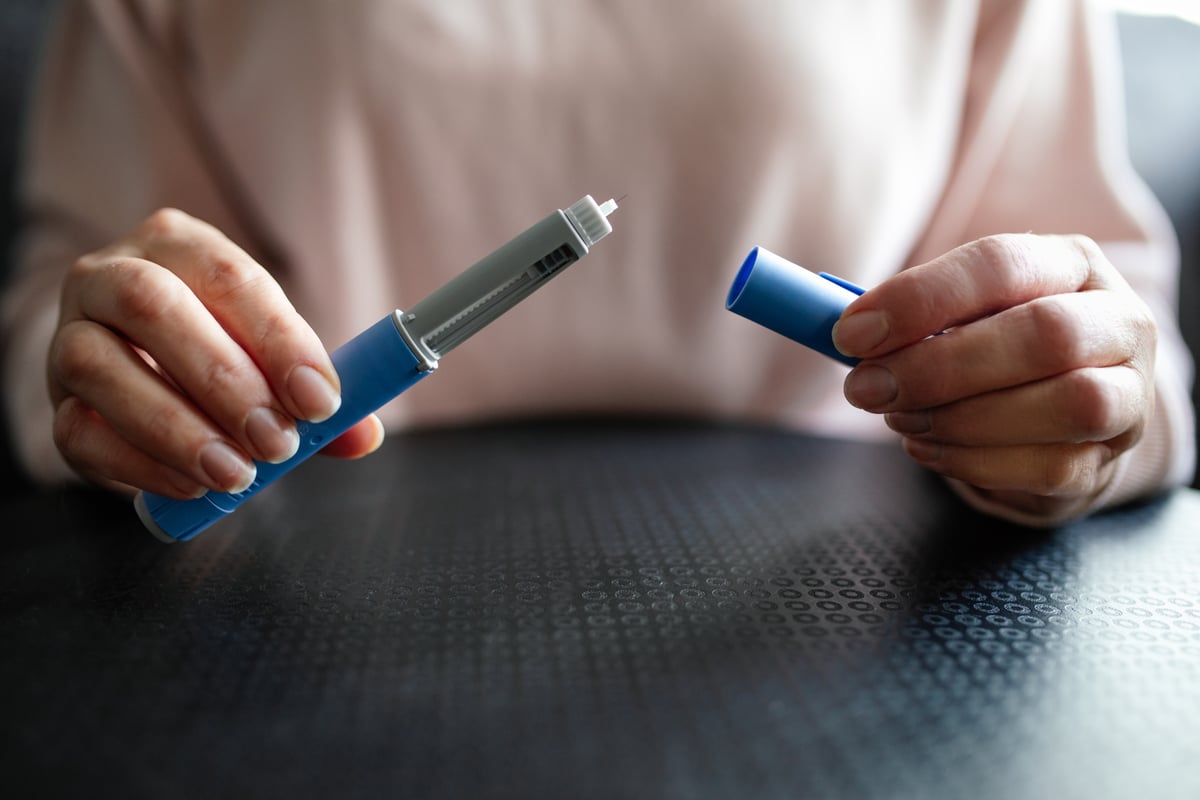
Pfizer Accelerates Catch-Up in Weight Loss Drug Market

- Increased Market Competition: Pfizer's PF-08653944 shows a weight loss of 10% to 12% in Phase 2b trials, and while its efficacy is similar to Novo Nordisk's Wegovy and Eli Lilly's Zepbound, its monthly injection regimen could make it a more appealing option, thereby putting pressure on the existing market.
- Sales Fluctuations: Novo Nordisk's Wegovy saw an increase in total prescriptions for 2025, yet it declined before year-end, with expectations of a 5% to 13% drop in revenue due to weakness in its weight-loss drug business, highlighting the market's sensitivity to pricing.
- Significant Growth for Eli Lilly: Eli Lilly's Zepbound achieved a remarkable 175% revenue growth last year, rising from $4.9 billion to $13.5 billion, although its growth rate began to slow in Q4, reflecting the impact of intensified market competition.
- Uncertain Future Outlook: Pfizer plans over 20 anti-obesity trials in 2026, including 10 Phase 3 trials for PF-08653944; while still in early stages, successful trials could reshape the GLP-1 drug market landscape, increasing pressure on Novo Nordisk and Eli Lilly.
See More

Pfizer Drug Poised to Disrupt Weight Loss Market
- Increased Market Competition: The dominance of Novo Nordisk and Eli Lilly in the weight loss drug market is threatened as Pfizer's PF-08653944 shows a weight loss of 10% to 12% in Phase 2 trials, potentially altering existing pricing power.
- Dosing Advantage: Pfizer's PF-08653944 requires only monthly injections, unlike Novo's Wegovy and Lilly's Zepbound, which necessitate weekly doses; this dosing difference could attract more patients and impact market share.
- Revenue Outlook Decline: Novo Nordisk anticipates a revenue drop of 5% to 13% in 2025 due to increased competition and pricing pressures, particularly with Pfizer's drug poised for market entry.
- Future Trial Plans: Pfizer plans over 20 anti-obesity trials in 2026, including 10 Phase 3 trials for PF-08653944, which could further intensify market competition and compress profit margins.
See More
Novo's Successful Trial Impacts Agios Stock Performance

- Novo Trial Success: Novo's Phase 3 trial of Etavopivat for sickle cell disease met both primary endpoints, significantly reducing painful vaso-occlusive crises and delaying the median time to first crisis by nearly four months, showcasing its competitive edge in the treatment landscape.
- Agios Stock Decline: Following Novo's positive trial results, Agios Pharmaceuticals (AGIO) shares plummeted over 25% on Monday, snapping a five-day winning streak, raising concerns about its future competitiveness with AGIO trading around $27.
- Competitive Pressure: Truist analyst noted that Novo's favorable data could exert pressure on Agios' stock, limiting its ability to rebound towards $40, although he remains optimistic about Mitapivat's potential in treating sickle cell disease.
- Investor Sentiment Shift: Despite the sharp decline in AGIO shares, retail investor sentiment shifted to 'bullish', indicating confidence in AGIO as a long-term investment, reflecting the market's complex view on its future performance.
See More

Agios Pharmaceuticals Shares Plunge 23% Amid Competitive Drug News
- Significant Stock Drop: Agios Pharmaceuticals' shares plummeted by 23% today, falling from $26.99 to $20.84, reflecting market concerns over its earnings potential amid competitive pressures from rival drugs.
- Competitive Drug Success: Novo Nordisk's etavopivat successfully met both co-primary endpoints in the HIBISCUS phase 3 trial, demonstrating significant efficacy, which poses a direct threat to Agios' mitapavit and its market position.
- Trial Results Comparison: While Agios' mitapavit showed improvements in hemoglobin levels for sickle cell disease patients, it failed to achieve statistically significant results in reducing pain crisis rates, further complicating its market outlook.
- Extended FDA Approval Path: Agios is working with the FDA to align on the confirmatory clinical trial required for submission, but compared to Novo's advancements, its path to approval appears longer and more uncertain, potentially undermining investor confidence.
See More

Novo Nordisk's Etavopivat Phase 3 Trial Achieves Key Success
- Trial Results: Novo Nordisk's HIBISCUS Phase 3 trial demonstrated that Etavopivat met both co-primary endpoints in 385 patients with sickle cell disease, significantly outperforming placebo.
- Efficacy Highlights: Patients treated with Etavopivat experienced a 27% reduction in the annualized rate of vaso-occlusive crises (VOCs), with 48.7% achieving a hemoglobin increase of over 1g/dL after 24 weeks, compared to just 7.2% in the placebo group.
- Safety Profile: The trial indicated that Etavopivat was well tolerated, with a safety profile consistent with previous studies, suggesting a favorable risk-benefit ratio for future use.
- Future Prospects: Novo Nordisk plans to submit for regulatory approval of Etavopivat in the second half of 2026, with the FDA granting it Fast Track, Rare Pediatric Disease, and Orphan Drug designations, highlighting its significant market potential.
See More
Novo Nordisk's Etavopivat Trial Achieves Success
- Trial Success: Novo Nordisk's HIBISCUS Phase 3 trial demonstrated that etavopivat significantly reduced vaso-occlusive crises and improved hemoglobin response in 385 patients aged 12 and older over 52 weeks, achieving both co-primary endpoints and confirming the drug's efficacy.
- Safety Profile: The therapy exhibited a safety profile consistent with prior studies, indicating good tolerability, which enhances its potential for clinical application and may offer patients a safer treatment option for sickle cell disease.
- Regulatory Submission Plans: Novo Nordisk intends to submit a regulatory application for etavopivat in H2 2026, marking a critical step toward market entry, and if approved, it could provide new treatment options for sickle cell disease patients.
- Future Results Presentation: The company plans to present detailed trial results at an upcoming medical event, which could further drive interest and research into the drug, potentially attracting more investors and healthcare professionals to its innovative treatment approach.
See More
Pfizer Accelerates Catch-Up in Weight Loss Drug Market
- Increased Market Competition: Pfizer's PF-08653944 shows a weight loss of 10% to 12% in Phase 2b trials, and while its efficacy is similar to Novo Nordisk's Wegovy and Eli Lilly's Zepbound, its monthly injection regimen could make it a more appealing option, thereby putting pressure on the existing market.
- Sales Fluctuations: Novo Nordisk's Wegovy saw an increase in total prescriptions for 2025, yet it declined before year-end, with expectations of a 5% to 13% drop in revenue due to weakness in its weight-loss drug business, highlighting the market's sensitivity to pricing.
- Significant Growth for Eli Lilly: Eli Lilly's Zepbound achieved a remarkable 175% revenue growth last year, rising from $4.9 billion to $13.5 billion, although its growth rate began to slow in Q4, reflecting the impact of intensified market competition.
- Uncertain Future Outlook: Pfizer plans over 20 anti-obesity trials in 2026, including 10 Phase 3 trials for PF-08653944; while still in early stages, successful trials could reshape the GLP-1 drug market landscape, increasing pressure on Novo Nordisk and Eli Lilly.
See More
Pfizer Drug Poised to Disrupt Weight Loss Market
- Increased Market Competition: The dominance of Novo Nordisk and Eli Lilly in the weight loss drug market is threatened as Pfizer's PF-08653944 shows a weight loss of 10% to 12% in Phase 2 trials, potentially altering existing pricing power.
- Dosing Advantage: Pfizer's PF-08653944 requires only monthly injections, unlike Novo's Wegovy and Lilly's Zepbound, which necessitate weekly doses; this dosing difference could attract more patients and impact market share.
- Revenue Outlook Decline: Novo Nordisk anticipates a revenue drop of 5% to 13% in 2025 due to increased competition and pricing pressures, particularly with Pfizer's drug poised for market entry.
- Future Trial Plans: Pfizer plans over 20 anti-obesity trials in 2026, including 10 Phase 3 trials for PF-08653944, which could further intensify market competition and compress profit margins.
See More
Novo's Successful Trial Impacts Agios Stock Performance
- Novo Trial Success: Novo's Phase 3 trial of Etavopivat for sickle cell disease met both primary endpoints, significantly reducing painful vaso-occlusive crises and delaying the median time to first crisis by nearly four months, showcasing its competitive edge in the treatment landscape.
- Agios Stock Decline: Following Novo's positive trial results, Agios Pharmaceuticals (AGIO) shares plummeted over 25% on Monday, snapping a five-day winning streak, raising concerns about its future competitiveness with AGIO trading around $27.
- Competitive Pressure: Truist analyst noted that Novo's favorable data could exert pressure on Agios' stock, limiting its ability to rebound towards $40, although he remains optimistic about Mitapivat's potential in treating sickle cell disease.
- Investor Sentiment Shift: Despite the sharp decline in AGIO shares, retail investor sentiment shifted to 'bullish', indicating confidence in AGIO as a long-term investment, reflecting the market's complex view on its future performance.
See More
Agios Pharmaceuticals Shares Plunge 23% Amid Competitive Drug News
- Significant Stock Drop: Agios Pharmaceuticals' shares plummeted by 23% today, falling from $26.99 to $20.84, reflecting market concerns over its earnings potential amid competitive pressures from rival drugs.
- Competitive Drug Success: Novo Nordisk's etavopivat successfully met both co-primary endpoints in the HIBISCUS phase 3 trial, demonstrating significant efficacy, which poses a direct threat to Agios' mitapavit and its market position.
- Trial Results Comparison: While Agios' mitapavit showed improvements in hemoglobin levels for sickle cell disease patients, it failed to achieve statistically significant results in reducing pain crisis rates, further complicating its market outlook.
- Extended FDA Approval Path: Agios is working with the FDA to align on the confirmatory clinical trial required for submission, but compared to Novo's advancements, its path to approval appears longer and more uncertain, potentially undermining investor confidence.
See More
Novo Nordisk's Etavopivat Phase 3 Trial Achieves Key Success
- Trial Results: Novo Nordisk's HIBISCUS Phase 3 trial demonstrated that Etavopivat met both co-primary endpoints in 385 patients with sickle cell disease, significantly outperforming placebo.
- Efficacy Highlights: Patients treated with Etavopivat experienced a 27% reduction in the annualized rate of vaso-occlusive crises (VOCs), with 48.7% achieving a hemoglobin increase of over 1g/dL after 24 weeks, compared to just 7.2% in the placebo group.
- Safety Profile: The trial indicated that Etavopivat was well tolerated, with a safety profile consistent with previous studies, suggesting a favorable risk-benefit ratio for future use.
- Future Prospects: Novo Nordisk plans to submit for regulatory approval of Etavopivat in the second half of 2026, with the FDA granting it Fast Track, Rare Pediatric Disease, and Orphan Drug designations, highlighting its significant market potential.
See More