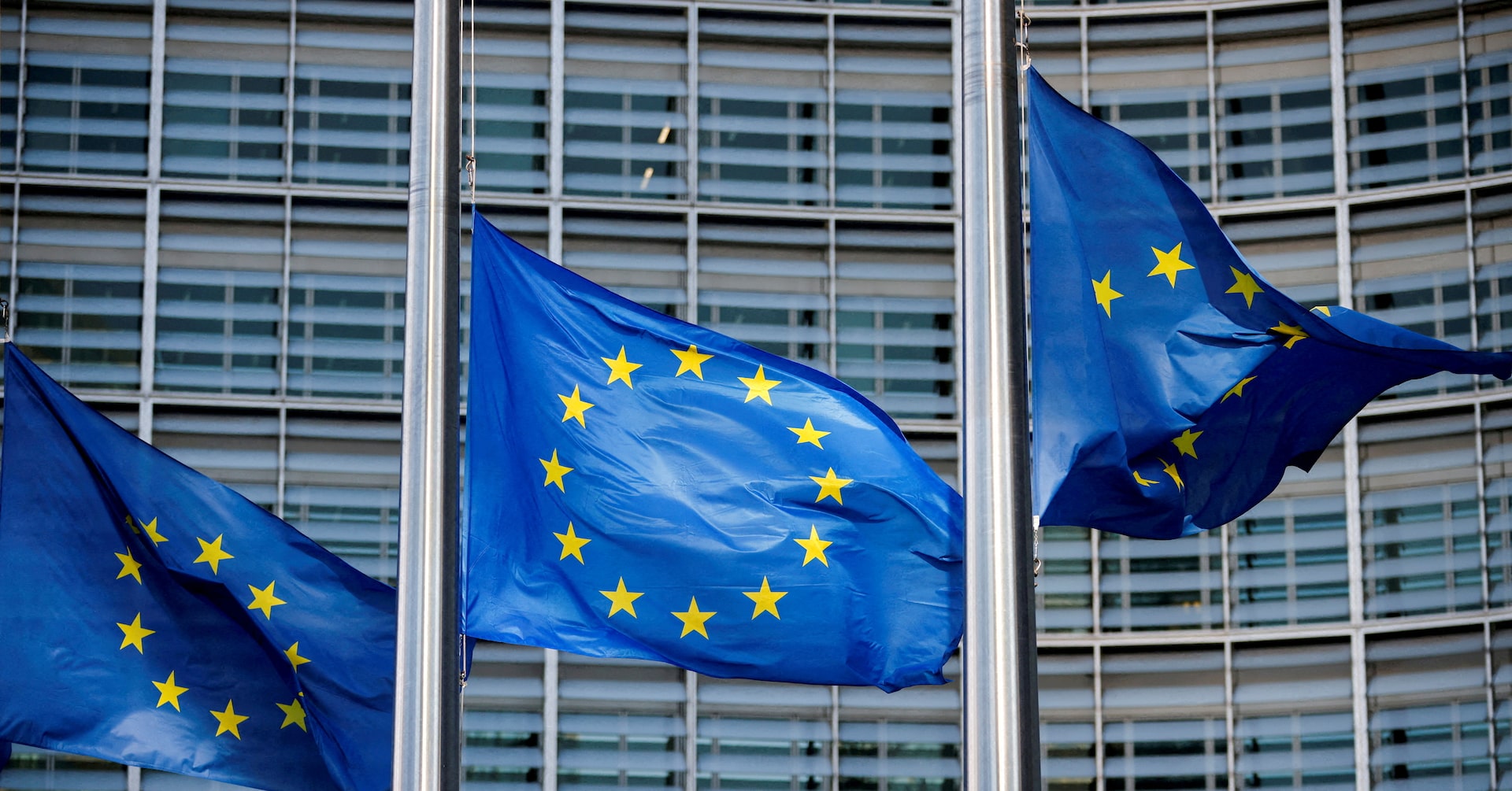
Novo Holdings Sees Asset Value Plummet Amid Novo Nordisk Decline
Written by Emily J. Thompson, Senior Investment Analyst
Updated: 1 day ago
0mins
Should l Buy NVO?
Source: seekingalpha
- Asset Management Decline: Novo Holdings reported a significant drop in assets under management from DKK 1,060B (€142B) in 2024 to DKK 694B (€93B) in 2025, reflecting a nearly one-third decrease primarily due to the sharp decline in Novo Nordisk's stock price.
- Impact of Buyback Suspension: The decision by Novo Nordisk to halt share buybacks, coupled with the weakening of the U.S. dollar against the Danish krone, further pressured returns, resulting in a drop in investment returns to about 9% in 2025 from nearly 15% in 2024.
- Portfolio Diversification: Novo Holdings increased its exposure to non-health investments to 48% of its portfolio in 2025, up from 41% in 2024, indicating a strategic shift towards diversification to mitigate market volatility.
- Sales Slowdown Challenges: Novo Nordisk is experiencing a sales slowdown, with its stock dropping approximately 48% in 2025 and another ~24% in 2026, primarily due to intensified competition and cheaper copycat treatments, raising concerns about future growth prospects.
Trade with 70% Backtested Accuracy
Stop guessing "Should I Buy NVO?" and start using high-conviction signals backed by rigorous historical data.
Sign up today to access powerful investing tools and make smarter, data-driven decisions.
Analyst Views on NVO
Wall Street analysts forecast NVO stock price to rise
8 Analyst Rating
4 Buy
3 Hold
1 Sell
Moderate Buy
Current: 38.020

Low
42.00
Averages
54.67
High
70.00
Current: 38.020
Low
42.00
Averages
54.67
High
70.00
About NVO
Novo Nordisk A/S is a global healthcare company engaged in diabetes care. The Company is also engaged in the discovery, development, manufacturing and marketing of pharmaceutical products. The Company operates through two business segments: diabetes and obesity care, and biopharmaceuticals. The Company's diabetes and obesity care segment covers insulin, GLP-1, other protein-related products, such as glucagon, protein-related delivery systems and needles, and oral anti-diabetic drugs. The Company's biopharmaceuticals segment covers the therapy areas of hemophilia care, growth hormone therapy and hormone replacement therapy. The Company also offers Saxenda product to treat obesity. It offers a range of products, including NovoLog/NovoRapid; NovoLog Mix/NovoMix; Prandin/NovoNorm; NovoSeven; Norditropin, and Vagifem. As of December 31, 2016, it marketed its products in over 180 countries. Its regional structure consists of two commercial units: North America and International Operations.
About the author

Emily J. Thompson
Emily J. Thompson, a Chartered Financial Analyst (CFA) with 12 years in investment research, graduated with honors from the Wharton School. Specializing in industrial and technology stocks, she provides in-depth analysis for Intellectia’s earnings and market brief reports.
Novo Holdings Sees Asset Value Plummet Amid Novo Nordisk Decline
- Asset Management Decline: Novo Holdings reported a significant drop in assets under management from DKK 1,060B (€142B) in 2024 to DKK 694B (€93B) in 2025, reflecting a nearly one-third decrease primarily due to the sharp decline in Novo Nordisk's stock price.
- Impact of Buyback Suspension: The decision by Novo Nordisk to halt share buybacks, coupled with the weakening of the U.S. dollar against the Danish krone, further pressured returns, resulting in a drop in investment returns to about 9% in 2025 from nearly 15% in 2024.
- Portfolio Diversification: Novo Holdings increased its exposure to non-health investments to 48% of its portfolio in 2025, up from 41% in 2024, indicating a strategic shift towards diversification to mitigate market volatility.
- Sales Slowdown Challenges: Novo Nordisk is experiencing a sales slowdown, with its stock dropping approximately 48% in 2025 and another ~24% in 2026, primarily due to intensified competition and cheaper copycat treatments, raising concerns about future growth prospects.
See More

Korro Bio Stock Rises on Earnings Beat and Analyst Upgrades

- Earnings Beat: Korro Bio's latest earnings report reveals significant revenue growth, driving stock price appreciation and reflecting strong performance and market confidence in the biopharmaceutical sector.
- Analyst Upgrades: Several analysts have upgraded their outlook on Korro Bio, citing the substantial market potential of its new drug candidate, which enhances investor expectations for the company's future growth.
- New Drug Candidate Highlight: The newly introduced drug candidate is considered to have breakthrough advancements in treating specific diseases, with potential positive outcomes in upcoming clinical trials, further boosting stock performance.
- Long-Term Growth Strategy: Korro Bio plans to increase R&D investments, focusing on the development of innovative drugs, aiming for sustainable long-term growth through continuous technological advancements and market expansion.
See More
Apple Cuts App Store Fees in China Amid Regulatory Pressure


- CEO Transition: Build-a-Bear's CEO Sharon Price John hands over the reins to COO Chris Hurt after nearly 13 years, reflecting the company's successful transformation with over 50% revenue growth since 2019 and pre-tax margins expanding from nearly 0% to almost 13%.
- Cash Flow Shift: The company has transitioned from a cash burn of approximately $1.7 million in 2019 to consistently generating free cash flow, having returned $170 million to shareholders through dividends and repurchasing over 4 million shares, effectively reducing its share count by about 25%.
- Apple's Fee Reduction Strategy: Apple lowers its App Store commission fees in China from 30% to 25% and from 15% to 12% for small businesses, expected to save developers over $870 million annually, indicating a defensive posture against regulatory pressures.
- Market Impact: This fee reduction not only benefits high-grossing developers like Duolingo by enhancing their local margins but also potentially mitigates Apple's risk of facing formal antitrust investigations in China, showcasing its adaptability in a challenging market landscape.
See More
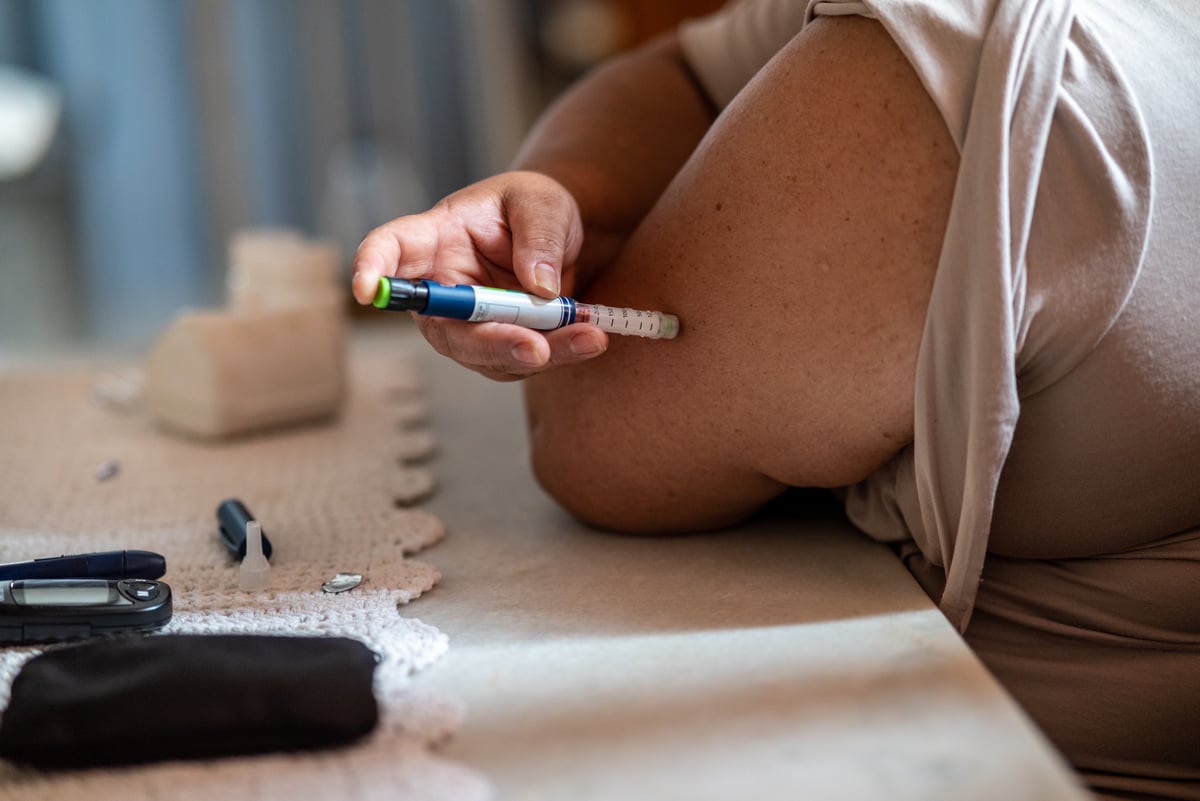
Novo Nordisk Partners with Hims & Hers to Boost Sales
- Market Competition Pressure: Novo Nordisk is losing market share to Eli Lilly in the weight-loss drug sector, which has negatively impacted its sales, although its GLP-1 products still hold significant market potential.
- Strategic Partnership Agreement: The agreement with Hims & Hers allows Novo Nordisk to sell FDA-approved drugs at the same self-pay prices on the platform, which is expected to reduce the appeal of non-FDA-approved versions and boost sales volume.
- Patent Lawsuit Shift: By partnering with Hims & Hers, Novo Nordisk avoids potentially high patent litigation costs while redirecting demand towards its branded medications, thereby enhancing its competitive position in the market.
- Future Product Outlook: Despite a projected revenue decline this year, Novo Nordisk's next-gen GLP-1 drug CagriSema is expected to gain approval within 10 months, with a promising pipeline that could lead to revenue growth over the next three years.
See More

IEA Releases Emergency Oil Reserves Amid Supply Shock

- Emergency Oil Release: The IEA member countries are releasing 400 million barrels of oil in response to the Strait of Hormuz supply shock, with the U.S. contributing 172 million barrels, which may increase household expenses as oil prices rally again.
- Market Reaction: Stock futures are lower this morning due to rising oil prices, reflecting market concerns about the ongoing Iran conflict, and until there is evidence of resolution, the risk of elevated oil prices remains.
- Layoffs and Investment: Atlassian announced a 10% workforce reduction, equating to about 1,600 employees, with the CEO stating this will help self-fund further investments in AI and enterprise sales, highlighting challenges in the traditional software model.
- Private Fund Restrictions: Morgan Stanley and Cliffwater have restricted withdrawals on private credit funds, with Morgan Stanley fulfilling less than half of an 11% redemption request on an $8 billion fund, indicating liquidity issues in the private credit market.
See More

Hims & Hers Partners with Novo Nordisk, Boosting Stock Sentiment

- Partnership Formation: Hims & Hers has established a new partnership with Novo Nordisk to introduce branded GLP-1 treatments like Ozempic and Wegovy, which alleviates legal concerns and strengthens collaboration with a major pharmaceutical company, likely boosting market confidence.
- Weight Loss Strategy Shift: The company is transitioning its U.S. weight-loss business towards FDA-approved treatments, ceasing active promotion of compounded GLP-1 drugs, allowing existing patients to switch to branded therapies when clinically appropriate, aiming to enhance treatment efficacy and patient satisfaction.
- Short Interest Pressure: Short interest in Hims has risen from 81.01 million to 84.96 million shares, with 46.09% of the public float currently held short; given the average daily volume of 32.93 million shares, it would take 2.58 days for short sellers to cover their positions, indicating market attention on potential price rebounds.
- Technical Analysis Status: Hims is trading 59.9% above its 20-day simple moving average but 16% below its 100-day moving average, indicating a strong short-term bounce that has yet to repair the longer-term trend, with shares down 23.73% over the past 12 months.
See More
Novo Holdings Sees Asset Value Plummet Amid Novo Nordisk Decline
- Asset Management Decline: Novo Holdings reported a significant drop in assets under management from DKK 1,060B (€142B) in 2024 to DKK 694B (€93B) in 2025, reflecting a nearly one-third decrease primarily due to the sharp decline in Novo Nordisk's stock price.
- Impact of Buyback Suspension: The decision by Novo Nordisk to halt share buybacks, coupled with the weakening of the U.S. dollar against the Danish krone, further pressured returns, resulting in a drop in investment returns to about 9% in 2025 from nearly 15% in 2024.
- Portfolio Diversification: Novo Holdings increased its exposure to non-health investments to 48% of its portfolio in 2025, up from 41% in 2024, indicating a strategic shift towards diversification to mitigate market volatility.
- Sales Slowdown Challenges: Novo Nordisk is experiencing a sales slowdown, with its stock dropping approximately 48% in 2025 and another ~24% in 2026, primarily due to intensified competition and cheaper copycat treatments, raising concerns about future growth prospects.
See More
Korro Bio Stock Rises on Earnings Beat and Analyst Upgrades
- Earnings Beat: Korro Bio's latest earnings report reveals significant revenue growth, driving stock price appreciation and reflecting strong performance and market confidence in the biopharmaceutical sector.
- Analyst Upgrades: Several analysts have upgraded their outlook on Korro Bio, citing the substantial market potential of its new drug candidate, which enhances investor expectations for the company's future growth.
- New Drug Candidate Highlight: The newly introduced drug candidate is considered to have breakthrough advancements in treating specific diseases, with potential positive outcomes in upcoming clinical trials, further boosting stock performance.
- Long-Term Growth Strategy: Korro Bio plans to increase R&D investments, focusing on the development of innovative drugs, aiming for sustainable long-term growth through continuous technological advancements and market expansion.
See More
Apple Cuts App Store Fees in China Amid Regulatory Pressure
- CEO Transition: Build-a-Bear's CEO Sharon Price John hands over the reins to COO Chris Hurt after nearly 13 years, reflecting the company's successful transformation with over 50% revenue growth since 2019 and pre-tax margins expanding from nearly 0% to almost 13%.
- Cash Flow Shift: The company has transitioned from a cash burn of approximately $1.7 million in 2019 to consistently generating free cash flow, having returned $170 million to shareholders through dividends and repurchasing over 4 million shares, effectively reducing its share count by about 25%.
- Apple's Fee Reduction Strategy: Apple lowers its App Store commission fees in China from 30% to 25% and from 15% to 12% for small businesses, expected to save developers over $870 million annually, indicating a defensive posture against regulatory pressures.
- Market Impact: This fee reduction not only benefits high-grossing developers like Duolingo by enhancing their local margins but also potentially mitigates Apple's risk of facing formal antitrust investigations in China, showcasing its adaptability in a challenging market landscape.
See More
Novo Nordisk Partners with Hims & Hers to Boost Sales
- Market Competition Pressure: Novo Nordisk is losing market share to Eli Lilly in the weight-loss drug sector, which has negatively impacted its sales, although its GLP-1 products still hold significant market potential.
- Strategic Partnership Agreement: The agreement with Hims & Hers allows Novo Nordisk to sell FDA-approved drugs at the same self-pay prices on the platform, which is expected to reduce the appeal of non-FDA-approved versions and boost sales volume.
- Patent Lawsuit Shift: By partnering with Hims & Hers, Novo Nordisk avoids potentially high patent litigation costs while redirecting demand towards its branded medications, thereby enhancing its competitive position in the market.
- Future Product Outlook: Despite a projected revenue decline this year, Novo Nordisk's next-gen GLP-1 drug CagriSema is expected to gain approval within 10 months, with a promising pipeline that could lead to revenue growth over the next three years.
See More
IEA Releases Emergency Oil Reserves Amid Supply Shock
- Emergency Oil Release: The IEA member countries are releasing 400 million barrels of oil in response to the Strait of Hormuz supply shock, with the U.S. contributing 172 million barrels, which may increase household expenses as oil prices rally again.
- Market Reaction: Stock futures are lower this morning due to rising oil prices, reflecting market concerns about the ongoing Iran conflict, and until there is evidence of resolution, the risk of elevated oil prices remains.
- Layoffs and Investment: Atlassian announced a 10% workforce reduction, equating to about 1,600 employees, with the CEO stating this will help self-fund further investments in AI and enterprise sales, highlighting challenges in the traditional software model.
- Private Fund Restrictions: Morgan Stanley and Cliffwater have restricted withdrawals on private credit funds, with Morgan Stanley fulfilling less than half of an 11% redemption request on an $8 billion fund, indicating liquidity issues in the private credit market.
See More
Hims & Hers Partners with Novo Nordisk, Boosting Stock Sentiment
- Partnership Formation: Hims & Hers has established a new partnership with Novo Nordisk to introduce branded GLP-1 treatments like Ozempic and Wegovy, which alleviates legal concerns and strengthens collaboration with a major pharmaceutical company, likely boosting market confidence.
- Weight Loss Strategy Shift: The company is transitioning its U.S. weight-loss business towards FDA-approved treatments, ceasing active promotion of compounded GLP-1 drugs, allowing existing patients to switch to branded therapies when clinically appropriate, aiming to enhance treatment efficacy and patient satisfaction.
- Short Interest Pressure: Short interest in Hims has risen from 81.01 million to 84.96 million shares, with 46.09% of the public float currently held short; given the average daily volume of 32.93 million shares, it would take 2.58 days for short sellers to cover their positions, indicating market attention on potential price rebounds.
- Technical Analysis Status: Hims is trading 59.9% above its 20-day simple moving average but 16% below its 100-day moving average, indicating a strong short-term bounce that has yet to repair the longer-term trend, with shares down 23.73% over the past 12 months.
See More