Notice of PayPal Shareholder Class Action Lawsuit
- Class Action Initiation: Rosen Law Firm reminds investors who purchased PayPal stock between February 25, 2025, and February 2, 2026, to apply to be lead plaintiff by April 20, 2026, to represent other shareholders in the class action lawsuit.
- Transparent Fee Structure: Investors participating in the class action will incur no upfront costs, as attorney fees will be collected through a contingency fee arrangement, allowing investors to seek compensation without financial burden.
- Lawsuit Context: The lawsuit alleges that PayPal misled investors by providing overly optimistic financial targets for 2027 while concealing the true inadequacies of its salesforce, which was not equipped to capitalize on its growth potential, resulting in investor losses.
- Law Firm Credentials: Rosen Law Firm is renowned for its successful track record in securities class actions, having recovered over $438 million for investors in 2019 alone, demonstrating its expertise and resource advantages in handling such cases.
Trade with 70% Backtested Accuracy
Analyst Views on PYPL

About PYPL
About the author


Notice of PayPal Shareholder Class Action Lawsuit

- Class Action Initiation: Rosen Law Firm reminds investors who purchased PayPal stock between February 25, 2025, and February 2, 2026, to apply to be lead plaintiff by April 20, 2026, to represent other shareholders in the class action lawsuit.
- Transparent Fee Structure: Investors participating in the class action will incur no upfront costs, as attorney fees will be collected through a contingency fee arrangement, allowing investors to seek compensation without financial burden.
- Lawsuit Context: The lawsuit alleges that PayPal misled investors by providing overly optimistic financial targets for 2027 while concealing the true inadequacies of its salesforce, which was not equipped to capitalize on its growth potential, resulting in investor losses.
- Law Firm Credentials: Rosen Law Firm is renowned for its successful track record in securities class actions, having recovered over $438 million for investors in 2019 alone, demonstrating its expertise and resource advantages in handling such cases.

Stablecoin Market Capitalization Reaches All-Time High of $313 Billion During US-Iran Conflict and Crypto Downturn


Market Dominance: Tether (USDT) and USD Coin (USDC) continue to dominate the stablecoin sector, with Tether holding approximately 62.5% of the market share and a market capitalization reaching an all-time high of $313 billion.
Stablecoin Usage Growth: Recent data indicates a 1.14% increase in stablecoin market capitalization, reflecting growing demand despite geopolitical uncertainties, particularly related to the U.S.-Iran situation.
Retail Sentiment Trends: Retail sentiment around Tether has shifted to a bearish outlook, while sentiment for USDC remains neutral, indicating varied investor confidence in these stablecoins.
Emerging Competitors: PayPal's stablecoin, PYUSD, has shown significant growth, expanding by 2.8% week-over-week, and is beginning to capture more market share in the stablecoin landscape.
PayPal Class Action Lawsuit Announcement
- Class Action Initiation: Robbins Geller law firm announces that investors who purchased PayPal stock between February 25, 2025, and February 2, 2026, can apply to be lead plaintiffs in the class action lawsuit, with a deadline of April 20, 2026, indicating a significant trust crisis among investors regarding the company's management.
- Allegations of Misleading Information: The lawsuit alleges that PayPal and its executives misled investors about financial projections, claiming that their growth plans fell short, resulting in substantial losses for investors and highlighting the company's vulnerability amid market competition and macroeconomic fluctuations.
- Stock Price Plummet: On February 3, 2026, PayPal announced disappointing earnings for fiscal year 2025 and withdrew its 2027 financial targets, causing the stock price to drop over 20% post-announcement, reflecting market pessimism about the company's future outlook.
- Law Firm's Background: Robbins Geller is a leading law firm in securities fraud and shareholder rights litigation, having recovered $8.4 billion for investors over the past five years, showcasing its strong capabilities and influence in the securities litigation field.

Palihapitiya Warns AI Costs Could Reach $10 Million Annually


- Surging AI Costs: Palihapitiya revealed that his startup 8090 has seen its AI expenses triple since November 2025, with projected annual costs reaching $10 million, prompting a reevaluation of development tools.
- Migration Strategy: He highlighted Cursor as a major expense driver due to high token usage costs, planning to switch to Claude Code to reduce expenses, especially by using the Pro plan to eliminate significant Cursor bills.
- Inefficient Usage Warning: Palihapitiya warned against inefficient AI usage patterns he termed 'Ralph Wiggum loops,' where users repeatedly send prompts, resulting in large bills without effective solutions.
- Market Risk Advisory: Despite market volatility, Palihapitiya and investor David Sacks cautioned AI founders against rejecting multi-billion-dollar acquisition offers before product launches, emphasizing the need for sustainable business operations rather than reliance on strategic acquisition premiums.
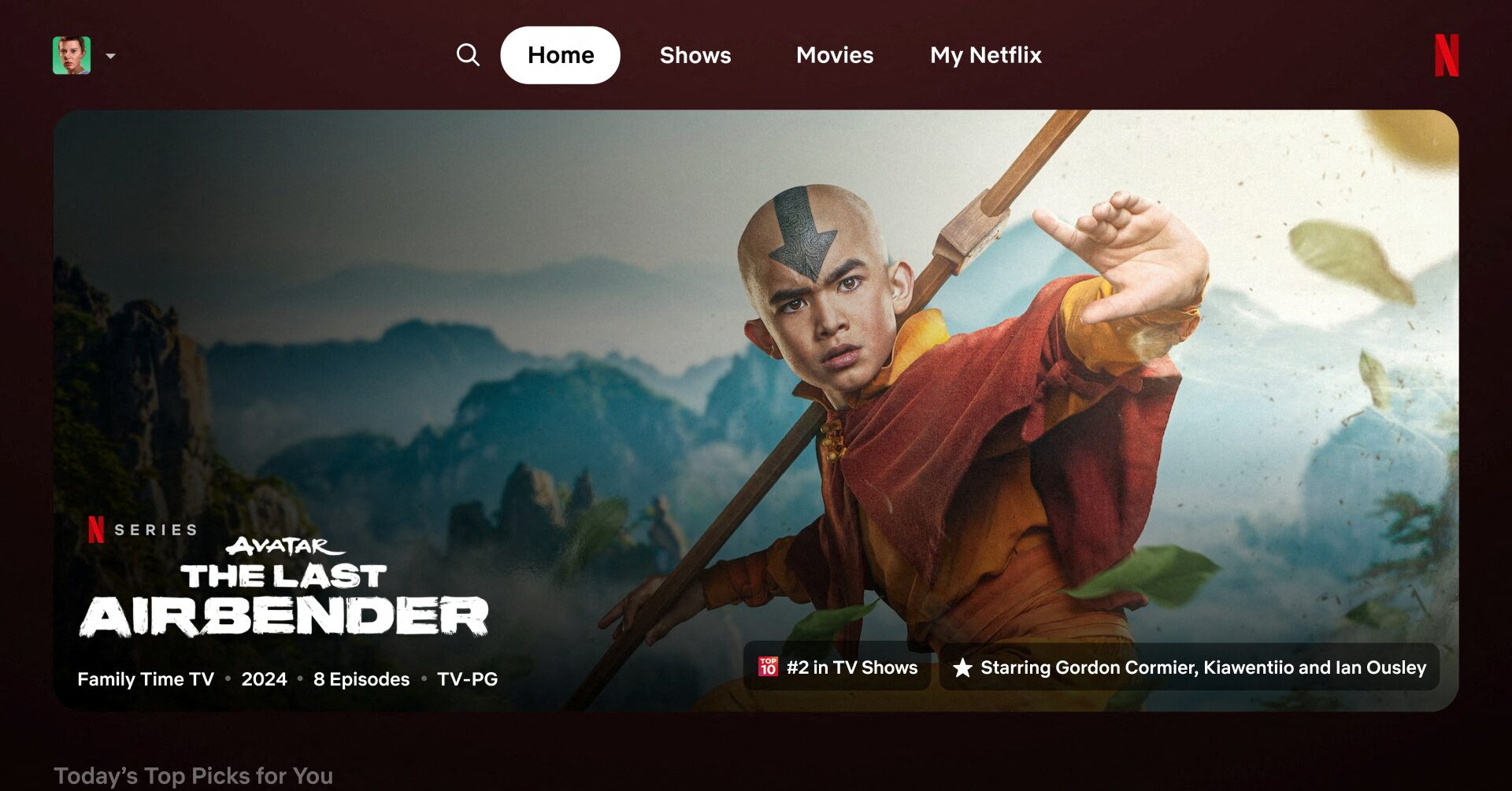
Netflix Abandons Warner Bros. Acquisition as Paramount Steps In

- Acquisition Dynamics: Netflix's initial plan to acquire Warner Bros. Discovery for $27.75 per share was thwarted by Paramount's higher bid of $31 per share, indicating increased market competition, and Netflix shareholders should feel relieved as they avoided taking on significant debt.
- Transaction Uncertainty: While Paramount's offer is more attractive, the complexity and regulatory hurdles surrounding the deal remain, especially considering Paramount's smaller size may face fewer regulatory challenges, adding uncertainty to the transaction's success.
- Financial Flexibility: By not acquiring Warner Bros., Netflix retains greater financial flexibility, avoiding the heavy debt burden that could have deteriorated its financial health, thus providing more options for future investments and expansions.
- Changing Competitive Landscape: The merger of Paramount and Warner Bros. could create a new competitor, and while Netflix still holds an advantage in content acquisition, the future market competition will intensify, necessitating continued innovation from Netflix to maintain its market leadership.

Paramount's Acquisition of Warner Bros. Discovery: Key Developments
- Acquisition Price Increase: Paramount Skydance is set to acquire Warner Bros. Discovery at $31 per share, which is a significant increase from Netflix's previous offer of $27.75, indicating a reassessment of Warner's asset value and potentially enhancing Paramount's competitive position in the market.
- Increased Uncertainty: While Paramount's higher bid suggests confidence, the deal still faces regulatory scrutiny, particularly given Paramount's smaller market share, which may influence the future competitive landscape and the deal's likelihood of closing.
- Cash Flow Assurance: The acquisition includes a daily ticking fee of $0.25 per share and a $7 billion regulatory termination fee, adding complexity to the transaction but also providing cash flow assurances that enhance the deal's attractiveness to investors.
- Changing Competitive Landscape: The merger between Paramount and Warner Bros. could create a new formidable competitor in the market, which may lead to increased debt for Warner Bros. but also prompt Netflix and others to adjust their content acquisition strategies and market approaches.
Notice of PayPal Shareholder Class Action Lawsuit
- Class Action Initiation: Rosen Law Firm reminds investors who purchased PayPal stock between February 25, 2025, and February 2, 2026, to apply to be lead plaintiff by April 20, 2026, to represent other shareholders in the class action lawsuit.
- Transparent Fee Structure: Investors participating in the class action will incur no upfront costs, as attorney fees will be collected through a contingency fee arrangement, allowing investors to seek compensation without financial burden.
- Lawsuit Context: The lawsuit alleges that PayPal misled investors by providing overly optimistic financial targets for 2027 while concealing the true inadequacies of its salesforce, which was not equipped to capitalize on its growth potential, resulting in investor losses.
- Law Firm Credentials: Rosen Law Firm is renowned for its successful track record in securities class actions, having recovered over $438 million for investors in 2019 alone, demonstrating its expertise and resource advantages in handling such cases.
Stablecoin Market Capitalization Reaches All-Time High of $313 Billion During US-Iran Conflict and Crypto Downturn
Market Dominance: Tether (USDT) and USD Coin (USDC) continue to dominate the stablecoin sector, with Tether holding approximately 62.5% of the market share and a market capitalization reaching an all-time high of $313 billion.
Stablecoin Usage Growth: Recent data indicates a 1.14% increase in stablecoin market capitalization, reflecting growing demand despite geopolitical uncertainties, particularly related to the U.S.-Iran situation.
Retail Sentiment Trends: Retail sentiment around Tether has shifted to a bearish outlook, while sentiment for USDC remains neutral, indicating varied investor confidence in these stablecoins.
Emerging Competitors: PayPal's stablecoin, PYUSD, has shown significant growth, expanding by 2.8% week-over-week, and is beginning to capture more market share in the stablecoin landscape.
PayPal Class Action Lawsuit Announcement
- Class Action Initiation: Robbins Geller law firm announces that investors who purchased PayPal stock between February 25, 2025, and February 2, 2026, can apply to be lead plaintiffs in the class action lawsuit, with a deadline of April 20, 2026, indicating a significant trust crisis among investors regarding the company's management.
- Allegations of Misleading Information: The lawsuit alleges that PayPal and its executives misled investors about financial projections, claiming that their growth plans fell short, resulting in substantial losses for investors and highlighting the company's vulnerability amid market competition and macroeconomic fluctuations.
- Stock Price Plummet: On February 3, 2026, PayPal announced disappointing earnings for fiscal year 2025 and withdrew its 2027 financial targets, causing the stock price to drop over 20% post-announcement, reflecting market pessimism about the company's future outlook.
- Law Firm's Background: Robbins Geller is a leading law firm in securities fraud and shareholder rights litigation, having recovered $8.4 billion for investors over the past five years, showcasing its strong capabilities and influence in the securities litigation field.
Palihapitiya Warns AI Costs Could Reach $10 Million Annually
- Surging AI Costs: Palihapitiya revealed that his startup 8090 has seen its AI expenses triple since November 2025, with projected annual costs reaching $10 million, prompting a reevaluation of development tools.
- Migration Strategy: He highlighted Cursor as a major expense driver due to high token usage costs, planning to switch to Claude Code to reduce expenses, especially by using the Pro plan to eliminate significant Cursor bills.
- Inefficient Usage Warning: Palihapitiya warned against inefficient AI usage patterns he termed 'Ralph Wiggum loops,' where users repeatedly send prompts, resulting in large bills without effective solutions.
- Market Risk Advisory: Despite market volatility, Palihapitiya and investor David Sacks cautioned AI founders against rejecting multi-billion-dollar acquisition offers before product launches, emphasizing the need for sustainable business operations rather than reliance on strategic acquisition premiums.
Netflix Abandons Warner Bros. Acquisition as Paramount Steps In
- Acquisition Dynamics: Netflix's initial plan to acquire Warner Bros. Discovery for $27.75 per share was thwarted by Paramount's higher bid of $31 per share, indicating increased market competition, and Netflix shareholders should feel relieved as they avoided taking on significant debt.
- Transaction Uncertainty: While Paramount's offer is more attractive, the complexity and regulatory hurdles surrounding the deal remain, especially considering Paramount's smaller size may face fewer regulatory challenges, adding uncertainty to the transaction's success.
- Financial Flexibility: By not acquiring Warner Bros., Netflix retains greater financial flexibility, avoiding the heavy debt burden that could have deteriorated its financial health, thus providing more options for future investments and expansions.
- Changing Competitive Landscape: The merger of Paramount and Warner Bros. could create a new competitor, and while Netflix still holds an advantage in content acquisition, the future market competition will intensify, necessitating continued innovation from Netflix to maintain its market leadership.
Paramount's Acquisition of Warner Bros. Discovery: Key Developments
- Acquisition Price Increase: Paramount Skydance is set to acquire Warner Bros. Discovery at $31 per share, which is a significant increase from Netflix's previous offer of $27.75, indicating a reassessment of Warner's asset value and potentially enhancing Paramount's competitive position in the market.
- Increased Uncertainty: While Paramount's higher bid suggests confidence, the deal still faces regulatory scrutiny, particularly given Paramount's smaller market share, which may influence the future competitive landscape and the deal's likelihood of closing.
- Cash Flow Assurance: The acquisition includes a daily ticking fee of $0.25 per share and a $7 billion regulatory termination fee, adding complexity to the transaction but also providing cash flow assurances that enhance the deal's attractiveness to investors.
- Changing Competitive Landscape: The merger between Paramount and Warner Bros. could create a new formidable competitor in the market, which may lead to increased debt for Warner Bros. but also prompt Netflix and others to adjust their content acquisition strategies and market approaches.