Northrop Grumman Begins Testing Prototype for Sentinel Missile Launch Silo
Written by Emily J. Thompson, Senior Investment Analyst
Updated: 10 hours ago
0mins
Should l Buy NOC?
Source: seekingalpha
- Prototype Testing Initiated: Northrop Grumman and the U.S. Air Force have commenced testing a prototype launch silo component for the Sentinel intercontinental ballistic missile program, marking an early step in modernizing the country's land-based nuclear systems, which is expected to significantly enhance national deterrence capabilities.
- Modular Design Benefits: The newly designed launch tube serves as a central element of a modular silo concept aimed at simplifying construction, reducing long-term costs, and improving maintenance, which is anticipated to lay the groundwork for the deployment of hundreds of new missile silos in the future.
- Rapid Construction and Evaluation: Construction of the prototype began within months of initial approval, with the goal of evaluating both the structural design and the feasibility of building the system at scale, representing a part of a broader plan to replace aging infrastructure.
- Nuclear Triad Modernization: This project is one of several initiatives aimed at updating the U.S. nuclear triad, expected to support about 450 launch sites, and aims to validate construction methods to reduce risks before wider deployment.
Trade with 70% Backtested Accuracy
Stop guessing "Should I Buy NOC?" and start using high-conviction signals backed by rigorous historical data.
Sign up today to access powerful investing tools and make smarter, data-driven decisions.
Analyst Views on NOC
Wall Street analysts forecast NOC stock price to fall
13 Analyst Rating
10 Buy
3 Hold
0 Sell
Strong Buy
Current: 691.990

Low
630.00
Averages
684.08
High
770.00
Current: 691.990
Low
630.00
Averages
684.08
High
770.00
About NOC
Northrop Grumman Corporation is a global aerospace and defense technology company. Its segments include Aeronautics Systems, Defense Systems, Mission Systems, and Space Systems. Aeronautics Systems is engaged in the design, development, production, integration, sustainment and modernization of military aircraft systems for the United States Air Force, the United States Navy, other United States government agencies, and international customers. Defense Systems is engaged in the design, engineering, development, integration, and manufacturing of deterrent systems, advanced tactical weapons, and missile defense solutions. Mission Systems is a provider of mission solutions and multifunction systems. Its products and services include command, control, communications and computers, and reconnaissance (C4ISR) systems. Space Systems delivers end-to-end mission solutions through the design, development, integration, production and operation of space, missile defense, and launch systems.
About the author

Emily J. Thompson
Emily J. Thompson, a Chartered Financial Analyst (CFA) with 12 years in investment research, graduated with honors from the Wharton School. Specializing in industrial and technology stocks, she provides in-depth analysis for Intellectia’s earnings and market brief reports.
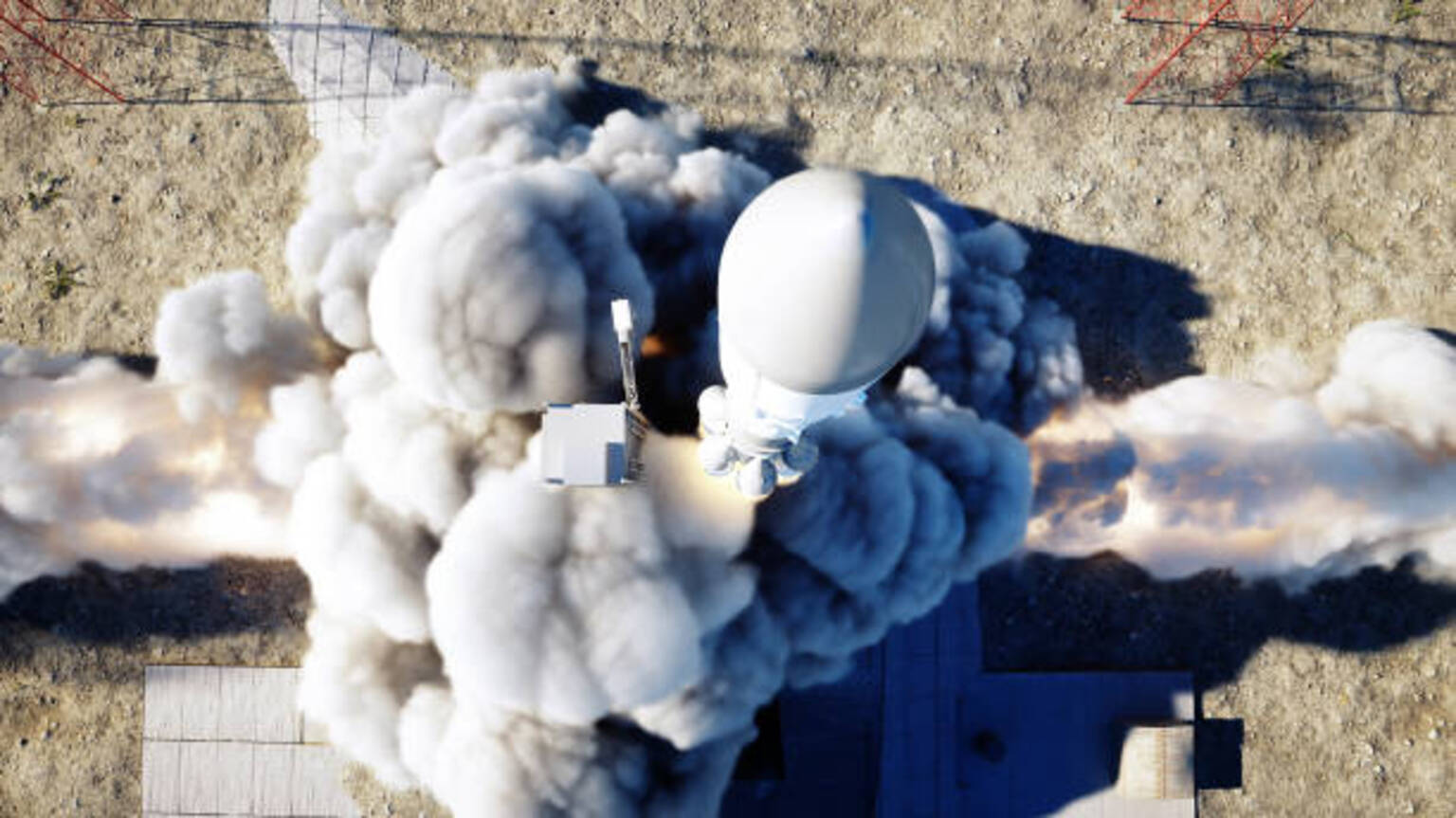
Northrop Grumman Begins Testing Prototype for Sentinel Missile Launch Silo

- Prototype Testing Initiated: Northrop Grumman and the U.S. Air Force have commenced testing a prototype launch silo component for the Sentinel intercontinental ballistic missile program, marking an early step in modernizing the country's land-based nuclear systems, which is expected to significantly enhance national deterrence capabilities.
- Modular Design Benefits: The newly designed launch tube serves as a central element of a modular silo concept aimed at simplifying construction, reducing long-term costs, and improving maintenance, which is anticipated to lay the groundwork for the deployment of hundreds of new missile silos in the future.
- Rapid Construction and Evaluation: Construction of the prototype began within months of initial approval, with the goal of evaluating both the structural design and the feasibility of building the system at scale, representing a part of a broader plan to replace aging infrastructure.
- Nuclear Triad Modernization: This project is one of several initiatives aimed at updating the U.S. nuclear triad, expected to support about 450 launch sites, and aims to validate construction methods to reduce risks before wider deployment.
See More

Northrop Grumman Secures $884.9 Million Army Ammunition Contract
- Significant Contract Value: Northrop Grumman has been awarded an $884.9 million contract to supply the U.S. Army with 120mm multi-purpose tank ammunition, which not only enhances the company's revenue outlook but also solidifies its market position in the defense sector.
- International Sales Potential: The contract includes potential orders for allied countries through foreign military sales, showcasing Northrop Grumman's capability to expand in international markets and potentially generate additional revenue streams.
- Project Timeline: The estimated completion date for the contract is March 28, 2031, indicating that Northrop Grumman will benefit from a steady revenue flow over the coming years, providing opportunities for long-term business planning and resource allocation.
- Flexible Funding Arrangements: Work locations and funding will be determined with each order, allowing Northrop Grumman to better respond to market changes and customer demands, thereby enhancing its adaptability in the competitive defense market.
See More

NASA Revamps Space Exploration Plans Under Jared Isaacman


- Artemis Program Relaunch: NASA is set to implement the Artemis program over the next five years, with phase one costing $10 billion and involving at least 30 robotic lunar missions, culminating in a crewed moon landing in 2028, marking a significant return to lunar exploration for the U.S.
- Private Space Station Development: NASA plans to support private companies in building commercial space stations, with a government-owned core module to be attached to the existing International Space Station, ensuring safety before allowing independent operations, thus advancing the commercialization of low Earth orbit.
- Nuclear Spacecraft Initiative: NASA aims to launch the first nuclear-powered interplanetary spacecraft, Space Reactor-1 Freedom, in 2028, equipped with a 25-kilowatt nuclear reactor to explore Mars, showcasing NASA's innovative direction in space technology.
- International Collaboration and Infrastructure: In phases two and three of the Artemis program, NASA will collaborate with international partners to build lunar infrastructure, with total costs projected to reach $20 billion, laying a solid foundation for future lunar exploration.
See More
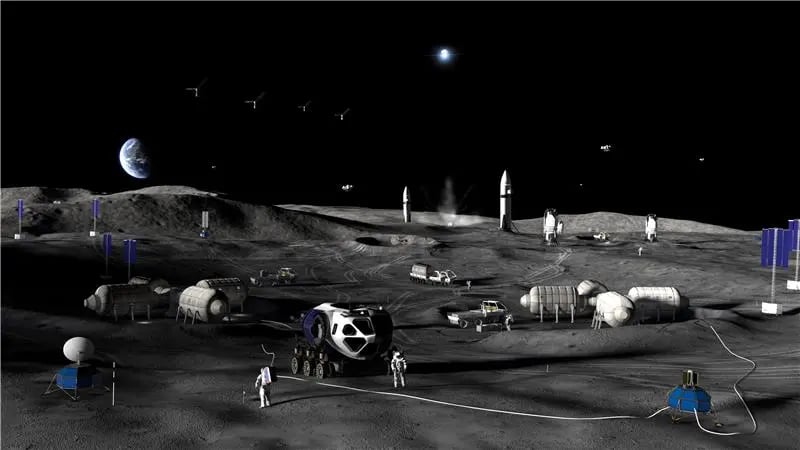
NASA's New Plans: Returning to the Moon and Exploring Mars
- Artemis Program Relaunch: NASA's new Artemis project is divided into three phases, with the first phase aiming to land two astronauts on the moon by 2028 at an estimated total cost of $20 billion, marking a significant return for the U.S. in space exploration.
- Robotic Mission Expansion: In phase one, NASA will conduct at least 30 robotic missions, utilizing Intuitive Machines' Nova-D lander for cargo delivery and equipment testing, supporting future lunar base construction and further advancing commercial space endeavors.
- International Space Station Plans: NASA will continue to support the construction of private commercial space stations, planning to attach a government-owned core module to the existing ISS to ensure safety and facilitate the formation of independent space stations, demonstrating ongoing commitment to low Earth orbit.
- Mars Exploration New Power: NASA plans to launch the first nuclear-powered interplanetary spacecraft, Space Reactor-1 Freedom, in 2028, carrying a 25-kilowatt nuclear reactor to Mars to deliver multiple drones for exploration, representing a significant advancement in space exploration technology.
See More
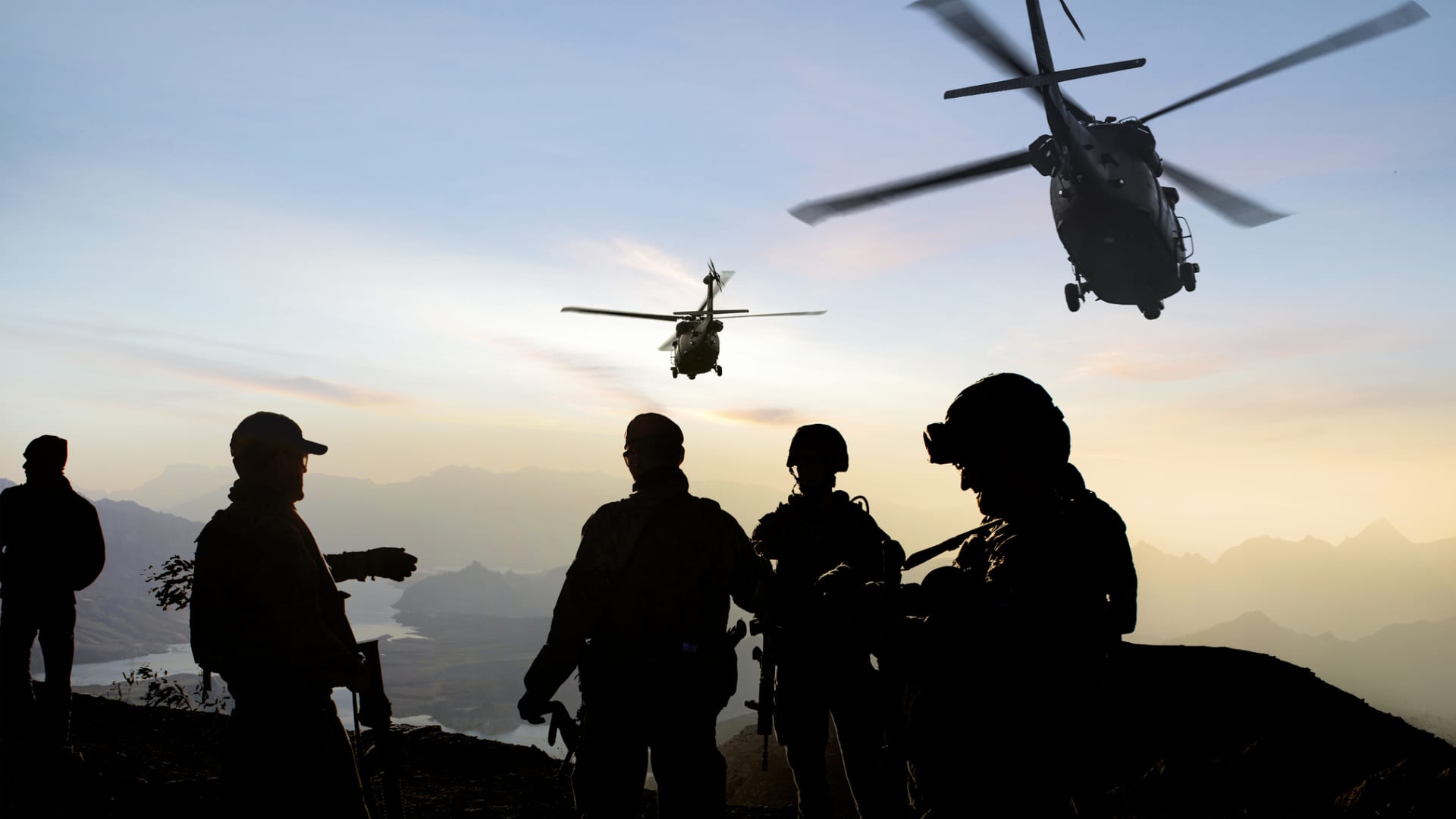
Iran War Drives Transformation in Defense Technology

- Cost-Effectiveness Demand: Defense Secretary's warning against using $2 million missiles to shoot down $20,000 drones highlights the urgent need for defense tech companies to accelerate the development of low-cost drones to meet modern warfare demands.
- Market Opportunities: The U.S. Department of Defense consumed $5.6 billion in munitions within two days of the Iran war outbreak, indicating a pressing need for new drone and counter-drone technologies, which is rapidly boosting valuations and market shares of related startups.
- Accelerated Technological Innovation: The U.S. has introduced the Low-cost Uncrewed Combat Attack System (LUCAS), priced at approximately $35,000, which is becoming a key technology in countering Iranian drone threats and is expected to attract more defense budget allocations.
- Intensified Industry Competition: Although spending in the defense tech sector accounted for less than 1% of contract dollars in 2025, startups like Anduril and Palantir have secured multi-billion dollar contracts, reflecting strong market demand for high-tech solutions.
See More
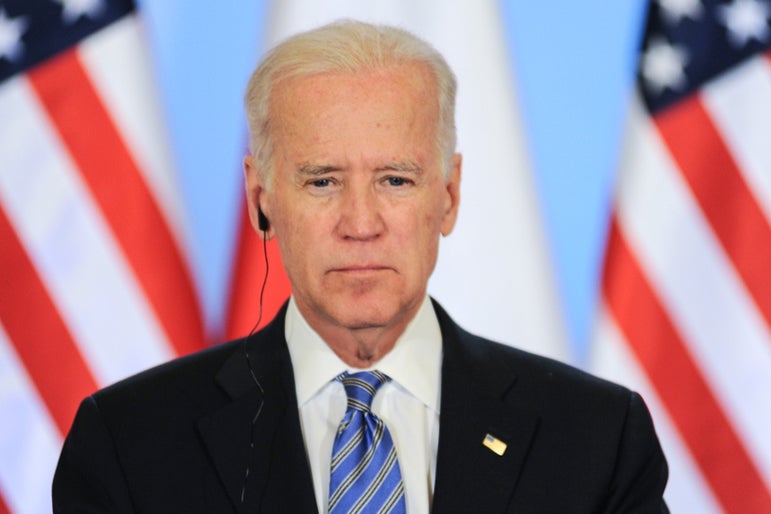
Iran War Drives Surge in U.S. Defense Tech Demand

- Drone Technology Deployment: The U.S. has deployed the Low-cost Uncrewed Combat Attack System (LUCAS) in the Iran war, costing approximately $35,000 per unit, marking one of the few new systems emerging and highlighting the urgent demand for low-cost technology that could reshape future combat strategies.
- Surge in Demand: Defense tech startups report skyrocketing demand since the U.S. first struck Iran, with many customers willing to buy out capacity or request ramped-up production, reflecting a strong appetite for innovative technologies in modern warfare.
- Budgetary Challenges: Despite defense tech accounting for less than 1% of contract dollars in 2025, the Trump administration's plan to raise military budgets to $1.5 trillion by 2027 could provide new opportunities for startups in the sector.
- Production Capacity Dilemma: Many defense tech firms face a dilemma over whether to scale production to meet clear demand signals without stable contracts, as the uncertainty surrounding government contracts complicates their expansion strategies.
See More
Northrop Grumman Begins Testing Prototype for Sentinel Missile Launch Silo
- Prototype Testing Initiated: Northrop Grumman and the U.S. Air Force have commenced testing a prototype launch silo component for the Sentinel intercontinental ballistic missile program, marking an early step in modernizing the country's land-based nuclear systems, which is expected to significantly enhance national deterrence capabilities.
- Modular Design Benefits: The newly designed launch tube serves as a central element of a modular silo concept aimed at simplifying construction, reducing long-term costs, and improving maintenance, which is anticipated to lay the groundwork for the deployment of hundreds of new missile silos in the future.
- Rapid Construction and Evaluation: Construction of the prototype began within months of initial approval, with the goal of evaluating both the structural design and the feasibility of building the system at scale, representing a part of a broader plan to replace aging infrastructure.
- Nuclear Triad Modernization: This project is one of several initiatives aimed at updating the U.S. nuclear triad, expected to support about 450 launch sites, and aims to validate construction methods to reduce risks before wider deployment.
See More
Northrop Grumman Secures $884.9 Million Army Ammunition Contract
- Significant Contract Value: Northrop Grumman has been awarded an $884.9 million contract to supply the U.S. Army with 120mm multi-purpose tank ammunition, which not only enhances the company's revenue outlook but also solidifies its market position in the defense sector.
- International Sales Potential: The contract includes potential orders for allied countries through foreign military sales, showcasing Northrop Grumman's capability to expand in international markets and potentially generate additional revenue streams.
- Project Timeline: The estimated completion date for the contract is March 28, 2031, indicating that Northrop Grumman will benefit from a steady revenue flow over the coming years, providing opportunities for long-term business planning and resource allocation.
- Flexible Funding Arrangements: Work locations and funding will be determined with each order, allowing Northrop Grumman to better respond to market changes and customer demands, thereby enhancing its adaptability in the competitive defense market.
See More
NASA Revamps Space Exploration Plans Under Jared Isaacman
- Artemis Program Relaunch: NASA is set to implement the Artemis program over the next five years, with phase one costing $10 billion and involving at least 30 robotic lunar missions, culminating in a crewed moon landing in 2028, marking a significant return to lunar exploration for the U.S.
- Private Space Station Development: NASA plans to support private companies in building commercial space stations, with a government-owned core module to be attached to the existing International Space Station, ensuring safety before allowing independent operations, thus advancing the commercialization of low Earth orbit.
- Nuclear Spacecraft Initiative: NASA aims to launch the first nuclear-powered interplanetary spacecraft, Space Reactor-1 Freedom, in 2028, equipped with a 25-kilowatt nuclear reactor to explore Mars, showcasing NASA's innovative direction in space technology.
- International Collaboration and Infrastructure: In phases two and three of the Artemis program, NASA will collaborate with international partners to build lunar infrastructure, with total costs projected to reach $20 billion, laying a solid foundation for future lunar exploration.
See More
NASA's New Plans: Returning to the Moon and Exploring Mars
- Artemis Program Relaunch: NASA's new Artemis project is divided into three phases, with the first phase aiming to land two astronauts on the moon by 2028 at an estimated total cost of $20 billion, marking a significant return for the U.S. in space exploration.
- Robotic Mission Expansion: In phase one, NASA will conduct at least 30 robotic missions, utilizing Intuitive Machines' Nova-D lander for cargo delivery and equipment testing, supporting future lunar base construction and further advancing commercial space endeavors.
- International Space Station Plans: NASA will continue to support the construction of private commercial space stations, planning to attach a government-owned core module to the existing ISS to ensure safety and facilitate the formation of independent space stations, demonstrating ongoing commitment to low Earth orbit.
- Mars Exploration New Power: NASA plans to launch the first nuclear-powered interplanetary spacecraft, Space Reactor-1 Freedom, in 2028, carrying a 25-kilowatt nuclear reactor to Mars to deliver multiple drones for exploration, representing a significant advancement in space exploration technology.
See More
Iran War Drives Transformation in Defense Technology
- Cost-Effectiveness Demand: Defense Secretary's warning against using $2 million missiles to shoot down $20,000 drones highlights the urgent need for defense tech companies to accelerate the development of low-cost drones to meet modern warfare demands.
- Market Opportunities: The U.S. Department of Defense consumed $5.6 billion in munitions within two days of the Iran war outbreak, indicating a pressing need for new drone and counter-drone technologies, which is rapidly boosting valuations and market shares of related startups.
- Accelerated Technological Innovation: The U.S. has introduced the Low-cost Uncrewed Combat Attack System (LUCAS), priced at approximately $35,000, which is becoming a key technology in countering Iranian drone threats and is expected to attract more defense budget allocations.
- Intensified Industry Competition: Although spending in the defense tech sector accounted for less than 1% of contract dollars in 2025, startups like Anduril and Palantir have secured multi-billion dollar contracts, reflecting strong market demand for high-tech solutions.
See More
Iran War Drives Surge in U.S. Defense Tech Demand
- Drone Technology Deployment: The U.S. has deployed the Low-cost Uncrewed Combat Attack System (LUCAS) in the Iran war, costing approximately $35,000 per unit, marking one of the few new systems emerging and highlighting the urgent demand for low-cost technology that could reshape future combat strategies.
- Surge in Demand: Defense tech startups report skyrocketing demand since the U.S. first struck Iran, with many customers willing to buy out capacity or request ramped-up production, reflecting a strong appetite for innovative technologies in modern warfare.
- Budgetary Challenges: Despite defense tech accounting for less than 1% of contract dollars in 2025, the Trump administration's plan to raise military budgets to $1.5 trillion by 2027 could provide new opportunities for startups in the sector.
- Production Capacity Dilemma: Many defense tech firms face a dilemma over whether to scale production to meet clear demand signals without stable contracts, as the uncertainty surrounding government contracts complicates their expansion strategies.
See More