Nio Inc Shares Rise as Analysts Upgrade Outlook
Written by Emily J. Thompson, Senior Investment Analyst
Updated: Mar 13 2026
0mins
Should l Buy NIO?
Source: Benzinga
- Strong Earnings Report: Nio Inc reported fourth-quarter revenue of $4.95 billion, representing a 75.9% year-over-year increase, with adjusted earnings of 0.29 yuan (4 cents) per ADS, surpassing the analyst consensus of a 5-cent loss, indicating significant improvement in profitability.
- Analyst Upgrades: Nomura upgraded Nio's stock rating from Neutral to Buy, citing improving operational momentum as a key driver, while HSBC raised its price target to $6.80, reflecting increased market confidence in the company.
- Robust Delivery Guidance: Management expects first-quarter 2026 deliveries to range between 80,000 and 83,000 units, implying up to 97% year-over-year growth, which will further enhance revenue and market share.
- Positive Technical Analysis: Nio shares are currently trading at $5.75, 12.3% above the 20-day Simple Moving Average, indicating a strengthening short-term trend, and the stock has risen 17.34% over the past 12 months, approaching its 52-week highs, suggesting optimistic market expectations for future performance.
Trade with 70% Backtested Accuracy
Stop guessing "Should I Buy NIO?" and start using high-conviction signals backed by rigorous historical data.
Sign up today to access powerful investing tools and make smarter, data-driven decisions.
Analyst Views on NIO
Wall Street analysts forecast NIO stock price to fall
7 Analyst Rating
2 Buy
4 Hold
1 Sell
Hold
Current: 6.200

Low
4.00
Averages
5.90
High
7.00
Current: 6.200
Low
4.00
Averages
5.90
High
7.00
About NIO
NIO Inc is a holding company mainly engaged in the design, development, manufacturing and sales of smart electric vehicles. The Company offers premium smart electric vehicles under the NIO brand, family-oriented smart electric vehicles through the ONVO brand, and small smart high-end electric cars with the FIREFLY brand. The Company focuses on building in-house capabilities including battery swapping, assisted and intelligent driving, digital technologies, electric powertrain and battery, vehicle engineering and design, among others, to control the design and development of the vehicle software and hardware architecture and the critical components.
About the author

Emily J. Thompson
Emily J. Thompson, a Chartered Financial Analyst (CFA) with 12 years in investment research, graduated with honors from the Wharton School. Specializing in industrial and technology stocks, she provides in-depth analysis for Intellectia’s earnings and market brief reports.
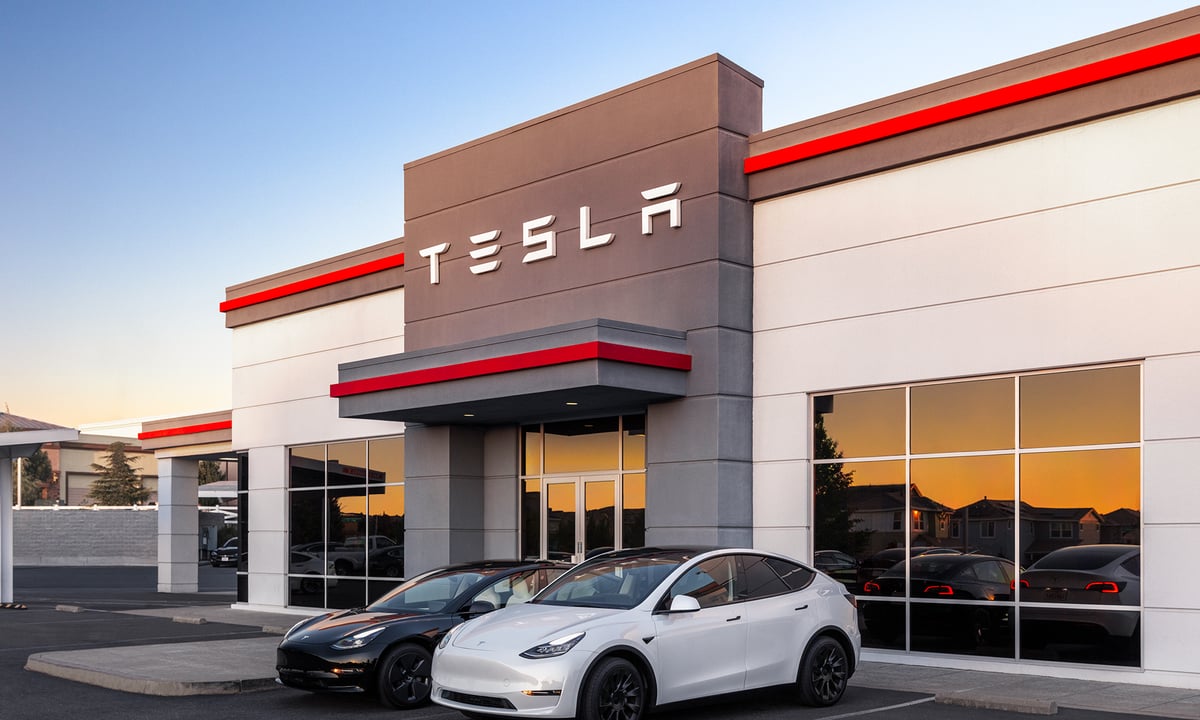
Tesla's Deliveries Fall Short of Expectations


- Delivery Decline: Tesla delivered 358,023 vehicles in Q1, falling short of the 370,000 expected by analysts, indicating ongoing demand pressures despite a 6% year-over-year increase.
- Intensifying Competition: Chinese EV maker BYD delivered over 321,000 vehicles in Q1, nearly 90% of Tesla's total global deliveries, highlighting challenges to Tesla's market share.
- Market Share Shift: BYD's March deliveries reached 300,222 vehicles, accounting for about 84% of Tesla's total Q1 deliveries, although its annual deliveries fell by 20.5%, reflecting macroeconomic and competitive pressures.
- Uncertain Future Outlook: Tesla's stock performance is increasingly divorced from its core EV operations, prompting investors to consider the potential success of growth bets like robotaxi services and the Optimus humanoid robots.
See More

Tesla Q1 Delivery Analysis Amidst Competitive Pressure
- Year-over-Year Growth: Tesla's Q1 deliveries reached 358,023 vehicles, marking a 6% increase from 336,681 vehicles in the same quarter last year, yet falling short of the 370,000 vehicle target set by analysts, indicating ongoing pressures in the EV market.
- Quarterly Decline: Deliveries dropped 14% sequentially from the previous quarter, suggesting that despite seasonal sales factors, the company is facing significant demand challenges that could impact its future market share.
- Intensifying Competition: Chinese EV manufacturers BYD and Nio are outperforming Tesla in market share and growth, with BYD delivering 300,222 vehicles in Q1, nearly 84% of Tesla's total global deliveries, highlighting Tesla's competitive disadvantages.
- Investor Focus Shift: Given BYD and Nio's robust growth, investors may reassess their positions in Tesla, especially in the context of prioritizing market share and growth, as Tesla's stock performance increasingly diverges from its core EV operations.
See More

Nio's Vehicle Deliveries Surge 16% Amid Strong Growth

- Delivery Surge: Nio delivered 35,486 vehicles in March, marking a 136% year-over-year increase and a 71% month-over-month rise, which not only reflects strong demand in the EV market but also lays a solid foundation for future profitability.
- Balanced Brand Performance: All three of Nio's major brands showed significant growth, with the premium Nio brand seeing a 120% year-over-year increase, accounting for about 60% of total deliveries, while the mid-tier Onvo brand grew by 43% and the new entry-level Firefly brand surged by 130% compared to February, showcasing the success of brand diversification.
- International Expansion: Nio opened its first
See More

Rivian and Nio's Prospects in the EV Market

- Rivian R2 SUV Outlook: Rivian plans to launch the cheaper R2 SUV, which is expected to help it stand out in the competitive EV market; however, its production increased from 24,337 vehicles in 2022 to 57,232 in 2023, but is projected to decline to 49,476 in 2024, indicating market challenges.
- Production Capacity Enhancement: Rivian aims to triple its total production capacity by 2028, primarily through upgrades to its Illinois plant and the construction of a new facility in Georgia, which will significantly boost its sales and margins.
- Nio's Market Expansion: Nio continues to perform strongly in the EV market, with annual deliveries surging from 20,565 in 2019 to 326,028 in 2025; despite facing pressures from the US-China trade war and market competition, its expansion into Europe will further reduce reliance on the crowded Chinese market.
- Future Growth Expectations: Analysts expect Rivian and Nio's revenues to grow at CAGRs of 45% and 31%, respectively, over the next few years, with Rivian's adjusted EBITDA projected to turn positive by 2026, highlighting the potential of both companies in the EV market.
See More

Optimistic Outlook for Electric Vehicle Market Recovery
- Market Growth Potential: According to Grand View Research, the global EV market is projected to expand at a 32.5% CAGR from 2025 to 2030, despite current challenges such as high interest rates and increased competition.
- Rivian Production Plans: Rivian aims to boost sales with the launch of its cheaper R2 model, expecting to triple total production by 2028, although it faces supply chain constraints and competitive pressures.
- Nio's Market Strategy: Nio is reducing its dependence on the Chinese market by expanding its battery-swapping network and entering Europe, with revenue expected to grow at a 31% CAGR from 2025 to 2027.
- Financial Performance Comparison: Rivian's enterprise value stands at $20.8 billion, trading at just 3 times this year's sales, compared to Tesla's 14 times, indicating Rivian's relative undervaluation and attracting growth-oriented investors' attention.
See More
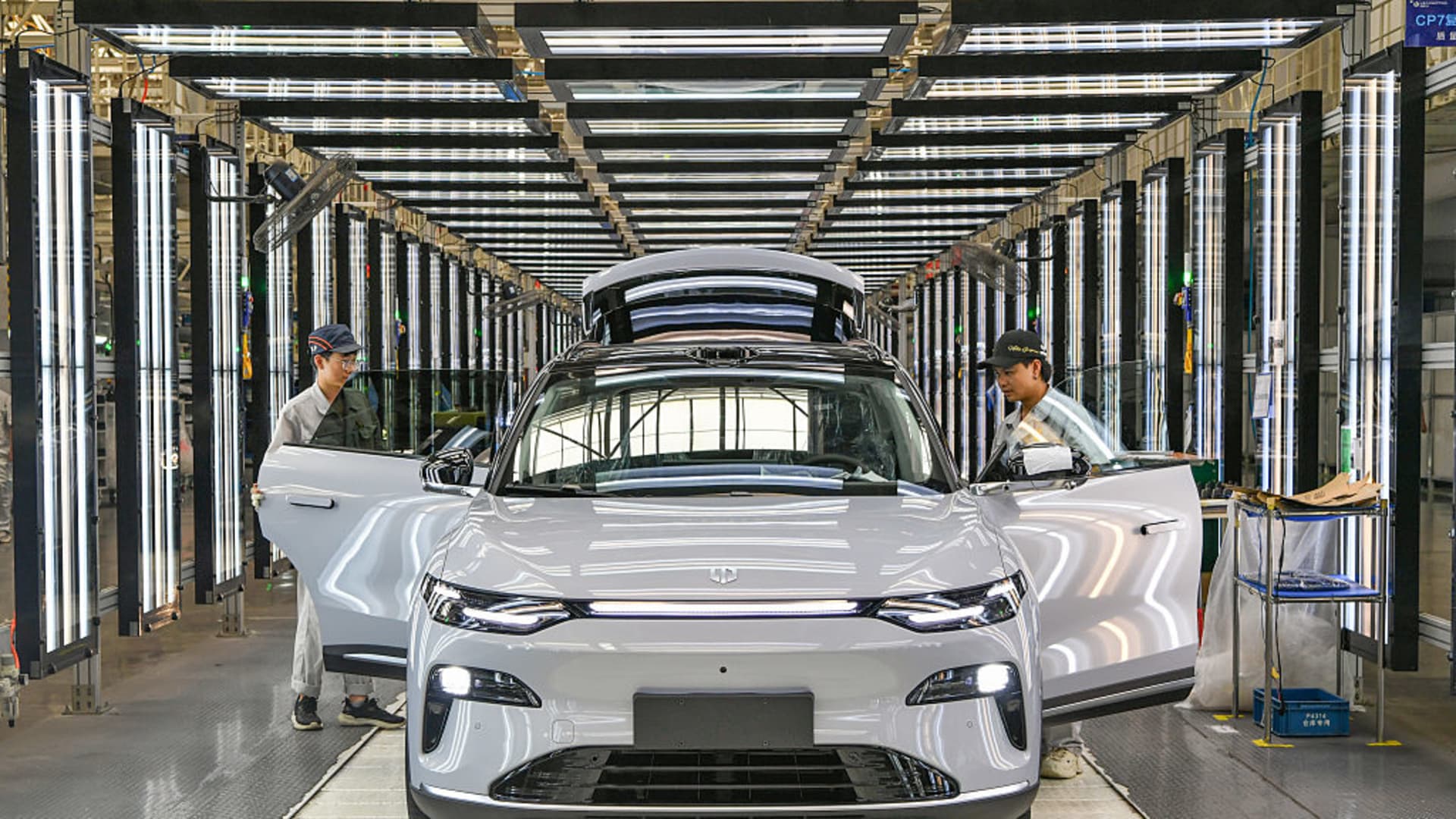
Leapmotor Delivers Over 110,000 Vehicles in Q1

- Delivery Growth: Leapmotor delivered 110,155 new energy vehicles in Q1 2025, marking a nearly 26% year-over-year increase and exceeding 100,000 units for the fourth consecutive quarter, demonstrating strong performance in a competitive market.
- Market Competition: While BYD remains the market leader with 688,993 cars sold in Q1, its sales dropped 30% year-over-year, reflecting the sluggishness of the Chinese automotive market and intensifying competition.
- Export Target Setting: Leapmotor aims to sell 1 million cars in China this year, with an export target of 100,000 to 150,000 units, and although it does not disclose overseas sales figures, its domestic performance has outpaced most rivals.
- Global Expansion Strategy: Leapmotor's partnership with Stellantis is enhancing its global market presence, with over 800 sales and service outlets in Europe by the end of 2025 and the establishment of its first overseas innovation center in Munich, Germany, showcasing its commitment and capability for internationalization.
See More
Tesla's Deliveries Fall Short of Expectations
- Delivery Decline: Tesla delivered 358,023 vehicles in Q1, falling short of the 370,000 expected by analysts, indicating ongoing demand pressures despite a 6% year-over-year increase.
- Intensifying Competition: Chinese EV maker BYD delivered over 321,000 vehicles in Q1, nearly 90% of Tesla's total global deliveries, highlighting challenges to Tesla's market share.
- Market Share Shift: BYD's March deliveries reached 300,222 vehicles, accounting for about 84% of Tesla's total Q1 deliveries, although its annual deliveries fell by 20.5%, reflecting macroeconomic and competitive pressures.
- Uncertain Future Outlook: Tesla's stock performance is increasingly divorced from its core EV operations, prompting investors to consider the potential success of growth bets like robotaxi services and the Optimus humanoid robots.
See More
Tesla Q1 Delivery Analysis Amidst Competitive Pressure
- Year-over-Year Growth: Tesla's Q1 deliveries reached 358,023 vehicles, marking a 6% increase from 336,681 vehicles in the same quarter last year, yet falling short of the 370,000 vehicle target set by analysts, indicating ongoing pressures in the EV market.
- Quarterly Decline: Deliveries dropped 14% sequentially from the previous quarter, suggesting that despite seasonal sales factors, the company is facing significant demand challenges that could impact its future market share.
- Intensifying Competition: Chinese EV manufacturers BYD and Nio are outperforming Tesla in market share and growth, with BYD delivering 300,222 vehicles in Q1, nearly 84% of Tesla's total global deliveries, highlighting Tesla's competitive disadvantages.
- Investor Focus Shift: Given BYD and Nio's robust growth, investors may reassess their positions in Tesla, especially in the context of prioritizing market share and growth, as Tesla's stock performance increasingly diverges from its core EV operations.
See More
Nio's Vehicle Deliveries Surge 16% Amid Strong Growth
- Delivery Surge: Nio delivered 35,486 vehicles in March, marking a 136% year-over-year increase and a 71% month-over-month rise, which not only reflects strong demand in the EV market but also lays a solid foundation for future profitability.
- Balanced Brand Performance: All three of Nio's major brands showed significant growth, with the premium Nio brand seeing a 120% year-over-year increase, accounting for about 60% of total deliveries, while the mid-tier Onvo brand grew by 43% and the new entry-level Firefly brand surged by 130% compared to February, showcasing the success of brand diversification.
- International Expansion: Nio opened its first
See More
Rivian and Nio's Prospects in the EV Market
- Rivian R2 SUV Outlook: Rivian plans to launch the cheaper R2 SUV, which is expected to help it stand out in the competitive EV market; however, its production increased from 24,337 vehicles in 2022 to 57,232 in 2023, but is projected to decline to 49,476 in 2024, indicating market challenges.
- Production Capacity Enhancement: Rivian aims to triple its total production capacity by 2028, primarily through upgrades to its Illinois plant and the construction of a new facility in Georgia, which will significantly boost its sales and margins.
- Nio's Market Expansion: Nio continues to perform strongly in the EV market, with annual deliveries surging from 20,565 in 2019 to 326,028 in 2025; despite facing pressures from the US-China trade war and market competition, its expansion into Europe will further reduce reliance on the crowded Chinese market.
- Future Growth Expectations: Analysts expect Rivian and Nio's revenues to grow at CAGRs of 45% and 31%, respectively, over the next few years, with Rivian's adjusted EBITDA projected to turn positive by 2026, highlighting the potential of both companies in the EV market.
See More
Optimistic Outlook for Electric Vehicle Market Recovery
- Market Growth Potential: According to Grand View Research, the global EV market is projected to expand at a 32.5% CAGR from 2025 to 2030, despite current challenges such as high interest rates and increased competition.
- Rivian Production Plans: Rivian aims to boost sales with the launch of its cheaper R2 model, expecting to triple total production by 2028, although it faces supply chain constraints and competitive pressures.
- Nio's Market Strategy: Nio is reducing its dependence on the Chinese market by expanding its battery-swapping network and entering Europe, with revenue expected to grow at a 31% CAGR from 2025 to 2027.
- Financial Performance Comparison: Rivian's enterprise value stands at $20.8 billion, trading at just 3 times this year's sales, compared to Tesla's 14 times, indicating Rivian's relative undervaluation and attracting growth-oriented investors' attention.
See More
Leapmotor Delivers Over 110,000 Vehicles in Q1
- Delivery Growth: Leapmotor delivered 110,155 new energy vehicles in Q1 2025, marking a nearly 26% year-over-year increase and exceeding 100,000 units for the fourth consecutive quarter, demonstrating strong performance in a competitive market.
- Market Competition: While BYD remains the market leader with 688,993 cars sold in Q1, its sales dropped 30% year-over-year, reflecting the sluggishness of the Chinese automotive market and intensifying competition.
- Export Target Setting: Leapmotor aims to sell 1 million cars in China this year, with an export target of 100,000 to 150,000 units, and although it does not disclose overseas sales figures, its domestic performance has outpaced most rivals.
- Global Expansion Strategy: Leapmotor's partnership with Stellantis is enhancing its global market presence, with over 800 sales and service outlets in Europe by the end of 2025 and the establishment of its first overseas innovation center in Munich, Germany, showcasing its commitment and capability for internationalization.
See More