Nike CEO Strives to Revive Brand Amid Challenges
Written by Emily J. Thompson, Senior Investment Analyst
Updated: 1 hour ago
0mins
Should l Buy NKE?
Source: Yahoo Finance
- Market Environment Challenges: Nike CEO Elliott Hill noted that global factors such as the Middle East war and tariffs have created volatility in input costs, impacting the company's recovery plans, although he emphasized that the company is controlling what it can.
- Significant Stock Decline: Nike's stock plummeted 14% on Wednesday, hitting an 11-year intraday low, as the company's guidance indicated slow progress in its comeback, with a projected low single-digit revenue decline in 2026, offset by gains in North America against declines in Greater China.
- Tariff Impact: The company described the tariff environment as uncertain, expecting the first quarter of fiscal 2027 to be the last quarter where high tariffs significantly pressure gross margins year-over-year, as the effects of last year's
Trade with 70% Backtested Accuracy
Stop guessing "Should I Buy NKE?" and start using high-conviction signals backed by rigorous historical data.
Sign up today to access powerful investing tools and make smarter, data-driven decisions.
Analyst Views on NKE
Wall Street analysts forecast NKE stock price to rise
21 Analyst Rating
14 Buy
7 Hold
0 Sell
Moderate Buy
Current: 52.820

Low
62.00
Averages
76.11
High
110.00
Current: 52.820
Low
62.00
Averages
76.11
High
110.00
About NKE
NIKE, Inc. is engaged in the designing, marketing and distributing of athletic footwear, apparel, equipment and accessories and services for sports and fitness activities. The Company's operating segments include North America; Europe, Middle East & Africa (EMEA); Greater China; and Asia Pacific & Latin America (APLA). It sells a line of equipment and accessories under the NIKE Brand name, including bags, socks, sport balls, eyewear, timepieces, digital devices, bats, gloves, protective equipment and other equipment designed for sports activities. It also designs products specifically for the Jordan Brand and Converse. The Jordan Brand designs, distributes and licenses athletic and casual footwear, apparel and accessories predominantly focused on basketball performance and culture using the Jumpman trademark. The Company also designs, distributes and licenses casual sneakers, apparel and accessories under the Chuck Taylor, All Star, One Star, Star Chevron and Jack Purcell trademarks.
About the author

Emily J. Thompson
Emily J. Thompson, a Chartered Financial Analyst (CFA) with 12 years in investment research, graduated with honors from the Wharton School. Specializing in industrial and technology stocks, she provides in-depth analysis for Intellectia’s earnings and market brief reports.
Nike's Slow Recovery in the Chinese Market
- Early Recovery Strategy: Nike CEO Elliott Hill stated that the company's turnaround strategy in Greater China is still in its early stages, with results taking longer to materialize than expected, indicating the complexities of the market environment.
- Sales Forecast Downgrade: Nike expects Q4 revenue to decline by 2% to 4% year-on-year, translating to $10.66 billion to $10.88 billion, which is below Wall Street's expectation of $11.3 billion, reflecting significant challenges in the Chinese market.
- Analyst Rating Downgrades: JPMorgan downgraded Nike from 'Overweight' to 'Neutral', lowering the price target from $86 to $52, emphasizing the slow recovery process and projecting that growth may not resume for another four quarters.
- Negative Market Reaction: Nike's stock plummeted over 11% in pre-market trading on Wednesday, down 17% year-to-date, highlighting investor concerns about the company's future performance, especially when compared to the S&P 500 ETF and Vanguard Total Stock Market Index Fund, which have shown positive gains.
See More
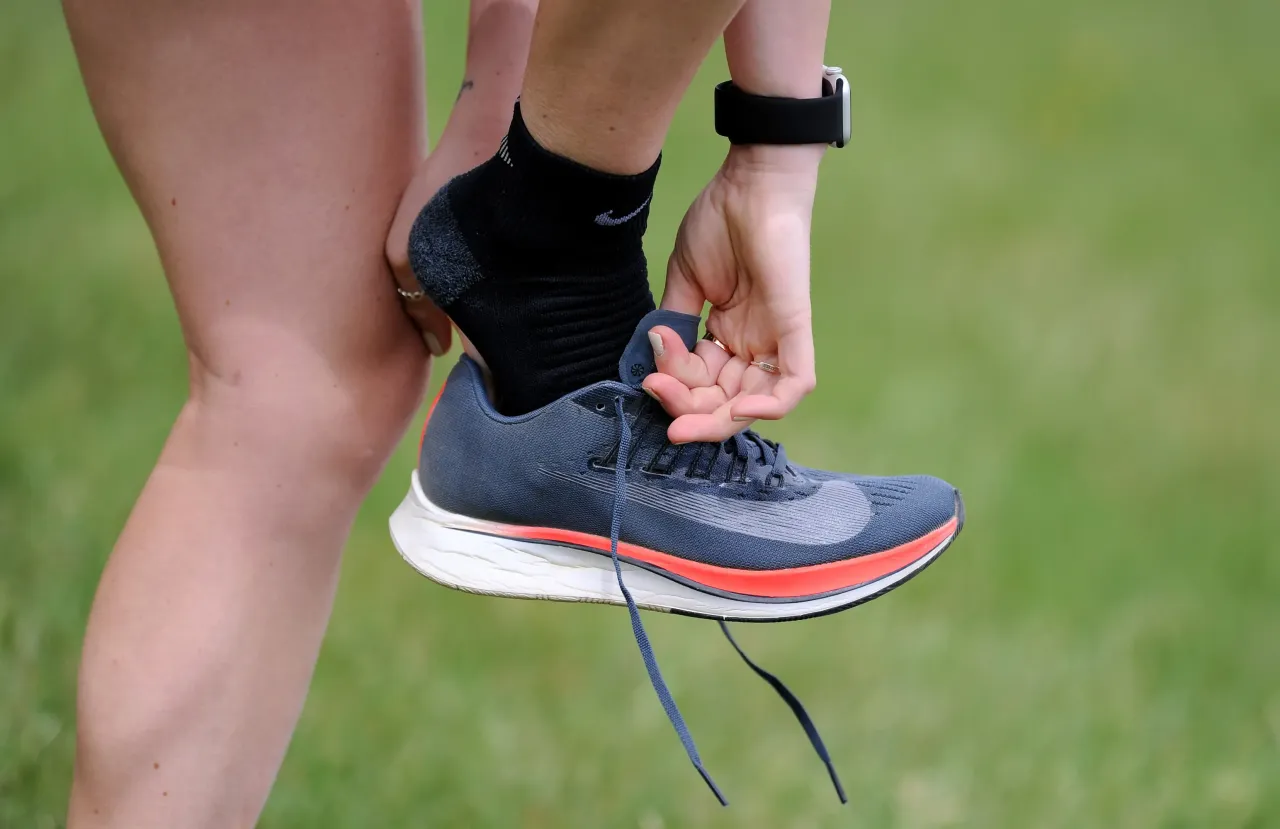
Nike Faces Revenue Decline in Greater China Market
- Revenue Decline in Greater China: Nike's revenue in the Greater China market fell by 7% to $1.62 billion, reflecting ongoing challenges that could impact the company's overall performance and market share.
- Inventory Management Improvement: Nike ended the quarter with $8.49 billion in inventory, down 1% year-over-year, indicating progress in clearing excess inventory, although it still faces pressure from rising product costs.
- Gross Margin Decline: The company's gross profit margin slid 130 basis points to 40.2% in Q3, primarily due to increased tariffs in North America, which may affect future profitability and investor confidence.
- CEO Turnaround Strategy: CEO Elliott Hill is implementing a multi-year turnaround strategy aimed at repairing relationships with retailers and improving overall business health, although this process may take considerable time to yield results.
See More
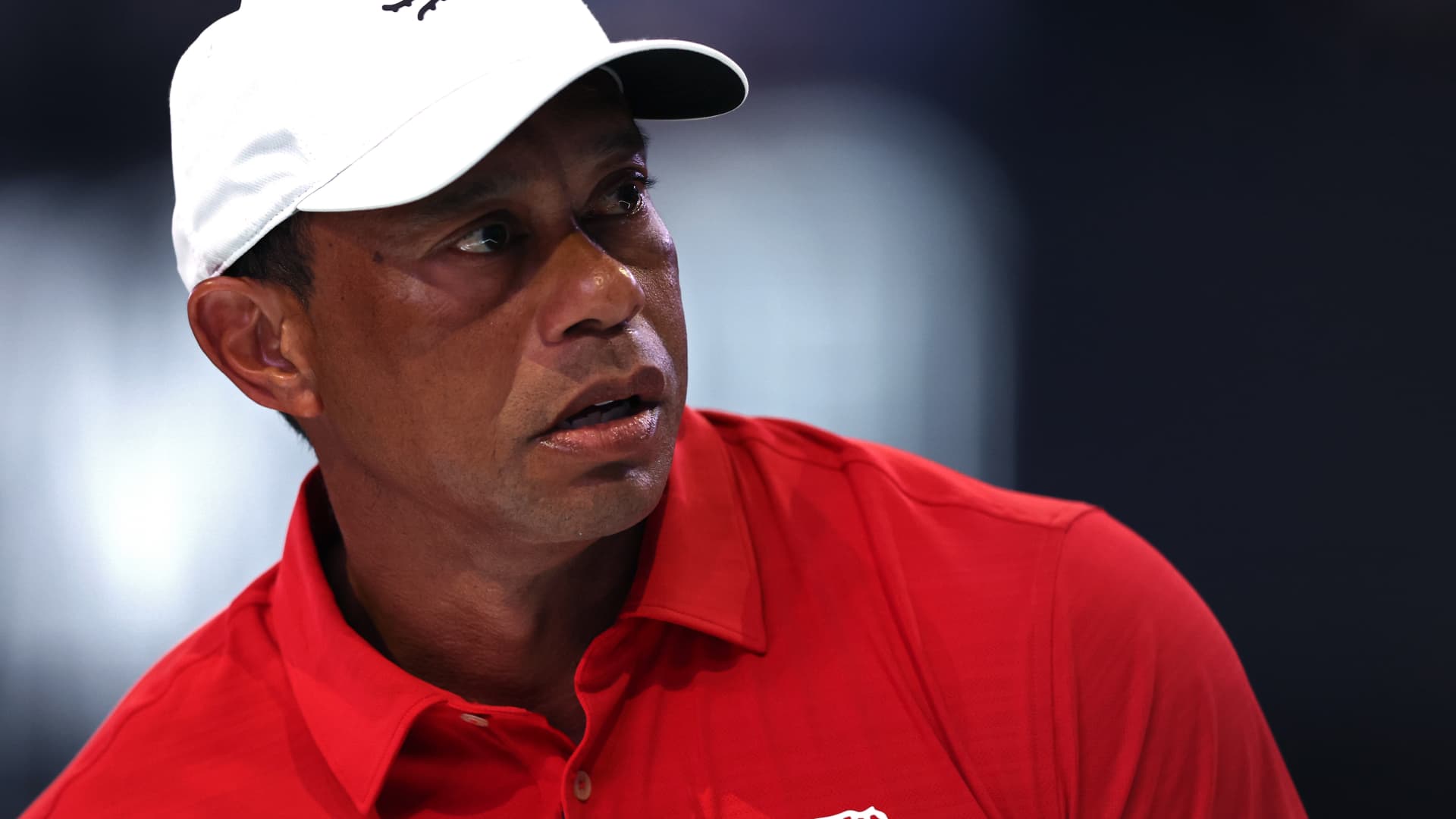
Tiger Woods Steps Back from Golf Following Car Accident


- Health Comes First: Tiger Woods has decided to step back from golf following a rollover car accident, stating he will focus on recovery without providing a specific timeline for his return, a move that could impact his standing in professional golf.
- Career Reflection: Golf Channel analyst Brandel Chamblee suggested that Woods should consider retirement, questioning the necessity of continuing to compete after multiple injuries, which has sparked widespread discussion about his future in the sport.
- Event Support: Although Woods will miss the upcoming Masters Tournament, Chairman Fred Ridley emphasized the tournament's full support for Woods, highlighting that his influence extends beyond his achievements on the course, showcasing the golf community's concern for his well-being.
- Brand and Foundation Support: Woods' education foundation and apparel brand Sun Day Red both expressed their support for him, emphasizing their commitment to serving students and communities while he focuses on his health, reflecting Woods' impact beyond the golf realm.
See More
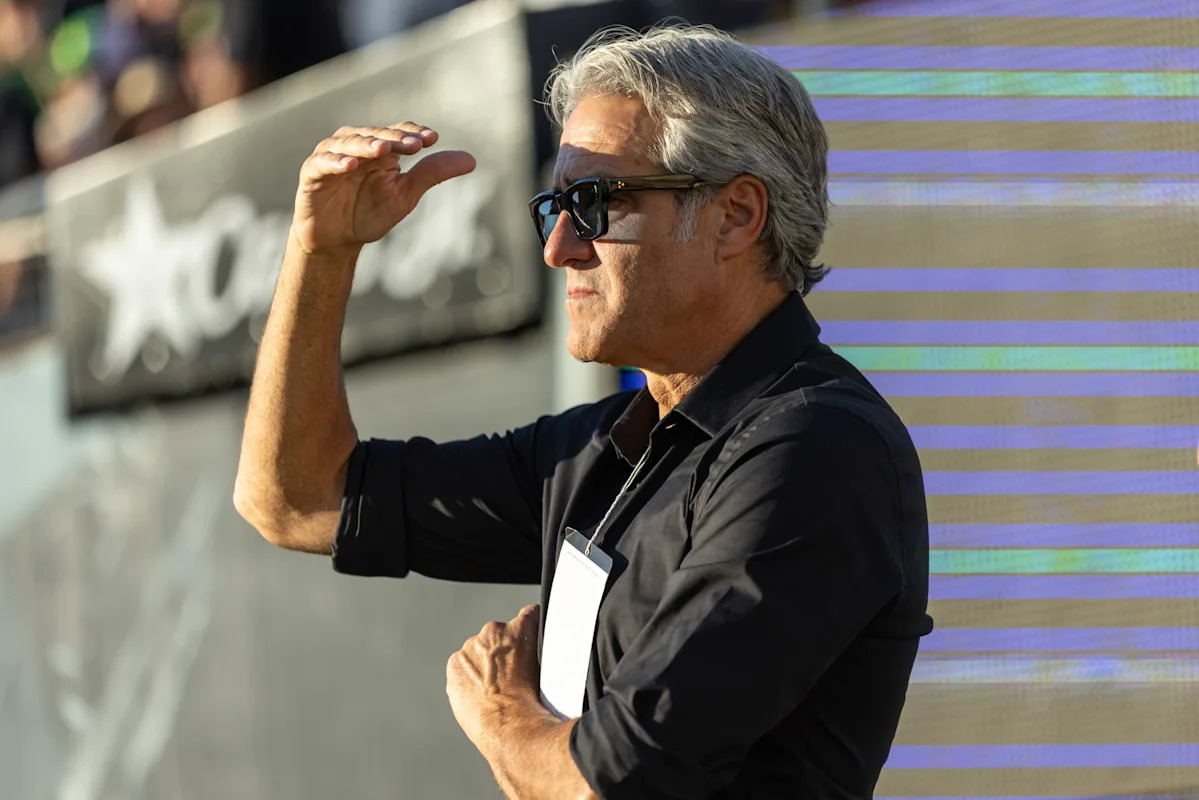
Nike CEO Strives to Revive Brand Amid Challenges
- Market Environment Challenges: Nike CEO Elliott Hill noted that global factors such as the Middle East war and tariffs have created volatility in input costs, impacting the company's recovery plans, although he emphasized that the company is controlling what it can.
- Significant Stock Decline: Nike's stock plummeted 14% on Wednesday, hitting an 11-year intraday low, as the company's guidance indicated slow progress in its comeback, with a projected low single-digit revenue decline in 2026, offset by gains in North America against declines in Greater China.
- Tariff Impact: The company described the tariff environment as uncertain, expecting the first quarter of fiscal 2027 to be the last quarter where high tariffs significantly pressure gross margins year-over-year, as the effects of last year's
See More
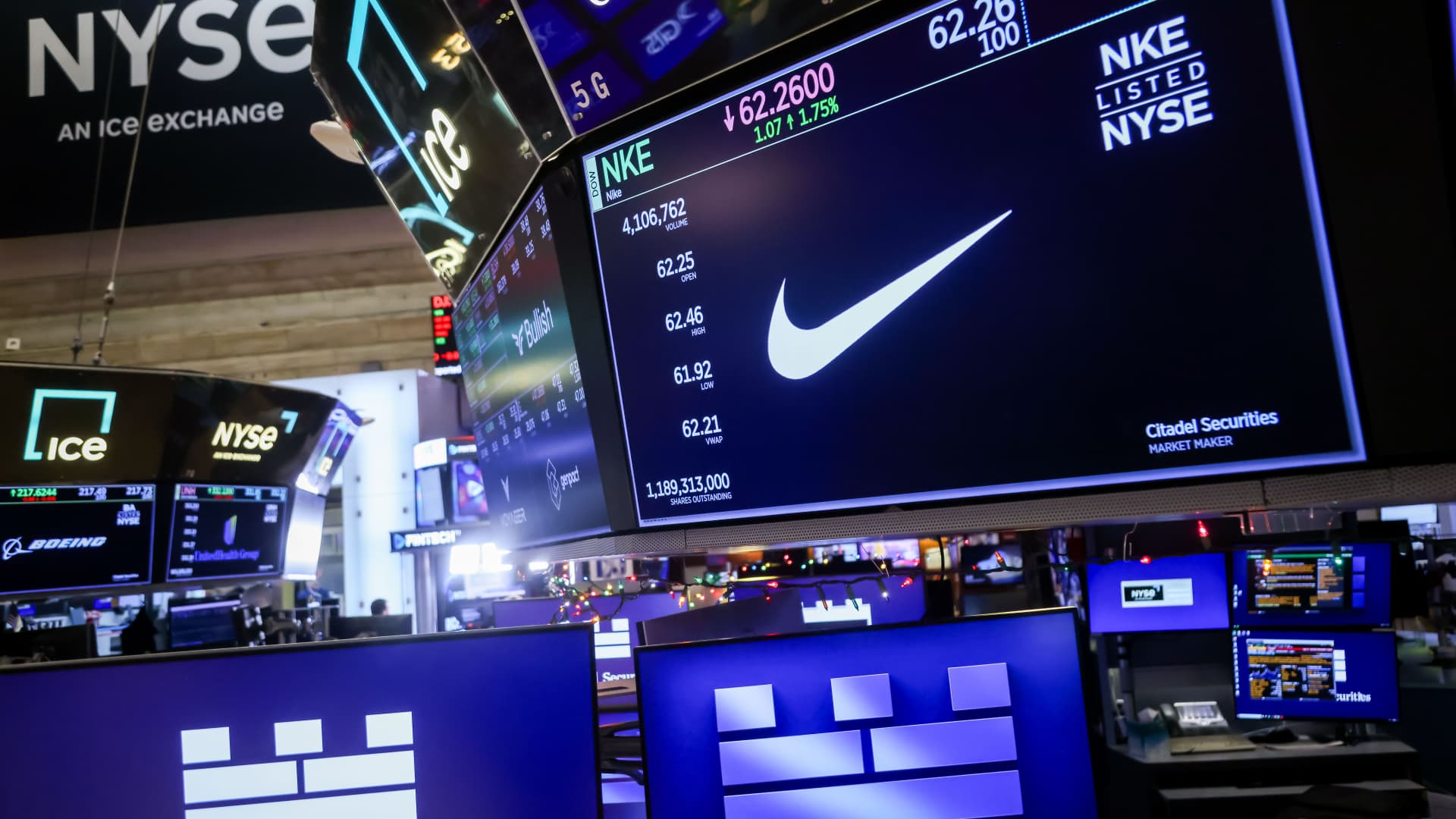
Nike's Earnings Miss Expectations, Shares Plunge 14%

- Sales Forecast Downgrade: Nike anticipates a sales decline of 2% to 4% for the current quarter, significantly worse than the 1.9% growth analysts expected, primarily due to a projected 20% drop in China, negatively impacting overall performance.
- Gross Margin Decline: Nike's gross margin has fallen for seven consecutive quarters, and rising input costs due to the Middle East conflict may complicate future margin recovery, potentially affecting profitability.
- Market Reaction: The slow turnaround has led to downgrades from three major Wall Street banks, indicating diminishing investor patience regarding the company's growth prospects, especially with an unclear timeline for sales recovery.
- Management's Lack of Confidence: Although management expresses optimism about recovery in North America, the vague timeline for achieving balanced growth suggests ongoing challenges, with CEO Hill acknowledging that the recovery process is more complex than anticipated.
See More
Nike Reports Disappointing Earnings, Stock Plummets

- Weak Sales: Nike's fiscal Q3 2026 results showed flat year-over-year sales and a 35% decline in net income to $520 million, primarily due to rising tariffs in North America and sluggish performance in China, indicating significant challenges during the company's turnaround phase.
- Narrowing Gross Margin: The company's gross margin contracted by 130 basis points to 40.2%, which not only impacted profitability but also led to a 35% drop in earnings per share to $0.35, reflecting pressures on cost control and market competition.
- Bleak Outlook for China: Management's guidance for a 20% year-over-year decline in sales in China is startling, especially after a 10% drop in Q3, highlighting Nike's loss of market share to competitors in the region.
- Wholesale Channel Growth: Despite challenges, Nike's wholesale revenues increased by 5% year-over-year to $6.5 billion, demonstrating that the company's renewed focus on the wholesale channel is yielding revenue stability in North America and strengthening its financial foundation.
See More
Nike's Slow Recovery in the Chinese Market
- Early Recovery Strategy: Nike CEO Elliott Hill stated that the company's turnaround strategy in Greater China is still in its early stages, with results taking longer to materialize than expected, indicating the complexities of the market environment.
- Sales Forecast Downgrade: Nike expects Q4 revenue to decline by 2% to 4% year-on-year, translating to $10.66 billion to $10.88 billion, which is below Wall Street's expectation of $11.3 billion, reflecting significant challenges in the Chinese market.
- Analyst Rating Downgrades: JPMorgan downgraded Nike from 'Overweight' to 'Neutral', lowering the price target from $86 to $52, emphasizing the slow recovery process and projecting that growth may not resume for another four quarters.
- Negative Market Reaction: Nike's stock plummeted over 11% in pre-market trading on Wednesday, down 17% year-to-date, highlighting investor concerns about the company's future performance, especially when compared to the S&P 500 ETF and Vanguard Total Stock Market Index Fund, which have shown positive gains.
See More
Nike Faces Revenue Decline in Greater China Market
- Revenue Decline in Greater China: Nike's revenue in the Greater China market fell by 7% to $1.62 billion, reflecting ongoing challenges that could impact the company's overall performance and market share.
- Inventory Management Improvement: Nike ended the quarter with $8.49 billion in inventory, down 1% year-over-year, indicating progress in clearing excess inventory, although it still faces pressure from rising product costs.
- Gross Margin Decline: The company's gross profit margin slid 130 basis points to 40.2% in Q3, primarily due to increased tariffs in North America, which may affect future profitability and investor confidence.
- CEO Turnaround Strategy: CEO Elliott Hill is implementing a multi-year turnaround strategy aimed at repairing relationships with retailers and improving overall business health, although this process may take considerable time to yield results.
See More
Tiger Woods Steps Back from Golf Following Car Accident
- Health Comes First: Tiger Woods has decided to step back from golf following a rollover car accident, stating he will focus on recovery without providing a specific timeline for his return, a move that could impact his standing in professional golf.
- Career Reflection: Golf Channel analyst Brandel Chamblee suggested that Woods should consider retirement, questioning the necessity of continuing to compete after multiple injuries, which has sparked widespread discussion about his future in the sport.
- Event Support: Although Woods will miss the upcoming Masters Tournament, Chairman Fred Ridley emphasized the tournament's full support for Woods, highlighting that his influence extends beyond his achievements on the course, showcasing the golf community's concern for his well-being.
- Brand and Foundation Support: Woods' education foundation and apparel brand Sun Day Red both expressed their support for him, emphasizing their commitment to serving students and communities while he focuses on his health, reflecting Woods' impact beyond the golf realm.
See More
Nike CEO Strives to Revive Brand Amid Challenges
- Market Environment Challenges: Nike CEO Elliott Hill noted that global factors such as the Middle East war and tariffs have created volatility in input costs, impacting the company's recovery plans, although he emphasized that the company is controlling what it can.
- Significant Stock Decline: Nike's stock plummeted 14% on Wednesday, hitting an 11-year intraday low, as the company's guidance indicated slow progress in its comeback, with a projected low single-digit revenue decline in 2026, offset by gains in North America against declines in Greater China.
- Tariff Impact: The company described the tariff environment as uncertain, expecting the first quarter of fiscal 2027 to be the last quarter where high tariffs significantly pressure gross margins year-over-year, as the effects of last year's
See More
Nike's Earnings Miss Expectations, Shares Plunge 14%
- Sales Forecast Downgrade: Nike anticipates a sales decline of 2% to 4% for the current quarter, significantly worse than the 1.9% growth analysts expected, primarily due to a projected 20% drop in China, negatively impacting overall performance.
- Gross Margin Decline: Nike's gross margin has fallen for seven consecutive quarters, and rising input costs due to the Middle East conflict may complicate future margin recovery, potentially affecting profitability.
- Market Reaction: The slow turnaround has led to downgrades from three major Wall Street banks, indicating diminishing investor patience regarding the company's growth prospects, especially with an unclear timeline for sales recovery.
- Management's Lack of Confidence: Although management expresses optimism about recovery in North America, the vague timeline for achieving balanced growth suggests ongoing challenges, with CEO Hill acknowledging that the recovery process is more complex than anticipated.
See More
Nike Reports Disappointing Earnings, Stock Plummets
- Weak Sales: Nike's fiscal Q3 2026 results showed flat year-over-year sales and a 35% decline in net income to $520 million, primarily due to rising tariffs in North America and sluggish performance in China, indicating significant challenges during the company's turnaround phase.
- Narrowing Gross Margin: The company's gross margin contracted by 130 basis points to 40.2%, which not only impacted profitability but also led to a 35% drop in earnings per share to $0.35, reflecting pressures on cost control and market competition.
- Bleak Outlook for China: Management's guidance for a 20% year-over-year decline in sales in China is startling, especially after a 10% drop in Q3, highlighting Nike's loss of market share to competitors in the region.
- Wholesale Channel Growth: Despite challenges, Nike's wholesale revenues increased by 5% year-over-year to $6.5 billion, demonstrating that the company's renewed focus on the wholesale channel is yielding revenue stability in North America and strengthening its financial foundation.
See More