Nasdaq Rises by More Than 100 Points; Tesla Stock Soars


U.S. Stock Market Performance: U.S. stocks opened higher, with the Nasdaq Composite gaining over 100 points, while the Dow and S&P 500 also saw increases of 0.19% and 0.47%, respectively. Communication services stocks rose by 1.7%, but consumer staples fell by 0.6%.
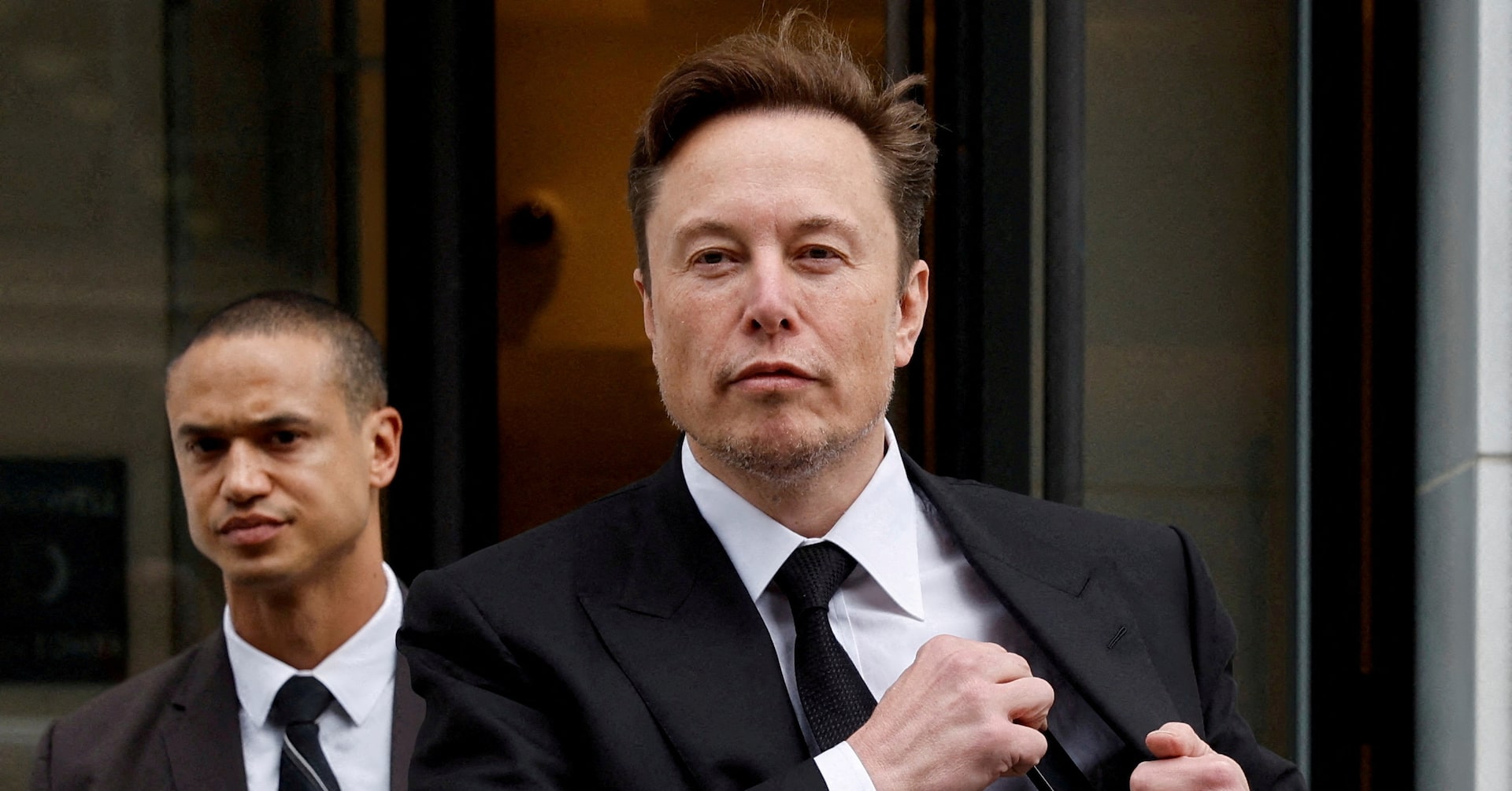
Tesla's Share Purchase: Tesla shares rose approximately 6% after CEO Elon Musk purchased 2.57 million shares, increasing his indirect ownership to about 413 million shares.
Notable Stock Movements: Check-Cap Ltd. shares surged 233% following a merger announcement, while Helius Medical Technologies saw a 179% increase after launching a treasury strategy. Conversely, aTyr Pharma's shares plummeted 82% after disappointing clinical trial results.
Global Market Trends: European shares rose, with the eurozone's STOXX 600 up 0.6%, while Asian markets were mixed. The New York Empire State Manufacturing Index fell to -8.7 in September, indicating a decline in manufacturing activity.
Trade with 70% Backtested Accuracy
Analyst Views on TSLA

About TSLA
About the author

Market Comparison Between SpaceX and Tesla

- Valuation Discrepancy: SpaceX's IPO price was $135 per share, with a market cap exceeding $2 trillion, while Tesla went public in 2010 at $17 per share, highlighting a significant difference in market positioning between the two companies.
- Stock Split Potential: SpaceX briefly surged 50% post-IPO, and if its market cap reaches $10 trillion, a stock split could be considered, contrasting with Tesla's decade-long wait for its first split, indicating SpaceX's rapid growth potential.
- Technical Challenges and Opportunities: SpaceX aims to launch AI data center satellites by 2027, targeting 1 terawatt of computing power by 2030; if successful, it could become a key player in global AI infrastructure, significantly boosting the company's value.
- Investor Caution: Despite SpaceX's ambitious vision, a reported net loss in 2025 and potential technical and market challenges suggest investors should be cautious, recommending monitoring progress rather than investing blindly.

Lucid's Layoffs and Executive Turnover Raise Concerns

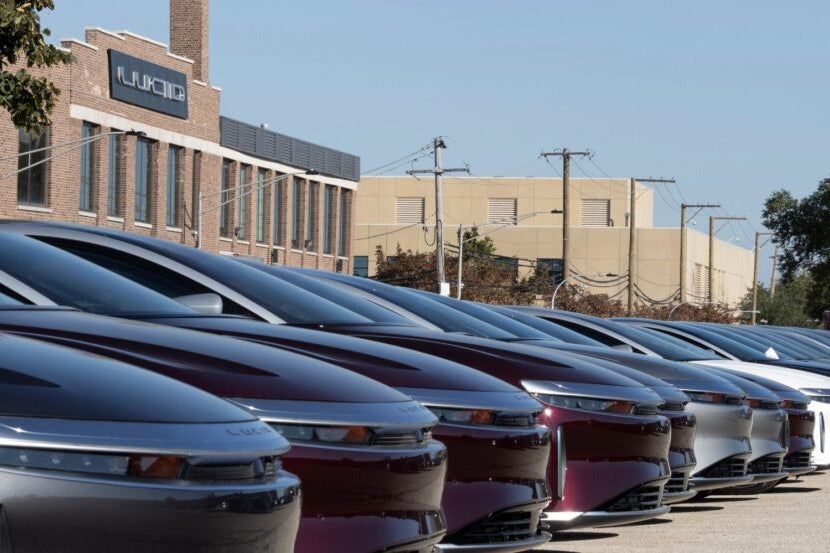
- Workforce Reduction: Lucid announced layoffs of approximately 1,500 employees, representing 18% of its workforce, marking the second significant cut in four months, highlighting the urgency in addressing lower-than-expected consumer demand and bloated inventory.
- Production Shift Cancellation: The company eliminated the second production shift at its Casa Grande, Arizona factory to match production with demand, resulting in only 3,000 deliveries from 5,500 produced vehicles in Q1, forcing a withdrawal of its guidance.
- Executive Turnover: Lucid has experienced significant executive turnover, with founder and former CEO Peter Rawlinson unexpectedly resigning in February 2025, followed by several other executives, raising concerns about the strategic direction under new CEO Silvio Napoli, an outsider to the EV industry.
- Escalating Financial Struggles: While layoffs are expected to save about $158 million annually, Lucid's net loss reached $2.7 billion in 2025, with cash burn at $3.8 billion, intensifying the company's financial challenges and increasing bankruptcy risks if backing from the PIF were to cease.
Lucid's Layoffs and Executive Turnover Raise Concerns
- Massive Layoffs: Lucid recently announced layoffs of approximately 1,500 employees, representing 18% of its workforce, marking the second significant workforce reduction in just four months, highlighting the urgency of addressing insufficient market demand.
- Production Adjustments: The company also eliminated the second production shift at its Casa Grande, Arizona factory to cope with bloated inventory and low consumer demand, producing 5,500 vehicles but delivering only 3,000 in Q1, forcing it to retract its guidance.
- Frequent Executive Changes: Lucid has seen a high turnover of executives, with over a dozen leaving since founder and CEO Peter Rawlinson's resignation in February 2025, and the recent elimination of the COO position raises concerns about the company's strategic direction and stability.
- Worrisome Financials: While the company aims to save about $158 million annually through layoffs, its net loss reached $2.7 billion in 2025, with a staggering cash burn of $3.8 billion, indicating significant challenges in achieving profitability and sustainable growth.
Michael Burry Shorts Tesla Again Amid Valuation Concerns
- Shorting Tesla: According to Burry's latest Substack update, he has shorted Tesla (TSLA) again, reflecting his ongoing concerns about the company's valuation, particularly after its stock surged over 700% in the past year.
- Historical Critique: Since late 2020, Burry has openly criticized Tesla, arguing that its sales and slim profits do not justify its market capitalization, warning that the stock could fall 80% without destabilizing the broader market.
- Options Trading: In 2021, Burry's Scion Asset Management disclosed a large put-option position against Tesla tied to approximately 800,100 shares, indicating his belief in the acute overvaluation of the stock, although he later downplayed it as
Markets Cautiously Eye Labor Data Amid Mixed Sentiment

- Market Performance Review: The Dow Jones index gained nearly 8.9% in the first half of 2023, marking its best performance since 2021, while the S&P 500 and Nasdaq rose 9.6% and 12.8%, respectively, indicating a strong market recovery, yet investors are adopting a cautious stance as they enter the second half.
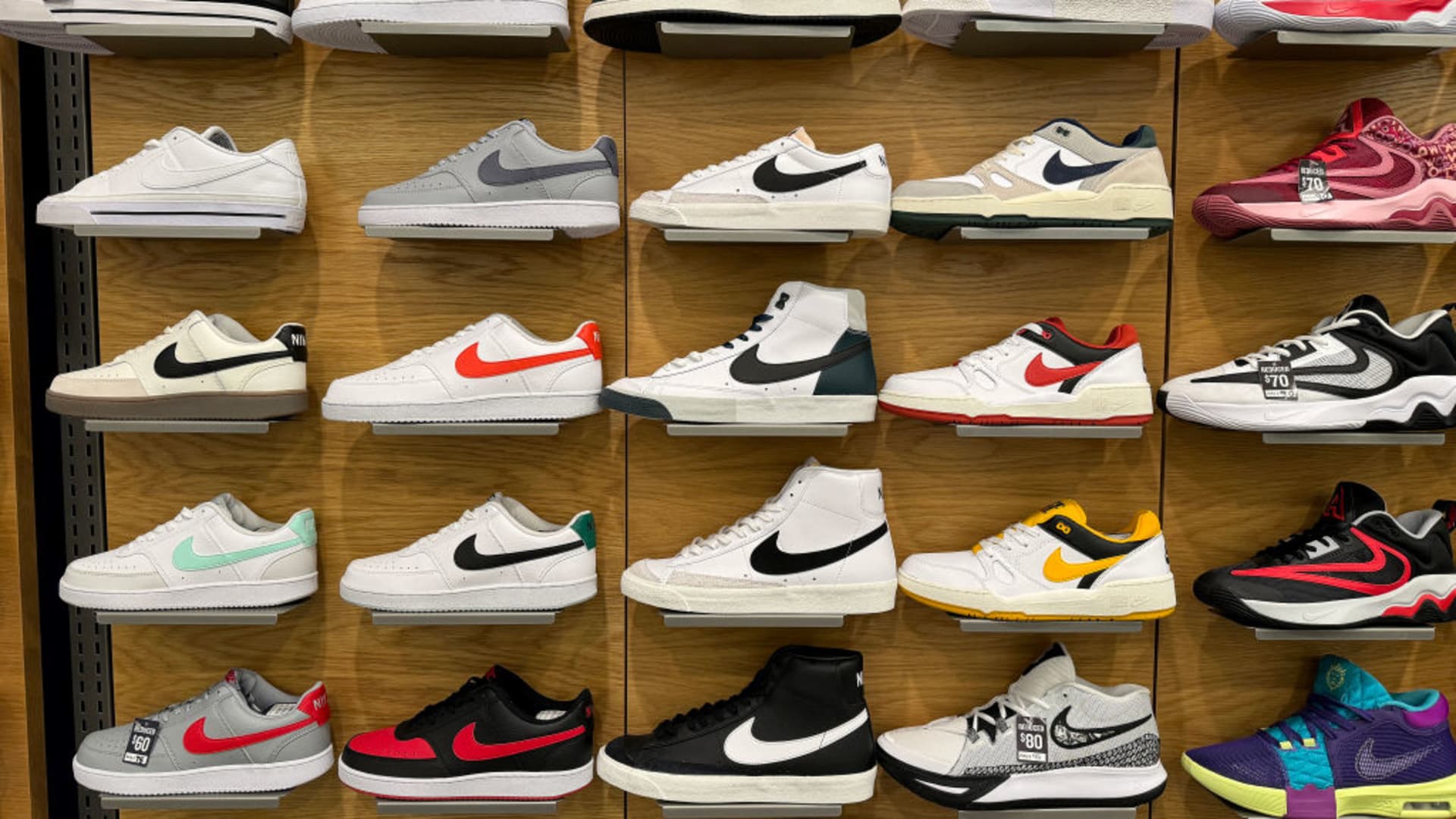
- Nike Stock Decline: Nike (NKE) shares fell 4% in pre-market trading after management acknowledged that the brand's turnaround is progressing more slowly than expected, despite analysts maintaining a positive outlook on long-term recovery, reflecting short-term pressures from soft global sportswear traffic and weak margins in China.
- Divergent Investor Sentiment: According to Stocktwits data, retail sentiment for the SPDR S&P 500 ETF (SPY), which tracks the S&P 500 index, remains 'bearish', while the Invesco QQQ Trust (QQQ) ETF, which tracks the Nasdaq-100 index, stays 'bullish', highlighting a clear divide in market participants' views across different sectors.
- Upcoming Key Data: Investors will closely monitor the upcoming ADP employment report and Thursday's non-farm payroll data for clues about the Federal Reserve's future interest rate policy, especially in light of Federal Reserve Chair Kevin Warsh's forthcoming speech, which adds complexity to market expectations regarding the economic outlook.

Potential Stock Split Prospects for SpaceX and Tesla

- Market Performance Analysis: SpaceX's stock briefly soared 50% on its first trading day, reaching $150 per share, indicating strong market demand, although its market cap has surpassed $2 trillion, leading investors to adopt a cautiously optimistic outlook on future price performance.
- Stock Split Background: Tesla conducted its first 5-for-1 stock split a decade after its IPO, while SpaceX may consider a split once its market cap reaches $10 trillion, highlighting its significant growth potential, albeit with time needed for validation.
- AI Satellite Initiative: SpaceX plans to launch its first AI data center satellites by 2027, aiming to increase computing power to 1 terawatt by 2030; if successful, this strategy could greatly enhance the company's market value and potentially lead to a stock split.
- Technical and Market Challenges: Despite facing production and technical hurdles, such as satellite weight and launch costs, if SpaceX can demonstrate market demand for its orbital computing capabilities, it could generate substantial cash flow and future growth opportunities.
Market Comparison Between SpaceX and Tesla
- Valuation Discrepancy: SpaceX's IPO price was $135 per share, with a market cap exceeding $2 trillion, while Tesla went public in 2010 at $17 per share, highlighting a significant difference in market positioning between the two companies.
- Stock Split Potential: SpaceX briefly surged 50% post-IPO, and if its market cap reaches $10 trillion, a stock split could be considered, contrasting with Tesla's decade-long wait for its first split, indicating SpaceX's rapid growth potential.
- Technical Challenges and Opportunities: SpaceX aims to launch AI data center satellites by 2027, targeting 1 terawatt of computing power by 2030; if successful, it could become a key player in global AI infrastructure, significantly boosting the company's value.
- Investor Caution: Despite SpaceX's ambitious vision, a reported net loss in 2025 and potential technical and market challenges suggest investors should be cautious, recommending monitoring progress rather than investing blindly.
Lucid's Layoffs and Executive Turnover Raise Concerns
- Workforce Reduction: Lucid announced layoffs of approximately 1,500 employees, representing 18% of its workforce, marking the second significant cut in four months, highlighting the urgency in addressing lower-than-expected consumer demand and bloated inventory.
- Production Shift Cancellation: The company eliminated the second production shift at its Casa Grande, Arizona factory to match production with demand, resulting in only 3,000 deliveries from 5,500 produced vehicles in Q1, forcing a withdrawal of its guidance.
- Executive Turnover: Lucid has experienced significant executive turnover, with founder and former CEO Peter Rawlinson unexpectedly resigning in February 2025, followed by several other executives, raising concerns about the strategic direction under new CEO Silvio Napoli, an outsider to the EV industry.
- Escalating Financial Struggles: While layoffs are expected to save about $158 million annually, Lucid's net loss reached $2.7 billion in 2025, with cash burn at $3.8 billion, intensifying the company's financial challenges and increasing bankruptcy risks if backing from the PIF were to cease.
Lucid's Layoffs and Executive Turnover Raise Concerns
- Massive Layoffs: Lucid recently announced layoffs of approximately 1,500 employees, representing 18% of its workforce, marking the second significant workforce reduction in just four months, highlighting the urgency of addressing insufficient market demand.
- Production Adjustments: The company also eliminated the second production shift at its Casa Grande, Arizona factory to cope with bloated inventory and low consumer demand, producing 5,500 vehicles but delivering only 3,000 in Q1, forcing it to retract its guidance.
- Frequent Executive Changes: Lucid has seen a high turnover of executives, with over a dozen leaving since founder and CEO Peter Rawlinson's resignation in February 2025, and the recent elimination of the COO position raises concerns about the company's strategic direction and stability.
- Worrisome Financials: While the company aims to save about $158 million annually through layoffs, its net loss reached $2.7 billion in 2025, with a staggering cash burn of $3.8 billion, indicating significant challenges in achieving profitability and sustainable growth.
Michael Burry Shorts Tesla Again Amid Valuation Concerns
- Shorting Tesla: According to Burry's latest Substack update, he has shorted Tesla (TSLA) again, reflecting his ongoing concerns about the company's valuation, particularly after its stock surged over 700% in the past year.
- Historical Critique: Since late 2020, Burry has openly criticized Tesla, arguing that its sales and slim profits do not justify its market capitalization, warning that the stock could fall 80% without destabilizing the broader market.
- Options Trading: In 2021, Burry's Scion Asset Management disclosed a large put-option position against Tesla tied to approximately 800,100 shares, indicating his belief in the acute overvaluation of the stock, although he later downplayed it as
Markets Cautiously Eye Labor Data Amid Mixed Sentiment
- Market Performance Review: The Dow Jones index gained nearly 8.9% in the first half of 2023, marking its best performance since 2021, while the S&P 500 and Nasdaq rose 9.6% and 12.8%, respectively, indicating a strong market recovery, yet investors are adopting a cautious stance as they enter the second half.
- Nike Stock Decline: Nike (NKE) shares fell 4% in pre-market trading after management acknowledged that the brand's turnaround is progressing more slowly than expected, despite analysts maintaining a positive outlook on long-term recovery, reflecting short-term pressures from soft global sportswear traffic and weak margins in China.
- Divergent Investor Sentiment: According to Stocktwits data, retail sentiment for the SPDR S&P 500 ETF (SPY), which tracks the S&P 500 index, remains 'bearish', while the Invesco QQQ Trust (QQQ) ETF, which tracks the Nasdaq-100 index, stays 'bullish', highlighting a clear divide in market participants' views across different sectors.
- Upcoming Key Data: Investors will closely monitor the upcoming ADP employment report and Thursday's non-farm payroll data for clues about the Federal Reserve's future interest rate policy, especially in light of Federal Reserve Chair Kevin Warsh's forthcoming speech, which adds complexity to market expectations regarding the economic outlook.
Potential Stock Split Prospects for SpaceX and Tesla
- Market Performance Analysis: SpaceX's stock briefly soared 50% on its first trading day, reaching $150 per share, indicating strong market demand, although its market cap has surpassed $2 trillion, leading investors to adopt a cautiously optimistic outlook on future price performance.
- Stock Split Background: Tesla conducted its first 5-for-1 stock split a decade after its IPO, while SpaceX may consider a split once its market cap reaches $10 trillion, highlighting its significant growth potential, albeit with time needed for validation.
- AI Satellite Initiative: SpaceX plans to launch its first AI data center satellites by 2027, aiming to increase computing power to 1 terawatt by 2030; if successful, this strategy could greatly enhance the company's market value and potentially lead to a stock split.
- Technical and Market Challenges: Despite facing production and technical hurdles, such as satellite weight and launch costs, if SpaceX can demonstrate market demand for its orbital computing capabilities, it could generate substantial cash flow and future growth opportunities.